

Table of Contents
Aluminum checker plate is often chosen for floors, ramps, vehicle panels, stairs, platforms, and protective covers because it combines low weight with a raised tread surface. The purchasing risk is that buyers may focus on pattern appearance and forget thickness, alloy, temper, load, fabrication, and surface condition.
This aluminum checker plate guide gives industrial buyers a practical way to specify tread plate for fabrication and safety-related surfaces. It does not claim a universal slip rating; actual performance depends on environment, footwear, contamination, angle, cleaning, and installation.
Define the Use Case
The right aluminum checker plate depends on the real duty. A decorative wall panel does not need the same thickness as a maintenance platform. A stair tread exposed to rain needs different thinking from a dry indoor kick plate. Buyers should define load, traffic, environment, fixing method, and whether the surface is visible.
If the plate will be used near chemicals, salt, food equipment, or outdoor weather, the buyer should review corrosion exposure and cleaning method. For a broader material baseline, this aluminum plate fabrication guide helps connect alloy choice to processing.
Aluminum checker plate should also be checked against the fastening method. Countersunk screws, rivets, welding, and adhesive bonding all place different demands on flatness, pattern height, edge quality, and surface preparation. Aluminum checker plate used with exposed fasteners should leave enough flat contact area around holes.
Choose Thickness Carefully
Thickness is one of the most important aluminum checker plate decisions. Thin material may be easy to cut and install, but it can flex under foot traffic or dent under impact. Heavy material improves stiffness but adds weight and may require stronger support, different cutting equipment, or revised fastening.
Buyers should clarify whether thickness means base thickness excluding pattern height or overall thickness including the raised pattern. Confusing those two values can create fit-up problems, especially when the plate must sit flush with surrounding parts.
| Application | Specification focus | Buyer risk |
|---|---|---|
| Decorative panel | Appearance, flatness, surface protection | Visible scratches or waviness |
| Vehicle flooring | Thickness, alloy, tread direction | Flexing or fastening issues |
| Industrial platform | Load, support spacing, pattern, drainage | Unsafe feel or deformation |
| Toolbox or cover | Formability, cut edges, appearance | Cracking or burr problems |
Alloy and Temper Selection
Alloy and temper affect strength, corrosion resistance, bendability, weldability, and surface finish. Many buyers choose aluminum checker plate because it is lighter than steel, but weight reduction should not override the mechanical needs of the part. The supplier should know whether the plate will be welded, bent, riveted, bolted, or used as a flat panel.
Do not assume every tread plate is equally formable. If tight bending is required, state the bend radius and grain direction where relevant. If the plate is mostly flat and load-bearing, stiffness and support spacing may matter more than bendability.
Pattern and Surface Condition
Pattern affects grip, drainage, appearance, and cleanability. Common raised patterns include five-bar, diamond, and other tread designs depending on supplier capability. The buyer should confirm pattern type, direction, consistency, and whether one side or both sides have important appearance requirements.
Slip resistance should be treated carefully. Aluminum checker plate can improve traction compared with a smooth surface, but it is not a guarantee against slipping. Oil, water, dust, footwear, slope, and cleaning all change performance. For safety-critical floors, the buyer should check local requirements and installation conditions. The Aluminum Association is a useful industry reference for aluminum material context.
Cutting, Forming, and Welding
Fabrication plans should be written into the inquiry. Cutting may leave burrs. Bending may mark the raised pattern. Welding can change surface appearance and may require cleaning. If aluminum checker plate will be CNC cut, punched, or formed, the buyer should share tolerances and drawings before production.
For additional alloy context, buyers can compare with the aluminum alloy selection guide. The tread pattern is only one part of the specification; the base metal still has to fit the job.
Inspection and Packaging
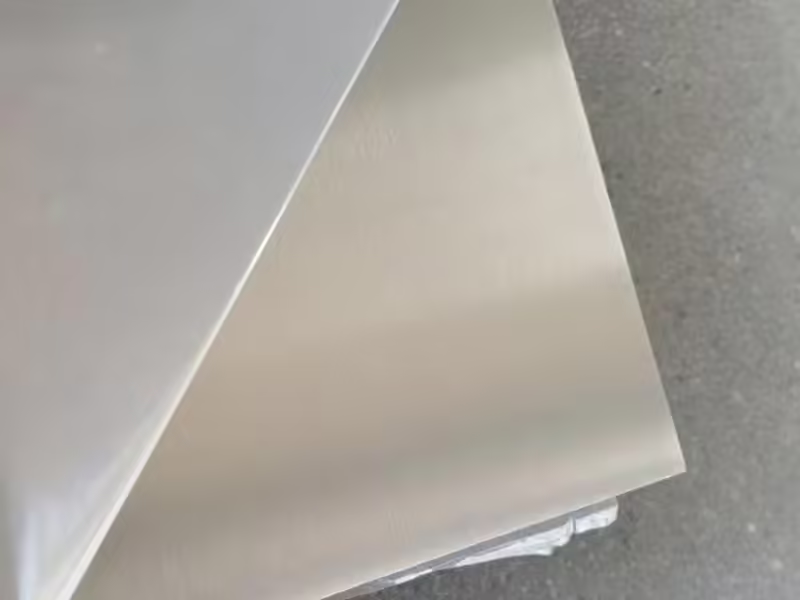
Inspection should cover thickness definition, width, length, flatness, surface condition, pattern quality, edge condition, and packaging. Visible material should be checked for scratches, stains, and handling marks. If the plate has protective film, confirm whether the film is suitable for transport and storage conditions.
Packaging should prevent rubbing between plates. Raised patterns can mark adjacent surfaces if sheets move during transit. For export shipments, waterproof wrapping, corner protection, and clear labels reduce receiving disputes. Aluminum checker plate for visible installations should be unpacked carefully so the raised surface is not dragged across another sheet.
Buyer Comparison Table
The best aluminum checker plate order ties pattern and thickness to the actual service condition. The table below summarizes common buyer priorities.
| Buyer priority | What to specify | Why it matters |
|---|---|---|
| Low weight | Alloy, thickness, support spacing | Avoids weak flooring |
| Visible finish | Pattern, film, surface acceptance | Reduces cosmetic rework |
| Fabrication | Temper, bend radius, edge quality | Controls cracking and burrs |
| Outdoor use | Alloy, drainage, packaging | Improves durability |
Ordering Checklist
A complete aluminum checker plate inquiry should include alloy, temper, base thickness, pattern type, width, length, tolerance, surface protection, edge condition, quantity, packaging, destination, and required certificates. If the plate is for flooring, state load, support spacing, and installation environment.
For general size planning, buyers can review aluminum plate processing requirements and then add tread-specific details. Clear specifications keep the material practical, not just visually correct.
- Define the application, load, and environment.
- Confirm base thickness versus overall pattern height.
- Specify alloy, temper, pattern, and surface protection.
- Share cutting, bending, welding, or fastening requirements.
- Inspect pattern quality, flatness, edges, and packaging.
FAQ
What is aluminum checker plate used for?
Aluminum checker plate is used for floors, ramps, stairs, vehicle panels, covers, kick plates, and surfaces where low weight and raised tread texture are useful.
How should thickness be specified?
Buyers should state whether thickness is base thickness excluding the raised pattern or total thickness including pattern height.
Is aluminum checker plate always slip-resistant?
No. The raised pattern can improve traction, but actual slip performance depends on water, oil, dust, footwear, slope, and cleaning.
Can aluminum checker plate be bent?
It can often be bent, but bendability depends on alloy, temper, thickness, pattern, bend radius, and tooling.
Why does packaging matter?
Raised patterns can scratch adjacent sheets during transit, so protective wrapping and secure packing help preserve surface quality.
Request a Technical Review
Send your drawing, thickness requirement, pattern preference, and use environment to Huanhai Zhongke for an aluminum checker plate specification review.
 English
  Korean
  Arabic
  Vietnamese