

جدول المحتويات
غالبًا ما يتم اختيار لوحة الداما المصنوعة من الألومنيوم للأرضيات والمنحدرات وألواح المركبات والسلالم والمنصات والأغطية الواقية لأنها تجمع بين الوزن المنخفض وسطح المداس المرتفع. تتمثل مخاطر الشراء في أن المشترين قد يركزون على مظهر النمط وينسون السُمك والسبائك والمزاج والحمل والتصنيع وحالة السطح.
يمنح دليل لوحة المدقق المصنوع من الألومنيوم المشترين الصناعيين طريقة عملية لتحديد لوحة المداس للتصنيع والأسطح المتعلقة بالسلامة. ولا تدعي تصنيف الانزلاق العالمي؛ يعتمد الأداء الفعلي على البيئة والأحذية والتلوث والزاوية والتنظيف والتركيب.
تحديد حالة الاستخدام
تعتمد لوحة المدقق المصنوعة من الألومنيوم المناسبة على الواجب الحقيقي. لا تحتاج لوحة الحائط المزخرفة إلى نفس سمك منصة الصيانة. يحتاج مداس الدرج المعرض للمطر إلى تفكير مختلف عن لوحة الركل الداخلية الجافة. يجب على المشترين تحديد الحمل وحركة المرور والبيئة وطريقة التثبيت وما إذا كان السطح مرئيًا.
إذا تم استخدام اللوحة بالقرب من المواد الكيميائية أو الملح أو المعدات الغذائية أو الطقس الخارجي، فيجب على المشتري مراجعة طريقة التعرض للتآكل والتنظيف. للحصول على خط أساس أوسع للمواد، هذا دليل تصنيع ألواح الألمنيوم يساعد على ربط اختيار السبائك بالمعالجة.
يجب أيضًا فحص لوحة المدقق المصنوعة من الألومنيوم وفقًا لطريقة التثبيت. تضع البراغي الغاطسة والمسامير واللحام والربط اللاصق متطلبات مختلفة على التسطيح وارتفاع النمط وجودة الحافة وإعداد السطح. يجب أن تترك لوحة المدقق المصنوعة من الألومنيوم المستخدمة مع أدوات التثبيت المكشوفة مساحة اتصال مسطحة كافية حول الثقوب.
اختر السُمك بعناية
يعد السُمك أحد أهم قرارات لوحة الداما المصنوعة من الألومنيوم. قد يكون من السهل قطع المواد الرقيقة وتركيبها، ولكنها يمكن أن تنثني تحت حركة السير أو تنثني تحت التأثير. تعمل المواد الثقيلة على تحسين الصلابة ولكنها تضيف وزنًا وقد تتطلب دعمًا أقوى أو معدات قطع مختلفة أو تثبيتًا منقحًا.
يجب على المشترين توضيح ما إذا كان السُمك يعني سمك القاعدة باستثناء ارتفاع النمط أو السُمك الإجمالي بما في ذلك النمط المرتفع. يمكن أن يؤدي الخلط بين هاتين القيمتين إلى حدوث مشكلات في التركيب، خاصة عندما يجب أن تكون اللوحة متسقة مع الأجزاء المحيطة.
| طلب | تركيز المواصفات | مخاطر المشتري |
|---|---|---|
| لوحة زخرفية | المظهر، التسطيح، حماية السطح | خدوش أو تموجات مرئية |
| أرضيات المركبات | سمك، سبيكة، اتجاه المداس | مشاكل في الثني أو التثبيت |
| منصة صناعية | التحميل، تباعد الدعم، النمط، الصرف | شعور غير آمن أو تشوه |
| صندوق الأدوات أو الغطاء | القابلية للتشكيل، الحواف المقطوعة، المظهر | مشاكل التشقق أو النتوء |
اختيار السبائك والمزاج
تؤثر السبائك والمزاج على القوة، ومقاومة التآكل، وقابلية الانحناء، وقابلية اللحام، وتشطيب السطح. يختار العديد من المشترين لوحة فحص الألومنيوم لأنها أخف من الفولاذ، ولكن يجب ألا يتجاوز تقليل الوزن الاحتياجات الميكانيكية للجزء. يجب أن يعرف المورد ما إذا كانت اللوحة سيتم لحامها أو ثنيها أو تثبيتها أو تثبيتها بمسامير أو استخدامها كلوحة مسطحة.
لا تفترض أن كل لوحة مداس قابلة للتشكيل بشكل متساوٍ. إذا كان الانحناء المحكم مطلوبًا، فاذكر نصف قطر الانحناء واتجاه الحبوب حيثما كان ذلك مناسبًا. إذا كانت اللوحة في الغالب مسطحة وحاملة، فقد تكون الصلابة وتباعد الدعم أكثر أهمية من قابلية الانحناء.
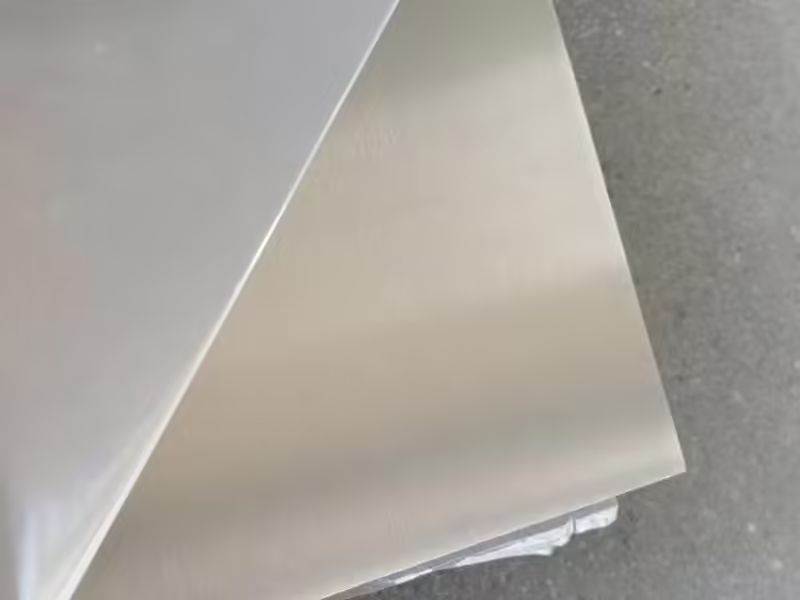
النمط وحالة السطح
يؤثر النمط على القبضة والصرف والمظهر وقابلية التنظيف. تشمل الأنماط المرتفعة الشائعة تصميمات ذات خمسة أشرطة وماسية وتصميمات مداس أخرى اعتمادًا على قدرة المورد. يجب على المشتري تأكيد نوع النمط واتجاهه واتساقه وما إذا كان جانب واحد أو كلا الجانبين لديه متطلبات مظهر مهمة.
يجب معالجة مقاومة الانزلاق بعناية. يمكن للوحة الشطرنج المصنوعة من الألومنيوم تحسين الجر مقارنة بالسطح الأملس، ولكنها ليست ضمانًا ضد الانزلاق. الزيت والماء والغبار والأحذية والمنحدر والتنظيف كلها تغير الأداء. بالنسبة للأرضيات ذات الأهمية الحيوية للسلامة، يجب على المشتري التحقق من المتطلبات المحلية وظروف التثبيت. ال جمعية الألمنيوم هو مرجع صناعي مفيد لسياق مواد الألومنيوم.
القطع والتشكيل واللحام
ينبغي كتابة خطط التصنيع في التحقيق. قد يترك القطع نتوءات. قد يشير الانحناء إلى النمط المرتفع. يمكن أن يغير اللحام مظهر السطح وقد يتطلب التنظيف. إذا كانت لوحة الداما المصنوعة من الألومنيوم سيتم قطعها أو ثقبها أو تشكيلها باستخدام الحاسب الآلي، فيجب على المشتري مشاركة التفاوتات والرسومات قبل الإنتاج.
للحصول على سياق إضافي للسبائك، يمكن للمشترين المقارنة مع دليل اختيار سبائك الألومنيوم. نمط المداس هو جزء واحد فقط من المواصفات؛ لا يزال يتعين على المعدن الأساسي أن يناسب الوظيفة.
التفتيش والتعبئة والتغليف
يجب أن يشمل الفحص تعريف السُمك والعرض والطول والتسطيح وحالة السطح وجودة النمط وحالة الحافة والتعبئة والتغليف. يجب فحص المواد المرئية بحثًا عن الخدوش والبقع وعلامات المناولة. إذا كانت اللوحة تحتوي على طبقة واقية، فتأكد مما إذا كان الفيلم مناسبًا لظروف النقل والتخزين.
يجب أن تمنع التعبئة والتغليف الاحتكاك بين الألواح. يمكن للأنماط المرتفعة أن تحدد الأسطح المجاورة إذا تحركت الصفائح أثناء النقل. بالنسبة لشحنات التصدير، فإن التغليف المقاوم للماء وحماية الزوايا والملصقات الواضحة يقلل من نزاعات الاستلام. يجب تفريغ لوحة الداما المصنوعة من الألومنيوم للتركيبات المرئية بعناية حتى لا يتم سحب السطح المرتفع عبر ورقة أخرى.
جدول مقارنة المشتري
أفضل طلب لوحة مدقق من الألومنيوم يربط النمط والسمك بحالة الخدمة الفعلية. يلخص الجدول أدناه أولويات المشتري المشتركة.
| أولوية المشتري | ماذا تحدد | لماذا يهم |
|---|---|---|
| وزن منخفض | سبيكة، سمك، دعم التباعد | يتجنب الأرضيات الضعيفة |
| نهاية مرئية | النمط، الفيلم، قبول السطح | يقلل من إعادة صياغة مستحضرات التجميل |
| التصنيع | المزاج، نصف قطر الانحناء، جودة الحافة | يتحكم في التشقق والنتوءات |
| الاستخدام في الهواء الطلق | السبائك والصرف والتغليف | يحسن المتانة |
طلب قائمة المراجعة
يجب أن يتضمن الاستعلام الكامل عن لوحة مدقق الألومنيوم السبائك والمزاج وسمك القاعدة ونوع النمط والعرض والطول والتسامح وحماية السطح وحالة الحافة والكمية والتعبئة والوجهة والشهادات المطلوبة. إذا كانت اللوحة مخصصة للأرضيات، وحمولة الحالة، وتباعد الدعم، وبيئة التثبيت.
للتخطيط العام للحجم، يمكن للمشترين المراجعة متطلبات معالجة ألواح الألمنيوم ثم أضف تفاصيل خاصة بالمداس. تحافظ المواصفات الواضحة على المادة عملية، وليس صحيحة بصريًا فقط.
- تحديد التطبيق والتحميل والبيئة.
- تأكيد سمك القاعدة مقابل ارتفاع النمط الإجمالي.
- حدد السبائك والمزاج والنمط وحماية السطح.
- مشاركة متطلبات القطع أو الثني أو اللحام أو التثبيت.
- فحص جودة النمط، والتسطيح، والحواف، والتغليف.
الأسئلة الشائعة
ما هي استخدامات لوحة الداما المصنوعة من الألومنيوم؟
يتم استخدام لوحة الشطرنج المصنوعة من الألومنيوم للأرضيات والمنحدرات والسلالم وألواح المركبات والأغطية وألواح الركل والأسطح التي يكون فيها الوزن المنخفض وملمس المداس المرتفع مفيدًا.
كيف ينبغي تحديد السُمك؟
يجب على المشترين تحديد ما إذا كان السُمك هو سمك القاعدة باستثناء النمط المرتفع أو السُمك الإجمالي بما في ذلك ارتفاع النمط.
هل لوحة الداما المصنوعة من الألومنيوم مقاومة للانزلاق دائمًا؟
لا. يمكن للنمط المرتفع تحسين الجر، لكن أداء الانزلاق الفعلي يعتمد على الماء والزيت والغبار والأحذية والمنحدر والتنظيف.
هل يمكن ثني لوحة المدقق المصنوعة من الألومنيوم؟
غالبًا ما يمكن ثنيه، لكن قابلية الانحناء تعتمد على السبائك والمزاج والسمك والنمط ونصف قطر الانحناء والأدوات.
لماذا التعبئة والتغليف مهمة؟
يمكن للأنماط المرتفعة أن تخدش الصفائح المجاورة أثناء النقل، لذا يساعد التغليف الواقي والتعبئة الآمنة في الحفاظ على جودة السطح.
طلب مراجعة فنية
أرسل الرسم ومتطلبات السُمك وتفضيلات النمط وبيئة الاستخدام إلى Huanhai Zhongke لمراجعة مواصفات لوحة مدقق الألومنيوم.
 Arabic
  English
  Korean
  Vietnamese