
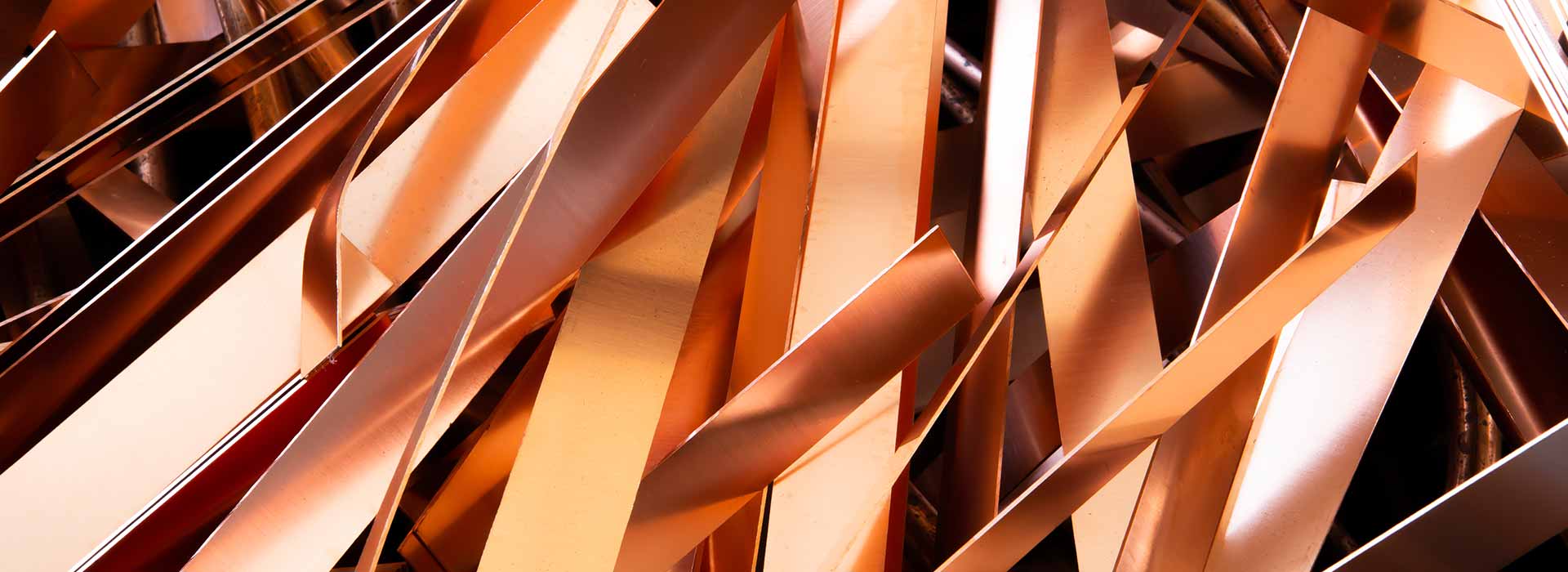
رقائق الألومنيوم 8011 هي مادة رقائق الألومنيوم المستخدمة على نطاق واسع لتغليف المواد الغذائية، وتغليف الأدوية، والحاويات، والإغلاقات، والعزل والتحويل الصناعي. تأتي شعبيتها من مزيج عملي من قابلية التشكيل وأداء الحاجز ومقاومة التآكل والملاءمة للدرفلة ذات المقياس الرقيق.
ومع ذلك، لا ينبغي للمشترين الصناعيين اختيار رقائق 8011 بناءً على رقم السبيكة فقط.
يمكن أن تؤثر درجة الحرارة والسمك والعرض ونظافة السطح والتحكم في الثقب وجودة اللف ومتطلبات المعالجة النهائية على ما إذا كانت الرقائق تعمل بشكل صحيح على خط الإنتاج.
يشرح هذا الدليل ما هي رقائق الألومنيوم 8011، وكيف تختلف درجات الحرارة O وH18، وأين يتم استخدام المادة بشكل شائع وما يجب على المشترين تحديده قبل طلب عرض الأسعار.
جدول المحتويات
8011 رقائق الألومنيوم إجابات سريعة
| سؤال | إجابة سريعة |
|---|---|
| ما هي رقائق الألومنيوم 8011؟ | سبيكة رقائق الألومنيوم شائعة الاستخدام للتغليف والحاويات والإغلاقات والعزل والتحويل الصناعي. |
| هل 8011-O ناعم؟ | نعم. يتم تلدين المزاج O ويوفر قابلية تشكيل عالية. |
| هل 8011-H18 صعب؟ | نعم. H18 هي حالة صلبة ومتصلبة مع استطالة أقل. |
| ما هو المزاج الأفضل للتشكيل؟ | يكون المزاج O أكثر ملاءمة بشكل عام عندما يكون التشكيل الجوهري مطلوبًا. |
| هل يمكن استخدام رقائق 8011 لتغليف المواد الغذائية؟ | نعم، عندما تتوافق المادة النهائية مع متطلبات الاتصال الغذائي المعمول بها. |
| هل يمكن تصفيح رقائق 8011؟ | نعم. يمكن تصفيحها إلى فيلم بلاستيكي وورق ورغوة ومواد أخرى. |
| ما الذي يجب على المشترين تحديده؟ | السبائك والمزاج والسمك والعرض والسطح ومستوى الثقب وحجم القلب ووزن اللفة والتطبيق النهائي. |
ما هو 8011 رقائق الألومنيوم؟
رقائق الألومنيوم 8011 عبارة عن سبيكة ألومنيوم يتم توفيرها عادةً في شكل ملفوف رقيق لتطبيقات التعبئة والتغليف والتشكيل والختم والعزل والتحويل.
يتم اختياره بشكل متكرر عندما يحتاج المصنعون إلى مادة يمكنها الجمع بين الوزن المنخفض والقوة المفيدة وأداء التشكيل الجيد وقدرة الحاجز العالية.
اعتمادًا على المنتج النهائي، يمكن أن تكون رقائق الألومنيوم 8011:
- شق
- الترجيع
- منقوش
- مطبوعة
- طلى
- مغلفة
- تشكلت
- المغلفة
- مختومة بالحرارة
إمدادات هوانهاي تشونغكي ورق الألمنيوم في العديد من السبائك، بما في ذلك 8011 و1235 و8079، بدرجات حرارة وسمك وخيارات سطحية مختلفة للتغليف والتطبيقات الصناعية.
بالنسبة للمشترين الذين يقارنون عدة مواد ألومنيوم بدلاً من درجة رقائق واحدة، فإن دليل اختيار سبائك الألومنيوم يوفر نظرة عامة أوسع على السبائك والمزاج واختيار شكل المنتج.
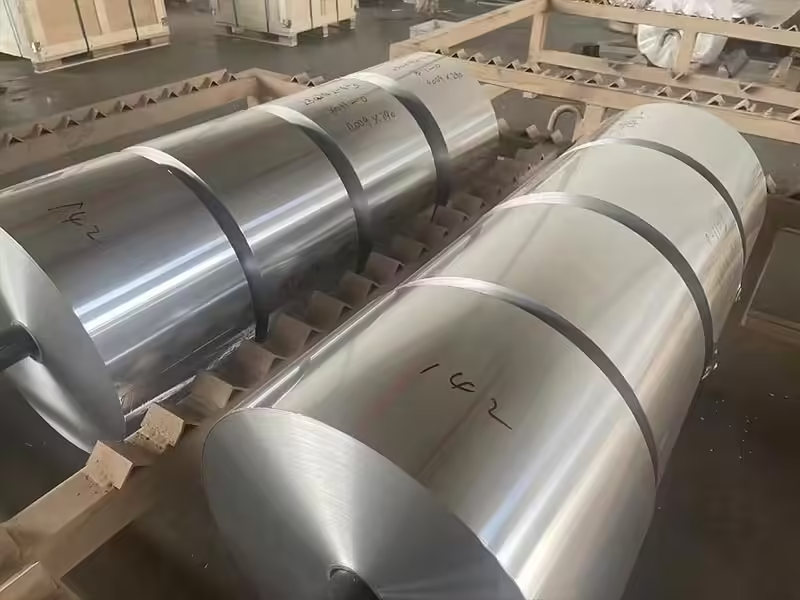
لماذا يتم استخدام رقائق الألومنيوم 8011 على نطاق واسع؟
تُستخدم رقائق الألومنيوم 8011 على نطاق واسع لأنها تجمع بين قابلية التشكيل وأداء الحاجز ومقاومة التآكل والتوافق مع عمليات التحويل الشائعة.
هذه الخصائص تجعلها مناسبة لكل من منتجات الرقائق النهائية والمواد المركبة.
قابلية التشكيل جيدة
يمكن طي رقائق 8011 الناعمة ونقشها وضغطها وتشكيلها بأشكال مختلفة.
وهذا مهم لتطبيقات مثل:
- حاويات احباط
- صواني الطعام
- تغليف مرن
- الإغلاقات
- مواد التغطية
يعتمد أداء التشكيل الفعلي بشكل أساسي على المزاج والسمك والأدوات.
أداء الحاجز القوي
يمكن أن توفر رقائق الألومنيوم حاجزًا فعالاً ضد:
- ضوء
- رطوبة
- الأكسجين
- الروائح
- شحم
- التلوث الخارجي
وهذا هو أحد أسباب دمج رقائق الألومنيوم على نطاق واسع في هياكل التعبئة والتغليف.
قد تحتوي الرقائق الرقيقة جدًا على ثقوب مجهرية، لذلك يجب على المشترين تحديد مستوى ثقب مقبول عندما يكون أداء الحاجز أمرًا بالغ الأهمية.
مقاومة التآكل
يقوم الألومنيوم بشكل طبيعي بتطوير طبقة أكسيد رقيقة تحمي سطحه في ظل العديد من ظروف الخدمة العادية.
ومع ذلك، لا يزال من الممكن أن تتأثر رقائق الألومنيوم بما يلي
- أحماض أو قلويات قوية
- التعرض للملح
- الرطوبة المحاصرة
- الأسطح الملوثة
- الاتصال بالمواد غير المتوافقة
ولذلك قد يكون الطلاء أو التصفيح مطلوبًا للبيئات الصعبة.
وزن منخفض
يتميز الألومنيوم بكثافة منخفضة نسبيًا، وتستخدم الرقائق المعدنية القليل جدًا لكل وحدة مساحة سطحية.
يتيح ذلك لمصنعي التغليف والعزل تحقيق تغطية كبيرة بوزن مادة منخفض نسبيًا.
الأداء العاكس
تعكس رقائق الألومنيوم الحرارة والضوء المشع.
وبسبب هذه الخاصية، يتم دمجها عادة في:
- عزل السقف
- عزل التدفئة والتهوية وتكييف الهواء
- عزل الأنابيب
- شرائح عاكسة
- واجهات عزل المباني
مزيد من المعلومات العامة حول هذه الاستخدامات الصناعية متاحة في Huanhai Zhongke دليل رقائق الألومنيوم الصناعية للتغليف والعزل.
8011-O مقابل 8011-H18 رقائق الألومنيوم
الفرق الرئيسي بين 8011-O و8011-H18 هو الصلابة وقابلية التشكيل. O المزاج ناعم وأسهل في التشكيل، في حين أن H18 أصعب ويوفر ثباتًا أكبر للأبعاد.
يعد هذا التمييز مهمًا بشكل خاص للمشترين لأن منتجين لهما نفس رقم السبيكة قد يؤديان أداءً مختلفًا تمامًا في معدات التشكيل أو التصفيح.
| ملكية | 8011-س | 8011-ح18 |
|---|---|---|
| الحالة المادية | صلب | سلالة تصلب |
| الصلابة النسبية | قليل | عالي |
| استطالة | أعلى | أدنى |
| قابلية التشكيل | جيد جدا | أكثر محدودية |
| تشكيل عميق | أفضل | أقل ملاءمة |
| استقرار الأبعاد | أدنى | أعلى |
| الاستخدام النموذجي | الحاويات والهياكل المرنة | تطبيقات الرقائق الصلبة والتصفيح |
ما هو 8011-O رقائق الألومنيوم؟
8011-O عبارة عن رقائق ألومنيوم ملدنة ذات درجة حرارة ناعمة يتم اختيارها عندما تكون المرونة وأداء التشكيل مهمين.
يمكن أن تكون مناسبة ل:
- حاويات المواد الغذائية
- تغليف مرن
- منتجات الرقائق المشكلة
- الهياكل المصفحة
- احباط الأسرة
- تطبيقات إغلاق معينة
نظرًا لأن الرقاقة أكثر ليونة، فإنها يمكن أن تتحمل تشوهًا أكبر قبل التشقق مقارنة بالمواد شديدة الحرارة.
ما هو 8011-H18 رقائق الألومنيوم؟
8011-H18 عبارة عن رقائق صلبة ذات قوة أعلى واستطالة أقل من درجة حرارة O.
يمكن اختياره لـ:
- هياكل رقائق صلبة
- تطبيقات معينة للغطاء
- شرائح صناعية
- هياكل التعبئة والتغليف التي تتطلب استقرار الأبعاد
- تحويل العمليات التي لا تتطلب تشكيلًا عميقًا
لا ينبغي اختيار H18 تلقائيًا لمجرد أنه أقوى. إذا كانت المادة تحتاج إلى تشكيل كبير، فقد تصبح ليونتها المنخفضة عيبًا.
ما هو المزاج 8011 الذي يجب على المشترين اختياره؟
يعتمد المزاج الصحيح على ما سيحدث للرقاقة بعد التسليم.
اختر أ مزاج أكثر ليونة عندما تتطلب العملية:
- تشكيل عميق
- للطي
- الضغط
- النقش
- تشوه معقد
اختر أ مزاج أصعب عندما تعطي العملية الأولوية:
- استقرار الأبعاد
- صلابة أعلى
- التعامل المتحكم فيه
- التصفيح
- تشوه محدود
يوصى بالقائمة التجريبية عندما يغير المشتري مزاجه أو سمكه أو مورده.
ما سمك رقائق الألومنيوم 8011؟
يمكن إنتاج رقائق الألومنيوم 8011 بنطاقات سمك متعددة اعتمادًا على التطبيق والقدرة الإنتاجية.
يسرد Huanhai Zhongke حاليًا نطاقًا إجماليًا لسمك رقائق الألومنيوم يبلغ تقريبًا 0.006 ملم إلى 0.2 ملم عبر منتجاتها من الرقائق.
يؤثر السُمك على:
- قوة
- مقاومة الدموع
- قابلية التشكيل
- مستوى الثقب
- أداء الحاجز
- لفة الوزن
- استهلاك المواد
- تكلفة الإنتاج
رقائق الألومنيوم رقيقة
عادة ما يتم أخذ الرقائق الرقيقة بعين الاعتبار من أجل:
- تغليف مرن
- التصفيح
- المواد المركبة
- تطبيقات التغليف
مزاياها الرئيسية هي الوزن المنخفض وتقليل استخدام المواد.
وتشمل العيوب حساسية أكبر لـ:
- شقوق الحافة
- الثقوب
- التجاعيد
- فواصل الويب
- اختلاف التوتر
احباط متوسط الحجم
يمكن أن توفر الرقائق متوسطة السمك مزيجًا أكثر توازناً من المرونة والقوة.
يمكن استخدامه في:
- غطاء
- تطبيقات الخدمات الغذائية
- شرائح صناعية
- التغليف العام
رقائق الألومنيوم السميكة
توفر الرقائق السميكة صلابة أفضل ومقاومة للثقب.
يمكن أن تشمل التطبيقات النموذجية ما يلي:
- الصواني
- حاويات
- التعبئة والتغليف المشكلة
- منتجات الرقائق الثقيلة
يجب على المشترين اختيار السُمك بناءً على المنتج النهائي بدلاً من مجرد اختيار المقياس الأقل تكلفة.
ما هي استخدامات رقائق الألومنيوم 8011؟
يمكن استخدام رقائق الألومنيوم 8011 في العديد من تطبيقات التعبئة والتغليف والتطبيقات الصناعية.
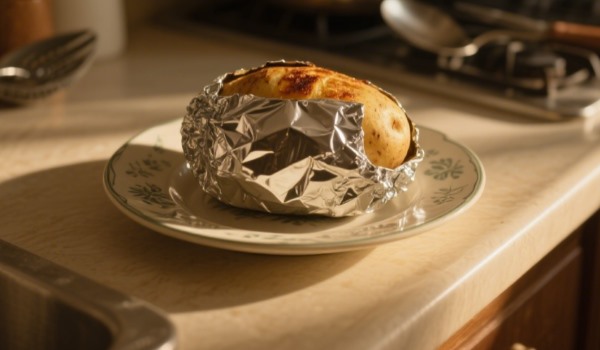
تغليف المواد الغذائية
تُستخدم رقائق الألومنيوم 8011 بشكل شائع في تغليف المواد الغذائية لأنها توفر حاجزًا قويًا ضد الضوء والرطوبة والأكسجين والشحوم.
تشمل الاستخدامات النموذجية ما يلي:
- حاويات المواد الغذائية
- اغطية احباط
- مواد التغليف
- رقائق تقديم الطعام
- تغليف مرن
- التعبئة والتغليف المركب
بالنسبة للتطبيقات التي تنطوي على الاتصال المباشر بالأغذية، تعتمد ملاءمة المواد على عملية الإنتاج الكاملة ومعالجة الأسطح والطلاءات واللوائح المعمول بها.
توفر إدارة الغذاء والدواء الأمريكية معلومات تنظيمية تتعلق المكونات الغذائية والتغليف الملامس للأغذية.
يجب على المشترين أن يطلبوا وثائق الامتثال المحددة المطلوبة لسوقهم بدلاً من افتراض أن تعيين السبائك وحده يثبت الامتثال للاتصال بالأغذية.
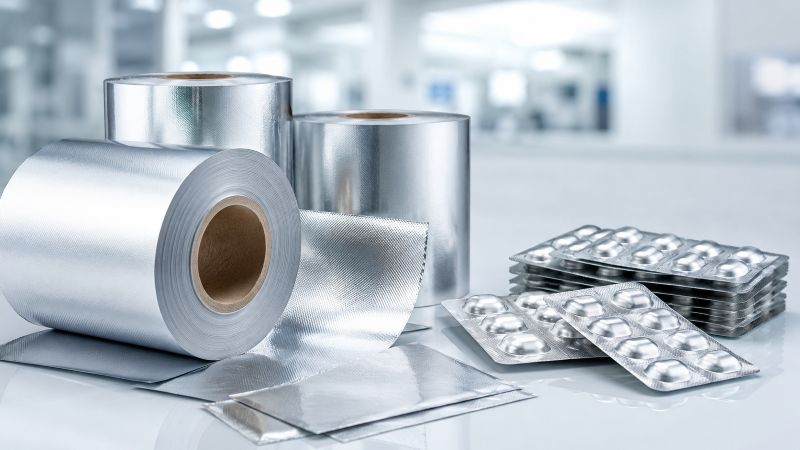
التغليف الصيدلاني
يمكن أيضًا استخدام رقائق 8011 في بعض هياكل التعبئة الصيدلانية.
وتشمل التطبيقات الممكنة ما يلي:
- غطاء نفطة
- التعبئة والتغليف الشريط
- التعبئة والتغليف مغلفة
- هياكل رقائق معدنية محكمة الغلق بالحرارة
تتطلب التعبئة الصيدلانية عادة مراقبة جودة أكثر صرامة من التعبئة العامة.
قد تشمل المتطلبات المهمة ما يلي:
- مستويات الثقب منخفضة
- الأسطح النظيفة
- سمك متحكم فيه
- طلاء متسق
- أداء طلاء الختم الحراري
- التصاق الحبر
- إمكانية التتبع
- الوثائق التنظيمية
يجب تحديد المواصفات الدقيقة وفقًا لنظام التعبئة والتغليف النهائي.
حاويات رقائق الألومنيوم
غالبًا ما يتم اعتبار 8011-O للحاويات المشكلة بسبب ليونتها الجيدة نسبيًا.
يعتمد أداء الإنتاج على:
- مزاج
- سماكة
- التشحيم
- الأدوات
- تشكيل العمق
- حالة السطح
قد تتشقق الرقاقة الصلبة جدًا أثناء الختم أو الرسم.
إغلاق الزجاجة
يمكن استخدام الألومنيوم 8011 في بعض هياكل الإغلاق حيث تطلب الشركات المصنعة ما يلي
- قابلية التشكيل
- أداء الطباعة
- التصاق الطلاء
- جودة السطح
- الاتساق الأبعادي
يجب أن تتوافق السبيكة والمزاج الدقيقان مع عملية تشكيل الإغلاق.
التدفئة والتهوية وتكييف الهواء والعزل
يمكن تصفيح رقائق الألومنيوم 8011 إلى:
- الألياف الزجاجية
- فيلم بي
- رغوة
- ورق كرافت
- عزل الفقاعات
- المواد المنسوجة
في هذه الهياكل، يوفر الألومنيوم أداءً عاكسًا وحاجزًا للرطوبة.
يمكن استخدام الرقائق في:
- قنوات التدفئة والتهوية وتكييف الهواء
- عزل السقف
- عزل الأنابيب
- عزل المباني
- الحواجز العاكسة
8011 مقابل 1235 رقائق الألومنيوم
يوفر 8011 عمومًا قوة ميكانيكية أعلى، بينما يرتبط 1235 عادةً بتطبيقات التغليف المرنة الرقيقة.
يمكن استخدام كلتا السبائك في التعبئة والتغليف، ولكن لا ينبغي معاملتهما تلقائيًا على أنهما قابلان للتبديل.
| عامل | 8011 رقائق الألومنيوم | 1235 رقائق الألومنيوم |
|---|---|---|
| القوة الميكانيكية | أعلى عموما | أقل عموما |
| قدرة رقيقة | جيد | جيد جدا |
| قابلية التشكيل | جيد في مزاج مناسب | جيد جدا |
| استخدام التغليف | واسع | تركيز قوي على التغليف المرن |
| تطبيقات الحاويات | شائع | أقل نموذجية |
| براعة صناعية | عالي | قوي في تطبيقات الرقائق الرقيقة |
يجب أن يقوم المحول بتقييم السبيكة مع درجة الحرارة والسمك.
8011 مقابل 8079 رقائق الألومنيوم
يتم استخدام 8011 على نطاق واسع عبر تطبيقات التغليف والتشكيل العامة، بينما يتم أخذ 8079 في الاعتبار غالبًا عندما تكون هناك حاجة إلى رقائق رقيقة جدًا وأداء تشكيل قوي.
قد يقدم 8079 خصائص مفيدة لـ:
- تغليف مرن
- هياكل رقيقة
- شرائح
- التطبيقات التي تتطلب استطالة أعلى
يظل 8011 خيارًا متعدد الاستخدامات لـ:
- حاويات
- الإغلاقات
- تغليف المواد الغذائية
- شرائح صناعية
- تحويل عام
يعتمد الاختيار الأفضل على تجارب الإنتاج والخواص الميكانيكية المطلوبة.
لماذا تعتبر الثقوب مهمة في رقائق الألومنيوم؟
الثقوب عبارة عن فتحات مجهرية يمكن أن تقلل من أداء الحاجز لرقائق الألومنيوم الرقيقة.
وتصبح ذات أهمية خاصة عند استخدام الرقائق لحماية المنتجات من الرطوبة أو الأكسجين أو التلوث.
لماذا تحدث الثقوب؟
تشمل الأسباب المحتملة ما يلي:
- مقياس رقيق جدا
- عيوب المتداول
- التلوث السطحي
- جزيئات غريبة
- عيوب المواد الخام
- معالجة الضرر
هل الثقوب غير مقبولة دائمًا؟
ليس بالضرورة.
بالنسبة لحزمة مرنة متعددة الطبقات، قد تساهم طبقات البوليمر الإضافية في أداء الحاجز بشكل عام.
بالنسبة للتغليف الصيدلاني أو الحساس، قد يكون من الضروري متطلبات ثقب أكثر صرامة.
بدلاً من كتابة “no pinholes” فقط في الاستفسار، يجب على المشترين تحديد ما يلي
- طريقة الاختبار
- الحد الأقصى للعدد المقبول
- الحد الأقصى لحجم الثقب
- منطقة التفتيش
وهذا يخلق متطلبات الجودة القابلة للقياس.
لماذا تعتبر نظافة السطح مهمة
تعد جودة السطح مهمة بشكل خاص عند طباعة رقائق الألومنيوم 8011 أو طلاءها أو تصفيحها.
يمكن أن يقلل الزيت المتداول المتبقي أو التلوث من:
- التصاق الحبر
- التصاق الطلاء
- رابطة لاصقة
- الختم الحراري
- قوة التصفيح
يجب على المشترين إخبار المورد بكيفية معالجة الرقائق بعد التسليم.
العيوب السطحية الشائعة
وتشمل المشاكل النموذجية ما يلي:
- بقع الزيت
- خدوش
- بقع سوداء
- التجاعيد
- علامات لفة
- علامات الأكسدة
- جزيئات غريبة
- مظهر غير متساوٍ
قد لا يؤثر العيب المرئي على كل التطبيقات الصناعية، ولكنه قد يسبب الرفض في استخدامات التغليف والديكور.
الجانب المشرق مقابل الجانب غير اللامع: هل هناك فرق في الأداء؟
غالبًا ما تحتوي رقائق الألومنيوم الرقيقة جدًا على جانب واحد لامع وجانب واحد غير لامع بسبب عملية الدرفلة.
بالنسبة للعديد من التطبيقات العامة، لا يعني الاختلاف البصري أن جانبًا واحدًا هو في الأساس “better.”
ومع ذلك، قد تحدد المحولات جانبًا معينًا لـ:
- الطباعة
- طلاء
- الترقق
- مظهر زخرفي
ولذلك يجب على المشترين تحديد اتجاه اللف عند الضرورة.
عرض اللفة وجودة الحز
يعد عرض اللفة الصحيح ضروريًا للتحويل عالي السرعة.
عرض غير صحيح يمكن أن يسبب:
- اختلال الويب
- التشذيب الزائد
- توقف الآلة
- زيادة نفايات الإنتاج
تتضمن معايير الشراء المهمة ما يلي:
- عرض
- تحمل العرض
- حافة لدغ
- القطر الأساسي
- لفة القطر الخارجي
- الحد الأقصى لوزن اللفة
لماذا تعتبر جودة الحافة مهمة
يمكن أن تسبب حواف الشق الضعيفة ما يلي
- تمزق احباط
- فواصل الويب
- لف غير منتظم
- تلوث الآلة
- مشاكل التعامل مع المشغل
يصبح هذا مهمًا بشكل متزايد مع انخفاض سمك الرقائق.
لماذا تعتبر جودة اللف مهمة
يجب أن يتم فك لفة الرقائق المؤهلة بسلاسة والحفاظ على شد مستقر.
تشمل مشاكل اللف الشائعة ما يلي:
- تلسكوب
- لف فضفاض
- حواف غير متساوية
- التجاعيد
- الحركة الأساسية
قد يتسبب اللف السيئ في حدوث هدر كبير حتى عندما تكون السبيكة وسمكها صحيحين من الناحية الفنية.
عيوب رقائق الألومنيوم الشائعة 8011
| عيب | تأثير الإنتاج المحتمل |
|---|---|
| الثقوب | انخفاض أداء الحاجز |
| شقوق الحافة | فواصل الويب |
| التجاعيد | عيوب الطباعة والتصفيح |
| بقايا الزيت | طلاء ضعيف أو رابطة لاصقة |
| اختلاف سمك | إعدادات الإنتاج غير مستقرة |
| تلسكوب | تفكيك صعب |
| خدوش السطح | رفض المظهر |
| أكسدة | مشاكل السطح أو الترابط |
| لف فضفاض | ضعف التحكم في الويب |
كيف يجب على المشترين الصناعيين فحص رقائق الألومنيوم 8011؟
يجب أن يكون الفحص مطابقًا للاستخدام النهائي المقصود.
1. فحص الأبعاد
يفحص:
- سماكة
- عرض
- قطر اللفة
- لفة الوزن
- القطر الأساسي
- تحمل العرض
2. فحص السطح
تحقق من:
- خدوش
- البقع
- التجاعيد
- الثقوب
- زيت
- أكسدة
- عيوب الحافة
3. الخواص الميكانيكية
اعتمادا على المشروع، قد يشمل الاختبار ما يلي
- قوة الشد
- استطالة
- صلابة
- قابلية التشكيل
4. تحويل الأداء
بالنسبة للإنتاج بكميات كبيرة، غالبًا ما تكون القائمة التجريبية واحدة من أكثر فحوصات الجودة فائدة.
قم بتشغيل الرقاقة من خلال الفعلي:
- خط الطباعة
- تغليف
- تشكيل الصحافة
- آلة النقش
- معدات الختم
لا يمكن للنتيجة المختبرية وحدها أن تتنبأ دائمًا بسلوك خط الإنتاج.
ما هي المعايير التي تنطبق على رقائق الألومنيوم؟
تختلف مواصفات رقائق الألومنيوم حسب السوق والتطبيق وشكل المنتج.
يسرد Huanhai Zhongke المعايير بما في ذلك إن 546 و جيجابايت/تي 3198 لمنتجاتها من الرقائق.
EN 546 عبارة عن سلسلة معايير أوروبية تغطي رقائق الألومنيوم وسبائك الألومنيوم. يجب على المشترين الذين يعملون وفقًا للمواصفات الأوروبية تأكيد الجزء والإصدار الحالي الذي ينطبق على منتجاتهم.
منظمة المعايير المعترف بها دوليا ايزو يمكن استخدامه أيضًا كنقطة مرجعية عندما تحدد المشاريع متطلبات الاختبار المستندة إلى ISO أو إدارة الجودة.
مبدأ الشراء المهم بسيط:
حدد دائمًا المعيار الدقيق الذي يتطلبه المشروع بدلاً من الاعتماد فقط على رقم السبيكة.
ما هي المعلومات التي يجب عليك إرسالها إلى مورد رقائق الألومنيوم؟
يجب أن يتضمن طلب عرض الأسعار الكامل ما يلي:
- سبيكة
- مزاج
- سماكة
- تحمل السماكة
- عرض
- تحمل العرض
- كمية
- القطر الداخلي الأساسي
- الحد الأقصى لوزن اللفة
- لفة الحد الأقصى للقطر الخارجي
- حالة السطح
- اتجاه مشرق/غير لامع إذا لزم الأمر
- متطلبات الثقب
- متطلبات البلل أو النظافة
- عملية الطباعة أو الطلاء أو التصفيح
- المعيار المطبق
- متطلبات الامتثال
- طريقة التعبئة والتغليف
- وجهة
- جدول التسليم
إن تقديم الطلب النهائي له قيمة خاصة.
على سبيل المثال:
8011-O رقائق الألومنيوم، 0.05 مم × 500 مم، لحاويات المواد الغذائية المسحوبة بعمق
أكثر فائدة للمورد من:
تحتاج إلى 8011 سعر احباط.
كيفية اختيار مورد رقائق الألومنيوم 8011
يجب أن يكون المورد المؤهل قادرًا على مناقشة أكثر من السعر.
يجب على المشترين تقييم ما إذا كان المورد يمكنه التحكم
تناسق السبائك والمزاج
يجب أن توفر المواد الموردة بنفس المواصفات أداءً ميكانيكيًا مستقرًا بين دفعات الإنتاج.
سمك وعرض
يمكن أن يؤثر الاختلاف على إعدادات التشكيل والطلاء والآلة.
جودة السطح
تتطلب الشركات المصنعة للتغليف أسطحًا نظيفة ومظهرًا مستقرًا.
الحز وإعادة اللف
تؤثر جودة الحافة واستقرار اللف بشكل مباشر على التحويل عالي السرعة.
التوثيق
اعتمادا على المشروع، يمكن للمشترين أن يطلبوا:
- شهادة اختبار المطحنة
- التركيب الكيميائي
- الخواص الميكانيكية
- فحص الأبعاد
- قائمة التعبئة
- وثائق الامتثال
- تفتيش طرف ثالث
تغليف التصدير
يمكن بسهولة أن تتلف الرقائق الرقيقة عن طريق:
- رطوبة
- تأثير الحافة
- ضغط
- معالجة غير صحيحة
ولذلك يجب أن تتطابق العبوة مع كل من طريق النقل وطريقة تفريغ اللفات.
أخطاء الشراء الشائعة
الشراء فقط برقم السبائك
“8011” لا يحدد درجة الحرارة أو السُمك أو حالة السطح.
حدد دائمًا متطلبات المواد الكاملة.
اختيار أنحف رقائق لتقليل التكلفة
قد يزيد تقليل السُمك:
- الثقوب
- دموع
- توقف الآلة
- تشكيل الفشل
- خردة الإنتاج
قد لا تنتج أرخص رقائق معدنية لكل كيلوغرام أقل تكلفة للمنتج النهائي.
تجاهل عملية التحويل النهائية
تحتوي رقائق الطباعة على متطلبات سطحية مختلفة عن رقائق الرسم العميق.
أخبر المورد دائمًا بالاستخدام النهائي.
تجاهل الحجم الأساسي
يجب أن يتناسب القلب مع معدات الفك.
قد تظل لفة الرقائق المؤهلة ذات القطر الأساسي الخاطئ غير قابلة للاستخدام على خط الإنتاج.
تخطي الإنتاج التجريبي
يمكن أن تكشف القائمة التجريبية عن مشاكل مع:
- قابلية التشكيل
- توتر الآلة
- التصفيح
- الطباعة
- الختم
- لف
قبل أن يتم إنتاج طلب كبير.
الأسئلة المتداولة حول 8011 رقائق الألومنيوم
هل رقائق الألومنيوم 8011 مناسبة لتغليف المواد الغذائية؟
نعم. 8011 رقائق الألومنيوم شائعة الاستخدام في تغليف المواد الغذائية والحاويات. ومع ذلك، تعتمد ملاءمة ملامسة الأغذية على المواد النهائية والطلاءات والمعالجة والامتثال للوائح سوق الوجهة.
ما الفرق بين 8011-O و8011-H18؟
8011-O أكثر ليونة وأكثر قابلية للتشكيل، في حين أن 8011-H18 أصعب وله استطالة أقل. يُفضل بشكل عام تشكيل درجة حرارة O، في حين أن H18 أكثر ملاءمة للتطبيقات التي تتطلب صلابة أكبر أو ثباتًا للأبعاد.
ما هو المزاج الذي يجب أن أستخدمه في حاويات رقائق الألومنيوم؟
يتم اختيار المزاج O بشكل شائع عندما يكون التشكيل الجوهري مطلوبًا. يجب أن يأخذ الاختيار النهائي أيضًا في الاعتبار السُمك وعمق التشكيل والأدوات.
هل 8011 أفضل من 1235 رقائق الألومنيوم؟
لا تعتبر أي من السبائك أفضل عالميًا. يوفر 8011 عمومًا قوة ميكانيكية أعلى، بينما يستخدم 1235 على نطاق واسع في هياكل التعبئة والتغليف المرنة الرقيقة جدًا.
هل 8011 أو 8079 أفضل للتغليف المرن؟
كلاهما يمكن أن يكون مناسبا. غالبًا ما يتم اعتبار 8079 للرقائق الرقيقة جدًا والتطبيقات التي تتطلب استطالة جيدة، في حين أن 8011 متعدد الاستخدامات للغاية عبر استخدامات التغليف والحاويات والاستخدامات الصناعية.
لماذا تطور رقائق الألومنيوم ثقوبًا؟
يمكن أن تنتج الثقوب عن مقياس رقيق جدًا، وجزيئات، وعيوب سطحية، وظروف تدحرج. تعتمد أهميتها على متطلبات الحاجز للمنتج النهائي.
لماذا تتمزق رقائق الألومنيوم أثناء المعالجة؟
تشمل الأسباب الشائعة الحواف التالفة، أو التوتر المفرط للويب، أو المزاج غير المناسب، أو المقياس الرفيع، أو سوء اللف أو اختلال محاذاة الماكينة.
هل يمكن تصفيح رقائق الألومنيوم 8011؟
نعم. يمكن تصفيحها بالبلاستيك والورق والمواد العازلة والركائز الأخرى عندما يتم التحكم في نظافة السطح ومتطلبات الالتصاق بشكل صحيح.
هل يمكن طباعة 8011 رقائق الألومنيوم؟
نعم، ولكن يجب التحكم في حالة السطح والنظافة والمعالجة والتوافق مع الحبر لتحقيق أداء طباعة مستقر.
ما سمك رقائق الألومنيوم 8011 التي يجب أن أشتريها؟
لا يوجد أفضل سمك عالمي. يعتمد المقياس الصحيح على ما إذا كان سيتم استخدام الرقاقة للتغليف المرن أو الحاويات أو الأغطية أو العزل أو أي تطبيق آخر.
ماذا يجب أن أرسل عند طلب عرض أسعار؟
توفير السبائك والمزاج والسمك والعرض والكمية وحجم القلب ووزن اللفة ومتطلبات السطح والتطبيق النهائي والمعيار المطبق والوجهة.
خاتمة
رقائق الألومنيوم 8011 هي مادة متعددة الاستخدامات للتغليف والحاويات والإغلاق والعزل والتحويل الصناعي.
إن قرار الشراء الأكثر أهمية ليس مجرد استخدام رقائق الألومنيوم 8011. يجب على المشترين أيضًا اختيار الصحيح المزاج والسمك وحالة السطح وأبعاد اللفة ومتطلبات الجودة.
يعد 8011-O بشكل عام أكثر ملاءمة للتطبيقات التي تتطلب قابلية تشكيل عالية، بينما يوفر 8011-H18 صلابة أكبر واستقرارًا للأبعاد. يجب اختيار السُمك وفقًا لمتطلبات التشكيل والحاجز والآلة بدلاً من السعر وحده.
بالنسبة للطلبات الصناعية، يجب على المشترين أيضًا تحديد حدود الثقب ونظافة السطح وجودة الحز والأبعاد الأساسية وتغليف التصدير قبل الإنتاج.
إمدادات هوانهاي تشونغكي منتجات رقائق الألومنيوم في سبائك متعددة، ودرجة الحرارة، والسمك والعرض للتغليف والتطبيقات الصناعية. يمكنك أيضًا استكشاف الشركة على نطاق أوسع منتجات الألمنيوم قم بالتواصل أو الاتصال بفريق المبيعات مع السبائك والمزاج والأبعاد والكمية والتطبيق النهائي لطلب عرض أسعار خاص بالمشروع.
 Arabic
  English
  Korean
  Vietnamese