
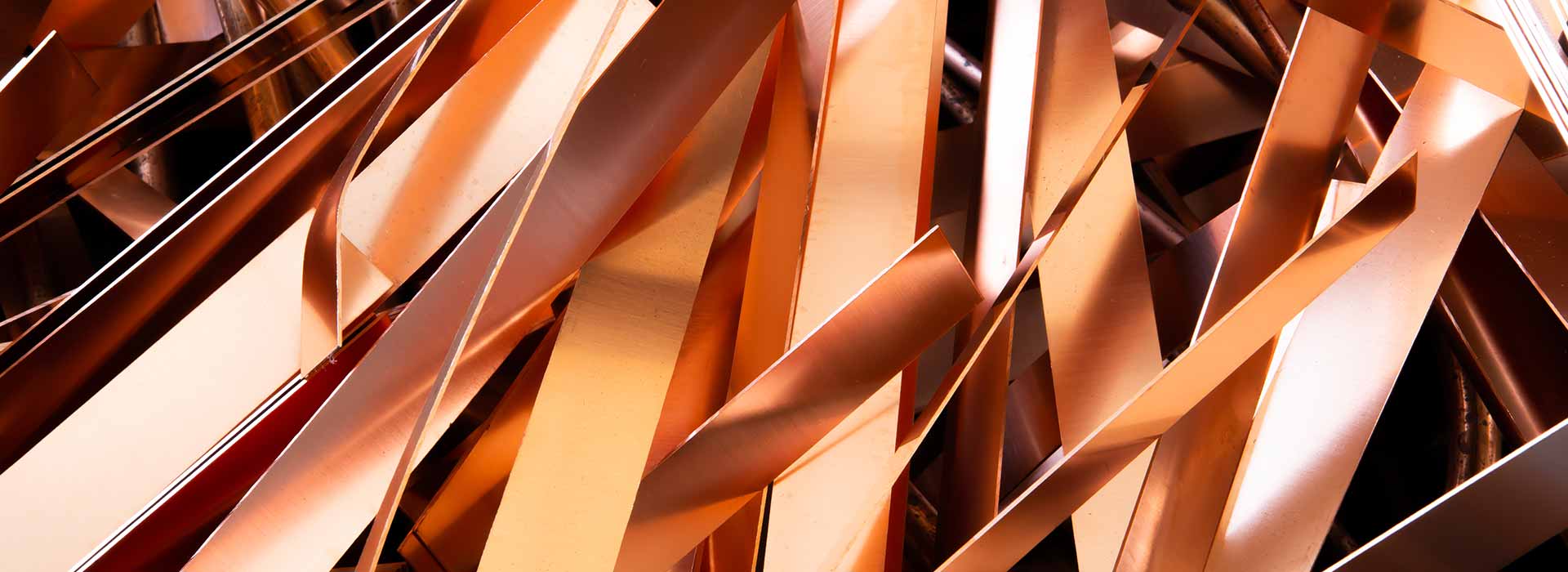
8011 nhôm lá mỏng là một vật liệu nhôm lá mỏng được sử dụng rộng rãi cho bao bì thực phẩm, bao bì dược phẩm, container, đóng cửa, cách nhiệt và chuyển đổi công nghiệp. phổ biến của nó đến từ một sự kết hợp thực tế của formability, hiệu suất rào cản, chống ăn mòn và phù hợp cho cán mỏng-gauge.
Tuy nhiên, người mua công nghiệp không nên chọn lá 8011 chỉ dựa trên số hợp kim.
Temper, độ dày, chiều rộng, độ sạch bề mặt, kiểm soát lỗ kim, chất lượng cuộn dây và yêu cầu xử lý hạ lưu đều có thể ảnh hưởng đến việc lá kim loại có hoạt động chính xác trên dây chuyền sản xuất hay không.
Hướng dẫn này giải thích lá nhôm 8011 là gì, nhiệt độ O và H18 khác nhau như thế nào, vật liệu thường được sử dụng ở đâu và người mua nên chỉ định gì trước khi yêu cầu báo giá.
Mục lục
8011 Aluminum Foil Câu trả lời nhanh
| Câu hỏi | Trả lời nhanh |
|---|---|
| Lá nhôm 8011 là gì? | Một hợp kim nhôm lá thường được sử dụng để đóng gói, container, đóng cửa, cách nhiệt và chuyển đổi công nghiệp. |
| 8011-O có mềm không? | Vâng. O tính khí được ủ và cung cấp khả năng định hình cao. |
| 8011-H18 có cứng không? | Có. H18 là một điều kiện cứng, căng thẳng cứng với độ giãn dài thấp hơn. |
| Tính khí nào tốt hơn để hình thành? | O tính khí nói chung là phù hợp hơn khi cần hình thành đáng kể. |
| Lá 8011 có thể được sử dụng để đóng gói thực phẩm không? | Có, khi vật liệu hoàn thiện tuân thủ các yêu cầu tiếp xúc với thực phẩm hiện hành. |
| Lá 8011 có thể được ép lớp không? | Vâng. nó có thể được ép vào màng nhựa, giấy, bọt và các vật liệu khác. |
| Người mua nên chỉ định những gì? | Hợp kim, nhiệt độ, độ dày, chiều rộng, bề mặt, mức lỗ kim, kích thước lõi, trọng lượng cuộn và ứng dụng cuối cùng. |
Lá Nhôm 8011 Là Gì?
8011 nhôm lá mỏng là một hợp kim nhôm thường được cung cấp ở dạng cán mỏng để đóng gói, hình thành, niêm phong, cách nhiệt và chuyển đổi các ứng dụng.
Nó thường được lựa chọn khi các nhà sản xuất cần một vật liệu có thể kết hợp trọng lượng thấp với sức mạnh hữu ích, hiệu suất hình thành tốt và khả năng rào cản cao.
Tùy thuộc vào sản phẩm cuối cùng, lá nhôm 8011 có thể là:
- Khe
- Làm lại
- Dập nổi
- In
- Sơn mài
- Nhiều lớp
- Hình thành
- Tráng
- Nhiệt kín
Huanhai Zhongke cung cấp Giấy bạc nhôm trong một số hợp kim, bao gồm 8011, 1235 và 8079, với nhiệt độ, độ dày và tùy chọn bề mặt khác nhau cho các ứng dụng đóng gói và công nghiệp.
Đối với người mua so sánh một số vật liệu nhôm thay vì một loại lá mỏng, Hướng dẫn lựa chọn hợp kim nhôm cung cấp một cái nhìn tổng quan rộng hơn về hợp kim, tính khí và lựa chọn hình thức sản phẩm.
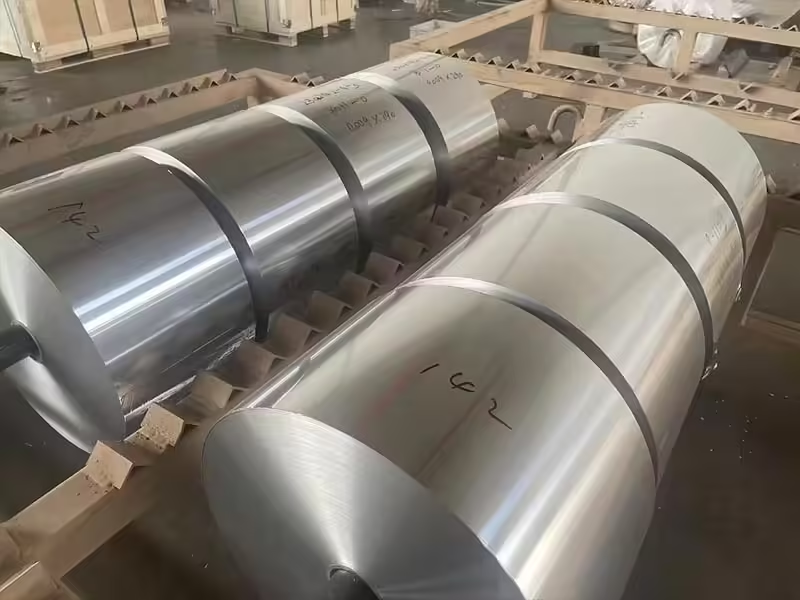
Tại Sao Lá Nhôm 8011 Được Sử Dụng Rộng Rãi?
Lá nhôm 8011 được sử dụng rộng rãi vì nó kết hợp khả năng định hình, hiệu suất rào cản, chống ăn mòn và khả năng tương thích với các quy trình chuyển đổi thông thường.
Những đặc tính này làm cho nó phù hợp cho cả sản phẩm lá thành phẩm và vật liệu composite.
Khả năng định hình tốt
Giấy bạc 8011 mềm có thể được gấp lại, dập nổi, ép và tạo thành các hình dạng khác nhau.
Điều này rất quan trọng đối với các ứng dụng như:
- Thùng đựng giấy bạc
- Khay đựng thức ăn
- Bao bì linh hoạt
- Đóng cửa
- Vật liệu nắp
Hiệu suất tạo hình thực tế phụ thuộc chủ yếu vào nhiệt độ, độ dày và dụng cụ.
Hiệu suất Barrier mạnh
Nhôm lá mỏng có thể cung cấp một rào cản hiệu quả chống lại:
- Ánh sáng
- Độ ẩm
- Oxy
- Mùi
- Mỡ bôi trơn
- Ô nhiễm bên ngoài
Đây là một lý do lá nhôm được kết hợp rộng rãi vào cấu trúc đóng gói.
Lá rất mỏng có thể chứa các lỗ kim cực nhỏ, vì vậy người mua nên chỉ định mức lỗ kim có thể chấp nhận được khi hiệu suất rào cản là rất quan trọng.
Chống ăn mòn
Nhôm tự nhiên phát triển một lớp oxit mỏng bảo vệ bề mặt của nó trong nhiều điều kiện dịch vụ bình thường.
Tuy nhiên, lá nhôm vẫn có thể bị ảnh hưởng bởi:
- Axit mạnh hoặc kiềm
- Tiếp xúc với muối
- Độ ẩm bị mắc kẹt
- Bề mặt bị ô nhiễm
- Tiếp xúc với vật liệu không tương thích
Do đó, lớp phủ hoặc cán màng có thể được yêu cầu cho các môi trường đòi hỏi khắt khe.
Trọng lượng thấp
Nhôm có mật độ tương đối thấp, và lá sử dụng rất ít kim loại trên một đơn vị diện tích bề mặt.
Điều này cho phép các nhà sản xuất bao bì và cách nhiệt đạt được độ che phủ lớn với trọng lượng vật liệu tương đối thấp.
Hiệu suất phản chiếu
Nhôm lá phản xạ nhiệt bức xạ và ánh sáng.
Vì tính chất này, nó thường được kết hợp vào:
- Mái cách nhiệt
- Cách điện HVAC
- Cách nhiệt ống
- Tấm phản quang
- Mặt cách nhiệt tòa nhà
Thông tin tổng quát hơn về các ứng dụng công nghiệp này có sẵn trong Huanhai Zhongke's Nhôm công nghiệp Foil cho Bao bì và Hướng dẫn cách nhiệt.
8011-O vs 8011-H18 Nhôm Lá
Sự khác biệt chính giữa 8011-O và 8011-H18 là độ cứng và khả năng định dạng. O tính khí mềm và dễ dàng hơn để hình thành, trong khi H18 là khó khăn hơn và cung cấp sự ổn định kích thước lớn hơn.
Sự khác biệt này đặc biệt quan trọng đối với người mua vì hai sản phẩm có cùng số hợp kim có thể hoạt động rất khác nhau trên thiết bị tạo hình hoặc cán màng.
| Tài sản | 8011-O | 8011-H18 |
|---|---|---|
| Điều kiện vật chất | Ủ | Căng thẳng cứng lại |
| Độ cứng tương đối | Thấp | Cao |
| Sự kéo dài | Cao hơn | Thấp hơn |
| Khả năng định hình | Rất tốt | Hạn chế hơn |
| Hình thành sâu | Tốt hơn | Ít phù hợp hơn |
| Độ ổn định kích thước | Thấp hơn | Cao hơn |
| Sử dụng điển hình | Container, cấu trúc linh hoạt | Các ứng dụng giấy cứng và cán |
Lá Nhôm 8011-O Là Gì?
8011-O là một lá nhôm ủ, mềm-temper được lựa chọn khi tính linh hoạt và hiệu suất hình thành là quan trọng.
Nó có thể phù hợp với:
- Hộp đựng thực phẩm
- Bao bì linh hoạt
- Sản phẩm lá định hình
- Cấu trúc nhiều lớp
- Giấy bạc gia dụng
- Một số ứng dụng đóng cửa
Bởi vì lá mỏng hơn, nó có thể chịu được biến dạng lớn hơn trước khi nứt so với vật liệu cứng-temper.
Lá Nhôm 8011-H18 Là Gì?
8011-H18 là một lá cứng-temper với sức mạnh cao hơn và độ giãn dài thấp hơn so với O temper.
Nó có thể được chọn cho:
- Cấu trúc lá cứng
- Một số ứng dụng nắp
- Tấm laminate công nghiệp
- Cấu trúc đóng gói đòi hỏi sự ổn định về kích thước
- Chuyển đổi các quá trình không yêu cầu hình thành sâu
H18 không nên tự động được chọn đơn giản vì nó mạnh hơn. nếu vật liệu cần hình thành đáng kể, độ dẻo thấp hơn của nó có thể trở thành một bất lợi.
Người Mua Nên Chọn Temper 8011 Nào?
Tính khí chính xác phụ thuộc vào những gì sẽ xảy ra với giấy bạc sau khi giao hàng.
Chọn a tính khí mềm mại hơn khi quá trình yêu cầu:
- Hình thành sâu
- Gấp
- Nhấn
- Dập nổi
- Biến dạng phức tạp
Chọn a tính khí khó hơn khi quá trình ưu tiên:
- Độ ổn định kích thước
- Độ cứng cao hơn
- Xử lý có kiểm soát
- Cán màng
- Biến dạng hạn chế
Nên cuộn thử bất cứ khi nào người mua thay đổi tính khí, độ dày hoặc nhà cung cấp.
Lá Nhôm 8011 Độ Dày Là Gì?
Lá nhôm 8011 có thể được sản xuất trong nhiều phạm vi độ dày tùy thuộc vào ứng dụng và khả năng sản xuất.
Huanhai Zhongke hiện liệt kê phạm vi độ dày tổng thể của lá nhôm là khoảng 0,006 mm đến 0,2 mm trên các sản phẩm giấy bạc của nó.
Độ dày ảnh hưởng đến:
- Sức mạnh
- Chống rách
- Khả năng định hình
- Cấp lỗ kim
- Hiệu suất rào cản
- Trọng lượng cuộn
- Tiêu thụ vật chất
- Chi phí sản xuất
Nhôm mỏng Foil
Lá mỏng thường được xem xét cho:
- Bao bì linh hoạt
- Cán màng
- Vật liệu composite
- Các ứng dụng gói
Ưu điểm chính của nó là trọng lượng thấp và giảm sử dụng vật liệu.
Những nhược điểm bao gồm độ nhạy cao hơn với:
- Vết nứt cạnh
- lỗ kim
- Nếp nhăn
- Web nghỉ
- Biến thiên căng thẳng
Lá khổ trung bình
Lá có độ dày trung bình có thể cung cấp sự kết hợp cân bằng hơn giữa tính linh hoạt và độ bền.
Nó có thể được sử dụng trong:
- Đeo
- Ứng dụng dịch vụ thực phẩm
- Tấm laminate công nghiệp
- Bao bì chung
Dày nhôm Foil
Lá dày hơn cung cấp độ cứng và khả năng chống đâm thủng tốt hơn.
Các ứng dụng điển hình có thể bao gồm:
- Khay
- Thùng chứa
- Bao bì hình thành
- Sản phẩm lá nặng
Người mua nên chọn độ dày dựa trên thành phẩm thay vì chỉ chọn thước đo chi phí thấp nhất.
Lá Nhôm 8011 Được Sử Dụng Để Làm Gì?
8011 nhôm lá mỏng có thể được sử dụng trong một số bao bì và các ứng dụng công nghiệp.
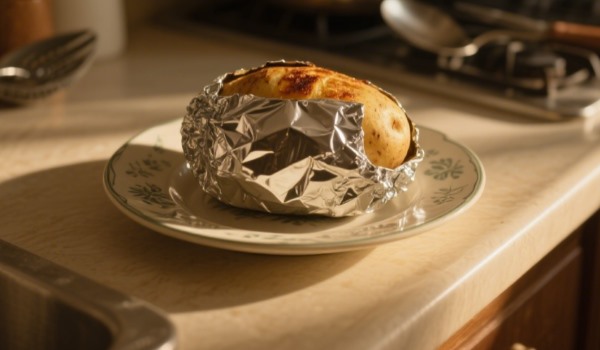
Bao bì thực phẩm
Lá nhôm 8011 thường được sử dụng trong bao bì thực phẩm vì nó cung cấp một rào cản mạnh mẽ chống lại ánh sáng, độ ẩm, oxy và dầu mỡ.
Ng dụng điển hình bao gồm:
- Hộp đựng thực phẩm
- Nắp lá
- Vật liệu bọc
- Lá phục vụ ăn uống
- Bao bì linh hoạt
- Bao bì composite
Đối với các ứng dụng liên quan đến tiếp xúc trực tiếp với thực phẩm, sự phù hợp của vật liệu phụ thuộc vào quy trình sản xuất hoàn chỉnh, xử lý bề mặt, lớp phủ và các quy định hiện hành.
Cục Quản lý Thực phẩm và Dược phẩm Hoa Kỳ cung cấp thông tin pháp lý liên quan thành phần thực phẩm và bao bì tiếp xúc với thực phẩm.
Người mua nên yêu cầu tài liệu tuân thủ cụ thể cần thiết cho thị trường của họ thay vì cho rằng chỉ riêng việc chỉ định hợp kim đã thiết lập sự tuân thủ tiếp xúc với thực phẩm.
Bao bì Dược phẩm
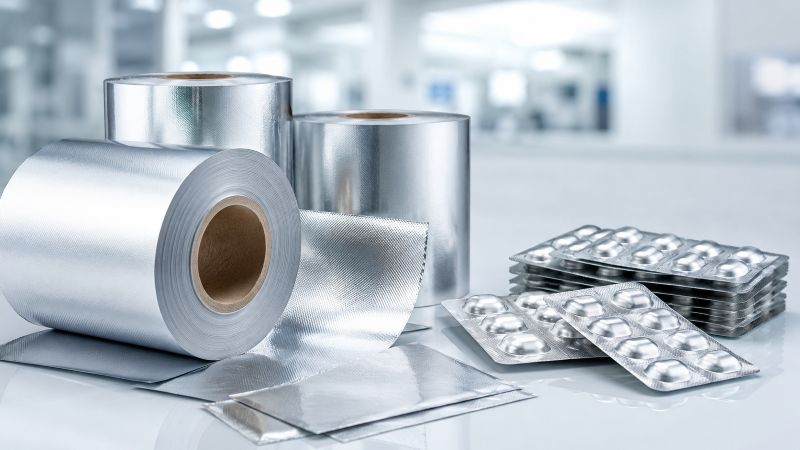
8011 lá cũng có thể được sử dụng trong một số cấu trúc bao bì dược phẩm.
Các ứng dụng có thể bao gồm:
- Nắp vỉ
- Bao bì dải
- Bao bì nhiều lớp
- Cấu trúc lá kín nhiệt
Bao bì dược phẩm thường đòi hỏi kiểm soát chất lượng chặt chẽ hơn so với bao bì chung.
Các yêu cầu quan trọng có thể bao gồm:
- Mức lỗ kim thấp
- Làm sạch bề mặt
- Độ dày được kiểm soát
- Lớp phủ nhất quán
- Hiệu suất sơn mài kín nhiệt
- Độ bám dính mực
- Khả năng truy xuất nguồn gốc
- Tài liệu quy định
Đặc điểm kỹ thuật chính xác nên được xác định theo hệ thống đóng gói cuối cùng.
Nhôm Foil Container
8011-O thường được xem xét cho các thùng chứa hình thành vì độ dẻo tương đối tốt của nó.
Hiệu suất sản xuất phụ thuộc vào:
- Nhiệt độ
- Độ dày
- Bôi trơn
- Dụng cụ
- Độ sâu hình thành
- Tình trạng bề mặt
Giấy bạc quá cứng có thể bị nứt trong quá trình dập hoặc vẽ.
Đóng chai
nhôm 8011 có thể được sử dụng trong một số cấu trúc đóng cửa nhất định mà nhà sản xuất yêu cầu:
- Khả năng định hình
- Hiệu suất in
- Độ bám dính lớp phủ
- Chất lượng bề mặt
- Tính nhất quán về kích thước
Hợp kim và nhiệt độ chính xác phải phù hợp với quá trình tạo hình đóng.
HVAC và cách nhiệt
Lá nhôm 8011 có thể được ép thành:
- Sợi thủy tinh
- Phim PE
- Bọt
- Giấy kraft
- Cách nhiệt bong bóng
- Vật liệu dệt
Trong các cấu trúc này, nhôm cung cấp hiệu suất phản chiếu và chống ẩm.
Giấy bạc có thể được sử dụng trong:
- ống dẫn HVAC
- Mái cách nhiệt
- Cách nhiệt ống
- Cách nhiệt tòa nhà
- Rào cản phản chiếu
8011 vs 1235 Nhôm Lá
8011 thường cung cấp độ bền cơ học cao hơn, trong khi 1235 thường được kết hợp với các ứng dụng đóng gói linh hoạt mỏng.
Cả hai hợp kim có thể được sử dụng trong bao bì, nhưng chúng không nên tự động được coi là có thể hoán đổi cho nhau.
| Nhân tố | 8011 Nhôm Lá | 1235 Nhôm Lá |
|---|---|---|
| Sức mạnh cơ học | Nói chung là cao hơn | Nói chung là thấp hơn |
| Khả năng đo mỏng | Tốt | Rất tốt |
| Khả năng định hình | Tốt trong tính khí thích hợp | Rất tốt |
| Sử dụng bao bì | Rộng rãi | Tập trung mạnh vào bao bì linh hoạt |
| Các ứng dụng container | Chung | Ít điển hình hơn |
| Tính linh hoạt công nghiệp | Cao | Mạnh mẽ trong các ứng dụng lá mỏng |
Một bộ chuyển đổi nên đánh giá hợp kim cùng với nhiệt độ và độ dày.
8011 vs 8079 Nhôm Lá
8011 được sử dụng rộng rãi trên các ứng dụng đóng gói và tạo hình chung, trong khi 8079 thường được xem xét khi cần có lá rất mỏng và hiệu suất tạo hình mạnh.
8079 có thể đưa ra những đặc điểm hữu ích cho:
- Bao bì linh hoạt
- Cấu trúc khổ mỏng
- Tấm mỏng
- Các ứng dụng yêu cầu độ giãn dài cao hơn
8011 vẫn là một lựa chọn linh hoạt cho:
- Thùng chứa
- Đóng cửa
- Bao bì thực phẩm
- Tấm laminate công nghiệp
- Chuyển đổi chung
Sự lựa chọn tốt nhất phụ thuộc vào thử nghiệm sản xuất và tính chất cơ học cần thiết.
Tại sao Pinholes quan trọng trong lá nhôm?
Lỗ kim là lỗ mở cực nhỏ có thể làm giảm hiệu suất rào cản của lá nhôm mỏng.
Chúng trở nên đặc biệt quan trọng khi lá được sử dụng để bảo vệ sản phẩm khỏi độ ẩm, oxy hoặc ô nhiễm.
Tại sao Pinholes xảy ra?
Nguyên nhân có thể bao gồm:
- Máy đo rất mỏng
- Lỗi cán
- Ô nhiễm bề mặt
- Hạt lạ
- Các khuyết tật nguyên liệu
- Xử lý hư hỏng
Lỗ kim luôn không được chấp nhận?
Không nhất thiết.
Đối với gói linh hoạt nhiều lớp, các lớp polymer bổ sung có thể góp phần nâng cao hiệu suất rào cản tổng thể.
Đối với bao bì dược phẩm hoặc nhạy cảm, có thể cần phải có yêu cầu về lỗ kim chặt chẽ hơn nhiều.
Thay vì chỉ viết “không có lỗ kim” trên một cuộc điều tra, người mua nên chỉ định:
- Phương pháp thử nghiệm
- Số lượng tối đa chấp nhận được
- Kích thước lỗ tối đa
- Khu vực kiểm tra
Điều này tạo ra một yêu cầu chất lượng có thể đo lường được.
Tại sao bề mặt sạch quan trọng
Chất lượng bề mặt đặc biệt quan trọng khi lá nhôm 8011 sẽ được in, tráng hoặc ép.
Dầu lăn dư hoặc ô nhiễm có thể giảm:
- Độ bám dính mực
- Độ bám dính lớp phủ
- Liên kết dính
- Niêm phong nhiệt
- Sức mạnh cán
Người mua nên nói với nhà cung cấp cách thức xử lý giấy bạc sau khi giao hàng.
Các khuyết tật bề mặt thường gặp
Các vấn đề điển hình bao gồm:
- Vết dầu
- Vết xước
- Đốm đen
- Nếp nhăn
- Dấu cuộn
- Dấu oxy hóa
- Hạt lạ
- Ngoại hình không đồng đều
Một khiếm khuyết có thể nhìn thấy có thể không ảnh hưởng đến mọi ứng dụng công nghiệp, nhưng nó có thể gây ra sự từ chối trong việc sử dụng bao bì và trang trí.
Bright Side vs Matte Side: Có sự khác biệt về hiệu suất không?
Lá nhôm rất mỏng thường có một mặt sáng và một mặt mờ vì quá trình cán.
Đối với nhiều ứng dụng chung, sự khác biệt về hình ảnh không có nghĩa là một bên về cơ bản là “tốt hơn.”
Tuy nhiên, bộ chuyển đổi có thể chỉ định một mặt cụ thể cho:
- In ấn
- Lớp phủ
- Cán màng
- Xuất hiện trang trí
Do đó, người mua nên chỉ định hướng cuộn dây khi cần thiết.
Chiều rộng cuộn và chất lượng rạch
Chiều rộng cuộn chính xác là điều cần thiết để chuyển đổi tốc độ cao.
Chiều rộng không chính xác có thể gây ra:
- Web lệch
- Cắt tỉa quá mức
- Máy ngừng hoạt động
- Tăng chất thải sản xuất
Các thông số mua hàng quan trọng bao gồm:
- Chiều rộng
- Dung sai chiều rộng
- gờ cạnh
- Đường kính lõi
- Đường kính ngoài cuộn
- Trọng lượng cuộn tối đa
Tại sao chất lượng cạnh quan trọng
Cạnh khe kém có thể gây ra:
- Rách lá
- Web nghỉ
- Cuộn dây không đều
- Ô nhiễm máy
- Vấn đề xử lý của người vận hành
Điều này ngày càng trở nên quan trọng khi độ dày lá giảm.
Tại sao chất lượng cuộn dây lại quan trọng
Một cuộn giấy bạc đủ điều kiện nên thư giãn trơn tru và duy trì căng thẳng ổn định.
Các vấn đề cuộn dây thường gặp bao gồm:
- Kính thiên văn
- Cuộn dây lỏng lẻo
- Cạnh không đều
- Nếp nhăn
- Chuyển động cốt lõi
Cuộn dây kém có thể gây lãng phí đáng kể ngay cả khi hợp kim và độ dày đúng về mặt kỹ thuật.
Các khuyết tật lá nhôm 8011 phổ biến
| Khiếm khuyết | Tác động sản xuất có thể có |
|---|---|
| lỗ kim | Giảm hiệu suất rào cản |
| Vết nứt cạnh | Web nghỉ |
| Nếp nhăn | Lỗi in và cán |
| Cặn dầu | Lớp phủ kém hoặc liên kết dính |
| Độ dày biến thiên | Cài đặt sản xuất không ổn định |
| Kính thiên văn | Khó tháo gỡ |
| Vết trầy xước bề mặt | Sự từ chối ngoại hình |
| Oxy hóa | Vấn đề bề mặt hoặc liên kết |
| Cuộn dây lỏng lẻo | Kiểm soát web kém |
Người mua công nghiệp nên kiểm tra giấy nhôm 8011 như thế nào?
Việc kiểm tra phải phù hợp với mục đích sử dụng cuối cùng đã định.
1. kiểm tra chiều
Kiểm tra:
- Độ dày
- Chiều rộng
- Đường kính cuộn
- Trọng lượng cuộn
- Đường kính lõi
- Dung sai chiều rộng
2. kiểm tra bề mặt
Kiểm tra cho:
- Vết xước
- Điểm
- Nếp nhăn
- lỗ kim
- Dầu
- Oxy hóa
- Các khuyết tật cạnh
3. tính chất cơ học
Tùy thuộc vào dự án, thử nghiệm có thể bao gồm:
- Độ bền kéo
- Sự kéo dài
- Độ cứng
- Khả năng định hình
4. chuyển đổi Hiệu suất
Đối với sản xuất khối lượng lớn, cuộn thử nghiệm thường là một trong những kiểm tra chất lượng hữu ích nhất.
Chạy giấy bạc qua thực tế:
- Dây chuyền in
- Máy ép
- Hình thành báo chí
- Máy dập nổi
- Thiết bị niêm phong
Chỉ riêng kết quả trong phòng thí nghiệm không phải lúc nào cũng có thể dự đoán được hành vi của dây chuyền sản xuất.
Tiêu chuẩn nào áp dụng cho lá nhôm?
Thông số kỹ thuật của lá nhôm khác nhau tùy theo thị trường, ứng dụng và hình thức sản phẩm.
Huanhai Zhongke liệt kê các tiêu chuẩn bao gồm EN 546 Và GB/T 3198 đối với các sản phẩm lá của nó.
EN 546 là một loạt tiêu chuẩn châu Âu bao gồm nhôm và nhôm-hợp kim lá. người mua làm việc theo thông số kỹ thuật châu Âu nên xác nhận phần nào và phiên bản hiện tại áp dụng cho sản phẩm của h.
Tổ chức tiêu chuẩn được quốc tế công nhận Tiêu chuẩn ISO cũng có thể được sử dụng làm điểm tham chiếu khi các dự án chỉ định các yêu cầu kiểm tra hoặc quản lý chất lượng dựa trên ISO.
Nguyên tắc mua sắm quan trọng rất đơn giản:
Luôn chỉ định tiêu chuẩn chính xác theo yêu cầu của dự án thay vì chỉ dựa vào số hợp kim.
Thông Tin Gì Bạn Nên Gửi Nhà Cung Cấp Nhôm Lá?
Một RFQ hoàn chỉnh nên bao gồm:
- Hợp kim
- Nhiệt độ
- Độ dày
- Dung sai độ dày
- Chiều rộng
- Dung sai chiều rộng
- Số lượng
- Đường kính trong lõi
- Trọng lượng cuộn tối đa
- Giới hạn đường kính ngoài cuộn
- Tình trạng bề mặt
- Định hướng sáng/mờ nếu cần
- Yêu cầu lỗ kim
- Yêu cầu về độ ẩm hoặc độ sạch
- Quá trình in, phủ hoặc cán
- Tiêu chuẩn áp dụng
- Yêu cầu tuân thủ
- Phương pháp đóng gói
- Điểm đến
- Lịch giao hàng
Việc cung cấp ứng dụng cuối cùng là đặc biệt có giá trị.
Ví dụ:
Lá nhôm 8011-O, 0,05 mm × 500 mm, cho hộp đựng thực phẩm được kéo sâu
hữu ích hơn nhiều đối với nhà cung cấp hơn:
Cần 8011 giá lá.
Cách Chọn Nhà Cung Cấp Giấy Nhôm 8011
Một nhà cung cấp đủ điều kiện sẽ có thể thảo luận nhiều hơn giá cả.
Người mua nên đánh giá xem nhà cung cấp có thể kiểm soát được không:
Hợp kim và Temper Consistency
Vật liệu được cung cấp theo cùng một thông số kỹ thuật phải mang lại hiệu suất cơ học ổn định giữa các lô sản xuất.
Độ dày và Chiều rộng
Sự thay đổi có thể ảnh hưởng đến việc tạo hình, lớp phủ và cài đặt máy.
Chất lượng bề mặt
Các nhà sản xuất bao bì yêu cầu bề mặt sạch sẽ và sự xuất hiện ổn định.
Xả băng và tua lại
Chất lượng cạnh và độ ổn định cuộn dây ảnh hưởng trực tiếp đến chuyển đổi tốc độ cao.
Tài liệu
Tùy theo dự án, người mua có thể yêu cầu:
- Giấy chứng nhận kiểm tra Mill
- Thành phần hóa học
- Tính chất cơ học
- Kiểm tra kích thước
- Danh sách đóng gói
- Tài liệu tuân thủ
- Kiểm tra của bên thứ ba
Xuất khẩu Bao bì
Lá mỏng có thể dễ dàng bị hư hỏng bởi:
- Độ ẩm
- Tác động cạnh
- Nén
- Xử lý không đúng
Do đó, bao bì phải phù hợp với cả tuyến đường vận chuyển và cách dỡ cuộn.
Những sai lầm mua hàng phổ biến
Chỉ mua theo số hợp kim
“8011” không định nghĩa tính khí, độ dày hay tình trạng bề mặt.
Luôn chỉ định yêu cầu vật liệu hoàn chỉnh.
Chọn lá mỏng nhất để giảm chi phí
Giảm độ dày có thể tăng:
- lỗ kim
- Nước mắt
- Máy ngừng hoạt động
- Hình thành các thất bại
- Phế liệu sản xuất
Lá rẻ nhất trên mỗi kg có thể không tạo ra chi phí thành phẩm thấp nhất.
Bỏ qua quá trình chuyển đổi cuối cùng
Một lá để in có các yêu cầu bề mặt khác với lá để vẽ sâu.
Luôn nói với nhà cung cấp về mục đích sử dụng cuối cùng.
Bỏ qua kích thước lõi
Lõi phải vừa với thiết bị tháo cuộn.
Một cuộn giấy bạc đủ tiêu chuẩn với đường kính lõi sai vẫn có thể không sử dụng được trên dây chuyền sản xuất.
Bỏ qua sản xuất thử nghiệm
Một cuộn thử nghiệm có thể tiết lộ các vấn đề với:
- Khả năng định hình
- Căng thẳng máy
- Cán màng
- In ấn
- Niêm phong
- Quanh co
trước khi một đơn hàng lớn được sản xuất.
Câu Hỏi Thường Gặp Về 8011 Nhôm Lá
Lá nhôm 8011 có phù hợp để đóng gói thực phẩm không?
Có. lá nhôm 8011 thường được sử dụng trong bao bì thực phẩm và hộp đựng. Tuy nhiên, sự phù hợp tiếp xúc với thực phẩm phụ thuộc vào vật liệu hoàn thiện, lớp phủ, quá trình chế biến và việc tuân thủ các quy định của thị trường đích.
Sự khác biệt giữa 8011-O và 8011-H18 là gì?
8011-O mềm hơn và có hình dạng hơn, trong khi 8011-H18 cứng hơn và có độ giãn dài thấp hơn. Nhiệt độ O thường được ưu tiên để tạo hình, trong khi H18 phù hợp hơn với các ứng dụng đòi hỏi độ cứng hoặc độ ổn định kích thước cao hơn.
Tôi nên sử dụng tính khí nào cho hộp đựng giấy nhôm?
O tính khí thường được lựa chọn khi cần hình thành đáng kể. Lựa chọn cuối cùng cũng nên xem xét độ dày, độ sâu tạo hình và dụng cụ.
8011 có tốt hơn lá nhôm 1235 không?
Cả hai hợp kim đều không tốt hơn. 8011 thường cung cấp độ bền cơ học cao hơn, trong khi 1235 được sử dụng rộng rãi trong các cấu trúc đóng gói linh hoạt rất mỏng.
8011 hay 8079 tốt hơn cho bao bì linh hoạt?
Cả hai đều có thể phù hợp. 8079 thường được xem xét cho lá rất mỏng và các ứng dụng đòi hỏi độ giãn dài tốt, trong khi 8011 rất linh hoạt trong bao bì, thùng chứa và sử dụng công nghiệp.
Tại sao lá nhôm phát triển lỗ kim?
Pinholes có thể là kết quả của thước đo rất mỏng, hạt, khuyết tật bề mặt và điều kiện lăn. tầm quan trọng của chúng phụ thuộc vào yêu cầu rào cản của thành phẩm.
Tại sao lá nhôm bị rách trong quá trình chế biến?
Các nguyên nhân phổ biến bao gồm các cạnh bị hư hỏng, độ căng của màng quá mức, nhiệt độ không phù hợp, thước đo mỏng, cuộn dây kém hoặc máy bị lệch.
Lá nhôm 8011 có thể được ép lớp?
Vâng. Nó có thể được ép bằng nhựa, giấy, vật liệu cách nhiệt và các chất nền khác khi yêu cầu về độ sạch và độ bám dính bề mặt được kiểm soát đúng cách.
Lá nhôm 8011 có thể in được không?
Có, nhưng điều kiện bề mặt, độ sạch, xử lý và khả năng tương thích mực phải được kiểm soát để đạt được hiệu suất in ổn định.
Tôi nên mua độ dày của lá nhôm 8011 là bao nhiêu?
Không có độ dày tốt nhất phổ quát. thước đo chính xác phụ thuộc vào việc lá sẽ được sử dụng cho bao bì linh hoạt, thùng chứa, nắp, cách nhiệt hay ứng dụng khác.
Tôi nên gửi gì khi yêu cầu báo giá?
Cung cấp hợp kim, nhiệt độ, độ dày, chiều rộng, số lượng, kích thước lõi, trọng lượng cuộn, yêu cầu bề mặt, ứng dụng cuối cùng, tiêu chuẩn áp dụng và đích đến.
Phần kết luận
8011 nhôm lá mỏng là một vật liệu linh hoạt cho bao bì, container, đóng cửa, cách nhiệt và chuyển đổi công nghiệp.
Quyết định mua hàng quan trọng nhất không chỉ đơn giản là có nên sử dụng lá nhôm 8011 hay không. người mua cũng phải chọn đúng nhiệt độ, độ dày, tình trạng bề mặt, kích thước cuộn và yêu cầu chất lượng.
8011-O nói chung là phù hợp hơn cho các ứng dụng đòi hỏi khả năng định dạng cao, trong khi 8011-H18 cung cấp độ cứng và ổn định kích thước lớn hơn. độ dày nên được lựa chọn theo hình thành, rào cản và yêu cầu máy chứ không phải là giá một mình.
Đối với các đơn đặt hàng công nghiệp, người mua cũng nên xác định giới hạn lỗ kim, độ sạch bề mặt, chất lượng rạch, kích thước lõi và bao bì xuất khẩu trước khi sản xuất.
Huanhai Zhongke cung cấp sản phẩm nhôm lá mỏng trong nhiều hợp kim, nhiệt độ, độ dày và chiều rộng cho các ứng dụng đóng gói và công nghiệp. bạn cũng có thể khám phá rộng hơn của công ty Sản phẩm nhôm phạm vi hoặc liên hệ với đội ngũ bán hàng với hợp kim, tính khí, kích thước, số lượng và ứng dụng cuối cùng của bạn để yêu cầu báo giá cụ thể cho dự án.
 Vietnamese
  English
  Korean
  Arabic