
Table of Contents
Threaded steel is a critical fastening and anchoring material widely used in construction, infrastructure, and industrial projects. As a professional manufacturer, we focus on delivering high-strength threaded rods with stable quality, precise tolerances, and reliable global supply.
This guide explains how threaded steel rods are manufactured, where they are used, how to choose the right specifications, and why sourcing directly from a factory helps reduce cost and risk for B2B buyers.
What Is Threaded Steel?
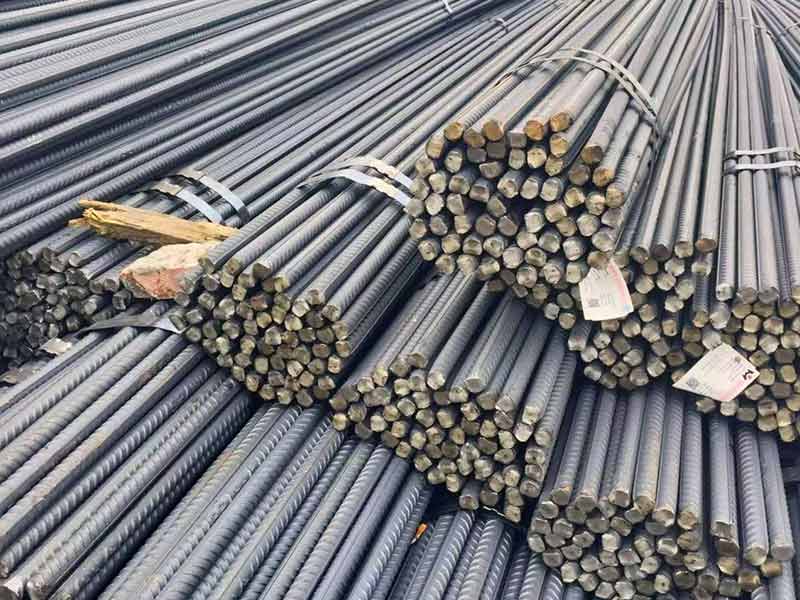
Threaded steel refers to metal rods or bars manufactured with continuous or partial threads along the surface, allowing them to work together with nuts, washers, and anchoring systems. The threaded structure provides secure fastening, adjustability, and excellent load distribution.
Compared with smooth bars or traditional rebar, threaded rods are easier to install and adjust, making them a preferred choice for structural connections and anchoring applications.
Common product forms include:
- Fully threaded rods
- Partially threaded rods
- Precision-threaded bars for structural use
Types of Threaded Rods Manufactured for Industrial Use
As a factory-based supplier, we manufacture different material grades to meet various engineering and environmental requirements.
Carbon Steel Rods
Carbon steel threaded rods are widely used due to their strong mechanical performance and cost efficiency. They are suitable for general construction and anchoring systems.
Alloy Steel Rods
Alloy steel options are designed for higher load capacity and demanding conditions, commonly used in infrastructure and heavy industrial projects.
Stainless Steel Rods
Stainless steel threaded rods offer excellent corrosion resistance and are ideal for outdoor, marine, and chemical environments.
Specifications and International Standards
Selecting the correct specifications is essential for safety and performance.
Sizes and Diameters
Products are available in both metric and imperial dimensions, with flexible length options.
Thread Forms and Accuracy
We produce metric, UNC, and UNF threads with controlled tolerances to ensure compatibility and installation reliability.
Standards Compliance
Manufacturing follows international standards such as ASTM, DIN, and ISO, depending on project requirements.
Manufacturing Process and Technical Control
Quality begins at the factory level.
Raw Material Control
Qualified steel materials are selected to ensure consistent strength and durability.
Thread Forming Technology
Thread rolling is commonly used to improve fatigue resistance and mechanical integrity compared to cutting methods.
Heat Treatment and Inspection
Heat treatment enhances performance, while in-house inspections ensure dimensional accuracy and mechanical consistency.
Surface Treatment and Corrosion Protection
Surface treatment is selected based on the service environment.
Galvanized Rods
Hot-dip galvanizing provides long-term corrosion resistance for outdoor and structural use, while electro-galvanizing is suitable for indoor applications.
Other Finishes
Black oxide and customized coatings are available for specific engineering needs.
Typical Applications in Construction and Industry
Threaded rods are widely used in:
Construction and Infrastructure
- Concrete anchoring
- Structural connections
- Foundation systems
Industrial Equipment
- Machinery installation
- Steel frameworks
- Mechanical fastening
Custom solutions are available based on drawings or project specifications.
How to Choose the Right Product for Your Project
Key selection factors include:
Load and Strength Requirements
Confirm tensile and yield strength according to engineering design.
Environmental Exposure
Choose material grade and surface treatment based on corrosion risk.
Certification Needs
Ensure compliance with local and project-specific standards.
Why Source Directly from a Manufacturer
Buying directly from a factory offers clear advantages:
- Stable and consistent quality
- Flexible customization
- Competitive pricing
- Shorter lead times
Factory-direct supply also ensures full traceability from raw material to finished product.
Custom Manufacturing Capabilities
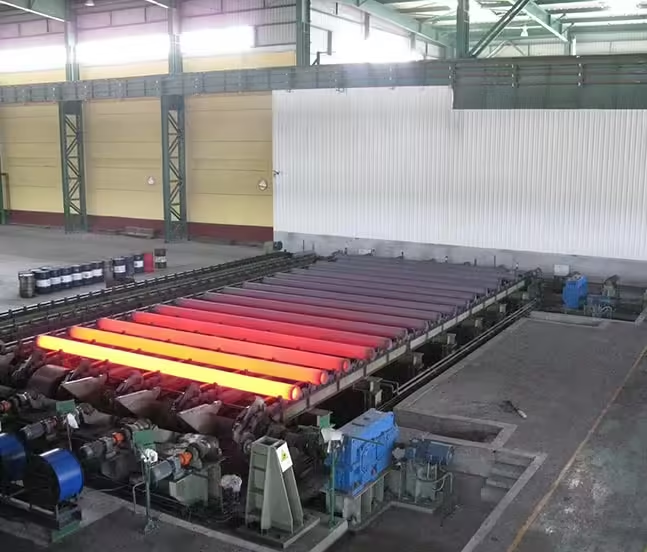
We provide OEM and custom solutions for global buyers.
| Custom Item | Options Available |
|---|---|
| Diameter & Length | Standard or customized |
| Material Grade | Carbon, alloy, stainless |
| Thread Type | Metric, UNC, UNF |
| Surface Finish | Galvanized, black oxide, custom |
| Packaging | Export-ready options |
Bulk orders and project-based production are fully supported.
Quality Control and Testing
Every batch undergoes strict inspection, including:
- Mechanical property testing
- Thread and dimensional checks
- Mill Test Certificates upon request
Quality control is integrated throughout the production process.
How to Place an Order
For quotation and production planning, please provide:
- Required dimensions
- Material grade
- Quantity
- Surface finish
- Destination market
Our technical team will assist with specifications, production schedule, and delivery coordination.
Conclusion
High-quality threaded rods play a vital role in ensuring structural safety and long-term performance across construction and industrial projects. Choosing an experienced manufacturer helps reduce sourcing risk while ensuring consistent quality and reliable delivery.
As a factory specializing in precision-manufactured fastening products, we are committed to providing durable, customizable solutions for global customers. Contact us today to discuss your project requirements and receive a professional quotation directly from the manufacturer.
FAQ
What is threaded steel used for?
It is commonly used for anchoring, structural connections, and fastening in construction, infrastructure, and industrial applications where high strength and adjustability are required.
What is the difference between threaded steel and rebar?
Rebar is mainly used for concrete reinforcement, while threaded steel is designed for mechanical fastening and anchoring using nuts and washers, offering easier installation and adjustment.
What materials are available for threaded steel products?
Common materials include carbon steel, alloy steel, and stainless steel, each suitable for different load requirements and environmental conditions.
How do I choose the right threaded steel rod for my project?
Selection depends on load capacity, environmental exposure, required standards, and surface treatment such as galvanizing or coating.
Can threaded steel be customized by the manufacturer?
Yes. Manufacturers can provide custom sizes, thread types, material grades, surface finishes, and packaging based on project specifications.
Need Help Choosing the Right Threaded Steel Solution?
If you’re unsure which specifications, material grade, or surface finish best suit your project, our manufacturing experts are here to support you. We provide professional guidance, custom production options, and reliable factory-direct supply for construction and industrial applications.
Contact us today for a personalized consultation and quotation. Ensure your project is built with high-quality, standards-compliant steel products you can trust. Don’t compromise on performance—get in touch now and work directly with an experienced manufacturer.
 English
  Korean
  Arabic
  Vietnamese