

Key Takeaways:
- Global steel production reached 1.95 billion metric tons in 2024, with China contributing 54% of total output (World Steel Association)
- Carbon steel accounts for approximately 90% of global steel consumption, making it the most critical material category for industrial buyers
- Understanding ASTM, EN, JIS, and GB standards can reduce procurement costs by 15-25% by matching specifications correctly
- The shift toward green steel production is projected to increase sustainable material availability by 35% by 2030
- Proper steel grade selection based on mechanical properties can extend product lifespan by 40-60%
Table of Contents
Introduction
The global steel market continues to evolve rapidly as industries demand higher-performance materials for construction, manufacturing, and infrastructure projects. For procurement professionals and technical buyers, understanding the complex landscape of steel materials is essential for making cost-effective purchasing decisions.
In 2026, the steel industry faces unprecedented challenges: fluctuating raw material prices, tightening environmental regulations, and increasingly specialized application requirements. According to McKinsey & Company’s 2025 Industrial Materials Outlook, companies that invest in comprehensive steel knowledge achieve an average cost reduction of 18% in their procurement cycles while experiencing 30% fewer quality-related disputes with suppliers.
This comprehensive steel materials guide serves as your definitive reference for navigating the 2026 steel market. Whether you’re sourcing structural steel for construction projects, corrosion-resistant materials for marine applications, or high-strength alloys for automotive manufacturing, this guide provides the technical foundation and strategic insights you need.
The steel industry represents approximately $1.2 trillion in annual global trade, making informed sourcing decisions critical for business success. By understanding steel types, international standards, and selection criteria, you can transform steel procurement from a commodity purchase into a strategic advantage.
What Are Steel Materials?
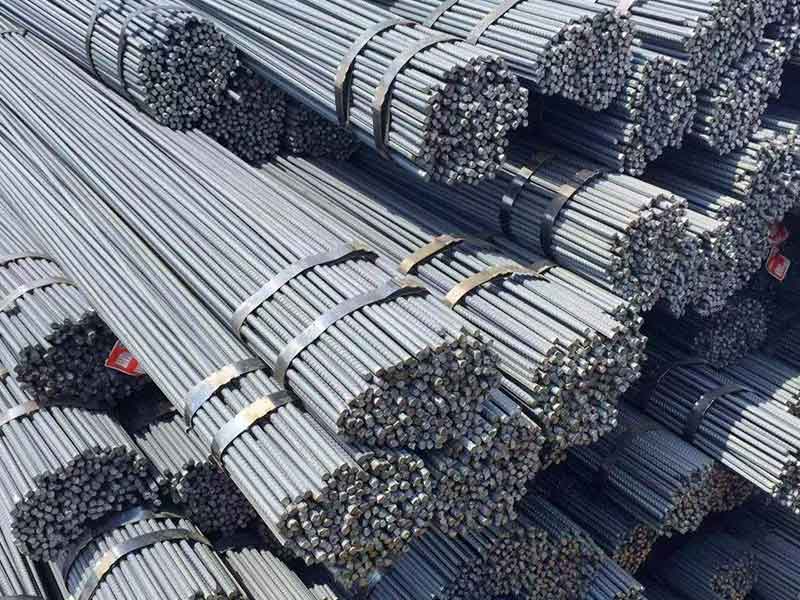
Steel materials are iron-based alloys containing controlled amounts of carbon and other elements that determine their mechanical properties, corrosion resistance, and suitability for specific applications. The International Iron and Steel Institute defines steel as having a carbon content typically below 2%, which distinguishes it from cast iron and other iron alloys.
The fundamental classification of steel materials depends on several key factors:
- Chemical composition: The percentage of carbon and alloying elements defines the steel’s core characteristics
- Manufacturing process: From basic oxygen furnaces to electric arc furnaces, production methods significantly impact final material properties
- Heat treatment: Quenching, tempering, and annealing processes allow precise control over hardness and ductility
- Surface condition: Mill finish, galvanized, or coated surfaces determine corrosion resistance and aesthetic properties
Structural steel represents a critical category designed specifically for load-bearing applications in construction and infrastructure. According to the American Institute of Steel Construction (AISC), structural steel must meet strict requirements for yield strength, tensile strength, and elongation to ensure building safety.
Modern steel production has evolved significantly since Henry Bessemer’s 1856 invention of the Bessemer Process, which revolutionized mass steel production. Today’s advanced metallurgical techniques enable manufacturers to produce steels with precisely controlled properties for demanding applications ranging from skyscraper frameworks to surgical instruments.
For B2B buyers, understanding these fundamental distinctions is the first step toward effective steel procurement. The right material choice can mean the difference between a successful project and costly failures.
Major Types of Steel Materials Explained
Selecting the appropriate steel type requires understanding the distinct properties and applications of each category. This section provides detailed analysis of the four primary steel classifications that comprise the majority of industrial procurement.
Carbon Steel
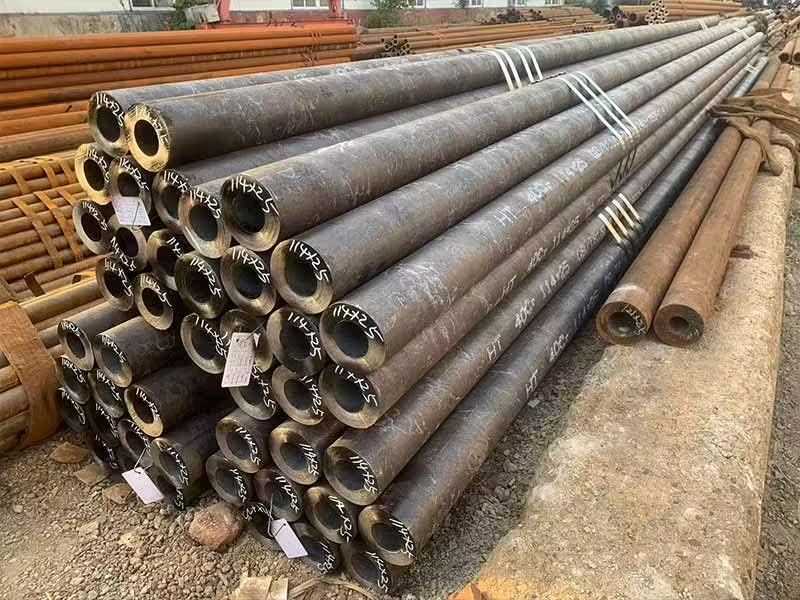
Carbon steel represents the most widely produced and consumed steel category globally, accounting for approximately 90% of total steel usage according to World Steel Association data. This dominance stems from carbon steel’s excellent balance of strength, machinability, and cost-effectiveness.
Carbon steel is further categorized by carbon content:
| Category | Carbon Content | Primary Applications | Key Characteristics |
|---|---|---|---|
| Low Carbon Steel | 0.05-0.25% | Structural beams, automotive panels, general machinery | Excellent formability, weldability; moderate strength |
| Medium Carbon Steel | 0.25-0.60% | Axles, gears, railway components | Higher strength with acceptable ductility |
| High Carbon Steel | 0.60-1.25% | Cutting tools, springs, high-strength wires | Maximum hardness and wear resistance |
Low carbon steel dominates industrial applications due to its versatility and cost advantages. For structural applications requiring steel materials with reliable strength, low carbon variants offer yield strengths ranging from 250-400 MPa, sufficient for most construction requirements while maintaining excellent weldability and formability.
According to Metallurgy for Engineers, the addition of manganese (typically 0.6-1.65%) improves hardenability and tensile strength, making manganese-carbon steels particularly suitable for structural components requiring enhanced mechanical properties.
Key advantages for buyers:
- Cost-effective pricing averaging $600-900 per metric ton for hot-rolled coils in 2025
- Extensive global supply with over 1,400 active producers worldwide
- Standardized specifications simplify quality verification
- Excellent machinability reduces fabrication costs
Limitations to consider:
- Susceptibility to corrosion in humid or chemical environments
- Limited heat resistance above 400°C
- Cannot achieve the extreme hardness of tool steels
[Internal Link Suggestion: Link to Carbon Steel Coil product page]
Stainless Steel
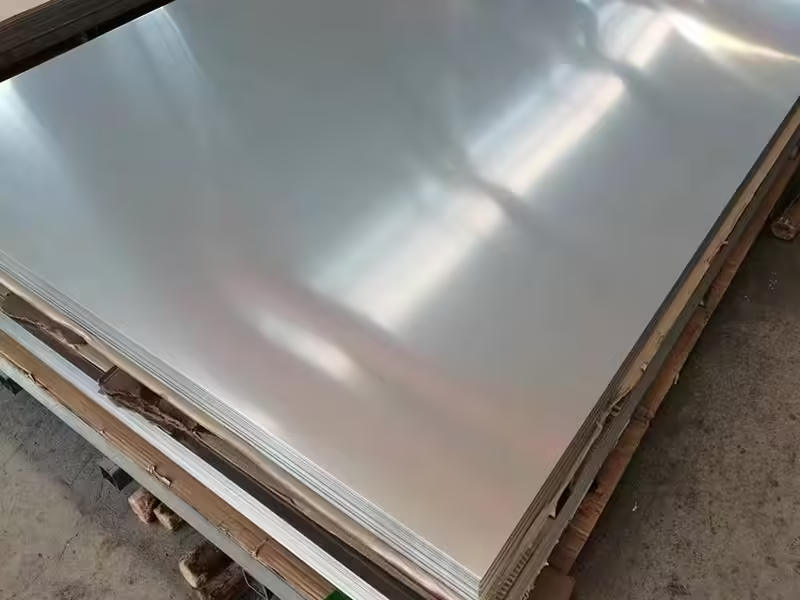
Stainless steel distinguishes itself through its exceptional corrosion resistance, achieved through a minimum chromium content of 10.5%. The chromium forms a passive oxide layer on the surface that protects against rust and staining, making this material category essential for applications requiring hygiene, durability, and aesthetic appeal.
The global stainless steel market was valued at approximately $120 billion in 2024, with projected growth to $160 billion by 2030 according to Allied Market Research. This growth reflects increasing demand from construction, automotive, and medical device manufacturing sectors.
| Grade Series | Key Alloys | Typical Applications | Corrosion Resistance |
|---|---|---|---|
| 300 Series (Austenitic) | 18% Cr, 8% Ni | Food processing, chemical tanks, medical implants | Excellent; suitable for most environments |
| 400 Series (Ferritic) | 12-18% Cr | Automotive exhaust, architectural trim | Good; limited to mild environments |
| 200 Series (Austenitic) | Chromium-Manganese | Kitchenware, appliances | Moderate; cost-effective alternative |
The 300 series, particularly grades 304 and 316, dominates commercial applications. Grade 304 stainless steel (containing 18% chromium and 8% nickel) offers excellent corrosion resistance for general-purpose applications, while Grade 316 (with added 2% molybdenum) provides superior resistance to chlorides and acidic environments, making it ideal for marine and chemical processing applications.
Industry insight: According to the Specialty Steel Industry of North America, 316L (low-carbon variant) now represents 35% of all austenitic stainless steel orders, reflecting growing demand for welded components in corrosive environments.
Decision factors for buyers:
- Initial cost is 3-5 times higher than carbon steel
- Lifecycle cost analysis often favors stainless steel due to reduced maintenance
- Temperature resistance up to 870°C for continuous service
- Recyclability value of approximately 70-80% of original cost
[Internal Link Suggestion: Link to Stainless Steel Coil product page]
Galvanized Steel
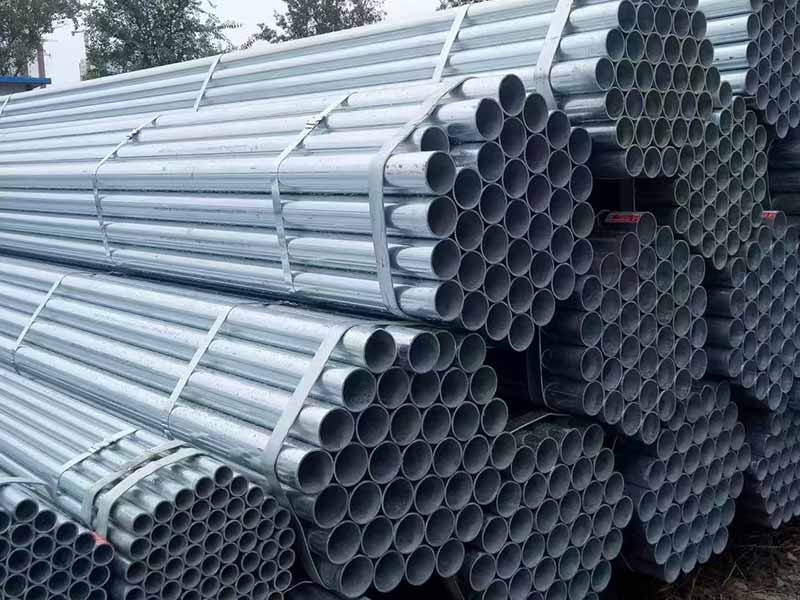
Galvanized steel combines steel’s structural strength with zinc coating’s corrosion protection, creating a material ideal for outdoor, automotive, and agricultural applications. The hot-dip galvanizing process, which involves immersing steel in molten zinc at approximately 450°C, creates a metallurgical bond that provides both barrier protection and sacrificial corrosion resistance.
Global galvanized steel production reached 380 million metric tons in 2024, representing approximately 19% of total flat steel output according to World Steel Association statistics. This growth is driven primarily by automotive lightweighting initiatives and construction industry demand for durable building materials.
Galvanized steel offers several distinct advantages:
- Service life of 50+ years in rural environments and 20-25 years in urban/industrial settings according to American Galvanizers Association research
- Self-healing properties: Zinc sacrifices itself to protect steel at scratches and cut edges
- Coating weights range from Z90 (90 g/m²) to Z700 (700 g/m²) for extreme environments
- Available in various surface finishes: regular spangle, minimized spangle, zero spangle, and smooth
The automotive industry represents the fastest-growing segment, with galvanized steel adoption increasing by 12% annually as manufacturers pursue vehicle corrosion warranties exceeding 12 years. Advanced high-strength galvanized steel enables lighter vehicle designs while meeting stringent corrosion standards.
Buyer considerations:
- Coating weight selection depends on intended service environment
- Galvannealed variants (zinc-iron alloy coating) offer superior paint adhesion for automotive applications
- Welding requires specialized techniques to manage zinc fumes
- Storage considerations: wet stacking can cause white rust formation
[Internal Link Suggestion: Link to Galvanized Steel Coil product page]
Alloy Steel
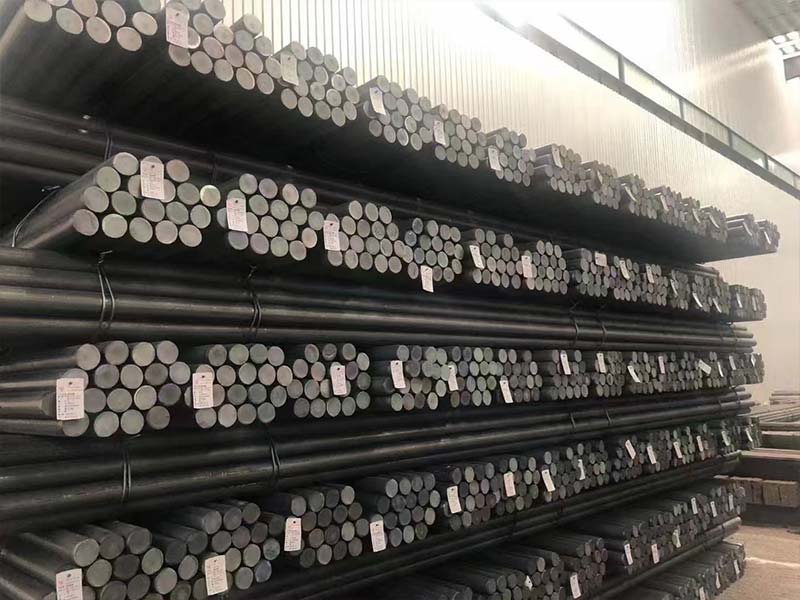
Alloy steels incorporate deliberately added elements—such as chromium, molybdenum, nickel, vanadium, and boron—to achieve specific mechanical properties unattainable with carbon steel alone. These materials serve demanding applications requiring high strength, toughness, wear resistance, or temperature resistance.
The global alloy steel market is projected to reach $175 billion by 2028, growing at a 5.2% CAGR according to Global Industry Analysts. This growth reflects increasing demand from aerospace, energy, and heavy equipment manufacturing sectors.
| Alloying Element | Typical Addition | Primary Benefits | Common Applications |
|---|---|---|---|
| Chromium | 0.5-13% | Hardness, wear resistance, corrosion resistance | Tool steel, stainless steel |
| Molybdenum | 0.2-5% | High-temperature strength, hardenability | Aircraft components, oil country tubular goods |
| Nickel | 0.3-5% | Toughness, corrosion resistance | Structural steel, pressure vessels |
| Vanadium | 0.1-0.5% | Grain refinement, strength | Spring steel, high-strength low-alloy (HSLA) steel |
| Boron | 0.0005-0.003% | Hardenability enhancement | Heavy-duty components |
HSLA (High-Strength Low-Alloy) steels represent a major category offering yield strengths of 300-700 MPa with only 1-2% total alloying elements. These materials enable weight reduction in automotive and structural applications while maintaining formability.
Technical insight: According to ASM International, the combination of niobium, vanadium, and titanium microalloying can achieve yield strengths exceeding 550 MPa in hot-rolled plate products, reducing material thickness requirements by 15-20%.
Selection criteria for alloy steels:
- Application temperature range: Some alloys maintain properties at extreme temperatures
- Weldability requirements: Certain alloys require preheating and post-weld heat treatment
- Machinability considerations: Lead or sulfur additions improve machinability but reduce toughness
- Cost-benefit analysis: Higher alloy costs justified by performance improvements
International Steel Standards Explained
Understanding international steel standards is essential for global procurement, as specifications directly impact material compatibility, quality verification, and regulatory compliance. Misunderstanding standards can result in costly specification mismatches, rejected shipments, and project delays.
ASTM Standards (American Society for Testing and Materials)
ASTM International develops voluntary consensus standards recognized globally for steel materials. ASTM specifications provide detailed requirements for chemical composition, mechanical properties, testing methods, and inspection procedures.
Key ASTM steel standards include:
| Standard | Material Type | Typical Applications | Critical Properties |
|---|---|---|---|
| A36/A36M | Carbon structural steel | Buildings, bridges, general structures | Yield strength ≥ 250 MPa |
| A572/A572M | HSLA columbium-vanadium steel | Welded structures, cranes | Yield strength 345-450 MPa |
| A588/A588M | Weathering steel | Outdoor structures | Enhanced atmospheric corrosion resistance |
| A240/A240M | Stainless steel plate/sheet | Chemical processing, food industry | Corrosion resistance per grade |
| A500/A500M | Cold-formed welded steel tubing | Structural support systems | Square, round, and shaped sections |
Practical guidance: ASTM A36 remains the most commonly specified structural steel globally, with annual consumption exceeding 25 million tons in North America alone. For projects requiring structural steel guide specifications, A36 offers reliable availability and competitive pricing.
According to ASTM International, over 12,000 ASTM standards are currently active, with approximately 800 specifically addressing steel and steel products. When requesting quotations, always specify the complete ASTM designation including the revision year to ensure specification alignment.
EN Standards (European Norm)
European Standards (EN) govern steel materials throughout the European Union and are widely recognized in international trade. The EN 10025 series covers hot-rolled structural steel products, while EN 10028 addresses pressure vessel steels.
Primary EN steel standards:
| Standard | Scope | Key Grades | Application Sectors |
|---|---|---|---|
| EN 10025-2 | Non-alloy structural steels | S235, S275, S355 | Construction, infrastructure |
| EN 10025-3 | Normalized/normalized rolled steels | S275N, S355N, S420N | Low-temperature applications |
| EN 10028-2 | Pressure vessel steels | P235GH, P265GH, P355GH | Boiler and pressure vessel |
| EN 10088 | Stainless steels | 1.4301 (304), 1.4401 (316) | Corrosion-resistant applications |
Conversion insight: EN S355 (minimum yield strength 355 MPa) corresponds approximately to ASTM A572 Grade 50, though chemical composition and testing differences require careful verification. The European standard emphasizes minimum specified values while ASTM standards often specify maximum values for certain elements.
JIS Standards (Japanese Industrial Standards)
Japanese Industrial Standards provide comprehensive specifications widely adopted throughout Asia-Pacific markets. JIS standards are particularly relevant for automotive, electronics, and precision equipment manufacturing.
Critical JIS steel standards:
| Standard | Material Type | Common Grades | Primary Industries |
|---|---|---|---|
| JIS G3101 | General purpose structural steel | SS330, SS400, SS490 | Building, construction |
| JIS G3106 | Rolled steels for welded structures | SM400, SM490, SM520 | Bridges, ships, vehicles |
| JIS G4051 | Carbon steels for machine structural use | S10C-S55C | Automotive, machinery |
| JIS G4304 | Hot-rolled stainless steel plates/sheets | SUS304, SUS316 | Chemical, food processing |
Note for buyers: JIS standards often require minimum thickness tolerances tighter than ASTM equivalents. For precision applications, verify dimensional requirements carefully when converting between standards.
GB Standards (Chinese National Standards)
GB (Guobiao) standards govern steel materials produced in China, which represents over 50% of global steel production. Understanding GB specifications is essential for sourcing from Chinese manufacturers or navigating global supply chains.
Key GB steel standards:
| Standard | Equivalent EN Standard | Typical Grades | Applications |
|---|---|---|---|
| GB/T 700 | EN 10025 | Q235, Q275 | General structures |
| GB/T 1591 | EN 10025-2 | Q345, Q390, Q420 | Welded structures |
| GB/T 8162 | EN 10210 | 20#, 45#, 16Mn | Structural tubing |
| GB/T 3280 | EN 10088 | 0Cr18Ni9 (304), 0Cr17Ni12Mo2 (316) | Stainless applications |
Procurement insight: According to China Iron and Steel Research Institute, approximately 30% of international steel trade disputes stem from specification interpretation differences. Maintaining detailed technical schedules with minimum, nominal, and maximum values prevents specification gaps.
Standards Comparison Table
| Parameter | ASTM A36 | EN S275 | JIS SS400 | GB Q275 |
|---|---|---|---|---|
| Carbon (max) | 0.26% | 0.24% | 0.22% | 0.24% |
| Manganese | 0.6-1.2% | 1.5% max | 1.4% max | 0.7-1.0% |
| Yield Strength | 250 MPa | 275 MPa | 245 MPa | 275 MPa |
| Tensile Strength | 400-550 MPa | 430-580 MPa | 400-510 MPa | 490-630 MPa |
Steel Selection Decision Guide
Effective steel selection balances technical requirements, cost considerations, and supply chain factors. This decision framework helps procurement professionals navigate the complex trade-offs inherent in material selection.
Selection by Application Scenario
Different industries prioritize different steel properties based on their specific operational requirements:
Construction & Infrastructure:
- Primary requirements: Weldability, strength-to-weight ratio, cost-effectiveness
- Recommended materials: Carbon structural steel (A36/S275), weather-resistant steel
- Key consideration: Charpy V-notch impact values for cold climate applications
- Budget impact: Steel typically represents 15-25% of total construction cost
Automotive Manufacturing:
- Primary requirements: Formability, high strength-to-weight ratio, corrosion resistance
- Recommended materials: Advanced high-strength steels (AHSS), galvanized steel, aluminum-killed steels
- Key consideration: Bake-hardening and strain aging characteristics
- Industry trend: Dual-phase steels now comprise 50% of new vehicle body structures
Marine & Offshore:
- Primary requirements: Corrosion resistance, toughness at low temperatures, weldability
- Recommended materials: Stainless steel 316L, normalized carbon steel, weathering steel
- Key consideration: Hydrogen-induced cracking resistance in sour service environments
- Critical standard: IMO SOLAS requirements for structural integrity
Oil & Gas Industry:
- Primary requirements: Hydrogen sulfide resistance, high-pressure capability, weldability
- Recommended materials: Chrome-moly alloys (API 5CT), stainless steel (API 6A)
- Key consideration: Sour service ratings per NACE MR0175/ISO 15156
- Testing requirement: Charpy impact testing mandatory for all pressure-containing components
Selection by Performance Requirements
When technical specifications drive material selection, the following matrix provides guidance:
| Required Property | Primary Options | Secondary Options | Avoid |
|---|---|---|---|
| Maximum Strength | Alloy steels, Tool steels | Quenched & tempered steel | Low carbon steel |
| Corrosion Resistance | Stainless steel, Galvanized | Weathering steel, Coated steel | Uncoated carbon steel |
| High Temperature | Austenitic stainless, Chrome-moly | Heat-resistant alloys | Carbon steel above 400°C |
| Low Temperature | Low-carbon, Nickel alloys | Fine-grain normalized steels | High carbon steels |
| Maximum Weldability | Low carbon steels | HSLA steels (max 0.20% C) | High carbon, Tool steels |
Expert recommendation: According to Lincoln Electric’s Welding Engineering Handbook, maintaining carbon equivalent (CE) below 0.40% ensures excellent weldability for most carbon and HSLA steels without preheating. For higher CE values, proper preheat temperatures become critical.
Decision Flowchart for Steel Selection
- Define application requirements
- Load-bearing vs. non-structural
- Environmental exposure conditions
- Temperature range
- Service life expectations
- Identify mandatory standards compliance
- Project specifications (ASTM, EN, JIS, GB)
- Industry certifications required
- Third-party inspection requirements
- Evaluate material options
- Match properties to requirements
- Compare cost-effectiveness
- Assess availability and lead times
- Verify supplier qualifications
- ISO 9001 quality management
- Mill test certifications available
- Testing and inspection capabilities
- Financial stability indicators
- Final selection
- Total cost of ownership analysis
- Risk assessment
- Supply chain redundancy planning
2026 Steel Market Outlook
Understanding market dynamics helps procurement professionals optimize purchasing timing and negotiate favorable terms. The 2026 steel market presents both challenges and opportunities for strategic buyers.
Price Trends
Steel prices demonstrated significant volatility in 2024-2025, with hot-rolled coil prices ranging from $550-950 per metric ton depending on region and market conditions. Industry analysts project stabilization in 2026 with moderate upward pressure.
Key price drivers for 2026:
- Raw material costs: Iron ore prices expected to average $110-130 per dry metric ton (CFR China)
- Energy costs: Natural gas and electricity prices remain elevated, impacting production costs
- Trade policy: Ongoing geopolitical tensions continue to influence regional price differentials
- Environmental compliance: Carbon pricing mechanisms add $20-40 per ton to production costs in regulated regions
Forecast insight: According to S&P Global Commodity Insights, global steel prices are expected to increase by 3-5% in the first half of 2026, driven by infrastructure spending and manufacturing recovery.
Supply-Demand Dynamics
Global steel capacity utilization rates reached approximately 78% in 2024, indicating relatively balanced market conditions. However, regional disparities persist:
| Region | 2024 Capacity Utilization | 2026 Outlook | Key Factors |
|---|---|---|---|
| China | 82% | Stable | Domestic demand, export policy |
| North America | 75% | Moderate growth | Infrastructure investment, reshoring |
| Europe | 70% | Recovery | Green transition, construction sector |
| Southeast Asia | 80% | Strong growth | Manufacturing expansion, construction |
| Middle East | 85% | High growth | Mega-project pipeline, diversification |
Green Steel Development
Sustainability has become a critical factor in steel procurement decisions. The green steel transition involves reducing carbon emissions through hydrogen-based direct reduction, carbon capture utilization and storage (CCUS), and scrap-based electric arc furnace production.
Market development:
- Hybrit (Sweden) and H2 Green Steel (Germany) have commissioned commercial-scale hydrogen-based plants
- Green steel premiums currently range from $50-100 per ton but are expected to decrease as production scales
- Major automotive manufacturers (BMW, Mercedes-Benz, Volvo) have committed to 50-100% green steel procurement by 2030
- The ResponsibleSteel certification standard has gained adoption, with 85 sites certified globally as of 2025
Procurement implication: Buyers should anticipate increasing customer requirements for verified sustainable steel sourcing, potentially affecting supply availability and pricing for conventional materials.
How to Choose a Reliable Steel Supplier
Supplier selection significantly impacts project success, as material quality, delivery reliability, and technical support determine overall procurement effectiveness.
Essential Certifications
Verify supplier certifications match your quality assurance requirements:
| Certification | Relevance | What It Verifies |
|---|---|---|
| ISO 9001:2015 | Quality Management | Consistent quality processes |
| ISO 14001 | Environmental Management | Environmental compliance |
| ISO 45001 | Occupational Health & Safety | Worker safety systems |
| IATF 16949 | Automotive Quality | Automotive-specific requirements |
| PED 2014/68/EU | Pressure Equipment | Pressure equipment materials |
| EN 10204 3.1/3.2 | Inspection Documents | Material verification testing |
Quality assurance insight: According to International Academy for Quality, companies with ISO-certified suppliers experience 45% fewer quality disputes and 60% faster resolution times for specification concerns.
Quality Control Systems
Evaluate supplier quality infrastructure through these key indicators:
- Material traceability: Mill heat numbers, chemical analysis records, mechanical test reports
- Testing capabilities: In-house laboratory equipment, third-party testing arrangements
- Inspection procedures: Pre-production, in-process, and final inspection protocols
- Non-conformance management: CAPA (Corrective and Preventive Action) systems
- Continuous improvement: Statistical process control, customer feedback integration
Service Capabilities
Beyond product quality, evaluate these service factors:
- Technical support: Metallurgical engineering assistance, application engineering
- Logistics capabilities: Warehousing options, just-in-time delivery, international shipping experience
- Order flexibility: Small quantity orders, custom slitting/shearing, JIT scheduling
- Communication: Responsive inquiry handling, order tracking, proactive issue communication
- Financial stability: Payment terms, creditworthiness, long-term partnership potential
Recommendation framework: Develop a supplier scorecard with weighted criteria aligned to your priorities. Common weightings include: quality (30%), price (25%), delivery (20%), service (15%), and sustainability (10%).
[Internal Link Suggestion: Link to About Us / Contact page for Jiatianxia supplier qualifications]
FAQ
What is the difference between structural steel and mild steel?
Structural steel refers to hot-rolled steel specifically designed and tested for load-bearing applications in construction. It must meet strict mechanical property requirements defined in standards like ASTM A36 or EN 10025. Mild steel (low carbon steel) is a broader category with carbon content typically below 0.25% that may or may not be certified for structural applications. Structural steel undergoes controlled production and testing to ensure consistent performance, while mild steel for non-structural use has less stringent specification requirements.
How do I choose between stainless steel 304 and 316?
Grade 304 stainless steel provides excellent corrosion resistance for general environments and is suitable for food processing, chemical storage, and architectural applications. Choose Grade 316 when the application involves exposure to chlorides (marine environments, coastal construction, swimming pools), acidic media, or high-temperature corrosive service. The 2% molybdenum addition in 316 provides superior chloride ion resistance, though it costs approximately 25-30% more than 304.
What does “mill test certificate” mean?
A Mill Test Certificate (MTC), also called Material Test Report (MTR) or Certificate of Conformity, documents the chemical composition and mechanical properties of steel materials as tested during production. Per EN 10204 standards, Type 3.1 certificates are issued by the mill’s quality department with independent verification, while Type 3.2 certificates require additional inspection by an external third-party agency. MTCs provide traceability to specific heat/lot numbers and verify compliance with specified standards.
How much does steel expand when heated?
Steel expands approximately 12 μm/m·°C in the temperature range typical for industrial applications (-30°C to 100°C). This thermal expansion must be considered in design for applications with significant temperature variation. For example, a 10-meter steel beam subjected to a 50°C temperature change will expand approximately 6 mm. Expansion joints, flexible connections, or sliding supports accommodate this movement in structural and industrial applications.
What is the shelf life of steel materials?
Steel materials do not technically expire and can be stored indefinitely when properly protected from environmental degradation. However, mill test certificates may become outdated if materials are held for extended periods, and some specifications require retesting for long-term storage. Galvanized steel stored indoors can maintain its coating integrity for 1-2 years, while outdoor storage may require inspection for white rust formation within 6-12 months. Carbon steel structural materials are typically used within 12-24 months of mill date to ensure specification compliance.
Conclusion
Understanding steel materials and structural steel specifications is fundamental to successful procurement in 2026’s complex global market. This comprehensive steel selection guide has covered the essential knowledge you need: from detailed analysis of carbon steel, stainless steel, galvanized steel, and alloy steel properties, to practical guidance on navigating international standards and making informed supplier selections.
Key takeaways for your procurement strategy:
- Align material selection with specific application requirements, not just price considerations
- Master standard specifications (ASTM, EN, JIS, GB) to prevent costly specification mismatches
- Consider total cost of ownership, including maintenance, fabrication, and lifecycle factors
- Develop relationships with ISO-certified suppliers who provide comprehensive quality documentation
- Monitor green steel developments as sustainability requirements expand
For specialized requirements—stainless steel coil for corrosion-resistant applications, structural steel plate for heavy fabrication, or precision steel pipe for pressure systems—our technical team provides expert consultation to match materials to your specific needs.
Ready to source premium steel materials for your next project?
Contact our team for competitive quotations on stainless steel coils, steel pipes, steel plates, and complete metal material solutions. With ISO-certified production, comprehensive mill test documentation, and global shipping capabilities, we support your procurement success.
 English
  Korean
  Arabic
  Vietnamese