
Table of Contents
Steel roadway plates are essential solutions for temporary access, load distribution, and surface protection in construction and infrastructure projects. As a professional steel roadway plates manufacturer, we supply heavy-duty plates designed to support vehicles, equipment, and pedestrian traffic safely and efficiently.
This guide explains everything you need to know about steel roadway plates—from applications and specifications to pricing factors and how to choose the right supplier for your project.
What Are Steel Roadway Plates?
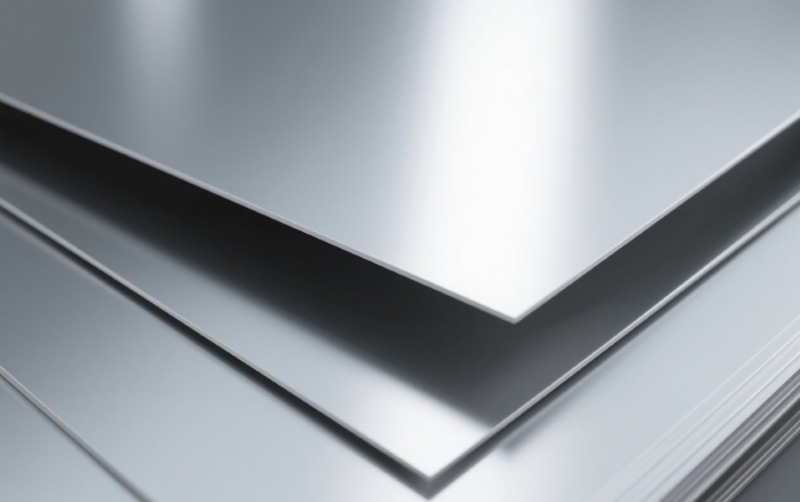
Steel roadway plates are flat steel panels used to create temporary roads or safe access paths over soft ground, excavations, or uneven surfaces. They are commonly used on construction sites to allow vehicles and heavy equipment to pass without damaging the ground or underground utilities.
Unlike trench plates, which are primarily designed to cover narrow excavations, roadway plates are engineered for broader load distribution, making them ideal for temporary roads, site access routes, and heavy traffic areas.
Common Applications of Steel Roadway Plates
Steel roadway plates are widely used across multiple industries due to their strength and versatility.
Construction and Infrastructure Projects
They provide stable access for construction vehicles, protect existing road surfaces, and support temporary traffic flow during road repair or bridge construction.
Utility and Pipeline Construction
Steel roadway plates allow vehicles to safely cross trenches while protecting underground pipelines, cables, and drainage systems.
Heavy Equipment and Vehicle Access
Designed for high load capacity, steel roadway plates support trucks, cranes, forklifts, and other heavy machinery, even on soft or uneven ground.
Key Benefits of Using Steel Plates for Site Access
Steel access plates are favored by contractors for several reasons:
- Excellent load-bearing performance
- Long service life under repeated use
- Reusability across multiple projects
- Stable support for frequent vehicle traffic
- Reliable performance in harsh environments
These advantages make steel-based solutions a practical choice for long-term and heavy-duty applications.
Steel Plates Compared with Other Access Solutions
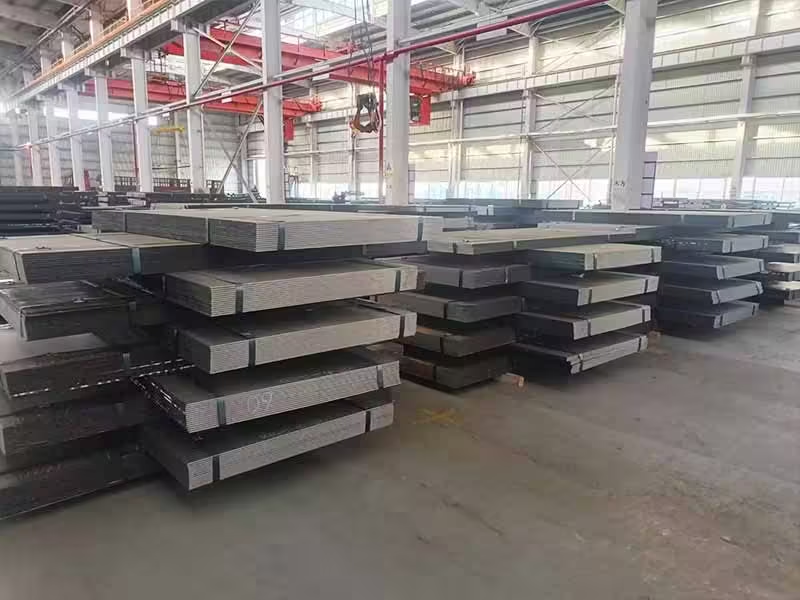
Steel vs Aluminum Plates
Aluminum options are lighter and easier to handle, but they are generally better suited for light-duty applications. Steel plates offer greater strength and are preferred for heavy machinery and high traffic areas.
Steel vs Composite Plates
Composite materials resist corrosion and are lightweight, yet they may lack the rigidity required for demanding construction projects. Steel provides superior structural reliability over time.
Size and Thickness Options
Access plates are available in a variety of dimensions and thicknesses to match different site conditions. Standard sizes are commonly used, while custom fabrication is often required for unique load or span requirements.
Typical Size Reference
| Plate Dimensions | Thickness Range | Common Use Cases |
|---|---|---|
| 2000 × 1000 mm | 12–20 mm | Light vehicle access |
| 3000 × 1500 mm | 16–25 mm | General construction |
| 4000 × 2000 mm | 20–30 mm | Heavy equipment |
| Custom options | 12–40 mm | Specialized projects |
As a factory supplier, we provide both standard and customized solutions based on project needs.
Load Capacity and Safety Factors
Load performance depends on several variables, including material grade, plate thickness, span distance, and ground conditions. Proper evaluation is essential to ensure safe operation.
Anti-slip surface treatments are often recommended, particularly in wet or muddy environments, to improve on-site safety.
How to Select the Right Plates for Your Project
When choosing access plates, project managers should consider:
- Expected vehicle and equipment weight
- Traffic frequency and duration of use
- Ground stability and site conditions
- Whether standard or custom dimensions are required
Working directly with a manufacturer allows for technical guidance and more accurate product selection.
Manufacturing Quality and Production Process
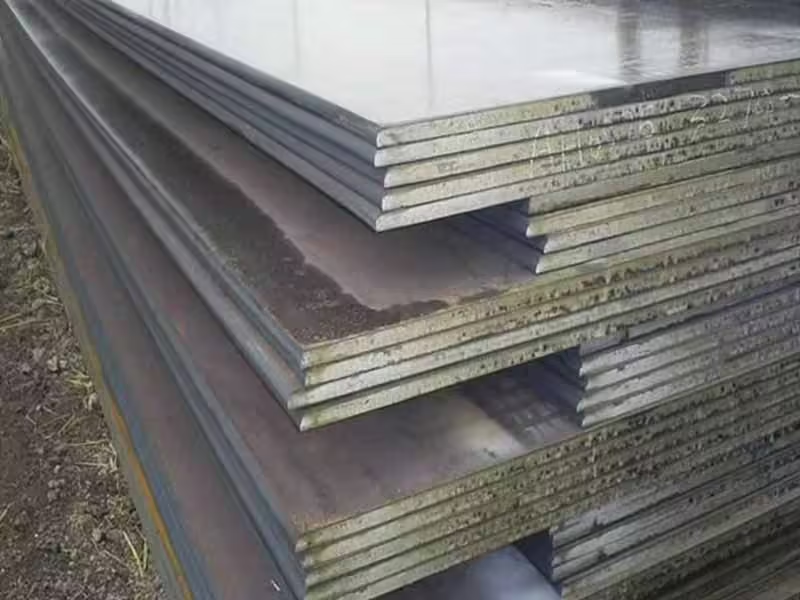
Quality begins with certified raw materials and precise fabrication. Our production process includes cutting, welding, surface finishing, and strict inspections to ensure dimensional accuracy and structural integrity.
Consistent manufacturing standards help ensure reliable performance and longer service life in real-world applications.
Cost Factors and Pricing Considerations
Pricing varies based on size, thickness, material grade, and order volume. Custom specifications and surface treatments can also affect cost.
For contractors with recurring needs, purchasing directly from a factory often offers better long-term value compared to short-term rental options.
Advantages of Buying Directly from a Manufacturer
Sourcing directly from a producer provides clear benefits:
- More competitive pricing
- Custom fabrication capability
- Stable quality control
- Faster production timelines
- Professional technical support
These advantages are especially important for large-scale or long-term projects.
Installation, Handling, and Maintenance
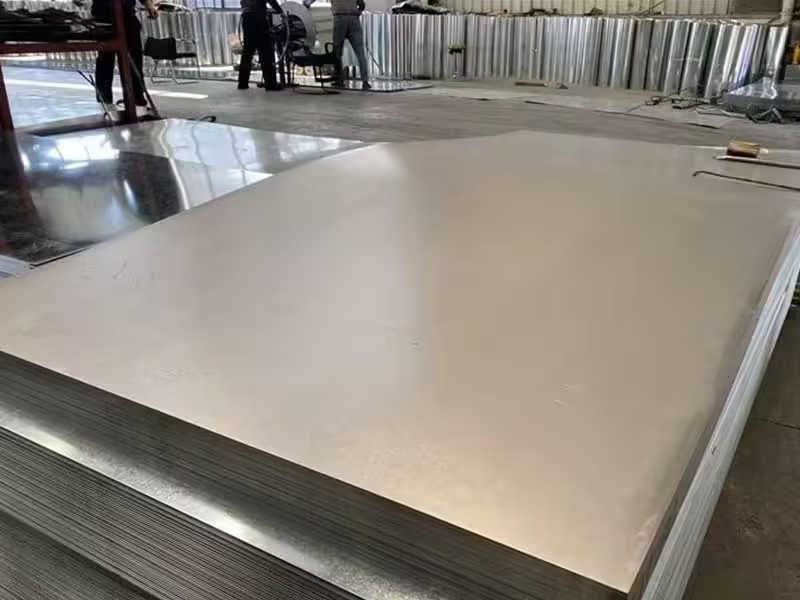
Correct placement helps ensure even load distribution and reduces movement during use. Due to the weight of steel plates, proper lifting equipment should always be used.
Routine inspection and basic maintenance can significantly extend service life and maintain performance across multiple projects.
Conclusion: A Reliable Solution for Temporary Access Needs
Steel-based access plates remain a trusted solution for construction, infrastructure, and utility projects requiring safe and durable temporary surfaces. By understanding application requirements, load considerations, and manufacturing quality, buyers can make informed decisions.
Partnering with an experienced manufacturer ensures dependable supply, tailored solutions, and consistent product performance. If you are planning a project and need a reliable access plate solution, contact us to discuss specifications, pricing, and custom options.
Frequently Asked Questions
What are steel roadway plates used for?
They are commonly used to create temporary access routes on construction sites, allowing vehicles and equipment to cross uneven ground, soft soil, or excavations safely.
How thick should roadway plates be for heavy equipment?
Thickness depends on vehicle weight, span distance, and ground conditions. Heavy machinery typically requires thicker plates to ensure proper load distribution and safety.
Are steel access plates reusable for multiple projects?
Yes. High-quality steel plates are designed for repeated use and can be reused across multiple construction or infrastructure projects with proper handling and maintenance.
Is it better to buy roadway plates directly from a manufacturer?
Buying directly from a manufacturer often offers better pricing, consistent quality, and the ability to customize size and specifications based on project needs.
Can roadway plates be customized for specific site requirements?
Yes. Manufacturers can produce custom dimensions, thicknesses, and surface treatments to meet specific load, safety, and environmental requirements.
Need Help Choosing the Right Steel Roadway Plates?
If you’re unsure which steel roadway plates are best for your construction project, our experts are here to help. As a direct manufacturer, we provide professional guidance, custom solutions, and factory-direct pricing. Contact us today for a personalized consultation and get reliable, heavy-duty access solutions you can trust. Don’t delay your project—reach out now and secure the right roadway plates for your site!
 English
  Korean
  Arabic
  Vietnamese