

Table of Contents
steel pipe wall thickness affects more than the line item on a purchase order. It influences whether material fits the drawing, runs through the intended process, passes receiving inspection, and performs in service. Wall thickness affects pressure calculations, corrosion allowance, mass, stiffness, machining stock, bend response, and internal flow area.
This steel pipe wall thickness guide is written for industrial buyers, engineers, quality teams, and fabricators. It concentrates on measurable requirements and practical purchasing decisions, without assuming that one grade, tolerance, finish, or test plan is correct for every project.
Define the Functional Requirement
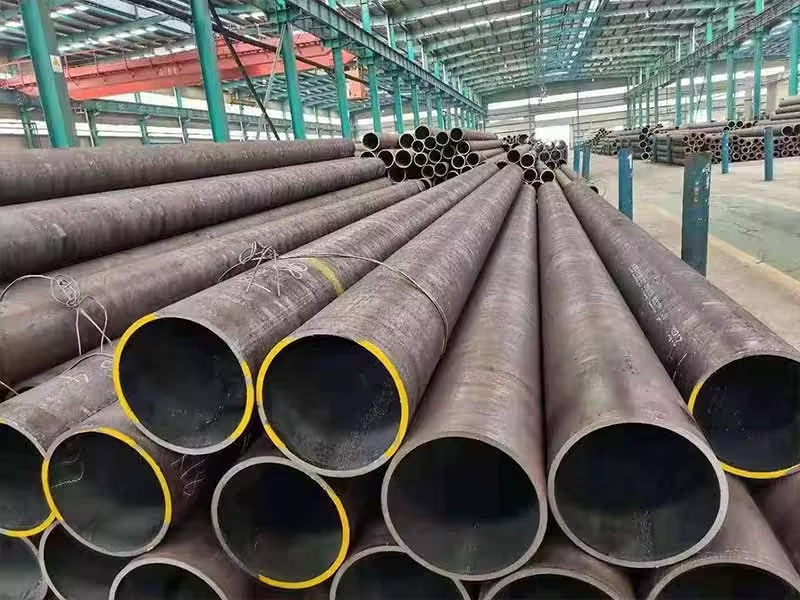
A steel pipe wall thickness inquiry should begin with the finished component and its operating conditions. Typical uses for carbon steel pipe include process piping, mechanical tubing applications, structural frames, machinery, energy projects, and general fabrication. The buyer should identify the load, environment, expected life, joining method, appearance requirement, and any regulatory or project specification that controls the work.
steel pipe wall thickness becomes easier to specify when procurement receives input from design, production, and quality before quotations are requested. A schedule designation should be verified against the selected dimensional standard rather than treated as a universal wall value for every size. This review prevents a technically valid material from arriving in a form that creates avoidable cutting, forming, welding, installation, or inspection work.
Grade and Standard
The material baseline for steel pipe wall thickness should state product standard, grade, nominal size, outside diameter, wall thickness or schedule, length, end preparation, and service conditions. A familiar trade name is not a complete specification. The purchase order should identify the governing standard and edition required by the project, because requirements can differ by product form, thickness, grade, temper, and delivery condition.
For steel pipe wall thickness, buyers should compare certificate wording with the drawing and inquiry rather than relying on visual appearance. A useful independent industry reference is the ASME codes and standards. Project acceptance must still follow the named contract documents.
Dimensions and Tolerances
Dimensions for steel pipe wall thickness need nominal values and accepted variation. Depending on the product, this may include thickness or wall, width, length, diameter, straightness, flatness, ovality, camber, edge condition, coil dimensions, or profile geometry. State nominal wall, permitted variation, measurement locations, and whether local minimum or average values control the application.
Do not request a tighter steel pipe wall thickness tolerance simply because a smaller number appears more precise. Tolerance should protect fit, forming, sealing, machining allowance, line stability, and final performance. Unnecessary restrictions can reduce sourcing flexibility without improving the part.
Measurement Method
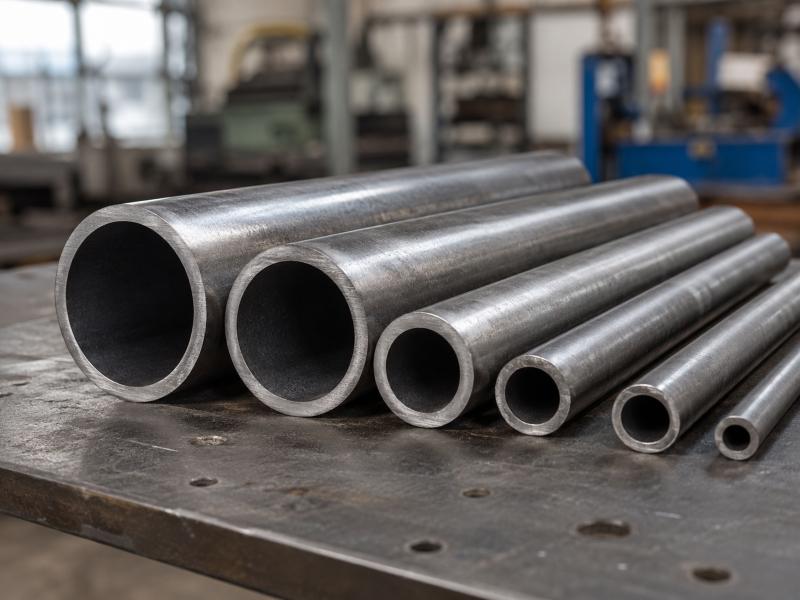
The production plan for steel pipe wall thickness should name every important downstream operation: cutting, threading, bending, machining, welding, coating, heat treatment, and assembly into piping or structural systems. Material condition, directionality, residual stress, edge quality, surface cleanliness, and dimensional variation can affect these processes in different ways.
steel pipe wall thickness should be evaluated with the actual equipment and tooling limits in mind. Threading, grooving, bending, machining, and corrosion protection can reduce or redistribute effective wall and must be reviewed. When geometry or acceptance is demanding, a representative sample or first-article run is more useful than an unsupported promise that the material is generally suitable.
Downstream Processing
Surface requirements for steel pipe wall thickness should be tied to function. Relevant conditions may include mill finish, scale, rust protection, coating, pitting, dents, laps, seams, and cleanliness required for welding or painting. A broad note such as clean surface or good finish is difficult to inspect consistently; visible zones and functional contact areas should have objective acceptance language.
Handling and storage can change steel pipe wall thickness after production. end caps where needed, protected bevels or threads, secure bundles, lifting provisions, and weather-resistant identification Receiving teams should photograph wet, torn, crushed, or shifted packaging before material is moved, because later handling can obscure the original condition.
Inspection and Documents
A proportionate steel pipe wall thickness inspection plan normally reviews outside diameter, wall thickness, ovality, straightness, length, end condition, surface, markings, and required test records. The sampling frequency, instruments, measurement locations, and acceptance limits should be agreed before shipment when the order is critical.
Documentation for steel pipe wall thickness may include material test report, dimensional report, traceability list, test certificates, and inspection records named by the purchase specification. Ultrasonic or mechanical readings should be recorded with calibration information when minimum wall is a critical acceptance item. Records should connect the inspected material to its labels or traceability references so that a finding can be isolated without placing unrelated material on hold.
Buyer Comparison Table
The correct steel pipe wall thickness requirement depends on what the buyer is trying to protect. The comparison below turns common purchasing priorities into practical specification actions.
| Buyer priority | Risk if undefined | Useful purchase-order action |
|---|---|---|
| Dimensional fit | Rework, poor assembly, or unstable processing | State nominal dimensions, tolerance, and measurement method |
| Fabrication | Cracking, distortion, tool problems, or poor joining | Name the process, material condition, and critical geometry |
| Surface performance | Coating, bonding, corrosion, or appearance issues | Define finish, protection, and visible acceptance zones |
| Traceability | Slow claims and uncertain material identity | Request certificates, labels, and lot-linked inspection records |
For steel pipe wall thickness, the strongest specification is not the longest one. It is the specification that links each requirement to a drawing feature, process limit, service condition, or receiving check. Requirements that cannot be measured or connected to use should be clarified before the order is placed.
RFQ Checklist
A complete steel pipe wall thickness request should give suppliers the same technical basis. Buyers can review seamless steel pipe product range and the related seamless steel pipe supplier guide before finalizing the inquiry.
- Identify the application and governing standard for steel pipe wall thickness.
- State grade, condition or temper, and all nominal dimensions.
- Define tolerances, edge or end condition, and critical surface zones.
- Describe cutting, forming, machining, welding, coating, or joining.
- List inspection, certificate, traceability, labeling, and packaging requirements.
Before approving steel pipe wall thickness, procurement should confirm that the quotation has no silent substitutions or vague phrases such as standard quality where the project needs a named condition. Technical exceptions should be written and resolved before production.
Frequently Asked Questions
What should a steel pipe wall thickness specification include?
It should identify the governing standard, grade or condition, dimensions, tolerances, surface, processing route, inspection documents, traceability, and packaging needed for the application.
How should buyers inspect
Match certificates and labels first, then check the dimensions, product shape, surface, edges or ends, and any tests named in the purchase order using a documented sampling plan.
When is a tighter tolerance justified?
A tighter tolerance is justified when standard variation can affect fit, sealing, machining allowance, forming, line stability, appearance, or another measurable requirement of the finished part.
Should buyers request a sample before a bulk order?
A sample or first-article trial is sensible when the material will face demanding forming, cosmetic, joining, coating, or precision-processing requirements that cannot be confirmed from documents alone.
Which documents are most important?
The required documents depend on the project, but steel pipe wall thickness commonly needs a material certificate, traceability, dimensional or test records where specified, and a packing list linked to the shipment.
Request a Specification Review
Send Huanhai Zhongke the drawing, standard, grade, dimensions, process route, service environment, and inspection needs for a steel pipe wall thickness specification review before requesting a quotation.
 English
  Korean
  Arabic
  Vietnamese