

Stainless steel plates are widely used in industries that require strength, corrosion resistance, and long-term reliability. From heavy industrial equipment to architectural structures and infrastructure projects, stainless steel plates play a critical role in ensuring safety, durability, and performance.
With standardized specifications, stable quality, and in-stock availability, stainless steel plates applications support both large-scale engineering projects and fast-paced manufacturing environments.
Table of Contents
What Are Stainless Steel Plates
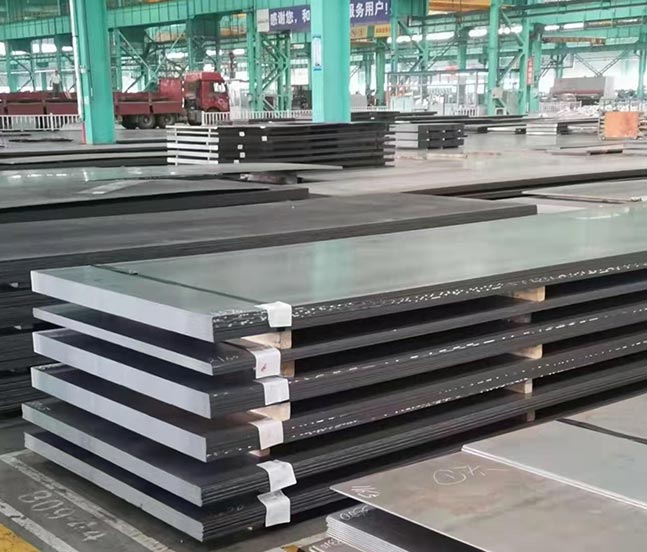
Stainless steel plates are flat-rolled steel products with a relatively thicker gauge compared to sheets. They are typically produced through hot rolling or cold rolling, depending on thickness and surface requirements.
In stainless steel plates applications, material grades such as 304, 316, and 430 are commonly selected based on corrosion resistance, mechanical strength, and service environment.
Key Advantages of Stainless Steel Plates Applications
Excellent Corrosion Resistance
Stainless steel plates contain chromium, which forms a passive protective layer on the surface. This makes them suitable for environments exposed to moisture, chemicals, and temperature variations.
High Strength and Load Capacity
Due to their thickness and structural integrity, stainless steel plates are ideal for load-bearing and high-stress applications.
Long Service Life
Stainless steel plates require minimal maintenance and offer extended service life, reducing replacement costs over time.
In-Stock Supply and Fast Delivery
Common thicknesses and grades are kept in stock, allowing immediate shipment for urgent project requirements.
Construction and Architectural Applications
Structural Components
Stainless steel plates are used for beams, base plates, brackets, and reinforcement components in commercial and industrial buildings.
Facades and Exterior Structures
In architectural applications, stainless steel plates provide both durability and aesthetic appeal, especially in modern building designs.
Industrial Manufacturing Applications
Machinery and Equipment Bases
Heavy machinery bases, frames, and supports often rely on stainless steel plates for strength and vibration resistance.
Pressure Vessels and Tanks
Stainless steel plates are widely used in the fabrication of tanks, pressure vessels, and storage containers for chemical, food, and water industries.
Energy and Infrastructure Uses
Power Plants and Energy Facilities
In power generation systems, stainless steel plates are used for platforms, piping supports, and structural components exposed to heat and pressure.
Transportation and Infrastructure Projects
Bridges, tunnels, and public infrastructure projects utilize stainless steel plates for components that demand high durability and corrosion resistance.
Common Specifications for Stainless Steel Plates
| Specification | Typical Range | Application |
|---|---|---|
| Thickness | 3 mm – 80 mm | Structural, industrial use |
| Width | Up to 2500 mm | Equipment, construction |
| Length | Up to 12000 mm | Large-scale projects |
| Grade | 304, 316, 321 | Industrial and infrastructure |
These specifications allow stainless steel plates applications across a wide range of industries.
Quality Control and Standards Compliance
Stainless steel plates undergo strict inspection processes, including chemical analysis, mechanical testing, and dimensional checks. Compliance with ASTM, EN, and JIS standards ensures consistent quality and performance.
Logistics Support and Fast Supply
Maintaining inventory of popular grades and sizes allows quick response to customer needs. Fast delivery helps contractors and manufacturers reduce downtime and keep projects on schedule.
Sustainability and Environmental Benefits
Stainless steel plates are fully recyclable and contribute to sustainable construction and manufacturing practices. Their long lifespan also reduces material waste.
Selecting the Right Stainless Steel Plates
Choosing suitable stainless steel plates involves considering load requirements, corrosion exposure, fabrication methods, and applicable standards. Working with an experienced supplier ensures technical compatibility and timely delivery.
Conclusion
Stainless steel plates applications are essential in construction, industrial manufacturing, energy, and infrastructure projects. With high strength, corrosion resistance, and in-stock availability, stainless steel plates provide a reliable and long-term material solution for demanding environments.
FAQ
What are stainless steel plates applications commonly used for?
They are used in construction structures, industrial machinery, pressure vessels, and infrastructure projects.
How are stainless steel plates different from stainless steel sheets?
Plates are thicker and designed for structural and heavy-duty applications.
Can stainless steel plates be delivered quickly?
Yes, many standard grades and thicknesses are kept in stock for fast delivery.
Are stainless steel plates suitable for corrosive environments?
Yes, grades like 304 and 316 offer excellent corrosion resistance.
Are stainless steel plates environmentally friendly?
Yes, stainless steel is fully recyclable and supports sustainable practices.
 English
  Korean
  Arabic
  Vietnamese