

Table of Contents
A stainless steel pipe order should define more than grade, diameter, and wall thickness. Surface finish can affect cleanability, welding preparation, appearance, corrosion behavior, and how much finishing work remains after fabrication.
This stainless steel pipe guide helps buyers choose between industrial, pickled, polished, and cleaner surface requirements for equipment, structures, piping, and fabrication. It keeps the focus on practical specification and inspection rather than vague finish labels.
Why Surface Finish Matters
The surface of stainless steel pipe affects more than appearance. Rough, contaminated, or damaged surfaces can make cleaning harder and may reduce corrosion performance in demanding environments. For visible equipment, surface inconsistency can also cause unnecessary rejection even when the pipe is dimensionally correct.
Buyers reviewing stainless steel pipe applications should decide whether the pipe is structural, process-related, hygienic, decorative, or general fabrication material. The correct finish follows the job.
Industrial Versus Visible Pipe
Industrial pipe may only need a clean mill or pickled finish if it will be hidden, insulated, painted, or fabricated further. Visible pipe may need polishing, brushing, or tighter surface acceptance. The inquiry should state which surfaces remain visible after installation.
If stainless steel pipe is used for handrails, architectural frames, or equipment housings, surface direction, polishing consistency, and scratch limits matter. If the pipe is only a process line, grade, pressure, wall thickness, weld quality, and internal cleanliness may matter more.
| Use case | Surface priority | Buyer note |
|---|---|---|
| Structural frame | External appearance and weld cleanup | Define visible faces |
| Process piping | Cleanliness and corrosion resistance | Confirm internal condition |
| Sanitary equipment | Smooth surface and cleanability | Define roughness target |
| Decorative rail | Polish consistency | Request protected packing |
Inside Surface Requirements
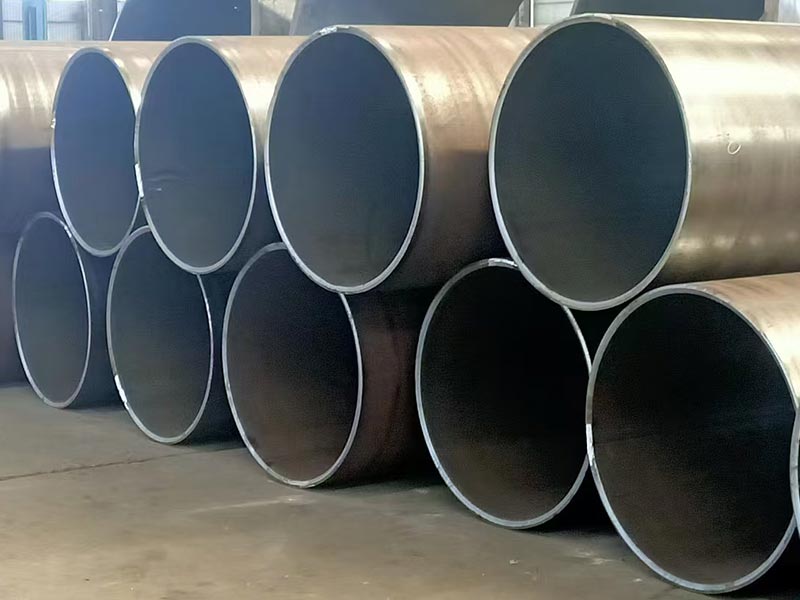
Inside surface condition can be critical when stainless steel pipe carries fluids, food products, chemicals, or high-purity media. Internal roughness, residue, and weld bead condition may affect flow, cleaning, and contamination risk. A buyer should not assume an attractive outside surface means the inside surface is suitable.
If internal cleanliness matters, specify whether the pipe must be pickled, passivated, mechanically polished, capped, or cleaned to a project requirement. For broad background, World Stainless provides general stainless steel information, but project specifications should define acceptance.
Welding and Post-Treatment
Welding can introduce heat tint, oxidation, roughness, or local surface changes. If stainless steel pipe will be welded, the buyer should define whether post-weld cleaning, pickling, passivation, grinding, or polishing is required. This matters for both appearance and corrosion performance.
For welded assemblies, the surface finish requirement should cover both delivered pipe and finished fabrication. Otherwise, a polished pipe can still become unacceptable after welding if post-treatment is not planned.
Polishing and Roughness
Polished stainless steel pipe should be specified with enough detail to be measurable or visually agreed. A finish name alone may not be enough. Buyers may need to define grit, roughness, polish direction, protected surfaces, and acceptable handling marks.
For food, beverage, pharmaceutical, or clean-process equipment, surface roughness may be specified by the project standard. For general visible products, reference samples or photos can reduce disagreement.
Inspection and Certificates
Inspection should cover outside diameter, wall thickness, length, straightness, surface condition, end finish, markings, and documents. For critical service, buyers may request material certificates, PMI testing, pressure testing, roughness reports, or photos before shipment.
For more general purchasing criteria, this industrial stainless steel pipe supplier guide can help buyers evaluate supplier capability alongside finish requirements.
Buyer Comparison Table
The right stainless steel pipe finish depends on whether the buyer is managing appearance, cleanliness, corrosion performance, or fabrication efficiency.
| Finish need | What to define | Risk if unclear |
|---|---|---|
| Industrial mill finish | Grade, dimensions, surface acceptance | Unnecessary cosmetic disputes |
| Pickled surface | Cleaning and passivation needs | Heat tint or residue concerns |
| Polished exterior | Grit, direction, handling marks | Visible mismatch |
| Clean internal surface | Roughness, caps, cleaning method | Contamination or cleaning issues |
Ordering Checklist
A strong stainless steel pipe inquiry should include grade, standard, OD, wall thickness, length, surface finish, internal condition, end finish, welding or fabrication plan, packaging, quantity, and certificates. If any surface is visible or hygienic, say so directly.
Good finish control starts before production. The supplier needs to know how the stainless steel pipe will be used, not only what grade is requested. If the pipe will be polished after cutting or welding, say where final finishing will happen and which party is responsible.
For repeat stainless steel pipe purchases, keep one approved surface reference. That reference can be a sample, inspection photo, roughness target, or written acceptance note. It gives buyers and suppliers a practical way to judge whether the next shipment matches the intended finish.
Storage instructions should also be clear. Keep polished pipe away from carbon steel grinding dust, standing water, and rough handling surfaces. Simple protection rules at receiving can prevent stains and scratches before fabrication even begins.
- Define whether the surface is visible, hygienic, structural, or process-critical.
- Specify outside and inside surface expectations separately.
- Confirm welding and post-treatment plans.
- Request documents and inspection records.
- Protect polished surfaces during packing and unloading.
FAQ
Why does stainless steel pipe surface finish matter?
Surface finish affects cleanability, appearance, corrosion behavior, welding cleanup, and inspection acceptance.
Should inside and outside surfaces be specified separately?
Yes. A stainless steel pipe may have an acceptable outside finish while still needing a cleaner or smoother internal surface for process use.
How should polished pipe be specified?
Define grit, roughness, polish direction, protected surfaces, and acceptable handling marks whenever appearance matters.
Does welding affect surface finish?
Yes. Welding can create heat tint and local surface changes, so post-weld cleaning or polishing should be planned if needed.
What documents should buyers request?
Buyers often request material certificates, dimensional records, surface inspection, and testing reports depending on the application.
Request a Technical Review
Send your stainless steel pipe grade, size, finish target, and fabrication plan to Huanhai Zhongke for a practical specification review before ordering.
 English
  Korean
  Arabic
  Vietnamese