
Perforated metal sheets are widely used in both industrial and architectural applications due to their functional versatility and design flexibility. By introducing precisely arranged holes into metal sheets, manufacturers can balance strength, airflow, visibility, and aesthetics in a single material solution.
In real-world projects, perforated metal sheets applications are often chosen not only for their mechanical performance, but also for their adaptability to different environments. Whether used in industrial processing lines or modern architectural facades, these products help engineers and designers solve practical problems without compromising visual appeal. With standard specifications available in stock, fast delivery further supports project efficiency and tight construction schedules.
Table of Contents
What Are Perforated Metal Sheets
Perforated metal sheets are metal panels that have been mechanically punched, stamped, or laser-cut with uniform or customized hole patterns. These holes can be round, square, slotted, or decorative, depending on functional and design requirements.
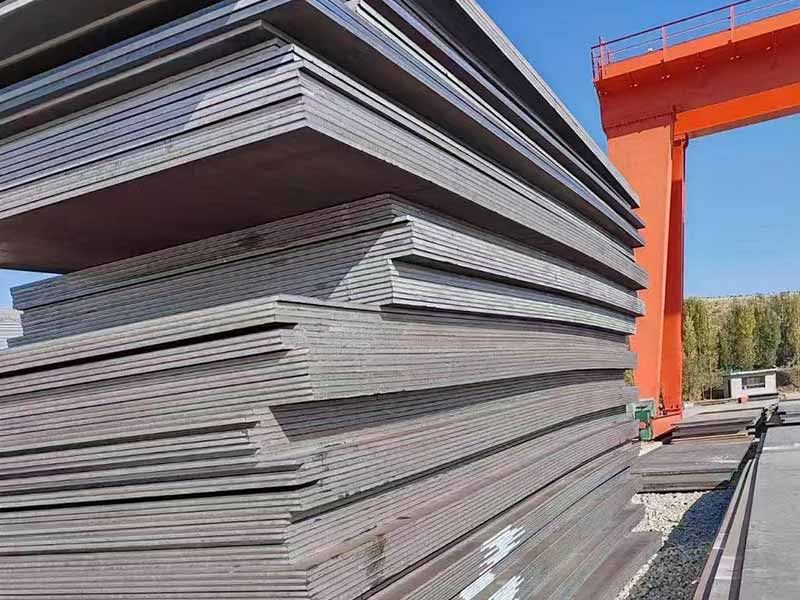
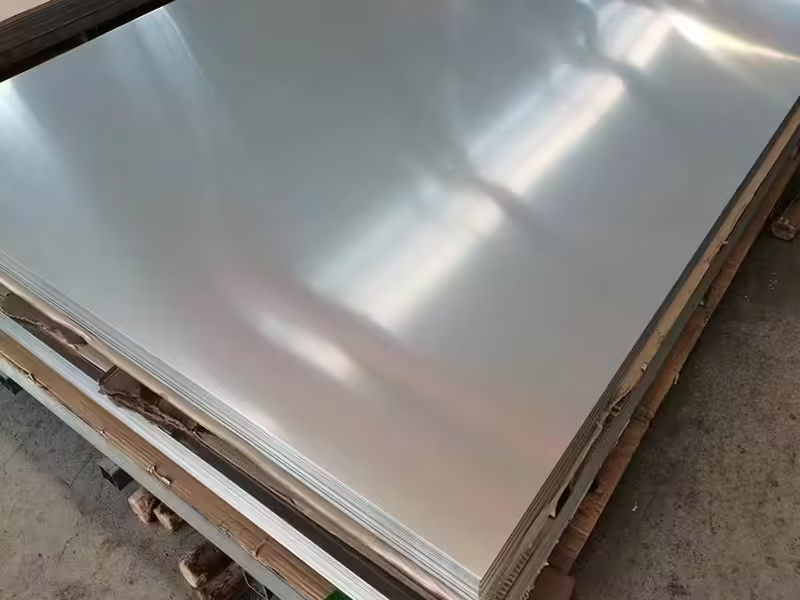
In perforated metal sheets applications, materials such as carbon steel, stainless steel, aluminum, and galvanized steel are commonly selected. Each material offers different advantages in terms of corrosion resistance, strength, weight, and cost. The perforation process reduces overall material weight while maintaining structural integrity, which is particularly valuable in large-area installations.
Key Advantages of Perforated Metal Sheets Applications
Excellent Ventilation and Airflow Control
The open area created by perforation allows controlled airflow while still providing physical protection. This makes perforated metal sheets ideal for ventilation systems, equipment enclosures, and cooling applications where unrestricted air movement is critical.
In many industrial environments, perforated metal sheets applications help prevent overheating of machinery while maintaining safety and durability.
Noise Reduction and Acoustic Control
Perforated metal sheets are frequently combined with acoustic insulation materials to form sound-absorbing panels. The perforations allow sound waves to pass through the metal surface and be absorbed by the backing material.
These acoustic perforated metal sheets applications are widely used in factories, power plants, transportation hubs, and public buildings where noise control is essential.
Functional Strength with Reduced Weight
By removing material through perforation, metal sheets become lighter without significantly compromising strength. This balance allows easier handling, installation, and transportation, especially in large-scale projects.
In architectural applications, reduced weight also lowers structural load, contributing to safer and more efficient designs.
In-Stock Supply and Fast Delivery
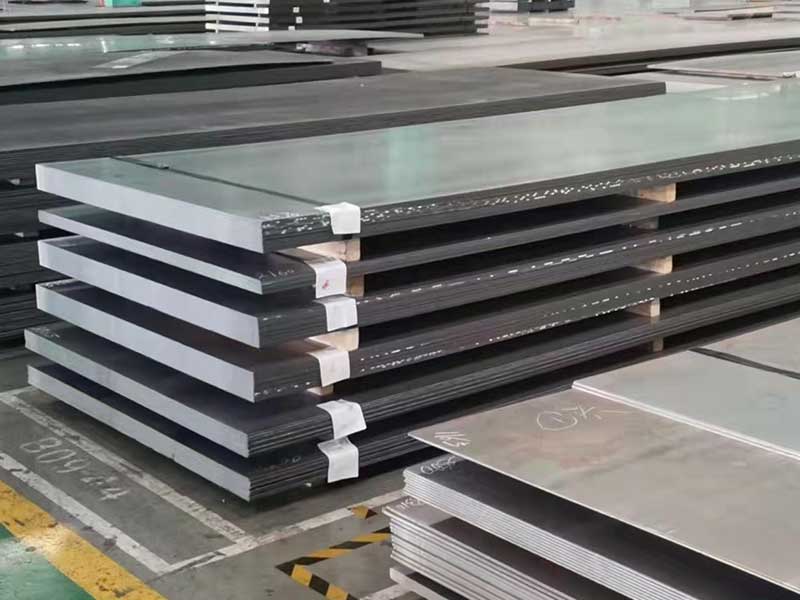
Standard materials, thicknesses, and hole patterns are often kept in stock to meet common market demands. This allows perforated metal sheets applications to be supported by fast delivery, helping customers avoid delays in construction or production schedules.
Architectural and Construction Applications
Building Facades and Sunshades
Perforated metal sheets are widely used in building facades, exterior screens, and sunshading systems. They help regulate sunlight, reduce heat gain, and create dynamic visual effects through light and shadow.
In modern architecture, perforated metal sheets applications allow designers to combine functionality with distinctive aesthetics, especially in commercial and public buildings.
Balustrades, Railings, and Safety Screens
In balconies, staircases, and elevated platforms, perforated metal sheets provide safety barriers while maintaining visibility and airflow. Compared with solid panels, they create a lighter and more open appearance.
These applications are common in shopping centers, office buildings, and public infrastructure projects.
Interior Design and Decorative Panels
Perforated metal sheets are increasingly used for interior wall panels, ceilings, and partitions. Their clean lines and customizable patterns support contemporary interior design while also improving acoustics and ventilation.
Industrial Applications
Filtration and Screening Systems
One of the most technical perforated metal sheets applications is in filtration and screening equipment. Precise hole sizes and layouts are critical for separating materials, controlling particle size, and ensuring consistent processing results.
Industries such as mining, food processing, agriculture, and chemical manufacturing rely heavily on perforated metal sheets for these functions.
Machinery Guards and Safety Covers
Perforated metal sheets are commonly used as protective guards for rotating machinery, conveyors, and processing equipment. They allow operators to see equipment operation while maintaining safety and airflow.
In industrial safety design, these perforated metal sheets applications help balance protection, visibility, and compliance with safety standards.
Ventilation and Cooling Equipment
Cooling towers, air-conditioning units, and industrial ventilation systems use perforated metal sheets to protect internal components while allowing efficient airflow.
Energy and Infrastructure Applications
Power Plants and Energy Facilities
In power generation facilities, perforated metal sheets are used for platforms, enclosures, noise barriers, and ventilation panels. Their durability and airflow performance make them suitable for harsh operating environments.
Transportation and Public Infrastructure
Airports, subway stations, tunnels, and railway terminals use perforated metal sheets for ceilings, wall cladding, and acoustic treatments. These applications improve passenger comfort while meeting strict safety and durability requirements.
Common Specifications for Perforated Metal Sheets
| Specification | Typical Range | Application |
|---|---|---|
| Thickness | 0.8 mm – 6 mm | Architecture, industry |
| Hole Shape | Round, square, slotted | Filtration, ventilation |
| Hole Size | 1 mm – 20 mm | Screening, airflow |
| Material | Steel, aluminum, stainless | Multiple industries |
These specifications allow perforated metal sheets applications to be adapted to a wide range of functional and aesthetic needs.
Surface Treatments and Finishes
Perforated metal sheets can be supplied with galvanized, powder-coated, anodized, or painted finishes to improve corrosion resistance and visual appearance. Surface treatment selection depends on environmental exposure, design requirements, and expected service life.
Quality Control and Standards Compliance
Manufacturing processes include perforation accuracy checks, dimensional inspection, and surface quality testing. Compliance with ASTM, EN, and other international standards ensures that perforated metal sheets applications perform reliably under real-world conditions.
Supply Capacity and Logistics Support
With inventory maintained for popular materials and specifications, perforated metal sheets can be shipped quickly. Fast logistics support helps customers respond to urgent project demands and minimize downtime.
Sustainability and Environmental Benefits
Perforated metal sheets are recyclable and support sustainable construction practices. Efficient use of raw material through perforation also reduces waste and improves resource efficiency.
How to Choose the Right Perforated Metal Sheets
Selecting suitable perforated metal sheets involves evaluating functional requirements such as airflow, strength, acoustic performance, and environmental exposure. Working with an experienced supplier ensures that perforated metal sheets applications meet both technical and project-specific needs.
Conclusion
Perforated metal sheets applications play an essential role in modern industry and architecture. By combining ventilation, acoustic control, structural performance, and design flexibility, perforated metal sheets provide a highly adaptable solution. With in-stock availability and fast delivery, they continue to support efficient project execution across multiple sectors.
FAQ
What are perforated metal sheets applications commonly used for?
They are used in ventilation systems, filtration equipment, architectural facades, acoustic panels, and machinery guards.
Which materials are available for perforated metal sheets?
Common materials include carbon steel, stainless steel, aluminum, and galvanized steel.
Can perforated metal sheets be customized?
Yes, hole size, shape, spacing, and material can be customized based on application requirements.
Are perforated metal sheets suitable for outdoor use?
Yes, especially when supplied with galvanized or coated finishes for corrosion protection.
Can perforated metal sheets be delivered quickly?
Yes, standard specifications are often available in stock for fast delivery.
 English
  Korean
  Arabic
  Vietnamese