

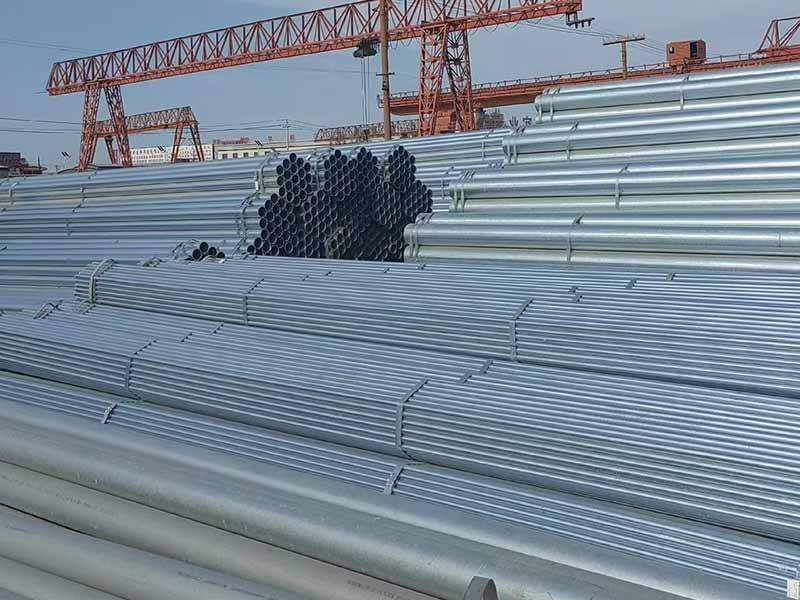
Galvanized steel pipes are essential in modern industrial, construction, and utility applications. Their corrosion resistance, mechanical strength, and durability make them a preferred choice for water supply, gas distribution, structural frameworks, and HVAC systems. Understanding galvanized steel pipe applications helps engineers, contractors, and procurement teams select the right pipe specifications for each project.
Table of Contents
What Is a Galvanized Steel Pipe
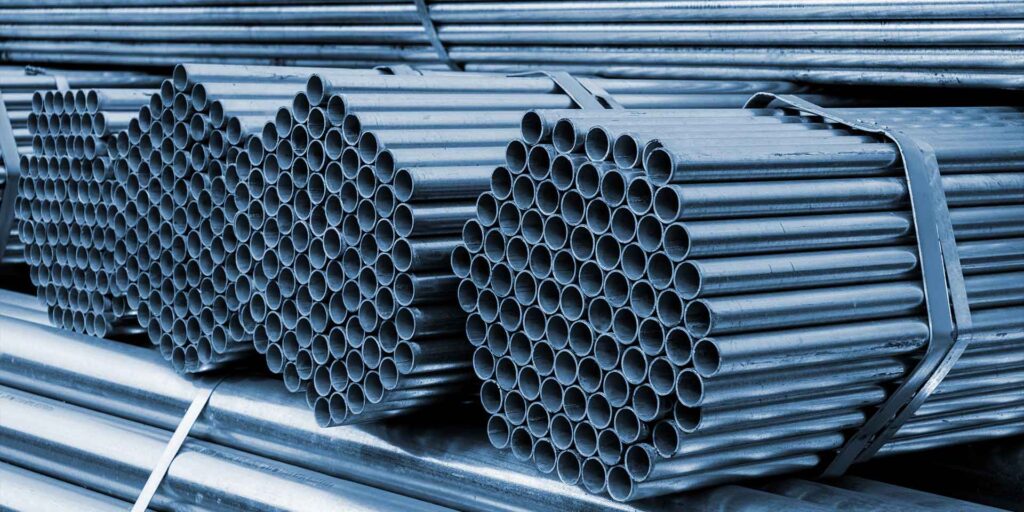
A galvanized steel pipe is a hollow cylindrical tube made of steel coated with a layer of zinc to prevent rust and corrosion. This protective coating increases the pipe’s lifespan, making it ideal for both indoor and outdoor applications. The steel grade, pipe diameter, wall thickness, and zinc coating determine its performance in different industries.
Galvanized steel pipe applications include plumbing, construction, energy infrastructure, industrial fluid transport, and mechanical support structures. Choosing the right type and thickness ensures safety, efficiency, and longevity.
Technical Specifications Overview
| Parameter | Standard Range |
|---|---|
| Steel Grade | ASTM A53 / A120 / SGCC |
| Zinc Coating | 50–275 g/m² |
| Diameter | 15–400 mm |
| Wall Thickness | 1–12 mm |
| Pipe Length | 6–12 meters |
| Surface Finish | Smooth / Spangle |
| Application | Water, gas, HVAC, structural, industrial |
Pipe diameter, wall thickness, and zinc coating are critical factors that determine corrosion resistance and mechanical strength for specific applications.
Industry Applications
Water Supply and Plumbing
Use Cases: Residential and commercial water supply lines, irrigation systems.
Galvanized steel pipes provide corrosion resistance, maintain water quality, and ensure long-term durability. Pipes with 120–180 g/m² zinc coating are commonly used to prevent rust in domestic and municipal water systems.
Gas Distribution
Use Cases: Natural gas pipelines, industrial gas lines, and LPG distribution.
These pipes resist corrosion, withstand pressure fluctuations, and ensure safe gas transport. Zinc coating protects the pipe interior and exterior from environmental damage.
Construction and Structural Support
Use Cases: Building frames, scaffolding, handrails, and structural supports.
Galvanized steel pipes offer high tensile strength, uniform diameter, and long-lasting corrosion protection. They reduce maintenance costs and provide safety in structural applications.
HVAC and Mechanical Systems
Use Cases: Air ducts, heating, ventilation, and cooling pipelines.
Galvanized steel pipes resist moisture-induced corrosion, maintain airflow efficiency, and are compatible with fire-retardant coatings. They are easy to fabricate and install in commercial and industrial buildings.
Industrial Fluid Transport
Use Cases: Chemical plants, oil refineries, and food processing facilities.
Galvanized pipes prevent corrosion from water, steam, and certain chemicals, ensuring safety and long-term reliability in industrial fluid transport.
Quality Control Standards
Manufacturers of galvanized steel pipe applications conduct rigorous quality control, including:
- Zinc coating thickness measurement
- Surface finish inspection
- Wall thickness and diameter verification
- Pressure and mechanical strength testing
- Compliance with ASTM, ISO, and local industry standards
Strict quality control ensures consistent performance across all industrial applications.
Supply Chain and Bulk Availability
Reliable supply is critical for industrial and construction projects. Suppliers offering ready stock of galvanized steel pipes provide:
- Various diameters and wall thicknesses
- Large-volume rolls and long-length pipes
- Fast shipping and consistent batch quality
- Technical support for installation and custom requirements
Bulk availability ensures uninterrupted project execution and reduces downtime.
Sustainability Considerations
Galvanized steel pipes are fully recyclable. Their long lifespan reduces frequent replacement, supports resource conservation, and lowers environmental impact. Using galvanized pipes in industrial, construction, and energy applications contributes to sustainable building and manufacturing practices.

Market Trends
The demand for galvanized steel pipe applications is rising due to:
- Expanding urban infrastructure and water supply networks
- Growth in industrial gas and fluid transport projects
- Increasing adoption of HVAC systems in commercial buildings
- Rising awareness of corrosion-resistant, low-maintenance solutions
Suppliers providing high-quality, ready-stock pipes are essential to meet these growing demands.
Conclusion
Galvanized steel pipe applications cover water supply, gas distribution, construction, HVAC, and industrial fluid transport. Their corrosion resistance, durability, and mechanical strength make them a reliable choice for modern industrial and construction projects. Sourcing high-quality galvanized steel pipes with ready stock ensures project continuity, consistent performance, and long-term value.
FAQ
Q1: What are common galvanized steel pipe applications by industry?
A1: Water supply, gas distribution, construction, HVAC, and industrial fluid transport.
Q2: What zinc coating thickness is recommended for outdoor pipes?
A2: Typically 120–275 g/m² depending on exposure conditions.
Q3: Can galvanized steel pipes be customized for specific projects?
A3: Yes, diameters, wall thickness, and coating can be tailored to project needs.
Q4: Is bulk supply available for large-scale industrial projects?
A4: Yes, suppliers maintain ready stock for fast delivery of large-volume orders.
Q5: Why are galvanized steel pipes preferred over bare steel pipes?
A5: They provide superior corrosion resistance, longer lifespan, and reduced maintenance costs.
 English
  Korean
  Arabic
  Vietnamese