

Table of Contents
Copper tubing supplied in coiled form is widely used across HVAC, refrigeration, plumbing, and industrial systems. Its combination of thermal efficiency, mechanical strength, and installation flexibility makes it a preferred piping solution for both residential and large-scale commercial projects.
For manufacturers, delivering consistent quality, stable specifications, and compliance with international standards is essential to support contractors, engineers, and procurement teams worldwide.
What Is a Copper Pipe Coil?
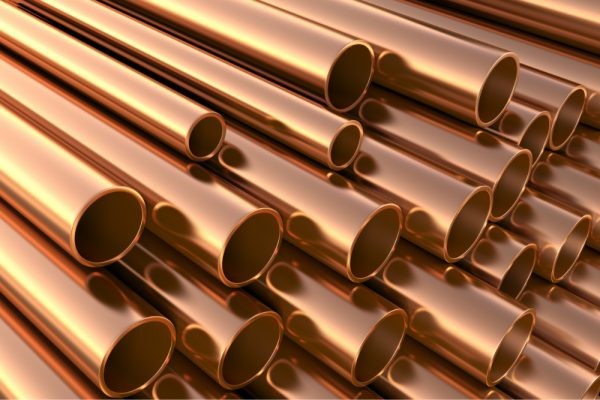
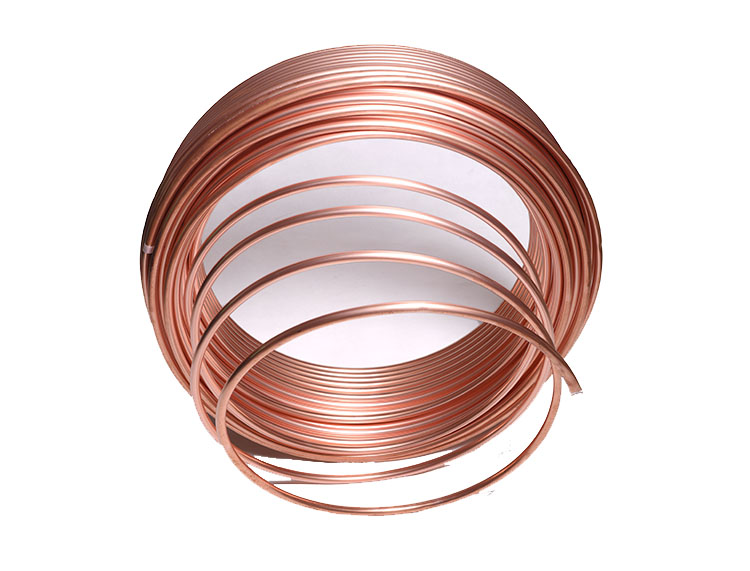
This product refers to continuous copper tubing wound into compact coils rather than cut into straight sections. Compared with rigid pipes, coiled tubing is easier to transport, store, and install, especially in projects that require bending or long uninterrupted pipe runs.
Manufactured using high-purity copper, it offers smooth internal surfaces, uniform wall thickness, and reliable pressure performance, making it suitable for demanding system environments.
Common Applications of Copper Pipe Coil
Thanks to its material properties, this type of copper tubing is used in a wide range of industries.
HVAC Systems
In heating and air conditioning installations, coiled copper tubing is commonly applied in:
- Refrigerant pipelines
- VRF and split system installations
- Residential and commercial HVAC projects
Reduced joint connections help minimize leakage risks and improve installation efficiency.
Refrigeration Systems
Refrigeration equipment relies on copper tubing for:
- Commercial cooling units
- Cold storage facilities
- Industrial chillers
Its thermal conductivity supports efficient heat transfer and stable system operation.
Plumbing and Industrial Applications
Beyond HVAC and refrigeration, this solution is also used in:
- Water distribution systems
- Heat exchangers
- Industrial fluid and gas transport
Types of Copper Pipe Coil

Different operating conditions require different material states and structural properties.
Soft (Annealed) Type
Annealed tubing is highly flexible and easy to bend, making it ideal for installations with complex routing or limited space.
Hard Type
Hard-drawn tubing provides increased rigidity and strength, suitable for applications with higher pressure requirements.
Seamless Type
Seamless construction improves durability and reduces the risk of leakage, particularly in refrigeration and HVAC systems.
Copper Pipe Coil Sizes and Specifications
Manufacturers typically offer both standard and customized dimensions to meet project requirements.
| Specification Item | Typical Range |
|---|---|
| Outer Diameter | 6 mm – 28 mm |
| Wall Thickness | 0.5 mm – 1.5 mm |
| Coil Length | 15 m, 30 m, 50 m, or custom |
| Material | High-purity copper |
| Form | Soft or hard |
| Structure | Seamless |
Custom sizing and packaging are commonly available for OEM customers and large-volume orders.
Copper Pipe Coil Standards and Certifications
Compliance with international standards ensures compatibility, safety, and long-term performance.
- ASTM B280 for air conditioning and refrigeration systems
- ASTM B88 for plumbing applications
- EN standards for European markets
- ISO-certified quality management systems
These certifications are essential for global engineering and construction projects.
Why Copper Pipe Coil Is Ideal for HVAC and Refrigeration
Copper tubing remains the industry standard due to several proven advantages:
- Excellent heat transfer performance
- Strong corrosion resistance
- Ease of forming and installation
- Long service life with minimal maintenance
These characteristics help reduce operating costs and improve system reliability.
How to Choose the Right Copper Pipe Coil for Your Project
When selecting a suitable piping solution, consider:
- Required diameter and wall thickness
- Operating pressure and temperature
- Applicable standards and certifications
- Installation layout and environment
- Supply volume and delivery schedule
Working directly with a manufacturer helps ensure technical alignment and consistent supply.
Copper Pipe Coil Manufacturing Process
Professional production involves multiple quality-focused steps:
- Careful raw material selection
- Precision forming and annealing
- Dimensional and surface inspection
- Pressure and performance testing
- Secure export packaging
These processes ensure each batch meets industrial and HVAC project requirements.
Custom Copper Pipe Coil Solutions from the Manufacturer
Manufacturers often provide tailored services such as:
- OEM and ODM production
- Custom coil lengths and packaging formats
- Private labeling for distributors
- Technical support for contractors and engineers
Customization improves installation efficiency and supports specialized applications.
Why Choose a Reliable Copper Pipe Coil Manufacturer

A dependable manufacturing partner offers:
- Stable production capacity and consistent quality
- Compliance with international standards
- Technical documentation and after-sales support
- Experience serving global HVAC and refrigeration markets
Direct cooperation also improves cost efficiency and long-term supply stability.
Conclusion
Copper tubing supplied in coil form plays an essential role in HVAC, refrigeration, plumbing, and industrial systems. Selecting the correct specifications and partnering with an experienced manufacturer helps ensure reliable performance, regulatory compliance, and long service life.
For projects that require consistent quality, customization, and dependable supply, working directly with a professional manufacturer provides both technical and commercial advantages.
Frequently Asked Questions
What is this product commonly used for?
It is widely applied in HVAC, refrigeration, plumbing, and industrial systems where flexible installation and efficient heat transfer are required.
What is the difference between soft and hard options?
Soft (annealed) tubing is easier to bend and install, while hard-drawn tubing provides higher strength and is suitable for higher-pressure systems.
Which standards are required for HVAC and refrigeration projects?
Most projects follow ASTM B280 for air conditioning and refrigeration systems, while plumbing applications typically require ASTM B88 or equivalent international standards.
Can specifications be customized by the manufacturer?
Yes. Dimensions, wall thickness, coil length, and packaging can be adjusted to meet specific project or OEM requirements.
Why work directly with a manufacturer instead of a distributor?
Direct cooperation ensures better quality control, technical support, stable supply, and improved cost efficiency for long-term projects.
Need Help Choosing the Right Copper Pipe Coil?
If you’re unsure which copper pipe coil best fits your HVAC, refrigeration, or industrial project, our manufacturing experts are here to help. Contact us today for professional guidance, customized solutions, and reliable supply—ensuring your system meets performance requirements and international standards. Don’t risk delays or compatibility issues—get in touch now and work directly with a trusted manufacturer.
 English
  Korean
  Arabic
  Vietnamese