

Introduction to Steel Plates
Table of Contents
Steel plates are essential materials in modern construction, offering strength, durability, and versatility for various applications. As a manufacturer of high-quality building steel plates, we provide solutions for engineers, contractors, and industrial clients who require reliable performance. This guide will help you understand different types, grades, sizes, and applications, enabling informed decisions for your projects.
Types of Steel Plates
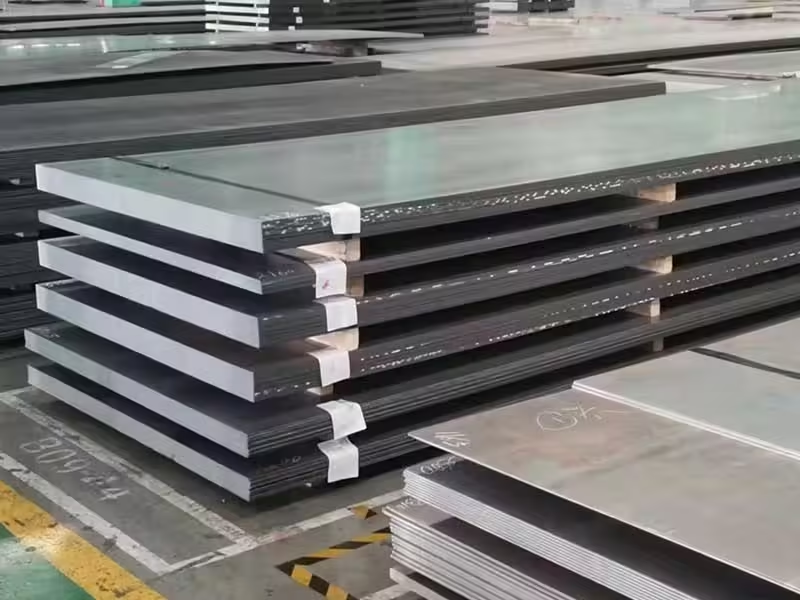
There are several types of plates designed to meet different structural and industrial requirements.
Carbon Steel Plates
Commonly used in general construction projects, carbon plates offer cost-effective strength suitable for structural frameworks, flooring, and machinery support.
Alloy Steel Plates
These plates provide enhanced strength and toughness, making them ideal for heavy-load applications such as bridges, high-rise buildings, and industrial equipment.
High-Strength Plates
Designed for demanding projects, high-strength plates perform exceptionally well under heavy loads and harsh environments. They are widely used in infrastructure, large factories, and stadiums.
Grades and Standards
Structural steel plates follow strict standards to ensure safety and performance. Common benchmarks include ASTM, EN, and JIS. Each grade specifies mechanical and chemical properties, including tensile strength, yield strength, and hardness. Selecting the proper grade depends on your project’s requirements and environmental conditions.
Sizes, Thickness, and Dimensions
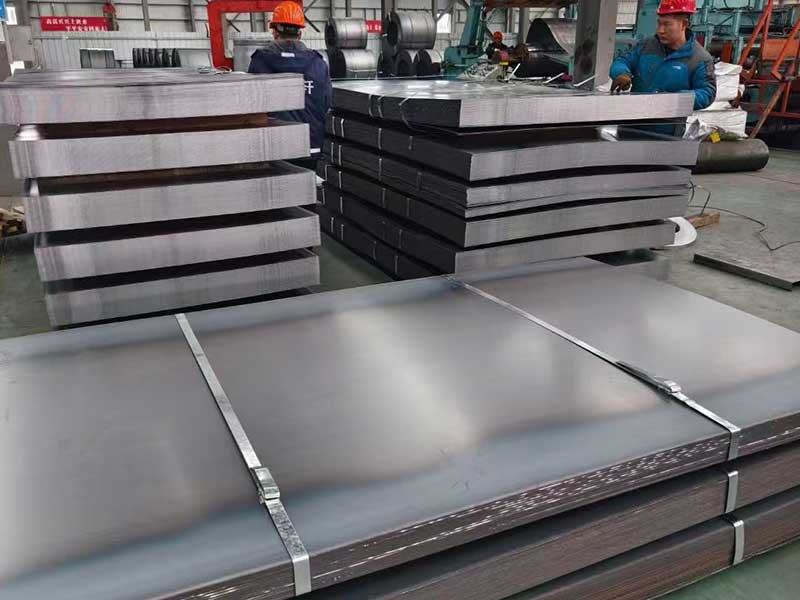
Steel plates come in various sizes and thicknesses. Choosing the right dimensions ensures efficiency and safety.
| Plate Type | Thickness Range | Common Sizes (mm) | Applications |
|---|---|---|---|
| Carbon Plate | 6 – 200 | 1000 x 2000 | Structural beams, flooring |
| Alloy Plate | 10 – 150 | 1250 x 2500 | Bridges, machinery |
| High-Strength Plate | 12 – 200 | 1500 x 3000 | Heavy infrastructure, high-rise |
This table helps engineers quickly select the appropriate plate type and size for specific projects.
Properties and Performance
Steel plates are evaluated by mechanical and physical properties:
- Tensile Strength: Maximum load a plate can withstand before breaking.
- Yield Strength: Stress at which permanent deformation occurs.
- Corrosion Resistance: Critical for outdoor and industrial applications.
- Ductility: Allows slight flex without cracking under heavy loads.
Understanding these properties ensures reliable performance in construction projects.
Applications
Steel plates are versatile and used across industries:
- Structural beams and columns
- Bridges and industrial facilities
- Heavy machinery components
- Custom plates for specialized projects
As a manufacturer, we offer custom dimensions and grades to meet project specifications.
How to Choose the Right Plate
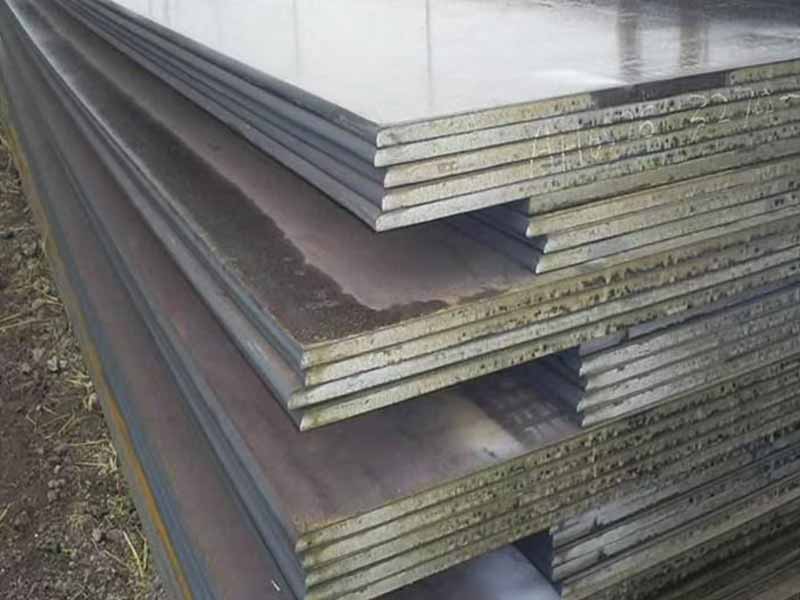
Factors to consider when selecting steel plates:
- Load-bearing requirements
- Environmental conditions such as humidity and temperature
- Budget considerations
- Mild steel vs high-strength options
Our team assists clients in choosing optimal plates to ensure safety, efficiency, and cost-effectiveness.
Maintenance and Longevity
Proper handling and maintenance extend the life of steel plates:
- Store plates in dry, covered areas
- Apply protective coatings when needed
- Inspect regularly for wear, corrosion, or damage
Maintaining plates preserves both lifespan and structural integrity.
Where to Buy High-Quality Plates
Purchasing directly from a manufacturer ensures authenticity, quality, and competitive pricing. We provide:
- Bulk orders for large projects
- Custom plates meeting exact dimensions and grades
- Expert guidance on material selection
Common Challenges and Solutions
Challenges can arise despite steel plates’ strength:
- Handling and transporting heavy plates
- Meeting strict project specifications
- Compliance with international standards
Our company provides solutions, including customized fabrication, delivery services, and technical support.
Conclusion
Steel plates are vital for building strong and durable structures. Selecting the right type, grade, and size is critical for project success. As a trusted manufacturer, we deliver high-quality plates that meet industry standards and client needs. Contact us today for custom orders, bulk purchases, or expert consultation to ensure your project is supported by the best materials.
FAQ – Construction Steel Plates
Q1: What are construction steel plates used for?
A: Construction steel plates are used in buildings, bridges, industrial facilities, and heavy machinery to provide strength, durability, and structural support.
Q2: What types of construction steel plates are available?
A: Common types include carbon steel plates for general construction, alloy steel plates for heavy-load applications, and high-strength steel plates for demanding infrastructure projects.
Q3: How do I choose the right construction steel plate?
A: Consider project requirements such as load-bearing capacity, environmental conditions, plate thickness, and grade. Manufacturers can provide guidance and custom solutions.
Q4: Can construction steel plates be customized?
A: Yes, many manufacturers offer custom sizes, grades, and thicknesses to meet specific project needs, ensuring optimal performance and safety.
Q5: How should construction steel plates be maintained?
A: Store plates in dry, covered areas, apply protective coatings if needed, and inspect regularly to prevent rust and ensure long-lasting performance.
 English
  Korean
  Arabic
  Vietnamese