

Carbon steel plates are among the most widely used materials in infrastructure and industrial projects. Known for their strength, affordability, and adaptability, they play a critical role in construction, heavy machinery, energy facilities, and transportation systems.
In projects where load-bearing capacity and structural stability are essential, carbon steel plates applications provide a dependable solution. With standardized grades and in-stock availability, they also support fast delivery for time-sensitive engineering needs.
Table of Contents
What Are Carbon Steel Plates
Carbon steel plates are flat steel products with carbon as the primary alloying element. Depending on carbon content, they can be classified as low-carbon, medium-carbon, or high-carbon steel plates, each offering different mechanical properties.
In carbon steel plates applications, low- and medium-carbon grades are most commonly used due to their balance of strength, toughness, and weldability.
Key Advantages of Carbon Steel Plates Applications
High Strength and Load Capacity
Carbon steel plates offer excellent mechanical strength, making them suitable for load-bearing structures and heavy-duty applications.
Cost Efficiency
Compared with alloy or stainless steel, carbon steel plates provide reliable performance at a more economical cost, especially for large-scale projects.
Good Weldability and Fabrication
Carbon steel plates can be easily cut, welded, bent, and formed, allowing flexibility in fabrication and on-site construction.
In-Stock Supply and Fast Delivery
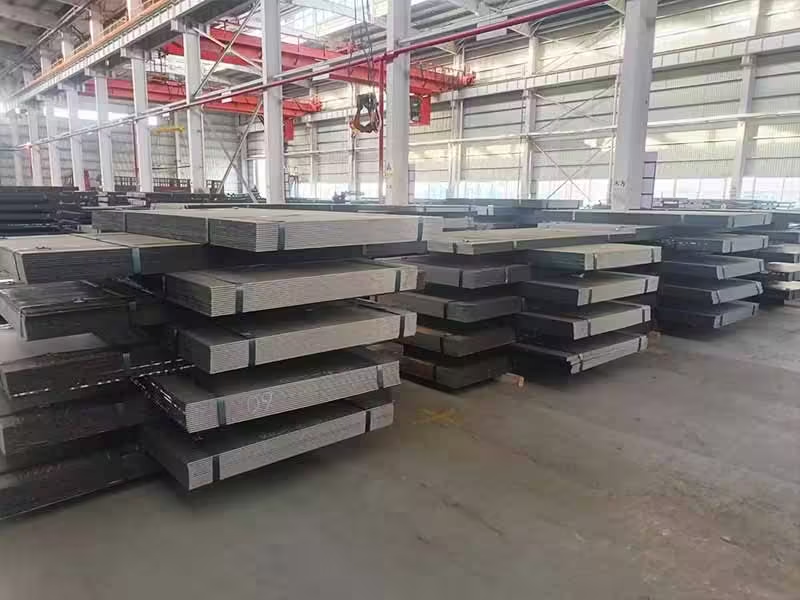
Common grades and thicknesses are kept in stock, enabling immediate shipment and helping projects stay on schedule.
Construction and Infrastructure Applications
Building Structures and Foundations
Carbon steel plates are widely used in building frames, base plates, columns, and foundation systems. Their strength ensures stability in residential, commercial, and industrial construction.
Bridges and Transportation Infrastructure
Bridges, highways, and railway projects rely on carbon steel plates for decks, supports, and reinforcement components due to their load-bearing capability and durability.
Industrial Manufacturing Applications
Heavy Machinery and Equipment
Carbon steel plates are used in machinery frames, equipment bases, and structural supports where mechanical strength and impact resistance are required.
Industrial Platforms and Supports
Factories and processing plants use carbon steel plates for walkways, platforms, and safety structures that must withstand constant use and heavy loads.
Energy and Power Generation Uses
Power Plants and Substations
In power generation facilities, carbon steel plates are used for structural frames, equipment supports, and protective housings exposed to mechanical stress.
Oil, Gas, and Petrochemical Facilities
Carbon steel plates are commonly used in tanks, pressure vessels, and structural components within oil and gas processing plants.
Common Specifications for Carbon Steel Plates
| Specification | Typical Range | Application |
|---|---|---|
| Thickness | 3 mm – 100 mm | Structural and industrial use |
| Width | Up to 2500 mm | Machinery, construction |
| Length | Up to 12000 mm | Infrastructure projects |
| Grade | ASTM A36, Q235, Q345 | Construction and industry |
These specifications support a wide range of carbon steel plates applications across infrastructure and industrial sectors.
Quality Control and Standards Compliance
Carbon steel plates undergo strict inspection processes, including chemical composition analysis, tensile testing, and dimensional checks. Compliance with ASTM, EN, and GB standards ensures consistent quality and safe performance.
Logistics and Fast Supply Capability
With stock maintained for popular sizes and grades, carbon steel plates can be shipped quickly. This fast supply capability is especially valuable for urgent repairs, expansions, and large-scale infrastructure projects.
Sustainability and Lifecycle Performance
Carbon steel plates are fully recyclable and support sustainable construction practices. Their long service life also reduces material replacement frequency and overall project costs.
Selecting the Right Carbon Steel Plates
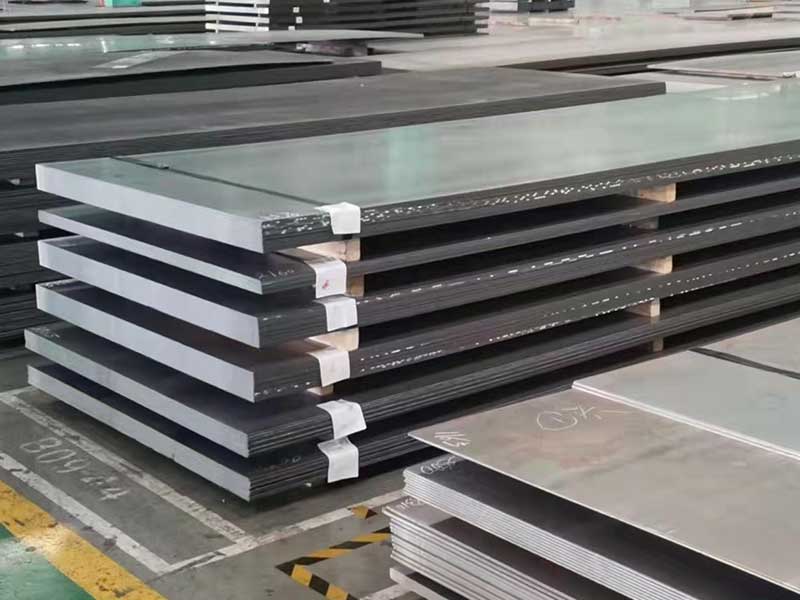
Choosing suitable carbon steel plates depends on load requirements, fabrication methods, environmental exposure, and applicable standards. Working with a reliable supplier ensures technical compatibility and timely delivery.
Conclusion
Carbon steel plates applications are fundamental to infrastructure, construction, energy, and industrial manufacturing projects. With strong mechanical performance, cost efficiency, and in-stock availability, carbon steel plates remain a practical and reliable material choice for demanding engineering environments.
FAQ
What are carbon steel plates applications commonly used for?
They are used in construction structures, machinery bases, bridges, tanks, and industrial platforms.
Why choose carbon steel plates over stainless steel?
Carbon steel plates offer high strength and cost efficiency for large-scale projects where corrosion resistance is less critical.
Can carbon steel plates be delivered quickly?
Yes, many standard grades and thicknesses are kept in stock for fast delivery.
Are carbon steel plates easy to fabricate?
Yes, they have good weldability and can be cut and formed easily.
Are carbon steel plates recyclable?
Yes, carbon steel is fully recyclable and environmentally sustainable.
 English
  Korean
  Arabic
  Vietnamese