

Table of Contents
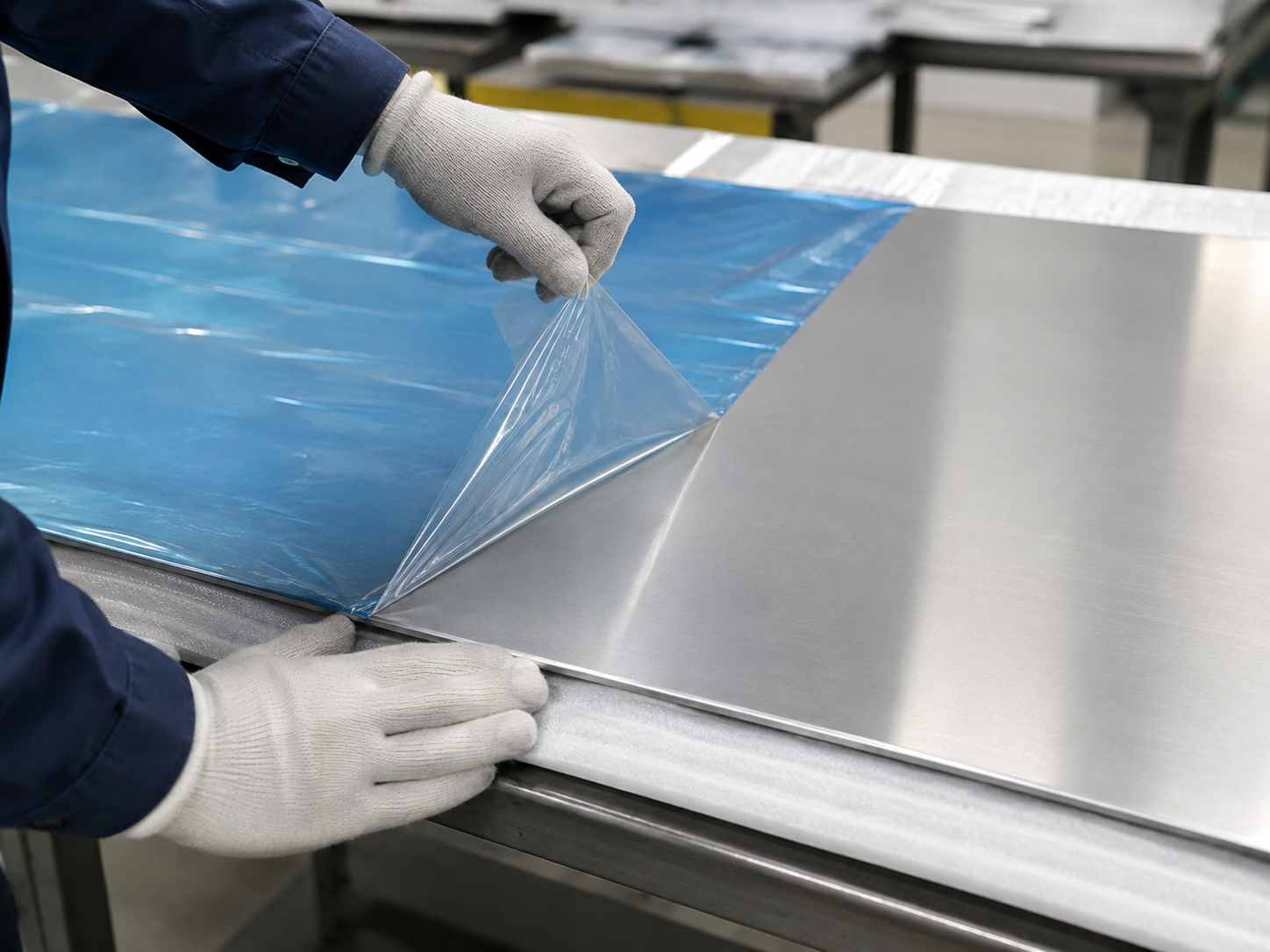
Aluminum sheet protective film is a temporary barrier used to reduce scratches, abrasion, dirt, and handling marks on selected surfaces during processing, transport, storage, and installation. It is not a permanent coating and must be matched to the metal finish and removal conditions.
A reliable aluminum sheet protective film specification identifies the protected face, surface finish, adhesive behavior, fabrication route, exposure, storage time, and removal deadline. Choosing film only by color or thickness can lead to lifting, tearing, residue, staining, or damage to the underlying finish.
Define What Needs Protection
Start with the appearance zone and operations that create risk. Brushed, polished, anodized, painted, laminated, and mill-finish surfaces do not present the same adhesion or marking behavior. State whether one face or both faces need protection.
Aluminum sheet protective film should protect the actual customer-visible surface without hiding defects that should be rejected before shipment. Define which marks are acceptable outside cosmetic zones and whether edge exposure is permitted after slitting, shearing, punching, or profiling.
Match Film to the Surface
Adhesive compatibility must be evaluated on the specific finish, coating chemistry, cure condition, texture, and cleanliness. A film suitable for bare metal may not release cleanly from an organic coating, and a low-energy or textured surface may need different adhesion.
Qualify aluminum sheet protective film with representative panels. Check application, forming, storage, temperature exposure, peel behavior, residue, gloss change, color change, and surface imprint. Supplier declarations should not replace a trial under the intended process.
Select Adhesion and Thickness
Film thickness influences puncture resistance, conformability, and handling, while adhesive level influences hold and removal. Higher adhesion is not automatically better. Excessive adhesion can increase peel force or residue risk; insufficient adhesion can lift at edges or during fabrication.
The aluminum sheet protective film requirement should define performance rather than assume that a color identifies a grade. Record the approved film construction or measurable acceptance criteria, protected face, winding direction, and any printing restrictions.
Account for Fabrication
Roll forming, bending, deep drawing, laser cutting, punching, routing, and shearing can stretch, melt, tear, wrinkle, or trap aluminum sheet protective film. Film fragments can contaminate tooling or remain in seams. Heat from cutting and curing processes may alter adhesive behavior.
Disclose every fabrication step before approval. For demanding forming, test the aluminum sheet protective film on production alloy, temper, thickness, coating, tools, lubricant, and bend direction. Decide whether film remains during fabrication or is removed before a particular operation.
Control Storage and Exposure
Heat, ultraviolet exposure, moisture, chemical fumes, pressure, and time can change film release. Store protected sheet indoors under the approved temperature and humidity range, away from direct sunlight and water. Rotate stock using traceable receipt and application dates.
An aluminum sheet protective film is temporary. The film manufacturer or qualified process must define the maximum dwell and exposure conditions. Avoid promising a universal storage period because adhesive, finish, climate, packaging, and installation schedules vary.
Plan Clean Removal
Plan aluminum sheet protective film removal before the sheet enters service. Define who removes the film, the acceptable peel direction, temperature range, and deadline. Pulling abruptly across a sharp edge can tear the film or create a handling hazard.
If aluminum sheet protective film leaves residue, isolate the lot and consult the approved film and coating instructions before using solvents or tools. Aggressive chemicals, heat, abrasives, or blades can damage coatings and finishes. Test any cleaning method on a noncritical area.
| Observed issue | Possible cause | First control |
|---|---|---|
| Edge lifting | Low adhesion, contamination, forming strain | Check surface and approved film |
| Adhesive residue | Excess dwell, heat, incompatible adhesive | Isolate and review removal limits |
| Gloss or color change | Finish interaction or uneven exposure | Compare approved control panel |
| Tearing during forming | Film construction or severe strain | Run a production trial |
| Marks under film | Pre-existing damage or trapped debris | Inspect application and clean surface |
Inspect Film and Sheet
At receipt, verify material identity, protected face, film continuity, wrinkles, bubbles, edge lift, punctures, contamination, telescoping, and packaging damage. Inspect an agreed sample beneath the film without removing protection from the entire shipment.
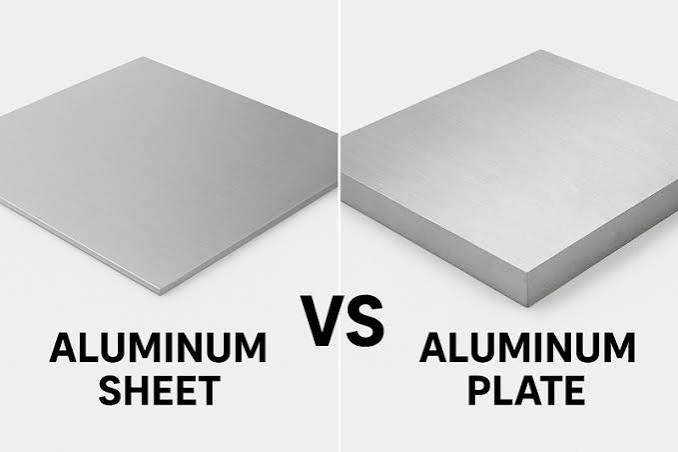
The comparison table helps distinguish film failure from pre-existing sheet damage. Review the aluminum sheet and plate product range and the coated aluminum guide when matching aluminum sheet protective film to the finish and fabrication route.
- Identify the cosmetic face and finish.
- Approve film on representative coated or bare sheet.
- State adhesion, thickness, application direction, and printing limits.
- Disclose cutting, forming, heating, and joining operations.
- Control storage exposure and trace application dates.
- Define removal responsibility and deadline.
- Inspect aluminum sheet protective film before and after a sample peel.
Write the RFQ
State alloy, temper, thickness, dimensions, finish, coating, color, gloss, protected face, film construction or performance, adhesive level, application direction, fabrication, storage, removal conditions, inspection, labels, and packaging. Require written approval for substitutions.
Use ASTM B209/B209M for applicable base sheet requirements and the Aluminum Association standards resources for recognized product references. Aluminum sheet protective film remains an additional temporary-protection requirement.
Frequently Asked Questions
What does aluminum sheet protective film protect against?
It is intended to reduce specified scratches, abrasion, dirt, and handling marks during agreed processing and logistics. It does not correct underlying defects or replace permanent protection.
Why does protective film leave adhesive residue on aluminum?
Common contributors include incompatible adhesive, excessive dwell, heat, ultraviolet exposure, contamination, coating interaction, pressure, and removal outside the qualified conditions.
When should protective film be removed from aluminum sheet?
Remove it within the approved dwell period and environmental limits, normally before service. The exact timing must come from the qualified film and finish system.
Can aluminum sheet be bent with protective film attached?
Sometimes, but the film must be qualified for the alloy, temper, finish, bend severity, tooling, and lubricant. It can wrinkle, tear, lift, or mark the surface.
Should protective film be applied to both sides?
Only when both faces require protection. The RFQ should identify each protected face because unnecessary film adds handling and removal requirements.
Request a Protection Review
Send Huanhai Zhongke the alloy, temper, finish, protected face, fabrication steps, storage exposure, removal timing, inspection, and packaging requirements for an aluminum sheet protective film compatibility review.
 English
  Korean
  Arabic
  Vietnamese