
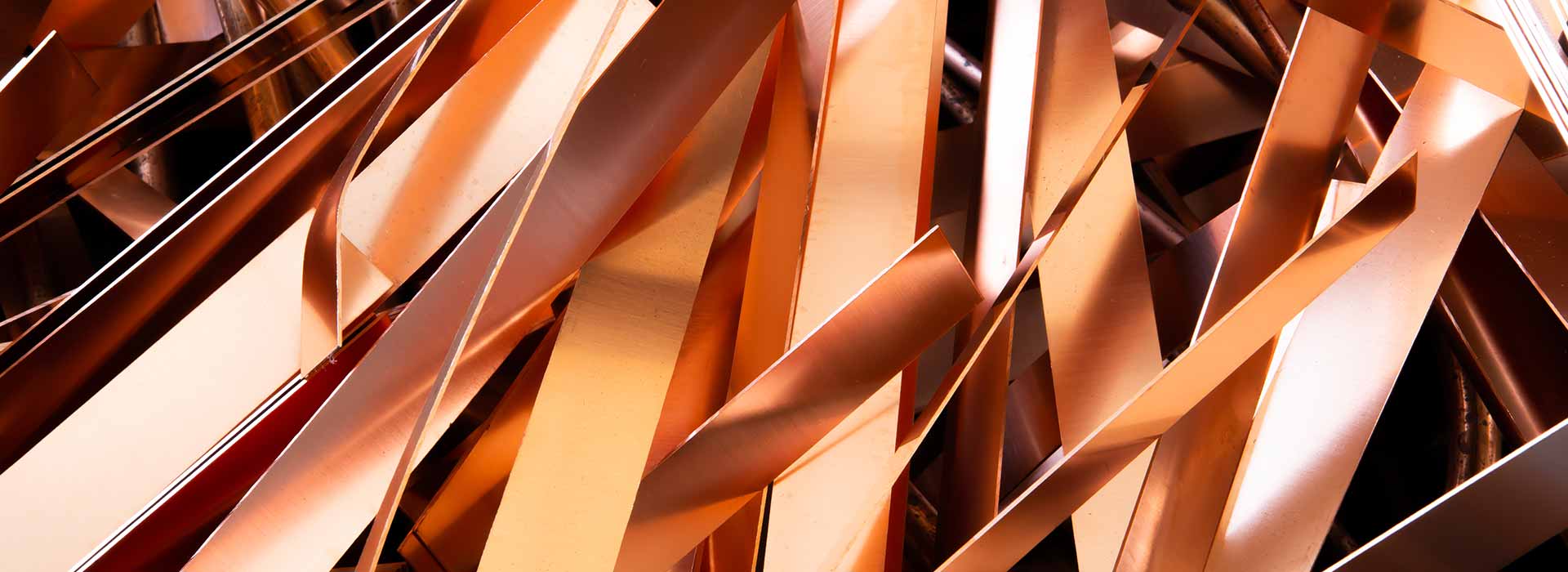
Aluminum sheet for industrial roofing and warehouse buildings is widely used in factories, storage facilities, logistics centers, and commercial warehouses. Roofing and wall panels require durable, corrosion-resistant materials capable of withstanding weather exposure, temperature fluctuations, and heavy environmental loads over decades.
Aluminum sheet provides lightweight strength, corrosion resistance, long-term durability, and ease of installation, making it ideal for industrial and commercial construction. Its high strength-to-weight ratio reduces structural load, simplifies construction, and lowers overall project costs.
Table of Contents
Why Aluminum Is Preferred for Industrial Roofing
Industrial roofing requires materials that offer:
Corrosion resistance under rain, snow, and humidity
Lightweight for reduced structural load
Easy fabrication for panels and cladding
Fire resistance for building safety
Long-term durability in outdoor environments
Aluminum naturally forms a protective oxide layer, preventing rust without additional coatings, ensuring minimal maintenance throughout its service life.
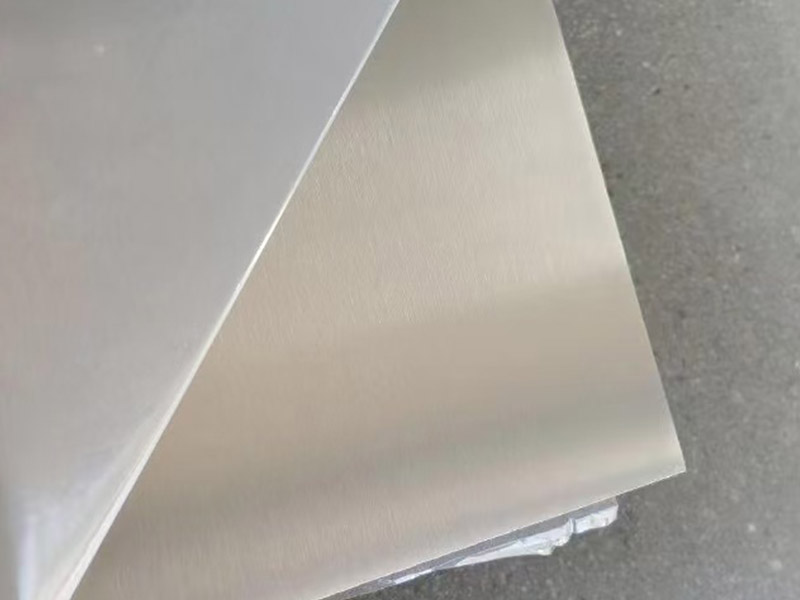
Common Aluminum Alloys for Industrial Roofing
3003 Aluminum Sheet
3003 aluminum sheet is widely used in industrial roofing due to:
Good corrosion resistance
Excellent formability for roofing profiles
Cost-effective for large-scale applications
Adequate strength for standard panels and wall cladding
5052 Aluminum Sheet
5052 aluminum sheet offers higher strength and enhanced corrosion resistance. It is often selected for:
Industrial facilities in coastal areas
Warehouses exposed to high humidity
Heavy-duty roof panels
Panels requiring long service life
5052 alloy ensures both structural integrity and environmental durability under harsh outdoor conditions.
Technical Specifications Overview
| Parameter | Typical Range | Description |
|---|---|---|
| Alloy | 3003 / 5052 | Construction-grade aluminum |
| Thickness | 1.0–6.0 mm | Roofing and wall panel fabrication |
| Width | Up to 2000 mm | Large panel forming |
| Surface Finish | PVDF / Powder Coating / Anodized | Weather-resistant finish |
| Tensile Strength | 130–260 MPa | Structural durability |
| Standard | ASTM B209 / EN 485 | International compliance |
Thickness selection depends on wind load, roof slope, and building dimensions.
Surface Treatment and Weather Resistance
Roofing panels are exposed to UV radiation, rain, snow, and industrial pollutants. Common treatments include:
PVDF coating for superior UV and color stability
Powder coating for decorative and protective purposes
Anodizing for enhanced corrosion protection
These finishes ensure the panels maintain color, strength, and durability for decades.
Structural Performance and Wind Load Resistance
Industrial and warehouse buildings are subject to strong wind pressure and heavy precipitation. Aluminum roofing panels must withstand:
Wind uplift and pressure
Thermal expansion and contraction
Snow and rain load
Temperature fluctuations
Proper alloy selection, thickness, and panel design guarantee reliable structural performance.
Fabrication Advantages for Roofing Manufacturers
Aluminum sheet supports:
Roll forming for corrugated panels
CNC cutting and bending
Custom roof profiles
Riveting, folding, and assembly
Large-scale panel production
Its lightweight and ductile properties allow manufacturers to create durable, easy-to-install roofing solutions efficiently.
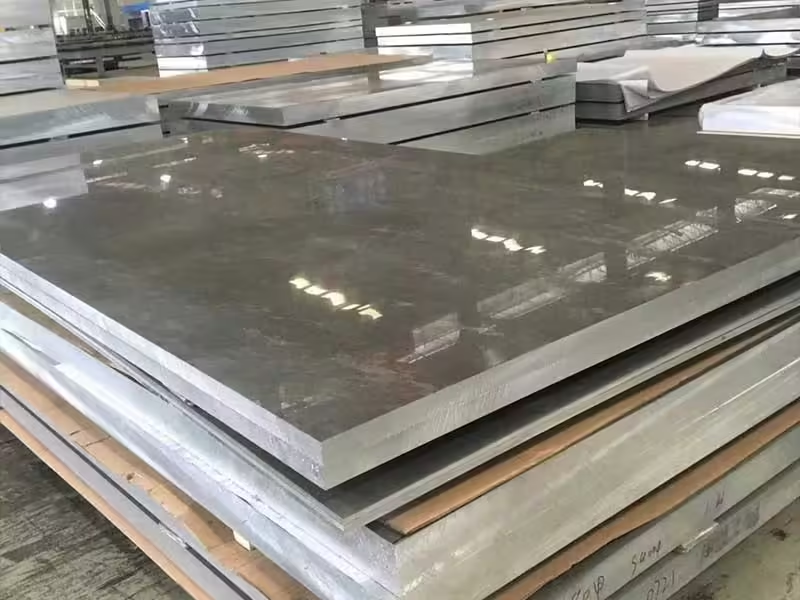
Applications in Industrial Construction
Aluminum sheet for industrial roofing and warehouse buildings is used in:
Factory roofing and cladding
Storage warehouses
Logistics and distribution centers
Commercial sheds and carports
Cold storage facilities
Agricultural storage buildings
Its corrosion resistance, fire safety, and long-term durability make it suitable for industrial and commercial applications.
Comparison with Steel Roofing
Galvanized steel panels are heavier and prone to rust in high-humidity areas. Aluminum offers:
Lower weight
Corrosion resistance
Ease of installation
Reduced maintenance cost
For projects requiring long-term durability and lightweight roofing solutions, aluminum sheet is the optimal material.
Quality Control and Certification
Suppliers provide:
Thickness and dimensional inspection
Surface finish verification
Mechanical property testing
Mill Test Certificates
Compliance with ASTM B209 and EN 485 ensures acceptance in international construction projects.
Supply Capacity for EPC and Construction Projects
Large-scale roofing and warehouse projects require stable material supply. Suppliers provide:
Bulk aluminum sheet in 3003 and 5052 alloys
Custom cutting and coating
Protective packaging
Project-based delivery coordination
Reliable supply ensures timely completion of roofing and cladding installation.
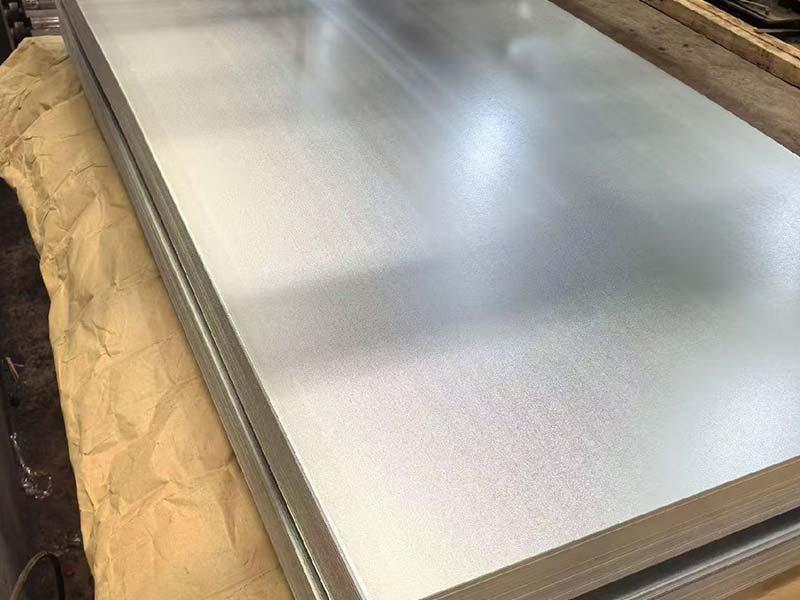
Market Outlook
Urban industrial development, warehouse expansion, and modern logistics infrastructure continue to drive demand for durable, lightweight roofing materials. Aluminum sheet for industrial roofing and warehouse buildings remains a core material in modern construction.
Conclusion
Aluminum sheet for industrial roofing and warehouse buildings offers lightweight strength, corrosion resistance, fabrication flexibility, and long-term durability.
For building contractors and EPC project developers, selecting certified aluminum sheet ensures structural integrity, safety compliance, and extended service life.
FAQ
Q1: Which alloy is better for coastal warehouses?
5052 aluminum sheet offers improved corrosion resistance.
Q2: What thickness is typical for industrial roofing panels?
1.0–6.0 mm depending on building size and environmental conditions.
Q3: Can aluminum panels be color coated?
Yes, PVDF and powder coatings provide long-lasting color and protection.
Q4: Is aluminum lightweight compared to steel?
Yes, reducing structural load and easing installation.
Q5: Is bulk supply available for large warehouse projects?
Yes, suppliers support industrial-scale EPC projects and bulk orders.
 English
  Korean
  Arabic
  Vietnamese