

Aluminum sheet for HVAC duct fabrication is widely used in the production of air conditioning ducts, ventilation systems, exhaust channels, and industrial airflow distribution systems. HVAC systems are essential for maintaining indoor air quality, temperature control, and energy efficiency in commercial buildings, hospitals, factories, and data centers.
Material performance is critical in HVAC applications. Aluminum sheet for HVAC duct fabrication provides lightweight structure, corrosion resistance, thermal conductivity, and ease of installation, making it a preferred choice for modern ventilation systems.
With growing demand for energy-efficient and environmentally friendly building solutions, high-quality aluminum sheet remains a key material in HVAC manufacturing.
Table of Contents
Why Aluminum Is Preferred for HVAC Ducts
HVAC systems require materials that offer:
Lightweight for easier handling and installation
Resistance to corrosion in humid or chemically treated environments
Smooth surface for optimal airflow
Thermal stability for heating and cooling
Ease of fabrication into complex duct shapes
Aluminum sheet reduces system weight, which minimizes structural load on ceilings and support frameworks. Its corrosion resistance ensures long-term durability in residential, commercial, and industrial environments.
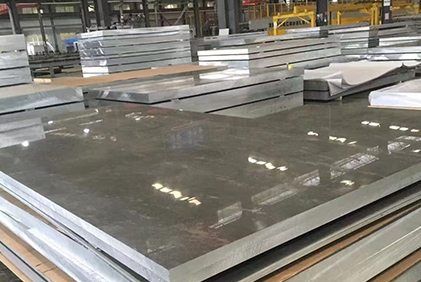
Common Aluminum Alloys for HVAC Ducts
3003 Aluminum Sheet
3003 aluminum sheet is commonly used in HVAC applications due to:
Good corrosion resistance
Excellent formability for custom duct shapes
Cost-effective for large-scale projects
Adequate strength for standard ventilation ducts
5052 Aluminum Sheet
5052 aluminum sheet offers higher strength and enhanced corrosion resistance, ideal for:
High-humidity environments
Industrial exhaust systems
Coastal or saline-prone areas
HVAC systems requiring longer service life
5052 alloy ensures structural integrity and reliability under demanding operating conditions.
Technical Specifications Overview
| Parameter | Typical Range | Description |
|---|---|---|
| Alloy | 3003 / 5052 | Industrial-grade aluminum |
| Thickness | 0.5–3.0 mm | Standard HVAC duct fabrication |
| Width | Up to 1500 mm | Supports large duct forming |
| Surface Finish | Mill finish / Brushed / Anodized | Smooth airflow surfaces |
| Tensile Strength | 130–260 MPa | Structural stability |
| Standard | ASTM B209 / EN 485 | International compliance |
Thickness selection depends on duct size, airflow pressure, and installation type.
Corrosion Resistance in HVAC Systems
HVAC ducts are exposed to:
Indoor humidity
Condensation
Mild chemical cleaning agents
Temperature variation
Aluminum sheet forms a protective oxide layer that prevents corrosion and maintains smooth airflow channels. In industrial or coastal environments, 5052 aluminum is recommended for enhanced corrosion protection.
Thermal Conductivity and Efficiency
Aluminum’s thermal conductivity improves HVAC efficiency by:
Facilitating heat transfer in heated or chilled air systems
Reducing energy consumption
Minimizing temperature loss across ducts
Lightweight aluminum ducts also reduce fan energy requirements, enhancing system efficiency.
Fabrication Advantages for Duct Manufacturers
Aluminum sheet supports:
Roll forming and bending
CNC cutting and perforation
Laser cutting for precision components
Riveting, folding, and welding
Custom shapes for complex HVAC layouts
Its excellent ductility allows manufacturers to produce tailored duct solutions without compromising structural integrity.
Applications in HVAC Industry
Aluminum sheet for HVAC duct fabrication is used in:
Commercial office buildings
Industrial factories
Hospitals and laboratories
Data centers and server rooms
Residential high-rise ventilation systems
Cleanrooms and food processing plants
Its lightweight, corrosion-resistant properties make it ideal for both indoor and semi-outdoor duct applications.
Comparison with Galvanized Steel Ducts
Galvanized steel ducts are heavier and harder to install.
Aluminum offers:
Lower weight
Better corrosion resistance in humid environments
Easier fabrication and customization
For projects requiring energy efficiency and rapid installation, aluminum sheet is a preferred material.

Quality Control and Compliance
Professional aluminum sheet suppliers provide:
Thickness inspection
Surface finish verification
Mechanical property testing
Mill Test Certificates
Compliance with ASTM B209 or EN 485 ensures acceptance in international construction projects.
Supply Capacity for HVAC Projects
Large-scale HVAC systems require stable material supply. Suppliers offer:
Bulk aluminum sheet in 3003 and 5052 alloys
Custom cutting and coil supply
Protective packaging for delivery
Project-based coordination for installation schedules
Reliable supply ensures timely completion of HVAC installations in commercial and industrial projects.
Market Outlook
With global focus on energy efficiency, green building standards, and indoor air quality, demand for lightweight, corrosion-resistant HVAC materials continues to grow.
Aluminum sheet for HVAC duct fabrication remains a core material in modern ventilation and air conditioning systems.
Conclusion
Aluminum sheet for HVAC duct fabrication provides lightweight strength, corrosion resistance, fabrication flexibility, and long-term reliability.
For HVAC system manufacturers and building contractors, selecting certified aluminum sheet ensures efficient, safe, and durable duct systems.
FAQ
Q1: Which aluminum alloy is best for humid environments?
5052 aluminum sheet provides enhanced corrosion resistance.
Q2: Can aluminum HVAC ducts be easily customized?
Yes, aluminum’s ductility allows roll forming, bending, and CNC cutting.
Q3: What thickness is typical for standard ducts?
0.5–3.0 mm depending on airflow and duct size.
Q4: How does aluminum improve HVAC efficiency?
Lightweight ducts reduce fan energy consumption, and high thermal conductivity reduces temperature loss.
Q5: Is bulk supply available for large HVAC projects?
Yes, suppliers support industrial-scale HVAC fabrication and EPC projects.
 English
  Korean
  Arabic
  Vietnamese