

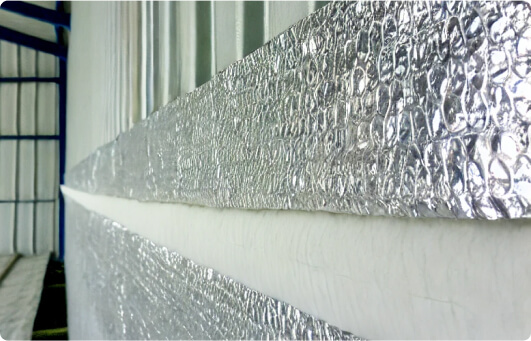
In modern construction, energy efficiency and thermal performance are essential. Aluminum foil for building insulation is widely used to improve heat retention, reduce energy costs, and enhance building durability. Its reflective properties make it a key component in walls, roofs, and HVAC systems.
For contractors, architects, and building material suppliers, sourcing high-quality aluminum foil for insulation with ready stock ensures project timelines are met and quality standards are maintained.
Table of Contents
What Is Aluminum Foil for Building Insulation
Aluminum foil for building insulation is a thin, reflective foil used in combination with other insulation materials such as foam, fiberglass, or bubble wrap. Its primary role is to reflect radiant heat, reduce thermal transfer, and improve overall energy efficiency.
High-quality aluminum foil for building insulation features:
- Uniform thickness
- High reflectivity
- Durability and tear resistance
- Fire-retardant coating options
- Compatibility with common insulation materials
This material is essential for both residential and commercial construction projects.
Technical Specifications Overview
| Parameter | Typical Range |
|---|---|
| Alloy | 8011 / 1235 |
| Thickness | 10–30 microns |
| Width | 300–1200 mm |
| Roll Length | 50–200 meters |
| Reflectivity | ≥ 95% |
| Fire Rating | Class B or higher (optional) |
| Application | Wall, roof, HVAC insulation |
Thickness and reflectivity are critical for effective thermal insulation. Fire-resistant coatings can be added for compliance with local building codes.
Key Benefits of Aluminum Foil in Construction
1. Thermal Efficiency
Aluminum foil reflects radiant heat, reducing heat transfer through walls, ceilings, and roofs. This helps maintain interior temperatures and lowers energy costs.
2. Moisture Barrier
The foil layer prevents moisture penetration into insulation materials, protecting structural components from mold, corrosion, and degradation.
3. Lightweight and Easy to Install
Aluminum foil rolls are lightweight, flexible, and easy to cut or layer with other insulation materials, reducing labor costs during installation.
4. Fire Safety
High-quality aluminum foil can be coated with fire-retardant materials, improving building safety without compromising insulation performance.
5. Durability
Foil resists tearing and puncturing during installation, ensuring long-term performance and minimal maintenance.

Comparison: Aluminum Foil vs Traditional Insulation Materials
| Feature | Aluminum Foil | Fiberglass / Foam |
|---|---|---|
| Reflectivity | High | Low |
| Moisture Resistance | Excellent | Moderate |
| Installation Ease | High | Moderate |
| Fire Resistance | Optional | Varies |
| Lifespan | Long | Moderate |
Aluminum foil is often used as a reflective layer in combination with traditional insulation to maximize performance.
Applications in Building Projects
Residential Construction
Used in attics, walls, and under roofs to reduce heat gain in summer and heat loss in winter.
Commercial Buildings
Applied in HVAC ductwork and roofing systems to enhance thermal performance and energy efficiency.
Industrial Facilities
Used for machinery insulation, cold storage, and pipe wrapping to maintain temperature stability and energy savings.
Renovation Projects
Foil insulation is ideal for retrofitting older buildings without extensive structural changes.
Quality Control Standards
Suppliers of aluminum foil for building insulation perform rigorous quality checks to ensure:
- Thickness uniformity
- High reflectivity
- Fire-retardant coating quality
- Mechanical strength
- Compliance with local building codes and ISO standards
Consistent quality guarantees reliable performance and energy efficiency over the building’s lifespan.
Supply Chain and Bulk Availability
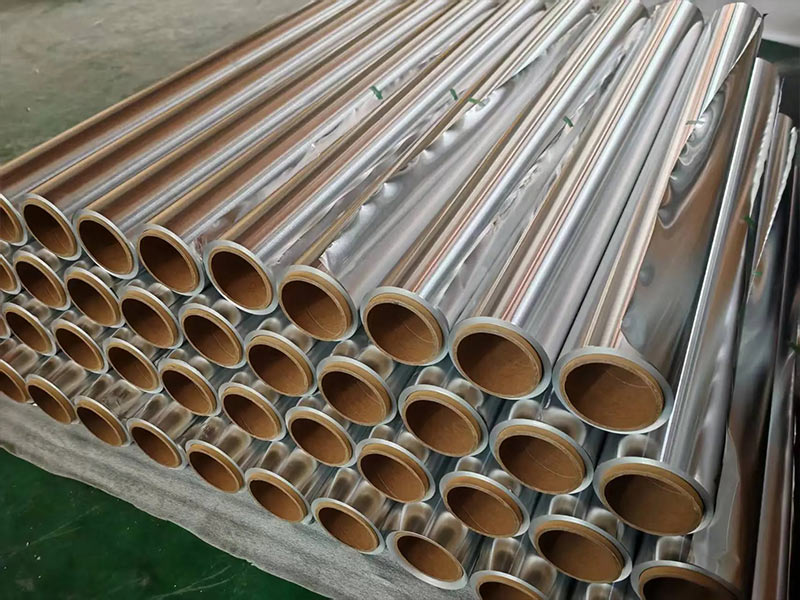
Construction projects require timely material delivery. Suppliers maintaining ready stock of aluminum foil for building insulation provide:
- Large-volume rolls for commercial and residential projects
- Custom widths and lengths
- Fast shipping and consistent batch quality
Reliable supply ensures construction timelines are met without material shortages.
Sustainability Considerations
Aluminum is fully recyclable, and its use in insulation supports energy efficiency and reduced carbon footprint. Using reflective aluminum foil can significantly lower energy consumption in buildings, contributing to sustainable construction practices.
Market Trends
Demand for aluminum foil in building insulation is growing due to:
- Increasing focus on energy-efficient construction
- Rising global construction activity
- Expansion of sustainable building initiatives
- Growing adoption in HVAC and roofing systems
Contractors and developers investing in high-quality foil insulation gain long-term energy savings and building performance benefits.
Conclusion
Aluminum foil for building insulation provides exceptional thermal efficiency, moisture resistance, and fire safety. Its lightweight, durable, and reflective properties make it a reliable material for residential, commercial, and industrial applications.
Choosing high-quality aluminum foil with ready stock ensures consistent performance, faster installation, and long-term building energy savings.
FAQ
What thickness is standard for aluminum foil used in insulation?
Typically 10–30 microns depending on application and reflectivity requirements.
Is aluminum foil safe for fire-rated insulation?
Yes, fire-retardant coatings can be applied to meet building codes.
Can aluminum foil be used in retrofitting projects?
Yes, it is lightweight and easy to install on existing structures.
Does aluminum foil improve energy efficiency?
Yes, its reflective surface reduces heat transfer and lowers energy costs.
Is bulk supply available for construction projects?
Yes, suppliers maintain ready stock for fast delivery to large-scale projects.
 English
  Korean
  Arabic
  Vietnamese