
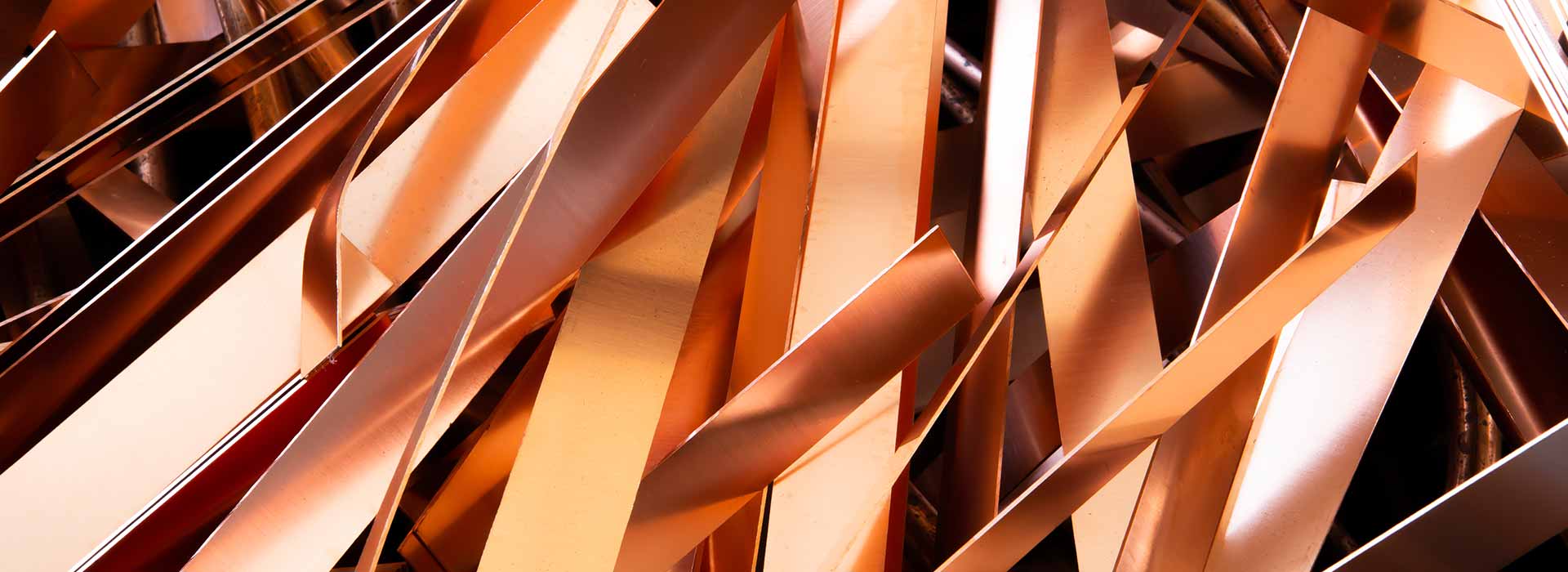
Aluminum busbar for power distribution systems is widely used in substations, switchgear cabinets, transformer connections, industrial power panels, renewable energy systems, and data centers. Modern electrical infrastructure requires materials that combine high conductivity, lightweight performance, corrosion resistance, and cost efficiency.
Aluminum busbar for power distribution systems offers excellent electrical conductivity with lower weight compared to copper, making it a preferred solution for medium and high-current applications. As industries expand toward renewable energy and smart grids, aluminum busbars play a crucial role in efficient energy transmission.
Table of Contents
What Is an Aluminum Busbar
An aluminum busbar is a flat or rectangular conductor used to distribute electricity within electrical systems. It serves as a central connection point for multiple circuits and equipment components.
Key characteristics include:
High current carrying capacity
Low electrical resistance
Efficient heat dissipation
Mechanical strength for structural stability
Lightweight for easier installation
Aluminum busbar for power distribution systems provides reliable electrical performance while reducing material cost.
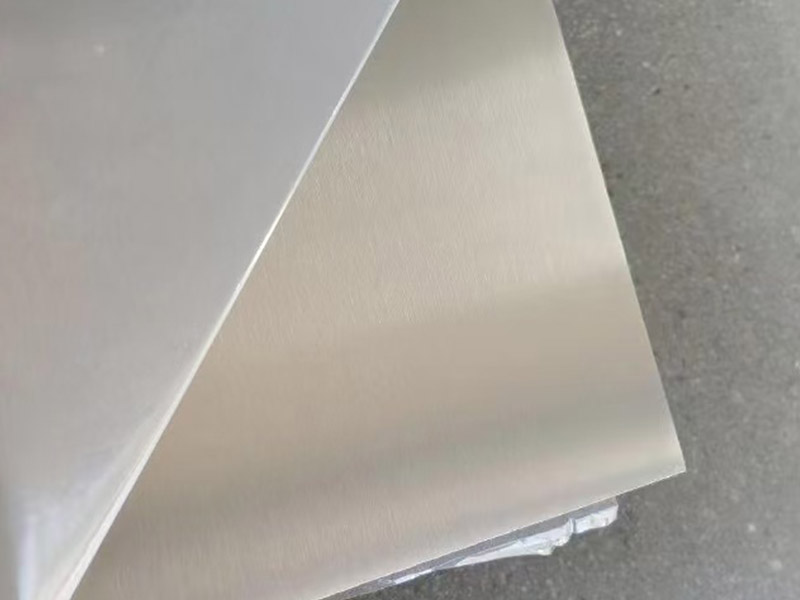
Why Choose Aluminum Over Copper
Copper has higher conductivity but aluminum offers several competitive advantages:
Lower material cost
50% lighter weight
Easier handling and installation
Better weight-to-conductivity ratio
Reduced overall system load
For large-scale substations and renewable energy installations, aluminum busbar for power distribution systems significantly lowers infrastructure cost without compromising safety.
Common Aluminum Grades for Busbars
6101 Aluminum Alloy
6101 aluminum is widely used for electrical applications due to:
High electrical conductivity
Good mechanical strength
Excellent formability
Stable performance under load
It is the most common alloy used in aluminum busbar for power distribution systems.
1350 Aluminum Alloy
1350 aluminum provides:
Very high electrical conductivity
Suitable for high-current transmission
Good corrosion resistance
It is often used in applications requiring maximum conductivity.
Technical Specifications Overview
| Parameter | Typical Range | Description |
|---|---|---|
| Alloy | 6101 / 1350 | Electrical-grade aluminum |
| Conductivity | 55–61% IACS | High electrical performance |
| Thickness | 3–15 mm | Standard busbar profiles |
| Width | 20–200 mm | Flexible sizing |
| Surface | Mill finish / Tin plated | Enhanced conductivity |
| Standard | ASTM B317 / ASTM B236 | Electrical compliance |
Thickness and width depend on voltage, current capacity, and installation requirements.
Electrical Performance and Current Capacity
Aluminum busbar for power distribution systems supports:
Medium voltage systems
High-current industrial equipment
Renewable energy inverters
Battery storage systems
Data center power distribution units
Proper cross-sectional sizing ensures safe current carrying capacity and minimizes overheating.
Thermal Conductivity and Heat Dissipation
Aluminum dissipates heat effectively, reducing the risk of overheating in high-load systems.
Advantages include:
Improved system stability
Reduced thermal expansion stress
Longer equipment lifespan
Efficient heat management is critical in modern high-density power environments.
Surface Treatment Options
To improve performance and durability, aluminum busbars may feature:
Tin plating for improved contact resistance
Anodizing for corrosion resistance
Anti-oxidation surface treatments
These treatments enhance long-term reliability in industrial and outdoor environments.
Applications in Modern Power Infrastructure
Aluminum busbar for power distribution systems is used in:
Substations
Switchgear panels
Solar power plants
Wind energy systems
Industrial manufacturing facilities
Data centers
Electric vehicle charging stations
As global electrification expands, aluminum busbars become essential components in energy distribution networks.
Mechanical Strength and Installation
Despite being lightweight, aluminum busbars provide:
Good mechanical rigidity
Vibration resistance
Structural reliability
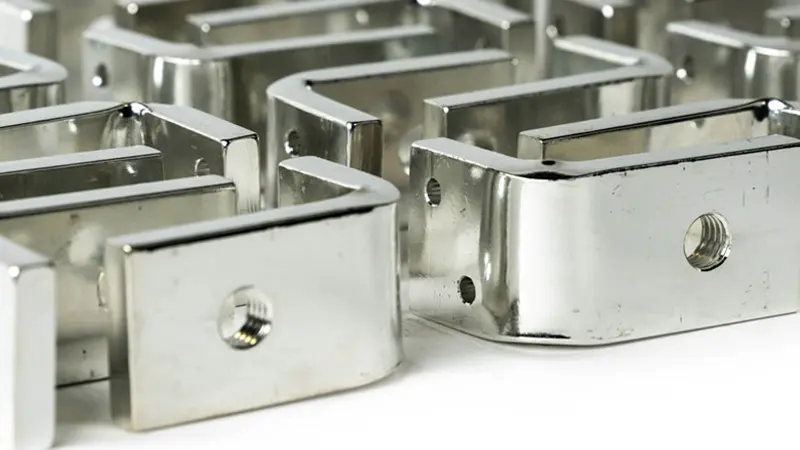
They are easy to cut, drill, and bend, allowing custom fabrication for complex installations.
Quality Control and Compliance
Professional manufacturers provide:
Electrical conductivity testing
Mechanical strength verification
Dimensional inspection
Mill Test Certificates
Compliance with ASTM electrical standards ensures safety and international acceptance.
Supply Capacity for Electrical Contractors
Large infrastructure projects require reliable supply. Manufacturers offer:
Bulk aluminum busbar production
Custom dimensions
Precision cutting
Protective packaging
Project-based scheduling
Stable supply ensures timely completion of substations and renewable energy installations.
Market Outlook
The global shift toward renewable energy, electric vehicles, and smart grids continues to increase demand for efficient and cost-effective conductors.
Aluminum busbar for power distribution systems remains a strategic material in next-generation electrical infrastructure.
Conclusion
Aluminum busbar for power distribution systems delivers high conductivity, lightweight efficiency, mechanical strength, and cost advantages.
For electrical contractors, EPC companies, and renewable energy developers, selecting certified aluminum busbars ensures safe, efficient, and long-lasting power distribution.
FAQ
Q1: Is aluminum busbar suitable for high-current applications?
Yes, proper sizing ensures safe and reliable high-current performance.
Q2: Which alloy offers better conductivity?
1350 aluminum provides higher conductivity, while 6101 offers better mechanical strength.
Q3: Can aluminum busbars replace copper?
Yes, in many industrial and renewable energy systems aluminum is a cost-effective alternative.
Q4: Is surface plating necessary?
Tin plating is recommended for improved contact performance.
Q5: Is bulk supply available for power projects?
Yes, manufacturers support large-scale electrical infrastructure projects.
 English
  Korean
  Arabic
  Vietnamese