

Table of Contents
A stainless steel plate order should not stop at grade and thickness. Surface finish can influence corrosion performance, cleanability, weld preparation, coating behavior, appearance, and the amount of finishing work required after fabrication. For industrial buyers, choosing the right stainless steel plate finish is a practical production decision, not a cosmetic afterthought.
This guide explains how to specify stainless steel plate finish for machinery, tanks, food equipment, architectural panels, chemical equipment, and general fabrication. It avoids price discussion and focuses on the details that help buyers reduce rework: finish type, protective film, flatness, surface defects, edge condition, and inspection records.
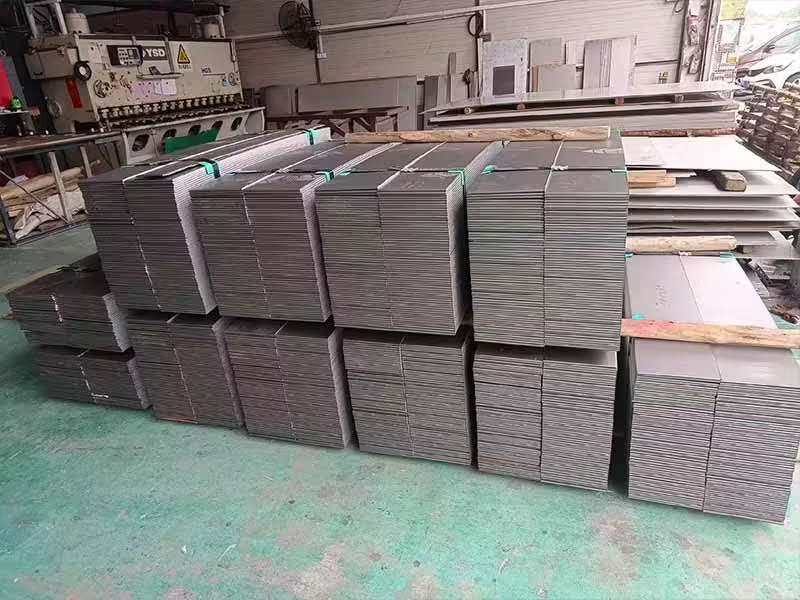
Surface Finish Is a Functional Choice
The surface of stainless steel plate affects how the material behaves during cutting, bending, welding, cleaning, and service. A rougher industrial finish may be acceptable for hidden structural parts, while a visible equipment panel may need a more consistent brushed or polished finish. In hygienic or food-contact equipment, surface condition can also affect how easily residue is removed during cleaning.
Buyers reviewing stainless steel plate options should define whether the part is structural, decorative, food-related, chemical-service, heat-resistant, or general fabrication material. That single application statement helps narrow the finish and inspection standard before the supplier prepares a quotation.
For external reference, stainless steel families and corrosion behavior are widely described by the World Stainless Association. The final purchase decision should still be tied to the project grade, surface requirement, fabrication process, and the buyer?? own acceptance criteria.
Common Stainless Steel Plate Finishes
Several surface finishes are common in stainless steel plate supply. A No.1 hot-rolled annealed and pickled finish is often used for industrial plate where appearance is not the primary concern. 2B is smoother and common for sheet and lighter plate applications. Brushed, polished, and mirror-like surfaces may be selected for visible panels, equipment housings, or architectural work.
| Finish | Typical use | Buyer note |
|---|---|---|
| No.1 | Industrial plate, tanks, structural fabrication | Prioritizes process suitability over appearance |
| 2B | General sheet and formed parts | Good baseline for many clean surfaces |
| Brushed | Visible panels and equipment surfaces | Confirm grain direction and protective film |
| Polished | Decorative or cleanability-focused parts | Define grit, roughness, and acceptance method |
The same finish name can still vary by mill, thickness, and processing route. If surface appearance is important, buyers should request photos, samples, or a surface roughness requirement instead of relying only on a finish label. For visible stainless steel plate, grain direction and protective film should also be stated in the order.
Connect Finish to Fabrication
Fabrication can change or damage the surface. Laser cutting may leave heat tint or edge oxidation. Bending can mark the plate if tooling is not protected. Welding can discolor the heat-affected zone and may require pickling, passivation, grinding, or polishing after fabrication. A buyer who orders a high-end finish but ignores downstream processing may still receive finished parts that need additional work.
If stainless steel plate will be welded, the inquiry should state whether post-weld cleaning is required and whether the plate must arrive with protective film. If the plate will be bent into visible panels, specify film type, grain direction, bend direction, and acceptable surface marks. For a broader grade discussion, buyers can compare this article with how to choose stainless steel plate grades before locking the finish.
Inspection Points for Visible Parts
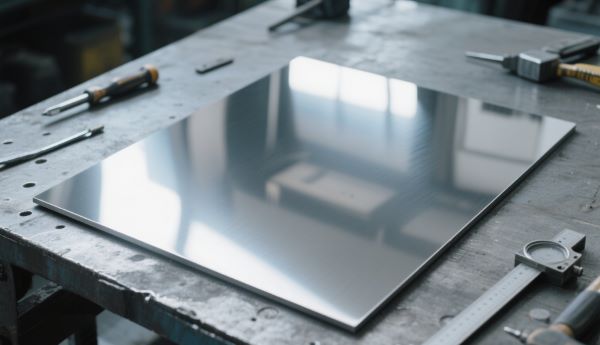
For visible or hygiene-sensitive parts, inspection should include more than thickness and grade. Check for scratches, pits, roller marks, oil stains, uneven brushing, dents, film damage, edge burrs, and color differences between plates. If multiple plates will be installed next to each other, consistent direction and batch control may matter.
Mechanical and chemical documentation should still be requested for stainless steel plate, especially where grade verification is important. Common documentation includes a mill test certificate, heat number, grade, dimensions, weight, and inspection information. For critical corrosion service, the buyer may add PMI testing, surface roughness measurement, or other project-specific inspection.
It is also useful to separate surface expectations by face. Some equipment builders need one protected presentation face and one ordinary back face. Others need both sides protected because the stainless steel plate will be visible after installation. If only one side is critical, mark the required face clearly in the drawing or purchase note. This prevents unnecessary polishing work and gives the receiving team a fair basis for inspection.
Storage and handling should be included in the quality plan. Stainless steel plate can be scratched by carbon steel tools, contaminated by grinding dust, or stained by poor storage conditions. Use clean lifting equipment, keep protective film intact until fabrication allows removal, and avoid dragging plates across rough surfaces. For brushed or polished material, even small handling marks can create rework that costs more time than the original surface requirement.
How to Write the Inquiry
A strong inquiry should include grade, standard, thickness, width, length, finish, surface protection, edge condition, tolerance, quantity, packaging, intended fabrication method, and required documents. If the surface is visible after installation, say so directly. If it will be polished after welding, say that as well. Suppliers can only align the stainless steel plate supply with the real job when the inquiry gives enough context.
For repeat production, keep one approved stainless steel plate sample, photo record, or surface roughness target as a reference. Written finish names are helpful, but visual and measurable references reduce arguments when the material is used for panels, cabinets, tanks, or architectural parts. The goal is not to over-specify every order; it is to define the finish well enough that production can proceed without avoidable surface disputes.
- Define grade, standard, dimensions, and tolerance.
- Name the required finish and whether appearance is critical.
- State bending, welding, cutting, polishing, or coating plans.
- Confirm protective film, grain direction, edge condition, and packaging.
- Agree inspection documents and surface acceptance criteria before shipment.
Surface finish is one of the easiest stainless steel plate details to misunderstand. Treating it as a specification item from the beginning gives the buyer better control over appearance, fabrication efficiency, and final service performance.
 English
  Korean
  Arabic
  Vietnamese