

Choosing the right aluminum material is not only about comparing prices or checking basic dimensions. For industrial buyers, engineers, fabricators, and OEM manufacturers, the wrong alloy, temper, thickness, or surface finish can lead to production delays, poor forming results, corrosion problems, or unnecessary material waste.
This aluminum alloy selection guide explains how to choose aluminum plate, coil, rod, and foil for various industrial applications. It also helps buyers understand the key differences between common aluminum alloys such as 1060, 1100, 3003, 5052, 5083, 6061, 6082, and 7075.
Whether your project involves machining parts, sheet metal fabrication, building components, marine structures, packaging, heat exchange, or general industrial manufacturing, selecting the right aluminum product from the outset can improve performance, control costs, and streamline procurement.
Table of Contents
Why Aluminum Is Widely Used in Industrial Projects
Aluminum is one of the most practical non-ferrous metals for modern manufacturing. It offers a strong combination of low weight, corrosion resistance, workability, electrical conductivity, and surface finish options.
Compared with many steel materials, aluminum is much lighter. This makes it valuable for applications where weight reduction matters, such as transportation equipment, machinery parts, architectural panels, marine structures, and moving components. Aluminum also forms a natural oxide layer on the surface, giving it good corrosion resistance in many indoor and outdoor environments.
Another major advantage is processing flexibility. Aluminum can be rolled into sheets and coils, extruded or drawn into bars and rods, processed into foil, cut to size, bent, welded, drilled, stamped, anodized, or coated. This gives buyers many options when matching material form with production needs.
For procurement teams, aluminum is also attractive because it can be supplied in many standard and customized specifications. This makes it suitable for both small-batch fabrication and large-volume industrial production.
Main Aluminum Product Forms Buyers Should Understand
Before selecting a specific alloy, buyers should first identify the correct product form. The same alloy may perform differently depending on whether it is supplied as plate, coil, rod, or foil.
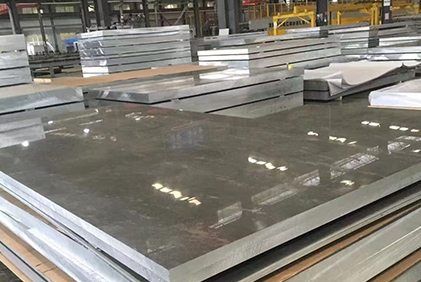
Aluminum Plate
Aluminum plate is commonly used for structural parts, machined components, molds, equipment panels, base plates, marine parts, and heavy-duty fabrication. It is usually thicker than aluminum sheet and provides better rigidity.
Buyers should pay attention to thickness tolerance, flatness, surface quality, alloy grade, and whether cutting-to-size service is required. For CNC machining or load-bearing use, plate quality and internal stress control are especially important.
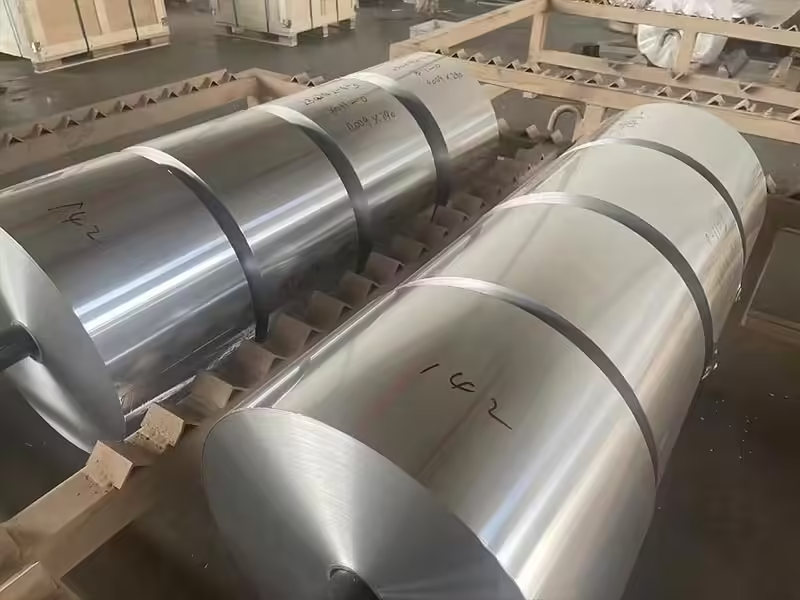
Aluminum Coil
Aluminum coil is suitable for continuous production lines, stamping, roofing, cladding, HVAC components, insulation layers, and sheet metal processing. It is supplied in coil form, which improves production efficiency for manufacturers that need automated feeding or high-volume processing.
Important purchasing factors include coil width, thickness, alloy, temper, surface condition, inner diameter, outer diameter, and packaging protection.
Aluminum Rod and Bar
Aluminum rod and bar are widely used for machined parts, shafts, fasteners, fittings, connectors, support parts, tooling components, and structural elements. Round bar, square bar, hex bar, and custom bar shapes may be selected according to processing requirements.
For machined parts, buyers should consider machinability, strength, dimensional tolerance, straightness, and surface finish.
Aluminum Foil
Aluminum foil is thin, flexible, lightweight, and highly formable. It is used in packaging, insulation, heat exchange, electronics, battery-related components, and industrial wrapping applications.
Key selection factors include thickness, width, pinhole control, surface cleanliness, tensile strength, elongation, and whether the foil needs coating, lamination, or special surface treatment.

Common Aluminum Alloys and Their Typical Applications
Different aluminum alloys are designed for different performance priorities. Some are better for corrosion resistance, some for forming, some for machining, and some for high-strength applications.
| Aluminum Alloy | Main Features | Common Product Forms | Typical Applications | Buyer Notes |
|---|---|---|---|---|
| 1060 | High aluminum purity, good conductivity, excellent formability | Coil, sheet, foil | Electrical parts, signage, chemical equipment, packaging | Good for forming, not for high-strength structures |
| 1100 | Excellent corrosion resistance and workability | Sheet, coil, foil | Food-related equipment, heat exchangers, decorative panels | Suitable where strength requirements are moderate |
| 3003 | Good formability, better strength than 1100 | Sheet, coil, plate | Roofing, HVAC parts, tanks, general fabrication | A common choice for formed sheet metal parts |
| 5052 | Strong corrosion resistance, good fatigue strength | Sheet, plate, coil | Marine parts, vehicle panels, enclosures, outdoor equipment | Suitable for humid or corrosive environments |
| 5083 | Excellent marine corrosion resistance, higher strength | Plate, sheet | Shipbuilding, marine structures, pressure-related applications | Often selected for demanding marine projects |
| 6061 | Good strength, machinability, weldability | Plate, rod, bar | CNC parts, frames, fixtures, machinery components | One of the most versatile industrial alloys |
| 6082 | Higher strength, good machinability | Plate, bar, rod | Structural parts, bridges, transport equipment | Often used when stronger structural performance is required |
| 7075 | Very high strength, good machinability | Plate, rod, bar | Aerospace parts, molds, high-stress components | Not ideal for all welding or high-corrosion environments |
How to Match Aluminum Alloy with Application Requirements
A good aluminum material decision starts with the application environment. Buyers should not choose an alloy only because it is common or available in stock. The selected alloy must match how the material will be processed and used.
If the material needs deep drawing, bending, or stamping, formability should be the priority. 1060, 1100, and 3003 are often considered for applications that require easier forming.
If the part will be used outdoors, near moisture, or in marine environments, corrosion resistance becomes more important. 5052 and 5083 are stronger choices for these conditions.
If the project requires CNC machining, threaded parts, fixtures, or mechanical components, 6061 is often a practical option because it balances strength, machinability, and availability.
If the project requires high strength and relatively low weight, 7075 may be considered. However, buyers must also review corrosion conditions, welding requirements, and cost expectations before choosing it.
For architectural or decorative applications, surface quality, coating compatibility, color consistency, and flatness may matter more than maximum strength.
Understanding Aluminum Temper Before Purchasing
Alloy grade is only one part of aluminum selection. Temper is equally important because it defines the mechanical condition of the material.
Common temper designations include O, H14, H24, T4, T5, and T6. For example, an aluminum coil in H14 temper will behave differently from the same alloy in O temper. A 6061-T6 plate will have much higher strength than annealed 6061 material.
O temper generally means the material is soft and easier to form. H temper is often used for strain-hardened sheet and coil products. T temper is common in heat-treated alloys, especially 6000 and 7000 series aluminum.
For procurement, buyers should always confirm both alloy and temper in the purchase request. Ordering “6061 aluminum plate” is not specific enough. A clearer request would be “6061-T6 aluminum plate, cut to size, mill finish, with material certificate.”
Surface Finish and Coating Options
Surface finish affects appearance, corrosion resistance, processing quality, and final product performance. The correct finish depends on the application.
Mill finish is the standard surface condition after rolling or extrusion. It is suitable for many industrial uses where appearance is not the main concern.
Anodized aluminum provides improved surface hardness, corrosion resistance, and decorative appearance. It is commonly used in architectural, machinery, and consumer product applications.
Brushed or polished aluminum is often selected for decorative panels, equipment covers, and visible structural parts.
Coated aluminum, including color-coated or PVDF-coated materials, is common in construction, roofing, cladding, and outdoor panel systems.
For parts that require welding, bending, adhesive bonding, or coating after fabrication, buyers should confirm that the surface condition will not interfere with downstream processing.
Thickness, Tolerance, and Dimensional Accuracy
For aluminum plate, sheet, coil, rod, and foil, dimensions must be controlled according to the application.
For aluminum plate used in machining, flatness and thickness tolerance are critical. Poor flatness can increase machining time and reduce finished part accuracy.
For aluminum coil used in automated production, consistent thickness and coil width help reduce feeding problems, stamping defects, and production waste.
For aluminum rod and bar used in CNC machining, diameter tolerance, straightness, and surface quality influence tool life and finished part consistency.
For aluminum foil, even small thickness variations can affect packaging performance, insulation efficiency, or processing stability.
Buyers should provide clear tolerance requirements when requesting a quotation. If no tolerance is specified, the supplier may quote standard commercial tolerance, which may not meet precision application requirements.
Aluminum Plate vs Aluminum Sheet vs Aluminum Coil
Many buyers use the terms aluminum plate, aluminum sheet, and aluminum coil interchangeably, but they are not the same in industrial purchasing.
Aluminum sheet is generally thinner and easier to cut, bend, stamp, and form. It is commonly used for panels, covers, enclosures, ducting, and light fabrication.
Aluminum plate is thicker and stronger, making it suitable for structural parts, machined blocks, molds, heavy panels, and load-bearing applications.
Aluminum coil is supplied in rolled form and is more suitable for continuous processing, roofing production, cladding, stamping lines, and high-volume sheet production.
If your project requires many identical flat parts, coil may reduce production cost. If your project requires thick machined components, plate is more appropriate. If your project requires light panels or formed parts, sheet may be the most efficient choice.
Quality Documents Buyers Should Request
For industrial procurement, documentation is important. It helps confirm that the supplied aluminum material matches the required alloy, temper, specification, and performance.
Common documents include material test certificates, chemical composition reports, mechanical property reports, dimensional inspection records, and packing lists.
For export orders, buyers may also request product photos before shipment, packaging confirmation, shipping marks, and third-party inspection support when needed.
A reliable aluminum supplier should be able to provide clear documentation and help buyers avoid confusion between similar alloys or tempers.
Practical Case: Selecting Aluminum for an Equipment Manufacturer
A machinery equipment manufacturer needed aluminum material for three different parts: a machined support block, a protective cover, and a lightweight insulation layer. At first, the buyer planned to purchase one aluminum grade for all parts to simplify procurement.
After reviewing the application, the supplier recommended a more suitable combination. 6061-T6 aluminum plate was selected for the machined support block because it required strength, stability, and machinability. 5052 aluminum sheet was selected for the protective cover because it needed better bending performance and corrosion resistance. Thin aluminum foil was selected for the insulation layer because it required flexibility and lightweight protection.
This material combination helped the buyer improve part performance while avoiding unnecessary cost. It also reduced processing problems because each aluminum product matched its real application.
The case shows why aluminum selection should consider alloy, temper, product form, processing method, and final working environment together.
Common Mistakes to Avoid When Buying Aluminum Products
One common mistake is selecting aluminum based only on price. A lower-cost alloy may lead to higher processing waste or shorter service life if it does not match the application.
Another mistake is ignoring temper. The same alloy can have very different strength and formability depending on temper condition.
Some buyers also overlook surface requirements. For visible parts, decorative panels, or coated products, surface scratches, stains, or inconsistent finish can cause rejection.
Another issue is unclear specification communication. A purchase request should include alloy, temper, thickness, width, length, tolerance, surface finish, quantity, application, packaging requirement, and whether certificates are needed.
Finally, buyers should avoid assuming that one aluminum material can meet every requirement. Industrial projects often need different aluminum products for different components.
How to Work with an Aluminum Products Supplier
A professional aluminum supplier should do more than provide a price. The supplier should help confirm product form, alloy grade, temper, tolerance, surface finish, packaging, and delivery requirements.
Before requesting a quotation, buyers can prepare the following information:
Product form: plate, sheet, coil, rod, bar, or foil
Alloy and temper, if known
Thickness, width, length, diameter, or coil size
Required surface finish
Application or end-use environment
Processing method, such as bending, welding, CNC machining, stamping, or coating
Quantity and delivery schedule
Required quality documents
Clear information helps the supplier recommend the right aluminum material and provide a more accurate quotation.
Why Choose Jiatianxia for Aluminum Product Supply
Jiatianxia supplies a wide range of aluminum products, including aluminum plate, aluminum coil, aluminum rod, and aluminum foil for industrial and manufacturing applications. With experience in metal material supply, the company focuses on stable quality, precise processing, surface finish control, and reliable service for global buyers.
For industrial customers, consistent material quality and professional communication are just as important as product availability. Jiatianxia supports buyers with product consultation, specification matching, quality control, packaging, and export supply service.
If you are sourcing aluminum materials for machinery, construction, marine use, electrical components, packaging, or general fabrication, Jiatianxia can help you select suitable aluminum products according to your application requirements.
Conclusion
Aluminum material selection should not be treated as a simple purchasing task. The right aluminum product depends on alloy grade, temper, product form, thickness, tolerance, surface finish, processing method, and final application environment.
For buyers, a structured aluminum alloy selection guide can reduce risk and improve procurement efficiency. 1060 and 1100 are useful for formability and conductivity. 3003 is suitable for general sheet metal fabrication. 5052 and 5083 provide better corrosion resistance. 6061 and 6082 are practical for structural and machined parts. 7075 is selected when high strength is the priority.
If you need aluminum plate, aluminum coil, aluminum rod, or aluminum foil for an industrial project, contact Jiatianxia with your specifications. Our team can help you choose the right aluminum product and provide a quotation based on your project requirements.
FAQ
What is the most common aluminum alloy for industrial use?
6061 is one of the most common industrial aluminum alloys because it offers a good balance of strength, machinability, weldability, and availability. It is widely used for machinery parts, frames, fixtures, and CNC components.
Which aluminum alloy is best for corrosion resistance?
5052 and 5083 are commonly selected when corrosion resistance is important. 5083 is especially suitable for marine and harsh environments, while 5052 is widely used for sheet metal parts, outdoor panels, and equipment covers.
What is the difference between aluminum plate and aluminum coil?
Aluminum plate is usually thicker and supplied as flat material for machining or structural use. Aluminum coil is supplied in rolled form and is more suitable for continuous production, stamping, roofing, cladding, and sheet processing.
Is 7075 aluminum better than 6061 aluminum?
7075 aluminum has higher strength than 6061, but it is not always the better choice. 6061 is easier to weld and more versatile for general industrial applications. 7075 is mainly used when high strength and low weight are critical.
What information should I provide when requesting an aluminum quote?
You should provide alloy, temper, product form, thickness, width, length or diameter, surface finish, quantity, application, tolerance requirements, packaging needs, and required quality documents.
 English
  Korean
  Arabic
  Vietnamese