

Aluminum coil for air conditioner manufacturing is a critical material used in condenser and evaporator fins, heat exchangers, and air handling components. Its lightweight, excellent thermal conductivity, and corrosion resistance make it ideal for high-efficiency HVAC systems.
As energy efficiency standards rise globally, air conditioner manufacturers increasingly rely on high-quality aluminum coil for air conditioner manufacturing to ensure optimal heat transfer, structural stability, and long-term performance.
For OEM factories, suppliers, and procurement managers, understanding the specifications, alloy types, and coating options is essential for consistent production quality.
Table of Contents
What Is Aluminum Coil
Aluminum coil is a rolled aluminum product available in various alloys and temper grades. In air conditioner manufacturing, aluminum coil for air conditioner manufacturing is primarily used to produce fins and tubing due to its high thermal conductivity and lightweight properties.
The coil is typically produced from:
- 1100 series (excellent corrosion resistance)
- 3003 series (good strength and workability)
- 5005 series (enhanced corrosion resistance and anodizing capability)
These alloys can be anodized or coated for improved durability in HVAC environments.
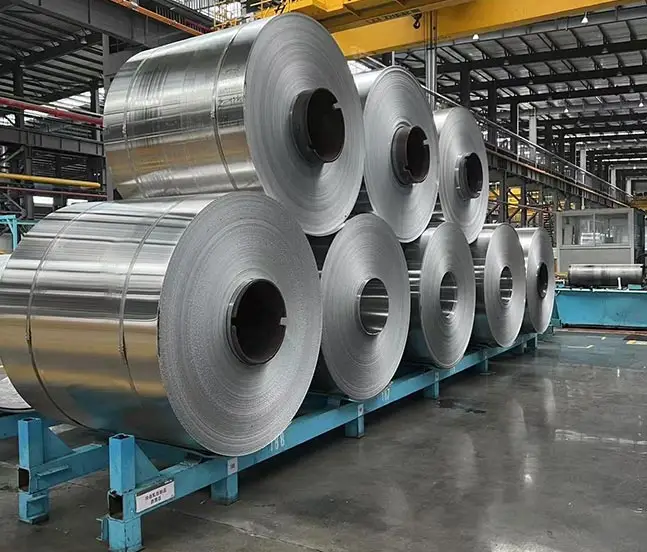
Technical Specifications Overview
| Parameter | Typical Range |
|---|---|
| Alloy Type | 1100, 3003, 5005 |
| Thickness | 0.1–1.2 mm |
| Width | 100–1500 mm |
| Temper | H14 / H18 / H24 |
| Surface Finish | Mill finish / Anodized / Coated |
| Coil Weight | 3–10 MT |
Selecting the right alloy, temper, and thickness ensures maximum thermal performance and corrosion resistance in air conditioner applications.
Why Aluminum Coil Is Ideal for AC Manufacturing
1. Superior Thermal Conductivity
Aluminum coil for air conditioner manufacturing allows for efficient heat transfer in condensers and evaporators, improving cooling efficiency and reducing energy consumption.
2. Lightweight and Strong
Compared with copper or steel alternatives, aluminum coil is lightweight yet provides adequate strength for fin and tubing applications, reducing overall appliance weight and easing installation.
3. Corrosion Resistance
Aluminum naturally forms a protective oxide layer, and additional anodizing or coating further enhances resistance to corrosion from moisture, condensation, and refrigerants.
4. Excellent Formability
Aluminum coil can be easily roll-formed, stamped, or finned without cracking, maintaining surface integrity and coating adhesion.
Applications in Air Conditioner Manufacturing
Condenser and Evaporator Fins
Aluminum coil for air conditioner manufacturing is widely used for heat exchanger fins, maximizing airflow and heat dissipation.
Tubing and Piping
Lightweight aluminum tubing ensures efficient coolant flow and reduces system weight without compromising performance.
Fan Housings and Duct Components
Corrosion-resistant aluminum coil is used in housings and internal ducts to extend service life and maintain airflow efficiency.
Heat Exchanger Plates
Aluminum coil can be formed into plates or foils for compact heat exchanger designs in residential and commercial units.
Supply and Quality Assurance
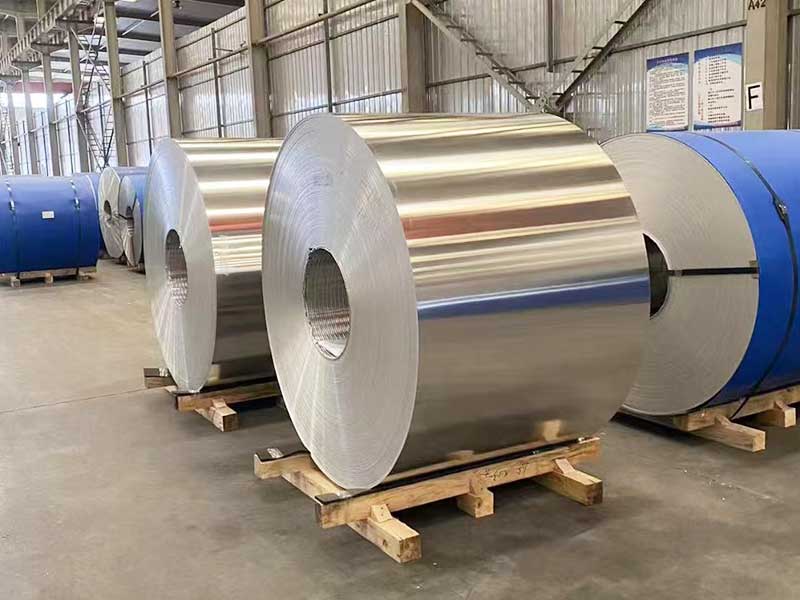
Reliable suppliers of aluminum coil for air conditioner manufacturing maintain:
- Stable alloy and temper stock
- Consistent thickness and width tolerance
- Surface finish control
- Coil packing to prevent damage during transit
Quality assurance includes mechanical property testing, chemical composition verification, and surface defect inspection to ensure performance in HVAC systems.
Market Trends
Demand for aluminum coil in AC manufacturing is rising due to:
- Growth in energy-efficient air conditioners
- Increasing HVAC installations in residential and commercial buildings
- Lightweight materials requirements for inverter-type AC units
- Global expansion of OEM manufacturing
Aluminum coil’s combination of thermal efficiency, lightweight, and corrosion resistance keeps it in high demand across HVAC manufacturers.
Conclusion
Aluminum coil for air conditioner manufacturing offers superior thermal performance, corrosion resistance, lightweight properties, and excellent formability. It is essential for producing condenser fins, evaporators, tubing, and other critical AC components. Reliable supply and consistent quality are key for OEMs to maintain production efficiency and product reliability.
FAQ
Q1: Which aluminum alloy is best for AC fins?
A1: 3003 and 5005 series are widely used due to strength and corrosion resistance.
Q2: Can aluminum coil be anodized for HVAC applications?
A2: Yes, anodizing improves corrosion resistance and surface durability.
Q3: What thickness is commonly used in air conditioner manufacturing?
A3: 0.1–0.6 mm is typical for condenser and evaporator fins.
Q4: Is bulk supply available for large OEM production?
A4: Yes, suppliers maintain stable coil stock and customizable packaging.
Q5: Does aluminum coil improve AC energy efficiency?
A5: Yes, its high thermal conductivity enhances heat transfer and cooling performance.
 English
  Korean
  Arabic
  Vietnamese