
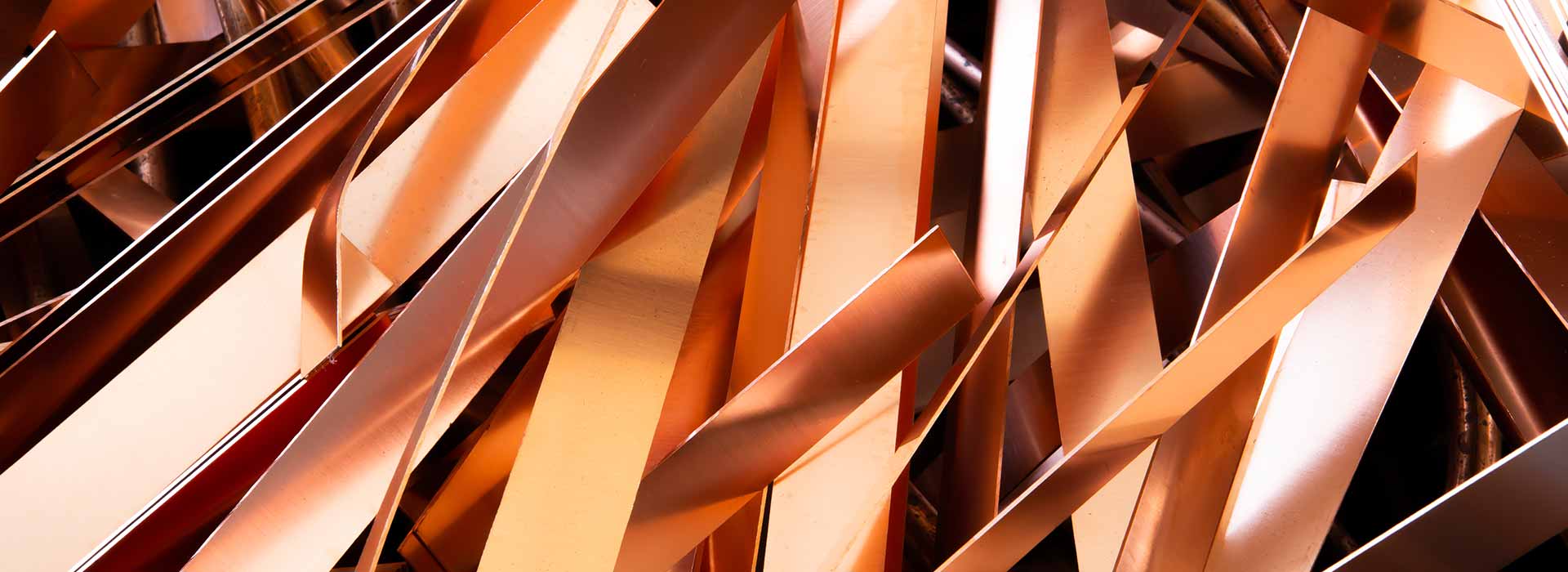
In modern architecture, the exterior envelope of a building plays a crucial role in aesthetics, functionality, and durability. Choosing the right material for cladding is not just about appearance—it directly affects long-term maintenance, structural load, and energy efficiency. Among contemporary materials, 5005 aluminum sheet for architectural cladding applications has emerged as a premium solution due to its corrosion resistance, lightweight nature, and excellent formability. For contractors and architects, having this material in stock ensures that projects proceed without delays, making it a strategic choice for fast-paced construction schedules.
Table of Contents
What Is 5005 Aluminum Sheet
5005 aluminum sheet belongs to the 5000 series of aluminum alloys, primarily alloyed with magnesium. This combination enhances corrosion resistance and provides sufficient mechanical strength while maintaining flexibility for fabrication. In architectural cladding, 5005 aluminum sheet can be used to produce facades, curtain walls, sunshades, decorative exterior panels, and even interior wall or ceiling applications.
The manufacturing process of 5005 aluminum sheet includes continuous casting, hot rolling, cold rolling, and surface treatment such as anodizing or PVDF coating. Each step ensures uniform thickness, smooth surface finish, and consistent mechanical performance suitable for long-term architectural applications.
Advantages of 5005 Aluminum Sheet for Architectural Cladding Applications
Corrosion Resistance
One of the most important features of 5005 aluminum sheet is its ability to withstand harsh environmental conditions. The magnesium content provides excellent resistance to corrosion, especially in coastal areas or regions with high humidity. This makes it a superior choice compared to other alloys or steel options, ensuring long-term durability with minimal maintenance.
Lightweight and Structural Efficiency
The low density of aluminum significantly reduces the weight of cladding systems, which decreases the structural load on the building framework. This reduction translates into lower construction costs and simplified installation, particularly in high-rise buildings or structures with large façades. Architects and engineers can design more ambitious projects without worrying about excessive weight.
Surface Finish and Aesthetic Flexibility
5005 aluminum sheet supports a wide range of surface treatments and finishes:
- Mill finish
- Anodized coating for enhanced corrosion resistance
- PVDF coating for long-lasting color retention
- Powder coating for customizable architectural effects
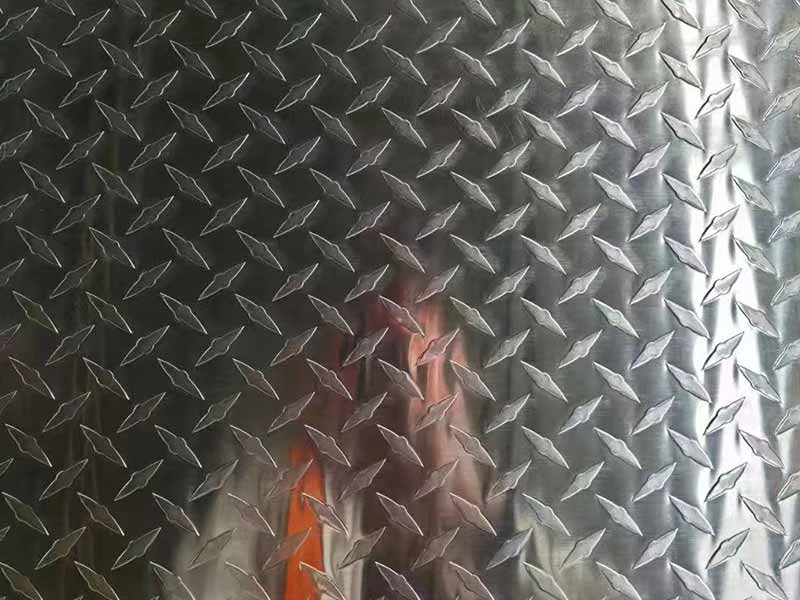
- Brushed or embossed textures for unique designs
These options allow architects to match visual aesthetics while maintaining structural and environmental performance.
Formability and Fabrication
Unlike some other metals, 5005 aluminum sheet exhibits excellent formability. It can be bent, roll-formed, or shaped into complex panel profiles with minimal risk of cracking. This property is critical for custom façades, curved panels, or decorative elements, allowing designers to realize creative architectural concepts efficiently.
Energy Efficiency
Aluminum naturally reflects sunlight, which helps reduce heat absorption on building exteriors. When integrated into insulated wall systems, 5005 aluminum sheet contributes to lower indoor cooling demand and improved energy efficiency. This feature is especially beneficial for commercial buildings, retail centers, and industrial facilities aiming for green building certifications.
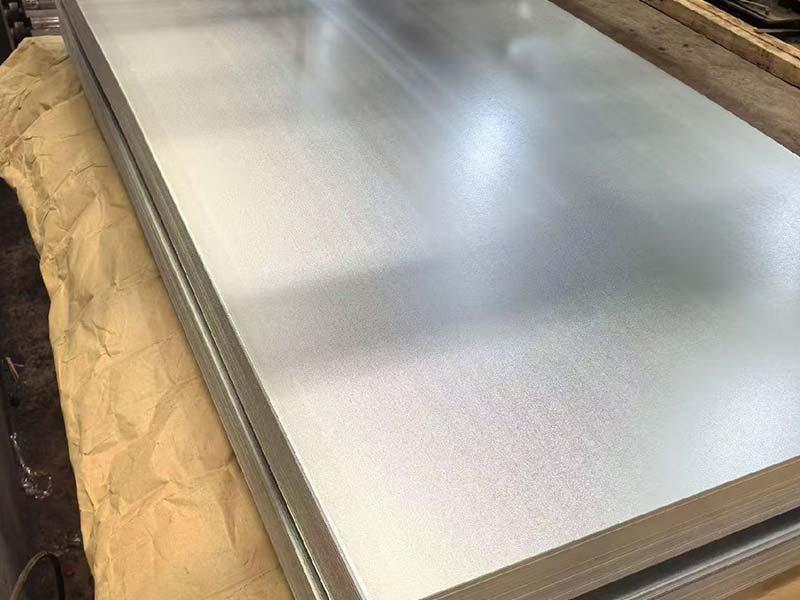
Typical Applications
5005 aluminum sheet for architectural cladding applications is widely used in:
- Exterior facades and curtain walls
- Sunshade systems and overhangs
- Decorative exterior panels for retail, hospitality, or institutional buildings
- Interior wall and ceiling panels for aesthetic purposes
Its versatility allows it to meet functional and aesthetic demands across a broad range of construction projects.
Performance Comparison
| Feature | 5005 Aluminum Sheet | 3003 Aluminum Sheet | 6061 Aluminum Sheet | Steel Panels |
|---|---|---|---|---|
| Corrosion Resistance | Excellent | Good | Moderate | Requires Coating |
| Formability | High | Very High | Medium | Moderate |
| Surface Finish Options | Multiple Coatings | Limited | Powder Coating | Limited |
| Weight | Lightweight | Lightweight | Medium | Heavy |
| Typical Use | Cladding, facades | General forming | Structural components | Facades, roofing |
This comparison demonstrates why 5005 aluminum sheet is preferred for architectural cladding applications, especially in environments where corrosion resistance, surface quality, and lightweight properties are essential.
Installation Benefits
Using 5005 aluminum sheet simplifies installation due to its lightweight and high formability. Panels can be prefabricated off-site and rapidly assembled, reducing labor intensity and construction time. The alloy’s strength ensures wind load resistance and dimensional stability, which is critical for tall buildings and open-span façades.
Supply Chain and Immediate Availability
Project delays often stem from material lead times. By offering 5005 aluminum sheet for architectural cladding applications in stock, contractors and architects can mitigate procurement risks. Immediate availability allows for:
- Shortened procurement cycles
- Flexible order quantities
- Reliable delivery schedules
- Consistent material quality
- Reduced project downtime
This supply advantage is particularly important for large-scale construction or renovation projects with tight deadlines.
Sustainability and Environmental Benefits
Sustainability is increasingly important in modern construction. Aluminum is fully recyclable without loss of quality, and recycled aluminum requires significantly less energy than primary production. Using 5005 aluminum sheet for architectural cladding applications contributes to:
- Reduced construction waste
- Lower carbon footprint
- Compliance with green building standards
- Long-term resource efficiency
These benefits make aluminum an environmentally responsible choice for architects and developers.
Global Market Trends
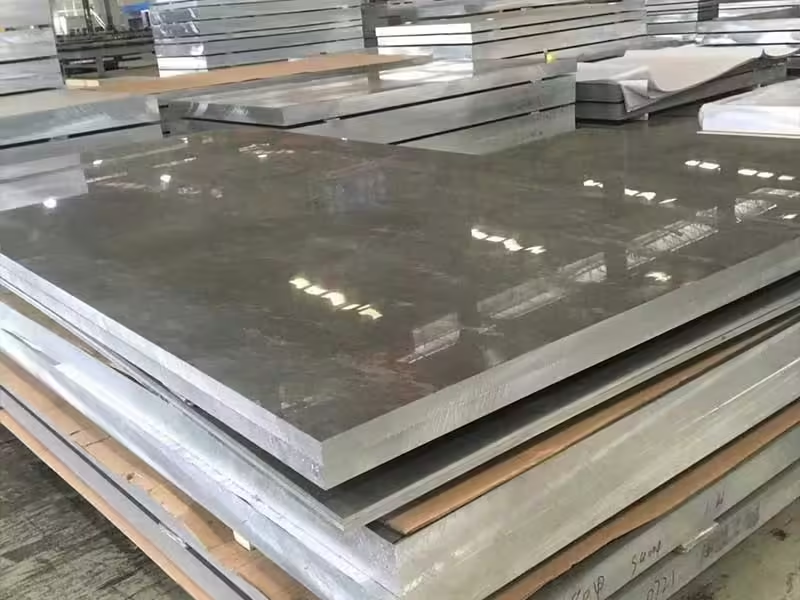
The demand for 5005 aluminum sheet for architectural cladding applications continues to grow worldwide. Drivers include urban development, industrial expansion, stricter building codes, and increased demand for energy-efficient construction. Its versatility and performance advantages ensure it remains a top material choice for contemporary façade projects.
Conclusion
5005 aluminum sheet for architectural cladding applications offers unmatched durability, lightweight construction, corrosion resistance, and aesthetic flexibility. Its ready stock and immediate shipment capability make it a practical choice for architects, contractors, and building owners seeking reliable, high-performance cladding solutions. By combining performance, sustainability, and supply efficiency, 5005 aluminum sheet supports successful architectural projects from design to installation.
FAQ
What are the main uses of 5005 aluminum sheet for architectural cladding?
It is ideal for building facades, curtain walls, sunshades, and decorative panels.
Can 5005 aluminum sheet be coated or finished?
Yes, it supports anodized, PVDF-coated, powder-coated, and textured finishes.
Is 5005 aluminum sheet suitable for coastal or humid environments?
Yes, it offers excellent corrosion resistance for marine and high-humidity climates.
Are 5005 aluminum sheet panels available for immediate shipment?
Yes, standard sizes and alloys are in stock for fast delivery.
Can 5005 aluminum sheet be used for interior wall or ceiling panels?
Yes, its smooth surface and customizable finishes make it suitable for interior decorative applications.
Need 5005 Aluminum Sheet for Architectural Cladding Applications?
If you’re unsure which panel is right for your project, our experts are ready to help. Contact us today for a personalized consultation, and secure fast delivery from our in-stock inventory. Don’t wait—ensure your façade project meets deadlines and quality standards now!
 English
  Korean
  Arabic
  Vietnamese