

Aluminum plates are widely used in modern industries due to their lightweight properties, corrosion resistance, and excellent workability. Compared with traditional steel materials, aluminum plates offer a unique balance between strength and weight, making them an ideal choice for applications where performance and efficiency matter.
Across construction, transportation, manufacturing, and energy industries, aluminum plates applications continue to expand. With standard specifications available in stock, aluminum plates also support fast delivery for projects with tight schedules.
Table of Contents
What Are Aluminum Plates
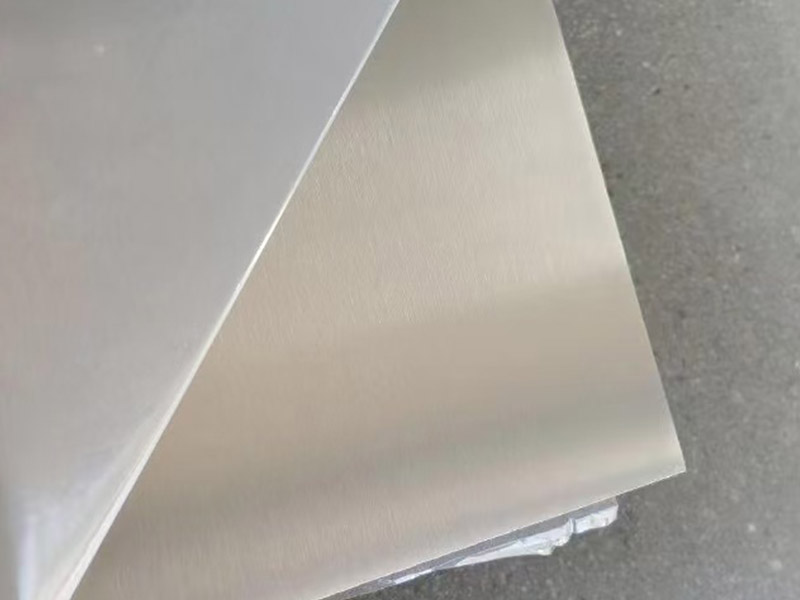
Aluminum plates are flat-rolled aluminum products with a relatively thicker gauge than aluminum sheets. They are typically produced through hot rolling or cold rolling processes and supplied in various alloys and tempers.
In aluminum plates applications, common alloys such as 3003, 5052, and 6061 are selected based on strength, corrosion resistance, and fabrication requirements.
Key Advantages of Aluminum Plates Applications
Lightweight with High Strength
Aluminum plates provide excellent strength-to-weight ratio, reducing overall structural load while maintaining reliable mechanical performance.
Excellent Corrosion Resistance
Aluminum naturally forms an oxide layer that protects against corrosion, making aluminum plates suitable for outdoor and marine environments.
Easy Fabrication and Machining
Aluminum plates can be easily cut, bent, welded, and machined, supporting flexible design and efficient production.
In-Stock Supply and Fast Delivery
Common aluminum plate sizes and alloys are kept in stock, allowing immediate shipment and reducing procurement lead times.
Construction and Architectural Applications
Building Facades and Curtain Walls
Aluminum plates are widely used in facades, curtain wall systems, and exterior cladding due to their lightweight nature and aesthetic flexibility.
Roofing and Structural Panels
In modern buildings, aluminum plates support roofing systems and structural panels where reduced weight and corrosion resistance are required.
Interior Design and Decorative Elements
Polished or anodized aluminum plates are used for ceilings, wall panels, and decorative structures in commercial spaces.

Transportation Industry Applications
Automotive and Commercial Vehicles
Aluminum plates are used for vehicle bodies, floors, and structural components to reduce weight and improve fuel efficiency.
Rail and Marine Applications
In rail transportation and shipbuilding, aluminum plates applications help reduce overall mass while maintaining structural integrity.
Industrial Manufacturing Applications
Machinery and Equipment Components
Industrial equipment frames, machine bases, and protective covers often rely on aluminum plates for strength and ease of fabrication.
Pressure Vessels and Storage Tanks
Certain aluminum alloys are used in tanks and containers where corrosion resistance and weight reduction are important.
Energy and Electrical Applications
Power and Energy Equipment
Aluminum plates are used in power distribution equipment, enclosures, and support structures due to their conductivity and durability.
Renewable Energy Systems
Solar panel frames, mounting structures, and energy storage systems benefit from aluminum plates applications that offer long service life outdoors.
Common Specifications for Aluminum Plates
| Specification | Typical Range | Application |
|---|---|---|
| Thickness | 3 mm – 100 mm | Structural and industrial use |
| Width | Up to 2500 mm | Construction, equipment |
| Length | Up to 12000 mm | Large-scale projects |
| Alloy | 3003, 5052, 6061 | Construction and industry |
These specifications allow aluminum plates applications across a wide range of industrial sectors.
Quality Control and Standards Compliance
Aluminum plates are produced under strict quality control processes, including chemical composition analysis, mechanical testing, and dimensional inspection. Compliance with ASTM and EN standards ensures consistent quality and reliable performance.
Logistics Support and Fast Supply
With regular inventory of popular alloys and sizes, aluminum plates can be shipped quickly. Fast delivery supports urgent production needs and keeps engineering projects on schedule.
Sustainability and Environmental Benefits
Aluminum plates are fully recyclable and contribute to sustainable manufacturing and construction practices. Their long service life further reduces material waste.
How to Choose the Right Aluminum Plates
Selecting suitable aluminum plates depends on load requirements, corrosion exposure, fabrication methods, and applicable standards. Working with an experienced supplier helps ensure optimal performance and reliable supply.
Conclusion
Aluminum plates applications span construction, transportation, manufacturing, and energy industries. With lightweight strength, corrosion resistance, and in-stock availability, aluminum plates provide a practical and efficient material solution for modern industrial projects.
FAQ
What are aluminum plates applications commonly used for?
They are used in construction, transportation, industrial equipment, energy systems, and decorative structures.
Why choose aluminum plates instead of steel plates?
Aluminum plates offer lighter weight, corrosion resistance, and easier fabrication.
Can aluminum plates be delivered quickly?
Yes, many standard alloys and sizes are kept in stock for fast delivery.
Are aluminum plates suitable for outdoor use?
Yes, aluminum plates perform well in outdoor and corrosive environments.
Are aluminum plates recyclable?
Yes, aluminum is fully recyclable and environmentally sustainable.
 English
  Korean
  Arabic
  Vietnamese