
Corrosion is one of the most persistent challenges in metal applications. Whether in infrastructure, manufacturing, transportation, or agriculture, steel components are constantly exposed to moisture, oxygen, chemicals, and temperature fluctuations. Over time, these factors can weaken structures, increase maintenance costs, and shorten service life. This is precisely why galvanized steel corrosion resistance has become a critical performance requirement rather than a secondary consideration.
Galvanized steel is not simply a coated product; it is a corrosion protection system designed to extend steel durability in demanding environments while maintaining cost efficiency and structural reliability.
Table of Contents
What Is Galvanized Steel?
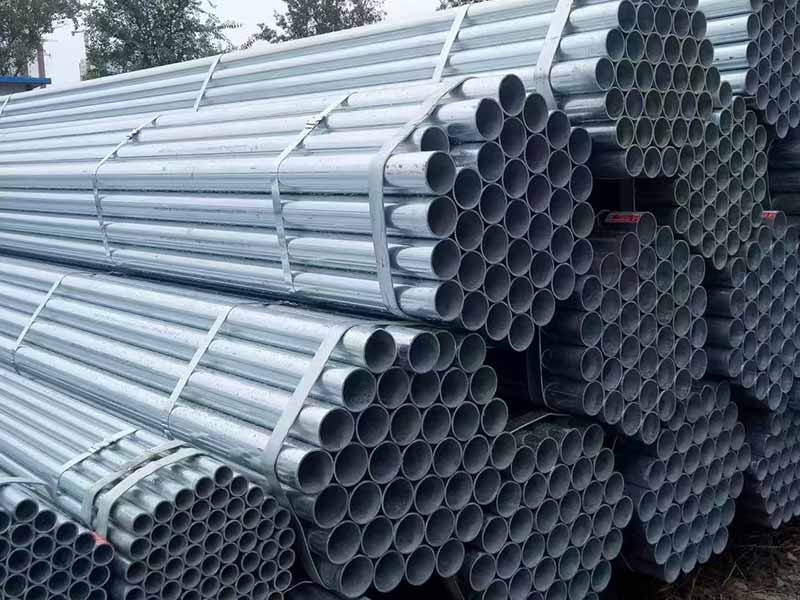
Galvanized steel is carbon steel that has been coated with a layer of zinc to improve its resistance to corrosion. The most common methods include hot-dip galvanizing and electro-galvanizing. The zinc layer forms a protective interface between the steel substrate and the surrounding environment, significantly enhancing galvanized steel’s corrosion resistance compared to untreated steel.
Unlike paints or organic coatings, zinc protection becomes part of the steel surface, offering long-term durability even under mechanical stress.
The Science Behind Galvanized Steel Corrosion Resistance
Barrier Protection Explained
The zinc coating serves as a physical barrier that isolates the steel from moisture and oxygen. As long as this barrier remains intact, the steel beneath is effectively shielded from corrosion. This mechanism forms the first line of defense in galvanized steel corrosion resistance.
Sacrificial Protection and Cathodic Action
Zinc is more electrochemically active than iron. When both metals are exposed to a corrosive environment, zinc corrodes first, sacrificing itself to protect the steel. This phenomenon, known as cathodic protection, is one of the defining advantages of galvanized steel corrosion resistance.
Even when the coating is scratched or locally damaged, nearby zinc continues to protect the exposed steel, preventing rust from spreading.
Self-Healing Behavior of Zinc
In the presence of moisture and carbon dioxide, zinc reacts to form zinc carbonate. This stable compound adheres tightly to the surface and helps seal small scratches or imperfections. Over time, this natural process further improves galvanized steel corrosion resistance without external intervention.
Key Factors Affecting Galvanized Steel Corrosion Resistance
Zinc Coating Thickness
Coating thickness directly influences service life. Thicker zinc layers provide extended corrosion protection, especially in aggressive environments. Coating standards are often defined by industry specifications to ensure consistent galvanized steel corrosion resistance.
Environmental Exposure Conditions
The performance of galvanized steel varies depending on exposure:
- Dry rural environments tend to be least corrosive
- Urban environments introduce pollutants and moderate corrosion risks
- Coastal areas accelerate corrosion due to salt spray
- Industrial zones may expose steel to acidic or chemical atmospheres
Understanding these conditions is essential when evaluating whether standard galvanized steel corrosion resistance is sufficient.
Surface Preparation and Process Control
Proper surface cleaning prior to galvanizing ensures strong adhesion between zinc and steel. Controlled processing temperatures and immersion times result in uniform coatings, which directly affect long-term galvanized steel corrosion resistance.
Hot-Dip Galvanizing vs. Electro-Galvanizing
Different galvanizing methods result in varying corrosion performance.
| Galvanizing Method | Zinc Layer Thickness | Corrosion Resistance Level | Typical Use Cases |
|---|---|---|---|
| Hot-Dip Galvanizing | Thick | High | Structural steel, outdoor infrastructure |
| Electro-Galvanizing | Thin | Moderate | Automotive panels, indoor components |
Hot-dip galvanizing is generally preferred when maximum galvanized steel corrosion resistance is required, especially for outdoor or structural applications.
Performance of Galvanized Steel in Different Industries
Construction and Infrastructure
Bridges, guardrails, steel frames, and transmission towers depend heavily on galvanized steel corrosion resistance to withstand decades of exposure to rain, wind, and temperature cycles. The reduced need for repainting or recoating lowers lifecycle costs.
Automotive Manufacturing
Automotive components benefit from galvanized steel corrosion resistance by resisting road salts, moisture, and debris. This protection improves vehicle longevity while maintaining lightweight performance.
Industrial Facilities
Factories, power plants, and processing facilities use galvanized steel for platforms, cable trays, piping supports, and ventilation systems. In these environments, corrosion resistance directly impacts operational safety and maintenance planning.
Agriculture and Marine Applications
Fencing, storage structures, and coastal equipment face continuous exposure to moisture and salt. Galvanized steel corrosion resistance provides reliable protection where painted steel would require frequent maintenance.
Expected Service Life of Galvanized Steel
Service life varies depending on coating thickness and environment. In mild conditions, galvanized steel can last several decades without significant corrosion. Even in more aggressive environments, properly specified galvanized steel corrosion resistance often outperforms alternative coatings.
This predictable longevity makes galvanized steel an attractive option for long-term projects with fixed maintenance budgets.
Maintenance and Inspection Considerations
Galvanized steel requires minimal maintenance. However, periodic inspection is recommended in harsh environments. Removing surface contaminants and preventing prolonged contact with dissimilar metals can further preserve galvanized steel corrosion resistance.
Specifying Galvanized Steel for Optimal Performance
When sourcing galvanized steel, buyers should clearly specify:
- Zinc coating standard or minimum thickness
- Intended application environment
- Product dimensions and tolerances
- Required certifications or compliance standards
- Expected service life
Clear specifications help suppliers deliver materials that meet corrosion resistance expectations and reduce project risk.
Cost Efficiency of Galvanized Steel Corrosion Resistance
Although galvanized steel may have a higher initial cost than untreated steel, its long service life and reduced maintenance requirements often result in lower total ownership costs. From an economic perspective, galvanized steel corrosion resistance represents a balanced investment between upfront expenditure and long-term performance.

Why Galvanized Steel Remains a Trusted Solution
Galvanized steel has been used for over a century, not because it is new, but because it works. Its corrosion protection mechanisms are well understood, reliable, and scalable across industries. For projects that demand durability, consistency, and predictable performance, galvanized steel corrosion resistance remains a proven and practical choice.
FAQ
What does galvanized steel corrosion resistance mean?
Galvanized steel corrosion resistance refers to the ability of zinc-coated steel to resist rust and degradation when exposed to moisture, oxygen, and harsh environments.
How long does galvanized steel resist corrosion?
Depending on zinc coating thickness and environmental conditions, galvanized steel corrosion resistance can protect steel for 20 to 50 years or longer with minimal maintenance.
Is galvanized steel suitable for outdoor use?
Yes. Galvanized steel corrosion resistance makes it highly suitable for outdoor structures exposed to rain, humidity, and temperature changes.
Does damaged galvanized steel still resist corrosion?
In many cases, yes. The zinc coating provides sacrificial protection, allowing galvanized steel corrosion resistance to remain effective even when small scratches occur.
Is galvanized steel corrosion resistance better than painted steel?
Often, yes. Galvanized steel corrosion resistance typically lasts longer than paint coatings and requires less maintenance over the product’s lifecycle.
 English
  Korean
  Arabic
  Vietnamese