

Mục lục
Một trật tự tấm thép cán nguội có thể trông hoàn chỉnh khi nó liệt kê cấp, độ dày, chiều rộng, và số lượng. trong sản xuất thực tế, đó là thường không đủ. dung sai, độ phẳng, bề mặt hoàn thiện, điều kiện cạnh, và bao bì quyết định liệu vật liệu ăn trơn tru, hình thành dự đoán, và đạt đến quá trình tiếp theo mà không có phân loại tránh được.
Hướng dẫn tấm thép cán nguội này được viết cho người mua cần ngôn ngữ đặc điểm kỹ thuật thực tế trước khi yêu cầu báo giá.Nó tập trung vào dung sai và kiểm tra, không phải về giá cả.Mục tiêu là giúp các đội mua sắm, chất lượng và chế tạo mô tả chính xác những gì họ cần và tránh tranh cãi sau khi cuộn hoặc tấm đến.
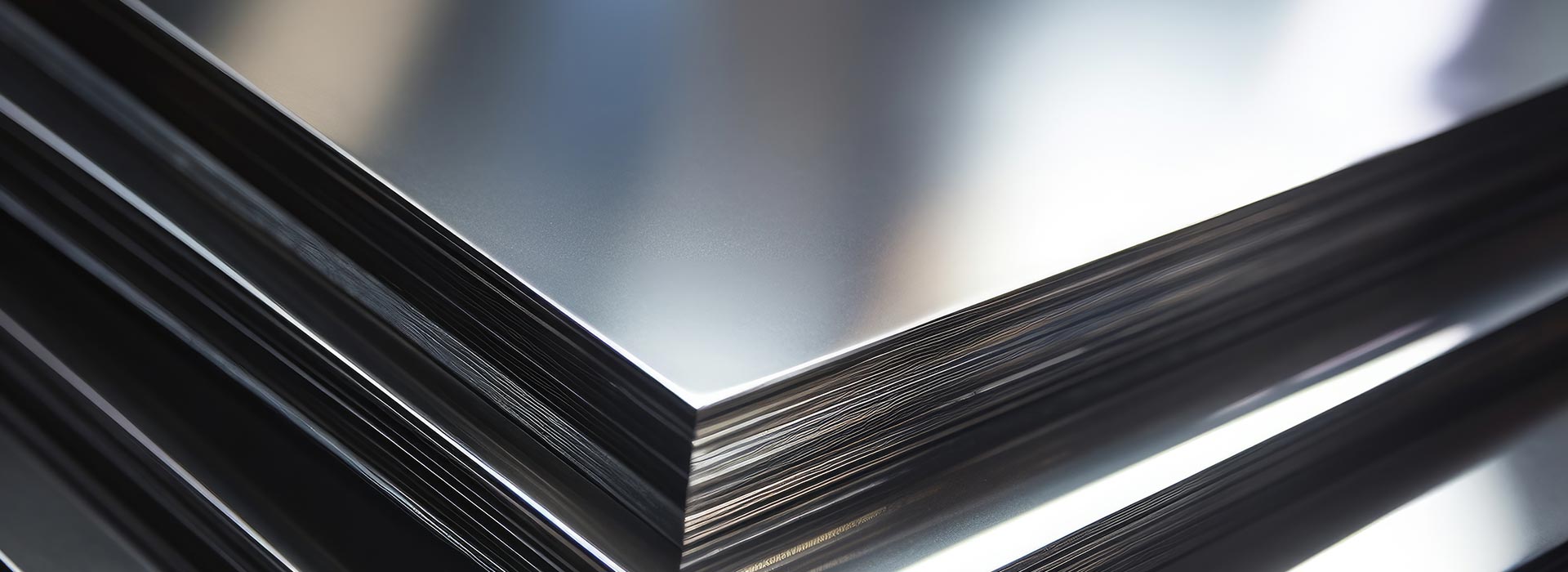
Tại sao dung sai lại quan trọng
Thép tấm cán nguội thường được lựa chọn khi kiểm soát kích thước và chất lượng bề mặt quan trọng hơn nền kinh tế nhà máy thô. thiết bị, tủ, tấm, bộ phận đóng dấu, ống dẫn, giá đỡ, và các thành phần cấu trúc ánh sáng tất cả phụ thuộc vào độ dày phù hợp và hành vi hình thành có thể dự đoán. một vấn đề dung sai nhỏ có thể hiển thị như đóng hộp dầu, fit-up kém, mặc dụng cụ, hoặc phế liệu.
Dung sai chính xác phụ thuộc vào ứng dụng. một miếng đệm ẩn có thể chỉ cần dung sai thương mại, trong khi một bảng điều khiển tiếp xúc hoặc thành phần đóng dấu có thể yêu cầu độ dày, chiều rộng và kiểm soát độ phẳng chặt chẽ hơn. người mua xem xét các ứng dụng tấm thép cán nguội nên kết nối đặc tả với quy trình thay vì sao chép một lớp chung từ một đơn đặt hàng cũ.
Một tấm thép cán nguội được sử dụng trong sản xuất lặp lại nên có một đường cơ sở nhận được phê duyệt. giữ giấy chứng nhận được chấp nhận đầu tiên, kỳ vọng độ phẳng, yêu cầu bề mặt và ghi chú đóng gói với tệp mua để đơn hàng tiếp theo có thể được kiểm tra theo nhu cầu sản xuất đã biết.
Khi một tấm thép cán nguội sẽ được sơn, mạ, ép, hoặc sâu rút ra, yêu cầu nên bao gồm bước hạ lưu. điều này cung cấp cho nhà cung cấp đủ bối cảnh để đề xuất bề mặt thích hợp, dầu, và phạm vi tài sản cơ khí.
Kiểm soát độ dày và chiều rộng
Dung sai độ dày kiểm soát trọng lượng bộ phận, lực tạo hình và kích thước cuối cùng. dung sai chiều rộng ảnh hưởng đến hiệu quả rạch, làm trống, tạo hình cuộn và làm tổ. nếu tấm thép cán nguội quá hẹp, người mua có thể mất chiều rộng có thể sử dụng. nếu nó quá rộng, nó có thể không cho ăn chính xác thông qua hướng dẫn hoặc chết.
Người mua nên nêu rõ độ dày và chiều rộng danh nghĩa, sau đó xác định xem dung sai của nhà máy tiêu chuẩn có được chấp nhận hay không hoặc liệu có cần dung sai chặt chẽ hơn hay không. không giả sử mọi nhà cung cấp đều diễn giải ??chính xác??theo cùng một cách.Đặt yêu cầu dung sai thực tế vào đơn đặt hàng hoặc tệp đính kèm kỹ thuật.
| Mục dung sai | Rủi ro sản xuất | Hành động của người mua |
|---|---|---|
| Độ dày | Hình thành biến thể, thay đổi trọng lượng, các vấn đề phù hợp | Độ dày danh nghĩa của tiểu bang và dung sai được chấp nhận |
| Chiều rộng | Vấn đề cho ăn, cắt bỏ chất thải, rạch không khớp | Xác định dung sai chiều rộng và điều kiện cạnh |
| Chiều dài | Lắp ráp không phù hợp cho tấm cắt | Xác nhận dung sai cắt theo chiều dài |
Độ phẳng và hình dạng
Độ phẳng là rất quan trọng khi một tấm thép cán nguội trở thành một bảng điều khiển có thể nhìn thấy hoặc một khoảng trống chính xác. khiếm khuyết hình dạng như cuộn dây thiết lập, sóng cạnh, khóa trung tâm, hoặc nỏ có thể làm chậm sản xuất ngay cả khi thành phần hóa học và độ dày là chính xác. đội ngũ tiếp nhận nên biết những khiếm khuyết là mỹ phẩm và những người ngừng sản xuất.
Nếu vật liệu sẽ được cắt laser, san lấp mặt bằng, hoặc đóng dấu, người mua nên xác định kỳ vọng độ phẳng sớm.Đối với cuộn dây, hãy hỏi liệu san lấp mặt bằng có sẵn và liệu bộ nhớ cuộn dây có thể ảnh hưởng đến quá trình.Đối với tấm, xác định độ phẳng sẽ được đo như thế nào khi nhận.
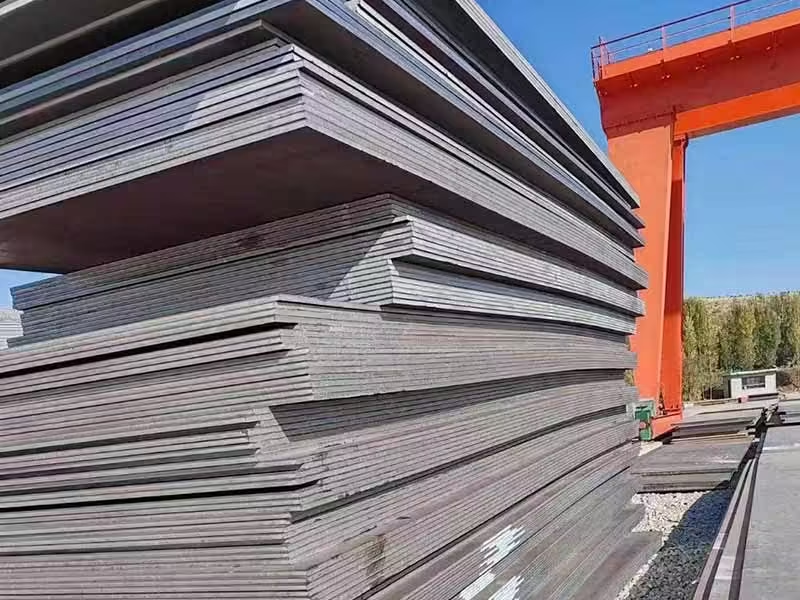
Bề mặt hoàn thiện và Oiling
Bề mặt hoàn thiện ảnh hưởng đến sơn, lớp phủ, liên kết, xuất hiện, và bảo vệ chống ăn mòn trong quá trình lưu trữ. tấm thép cán nguội có thể được cung cấp với dầu nhẹ, bề mặt khô, hoặc độ nhám bề mặt cụ thể tùy thuộc vào quá trình tiếp theo. dầu nặng có thể bảo vệ trong quá trình vận chuyển nhưng tạo ra công việc làm sạch trước khi phủ lên.
Đối với vật liệu sẵn sàng sơn, xác định xem độ nhám bề mặt, độ sạch, hoặc một tiền xử lý cụ thể là cần thiết. để lưu trữ trong nhà, dầu nhẹ có thể là đủ. cho lô hàng biển dài hoặc lưu trữ ẩm, đóng gói và bảo vệ bề mặt trở nên quan trọng hơn.
Tình trạng Edge
Điều kiện cạnh có thể là sự khác biệt giữa chế tạo trơn tru và dừng dòng định kỳ. cạnh Mill, cạnh khe, cạnh deburred, và cạnh cắt tỉa hành xử khác nhau trong việc cho ăn, hàn, xử lý, và an toàn. nếu các nhà khai thác sẽ xử lý các tờ bằng tay, kiểm soát burr không phải là một chi tiết nh.
Một tấm thép cán nguội được sử dụng cho dải hẹp nên được kiểm tra độ khum và burr sau khi rạch. người mua nên nêu rõ liệu hướng burr có quan trọng không và liệu găng tay bảo vệ, khuôn hạ lưu hay đồ đạc hàn có nhạy cảm với các khuyết tật cạnh hay không.
Tài liệu kiểm tra
Một gói tài liệu thích hợp giúp người mua xác minh rằng tấm thép cán nguội phù hợp với đơn đặt hàng. hồ sơ phổ biến bao gồm cấp, số nhiệt, số cuộn dây, kích thước, tính chất cơ học, thành phần hóa học khi áp dụng, và kết quả kiểm tra.Đối với các bộ phận quan trọng, yêu cầu ảnh bề mặt hoặc hồ sơ kiểm tra trước khi giao hàng.
Các tiêu chuẩn và điều khoản bên ngoài nên được xác nhận từ yêu cầu kiểm soát của dự án.Đối với bối cảnh chung về cán nguội, cán nguội mô tả quy trình ở mức cao, nhưng đơn đặt hàng và chứng chỉ phải kiểm soát việc chấp nhận cuối cùng.
Bảng So sánh Người mua
Người mua?? sự lựa chọn không chỉ đơn giản là tiêu chuẩn so với phí bảo hiểm. đó là một câu hỏi về mức độ kiểm soát mà ứng dụng cần và rủi ro xuất hiện ở đâu nếu tấm thép cán nguội thay đổi.
| Người mua cần | Cách tiếp cận đặc điểm kỹ thuật phù hợp | Rủi ro nếu bỏ qua |
|---|---|---|
| Dấu ngoặc chung | Dung sai thương mại và bề mặt tiêu chuẩn | Biến thể phù hợp nhỏ |
| Tấm sơn | Bề mặt được kiểm soát, bôi dầu và độ phẳng | Sơn khuyết tật hoặc sóng nhìn thấy được |
| Bộ phận đóng dấu | Tính chất cơ học được xác định và độ dày chặt chẽ | Tách, springback, mặc công cụ |
| Dải khe | Kiểm soát chiều rộng, độ khum và gờ | Vấn đề cho ăn và phế liệu |
Danh sách kiểm tra đặt hàng
Một cuộc điều tra hoàn chỉnh nên bao gồm cấp, tiêu chuẩn, độ dày, chiều rộng, dung sai, bề mặt hoàn thiện, dầu, điều kiện cạnh, cuộn dây hoặc định dạng tấm, bao bì, số lượng, đích đến, và các tài liệu kiểm tra. nếu vật liệu là để sản xuất lặp lại, giữ giấy chứng nhận đã được phê duyệt và nhận danh sách kiểm tra như một tài liệu tham khảo được kiểm soát.
Để lựa chọn vật liệu rộng hơn, người mua có thể so sánh chủ đề này với hướng dẫn lựa chọn vật liệu thép. tốt nhất cán nguội thép tấm đặt hàng là ngắn, cụ thể, và gắn liền với quá trình chế tạo thực t.
- Nêu rõ quá trình áp dụng và tiếp theo.
- Xác định độ dày, chiều rộng, độ phẳng và kỳ vọng bề mặt.
- Xác nhận tình trạng cạnh và đóng gói.
- Yêu cầu giấy chứng nhận trước khi giao hàng.
- Giữ dung sai được phê duyệt cho các đơn đặt hàng lặp lại.
Câu hỏi thường gặp
Thép tấm cán nguội dùng để làm gì?
Thép tấm cán nguội được sử dụng cho các tấm, bộ phận đóng dấu, tủ, giá đỡ, ống dẫn, và các thành phần cần chất lượng bề mặt tốt hơn và kiểm soát kích thước hơn nhiều sản phẩm cán nóng.
Tại sao độ phẳng lại quan trọng đối với thép tấm cán nguội?
Độ phẳng ảnh hưởng đến chất lượng cho ăn, cắt, dập, sơn và bảng điều khiển có thể nhìn thấy. độ phẳng kém có thể tạo ra phế liệu ngay cả khi lớp và độ dày là chính xác.
Người mua có nên chỉ định oiling?
Vâng. Oiling ảnh hưởng đến bảo vệ lưu trữ và làm sạch hạ lưu. người mua nên nêu rõ liệu tấm thép cán nguội phải khô, dầu nhẹ, hoặc chuẩn bị cho lớp phủ.
Những tài liệu nào nên đi kèm với tài liệu?
Người mua thường yêu cầu chứng chỉ nhà máy với cấp, kích thước, số cuộn dây, số nhiệt, tính chất cơ học và dữ liệu kiểm tra có liên quan.
Làm thế nào người mua có thể tránh được tranh chấp
Viết các yêu cầu dung sai chính xác vào yêu cầu và đơn đặt hàng thay vì sử dụng các thuật ngữ mơ hồ như độ chính xác hoặc chất lượng tiêu chuẩn.
Yêu cầu đánh giá kỹ thuật
Gửi lớp mục tiêu của bạn, độ dày, chiều rộng, yêu cầu bề mặt, và quá trình hình thành để Huanhai Zhongke cho một đánh giá kỹ thuật trước khi đặt hàng tấm thép cán nguội để sản xuất.
 Vietnamese
  English
  Korean
  Arabic