

جدول المحتويات
يمكن أن يبدو طلب صفائح الفولاذ المدرفلة على البارد كاملاً عندما يسرد الدرجة والسمك والعرض والكمية. في الإنتاج الحقيقي، هذا لا يكفي في كثير من الأحيان. يحدد التسامح والتسطيح والتشطيب السطحي وحالة الحافة والتعبئة ما إذا كانت المادة تتغذى بسلاسة، وتشكل بشكل متوقع، وتصل إلى العملية التالية دون فرز يمكن تجنبه.
تمت كتابة دليل صفائح الفولاذ المدرفلة على البارد للمشترين الذين يحتاجون إلى لغة مواصفات عملية قبل طلب عرض الأسعار. ويركز على التفاوتات والفحص، وليس على التسعير. الهدف هو مساعدة فرق الشراء والجودة والتصنيع على وصف ما يحتاجون إليه بالضبط وتجنب الحجج بعد وصول الملفات أو الصفائح.
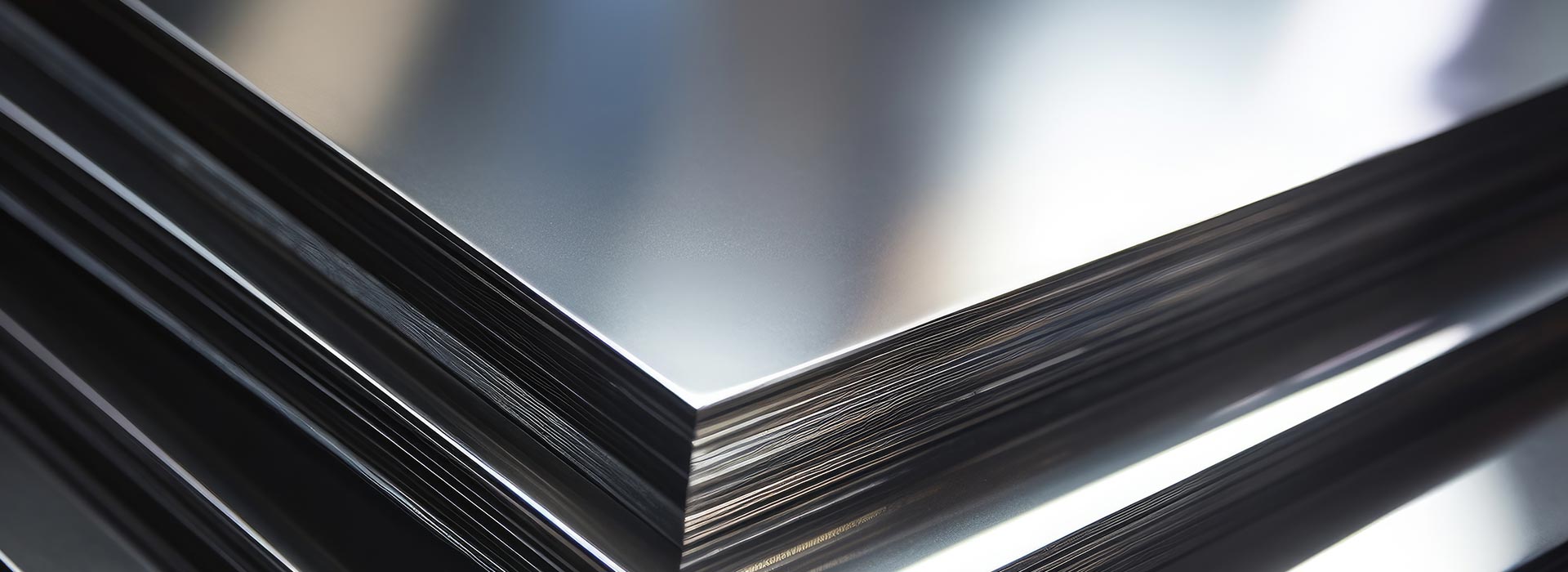
لماذا التسامح مهم
غالبًا ما يتم اختيار صفائح الفولاذ المدرفلة على البارد عندما يكون التحكم في الأبعاد وجودة السطح أكثر أهمية من اقتصاد المطاحن الخام. تعتمد الأجهزة والخزائن والألواح والأجزاء المختومة والقنوات والأقواس والمكونات الهيكلية الخفيفة على سمك ثابت وسلوك تشكيل يمكن التنبؤ به. يمكن أن تظهر مشكلة التسامح الصغيرة مثل تعليب الزيت أو سوء التركيب أو تآكل الأدوات أو الخردة.
يعتمد التسامح الصحيح على التطبيق. قد يحتاج المباعد المخفي فقط إلى التسامح التجاري، في حين أن اللوحة المكشوفة أو المكون المختوم قد يتطلب تحكمًا أكثر إحكامًا في السُمك والعرض والتسطيح. المشترين الذين يراجعون تطبيقات صفائح الفولاذ المدرفلة على البارد يجب ربط المواصفات بالعملية بدلاً من نسخ درجة عامة من ترتيب قديم.
يجب أن يكون للصفائح الفولاذية المدرفلة على البارد المستخدمة في الإنتاج المتكرر خط أساس معتمد للاستلام. احتفظ بالشهادة المقبولة الأولى وتوقعات التسطيح ومتطلبات السطح ومذكرة التغليف مع ملف الشراء حتى يمكن التحقق من الطلب التالي مقابل احتياجات الإنتاج المعروفة.
عندما يتم طلاء صفائح الفولاذ المدرفلة على البارد، أو طلاءها، أو تصفيحها، أو رسمها بعمق، يجب أن يتضمن الاستفسار خطوة المصب. وهذا يمنح المورد سياقًا كافيًا للتوصية بالسطح المناسب والتزييت ونطاق الخصائص الميكانيكية.
التحكم في السُمك والعرض
يتحكم تحمل السُمك في وزن الجزء وقوة التشكيل والأبعاد النهائية. يؤثر تحمل العرض على كفاءة الحز والتقطيع وتشكيل اللف والتداخل. إذا كانت صفائح الفولاذ المدرفلة على البارد ضيقة جدًا، فقد يفقد المشتري عرضًا قابلاً للاستخدام. إذا كانت واسعة جدًا، فقد لا تتغذى بشكل صحيح من خلال الأدلة أو القوالب.
يجب على المشترين ذكر السُمك والعرض الاسميين، ثم تحديد ما إذا كان التسامح القياسي للطاحونة مقبولًا أو ما إذا كان التسامح الأكثر صرامة مطلوبًا. لا تفترض أن كل مورد يفسر ؟؟الدقة؟؟ بنفس الطريقة. ضع متطلبات التسامح الفعلية في أمر الشراء أو الملحق الفني.
| بند التسامح | مخاطر الإنتاج | إجراء المشتري |
|---|---|---|
| سماكة | اختلاف التشكيل، تغير الوزن، مشاكل التركيب | سمك الدولة الاسمي والتسامح المقبول |
| عرض | مشاكل التغذية، تقليم النفايات، عدم تطابق الحز | تحديد التسامح العرض وحالة الحافة |
| طول | عدم تطابق التجميع للأوراق المقطوعة | تأكيد التسامح من القطع إلى الطول |
التسطيح والشكل
يعد التسطيح أمرًا بالغ الأهمية عندما تصبح صفائح الفولاذ المدرفلة على البارد لوحة مرئية أو فارغة بدقة. يمكن أن تؤدي عيوب الشكل مثل مجموعة الملفات أو موجة الحافة أو الإبزيم المركزي أو القوس والنشاب إلى إبطاء الإنتاج حتى عندما يكون التركيب الكيميائي والسمك صحيحين. يجب أن يعرف فريق الاستقبال العيوب التجميلية وأيها توقف الإنتاج.
إذا كانت المادة سيتم قطعها أو تسويتها أو ختمها بالليزر، فيجب على المشتري تحديد توقعات التسطيح مبكرًا. بالنسبة للملفات، اسأل ما إذا كان التسوية متاحة وما إذا كانت ذاكرة الملف قد تؤثر على العملية. بالنسبة للصفائح، حدد كيفية قياس التسطيح عند الاستلام.
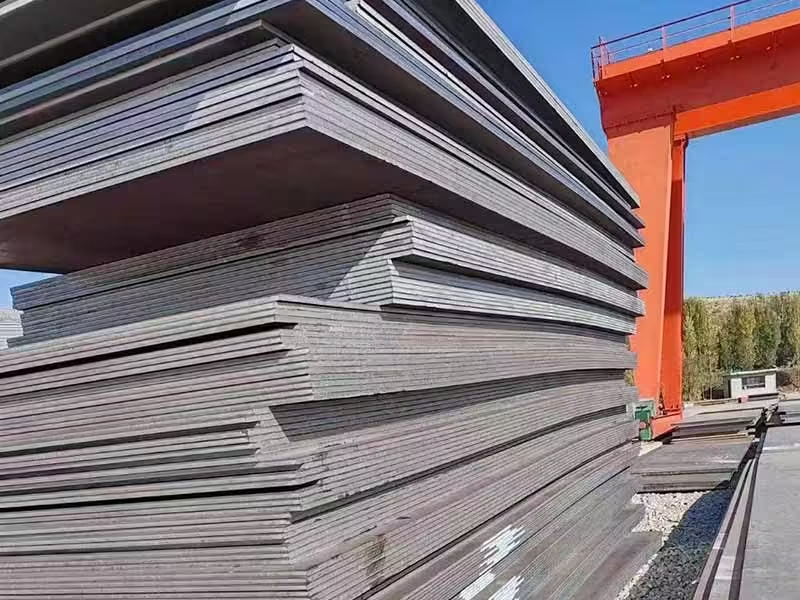
تشطيب السطح والتزييت
يؤثر تشطيب السطح على الطلاء والطلاء والربط والمظهر والحماية من التآكل أثناء التخزين. يمكن تزويد صفائح الفولاذ المدرفلة على البارد بزيت خفيف أو سطح جاف أو خشونة سطح محددة اعتمادًا على العملية التالية. قد يحمي الزيت الثقيل أثناء النقل ولكنه يخلق أعمال تنظيف قبل الطلاء.
بالنسبة للمواد الجاهزة للطلاء، حدد ما إذا كانت خشونة السطح أو النظافة أو المعالجة المسبقة المحددة مطلوبة. للتخزين الداخلي، قد يكون الزيت الخفيف كافيا. للشحن البحري الطويل أو التخزين الرطب، تصبح التعبئة والتغليف وحماية السطح أكثر أهمية.
حالة الحافة
يمكن أن تكون حالة الحافة هي الفرق بين التصنيع السلس وتوقف الخط المتكرر. تتصرف حافة المطحنة والحافة المشقوقة والحافة المزيلة للحرق والحافة المشذبة بشكل مختلف في التغذية واللحام والمناولة والسلامة. إذا كان المشغلون سيتعاملون مع الأوراق يدويًا، فإن التحكم في النتوءات ليس تفصيلًا صغيرًا.
يجب فحص صفائح الفولاذ المدرفلة على البارد المستخدمة في الشرائط الضيقة بحثًا عن الحدبة والدفن بعد الحز. يجب على المشترين ذكر ما إذا كان اتجاه النتوء مهمًا وما إذا كانت القفازات الواقية أو القوالب النهائية أو تركيبات اللحام حساسة لعيوب الحافة.
وثائق التفتيش
تساعد حزمة المستندات المناسبة المشتري على التحقق من تطابق صفائح الفولاذ المدرفلة على البارد مع الطلب. تشمل السجلات الشائعة الدرجة ورقم الحرارة ورقم الملف والأبعاد والخواص الميكانيكية والتركيب الكيميائي عند الاقتضاء ونتائج الفحص. بالنسبة للأجزاء المهمة، اطلب صورًا سطحية أو سجلات فحص ما قبل الشحن.
ينبغي تأكيد المعايير والمصطلحات الخارجية من متطلبات المشروع المسيطرة. للسياق العام حول الدرفلة على البارد،, المتداول البارد يصف العملية على مستوى عالٍ، ولكن يجب أن يتحكم أمر الشراء والشهادة في القبول النهائي.
جدول مقارنة المشتري
المشتري؟؟ الاختيار ليس مجرد معيار مقابل قسط. إنها مسألة مقدار التحكم الذي يحتاجه التطبيق وأين تظهر المخاطر إذا اختلفت صفائح الفولاذ المدرفلة على البارد.
| حاجة المشتري | نهج المواصفات المناسبة | المخاطرة إذا تم تجاهلها |
|---|---|---|
| الأقواس العامة | التسامح التجاري والسطح القياسي | اختلاف طفيف في الملاءمة |
| لوحات مرسومة | سطح متحكم فيه، التزييت، والتسطيح | عيوب الطلاء أو الموجات المرئية |
| أجزاء مختومة | تحديد الخواص الميكانيكية وسمك ضيق | الانقسامات، الربيع، ارتداء الأدوات |
| شرائط الشق | التحكم في العرض والحدبة والدغدغة | مشاكل التغذية والخردة |
طلب قائمة المراجعة
يجب أن يتضمن الاستفسار الكامل الدرجة، والمعيار، والسمك، والعرض، والتسامح، وتشطيب السطح، والتزييت، وحالة الحافة، وشكل الملف أو الورقة، والتعبئة، والكمية، والوجهة، ومستندات الفحص. إذا كانت المادة مخصصة للإنتاج المتكرر، فاحتفظ بالشهادة المعتمدة واستلام القائمة المرجعية كمرجع خاضع للرقابة.
لاختيار المواد على نطاق أوسع، يمكن للمشترين مقارنة هذا الموضوع مع دليل اختيار المواد الفولاذية. أفضل أمر شراء صفائح الفولاذ المدرفلة على البارد هو أمر قصير ومحدد ومرتبط بعملية التصنيع الحقيقية.
- اذكر عملية التقديم والمصب.
- تحديد السُمك والعرض والتسطيح وتوقعات السطح.
- تأكيد حالة الحافة والتعبئة والتغليف.
- طلب الشهادات قبل الشحن.
- احتفظ بالتفاوتات المعتمدة للأوامر المتكررة.
الأسئلة الشائعة
ما هي استخدامات صفائح الفولاذ المدرفلة على البارد؟
يتم استخدام صفائح الفولاذ المدرفلة على البارد للألواح والأجزاء المختومة والخزائن والأقواس والقنوات والمكونات التي تحتاج إلى جودة سطح أفضل وتحكم في الأبعاد مقارنة بالعديد من المنتجات المدرفلة على الساخن.
لماذا يعتبر التسطيح مهمًا للصفائح الفولاذية المدرفلة على البارد؟
يؤثر التسطيح على التغذية والقطع والختم والطلاء وجودة اللوحة المرئية. يمكن أن يؤدي التسطيح الضعيف إلى إنشاء خردة حتى عندما تكون الدرجة والسمك صحيحين.
هل يجب على المشترين تحديد التزييت؟
نعم. يؤثر التزييت على حماية التخزين والتنظيف النهائي. يجب على المشترين تحديد ما إذا كان يجب أن تكون صفائح الفولاذ المدرفلة على البارد جافة أو مزلقة قليلاً أو معدة للطلاء.
ما هي الوثائق التي يجب أن تأتي مع المادة؟
يطلب المشترون عادةً شهادة مطحنة بالدرجة والأبعاد ورقم الملف ورقم الحرارة والخواص الميكانيكية وبيانات الفحص ذات الصلة.
كيف يمكن للمشترين تجنب نزاعات التسامح؟
اكتب متطلبات التسامح الدقيقة في الاستفسار وأمر الشراء بدلاً من استخدام مصطلحات غامضة مثل الدقة أو الجودة القياسية.
طلب مراجعة فنية
أرسل الدرجة المستهدفة والسمك والعرض ومتطلبات السطح وعملية التشكيل إلى Huanhai Zhongke لإجراء مراجعة فنية قبل طلب صفائح الفولاذ المدرفلة على البارد للإنتاج.
 Arabic
  English
  Korean
  Vietnamese