
목차
Rebar looks simple on a construction site, but a poorly written purchase order can create serious problems: wrong diameter, missing grade information, weak traceability, difficult unloading, or material that does not match the bending schedule. A practical rebar specification helps contractors, distributors, and project buyers align structural requirements with jobsite handling.
This guide explains how to specify steel rebar for construction purchasing without relying on vague descriptions. It covers straight bar versus coil supply, grade and size confirmation, surface deformation, bundle packaging, traceability, and inspection documents. The goal is to make each rebar order easier to quote, receive, store, and use.

Why Rebar Specification Affects Site Work
Rebar is used to reinforce concrete, so specification mistakes can quickly become schedule and quality problems. The buyer should define grade, diameter, length, standard, quantity, bundle weight, and delivery condition. If the steel rebar will be cut and bent before delivery, the bending schedule and shape code must be controlled separately from the base material order.
A good steel rebar inquiry also explains where the material will enter the project workflow. Steel rebar delivered to a fabrication yard may be processed, tagged, and staged before shipment to site. Steel rebar delivered directly to a jobsite may need simpler bundle separation, clearer labels, and unloading limits that match available equipment. These practical details reduce handling delays and help crews place the right material in the right work area.
구매자가 검토 중입니다 steel rebar supply should start from the project drawing and local code requirement. International projects may reference different standards, so the inquiry should not use only informal size names. The final order should identify the standard and grade clearly enough for the supplier, inspector, and site team to read the same requirement.
Steel rebar should be ordered against the exact design basis, not a verbal description from an old project. If a drawing calls for a specific grade or ductility class, the buyer should not treat a similar-looking bar as equivalent. When substitution is necessary, approval should come from the responsible engineer or project authority before the steel rebar is produced or shipped.
For external context, reinforced concrete relies on steel reinforcement to carry tensile forces that concrete alone does not handle well; this general principle is explained in many engineering references, including reinforced concrete background material. Project specifications and local codes remain the controlling documents for actual acceptance.
Straight Rebar vs Coiled Rebar
Straight rebar is common for construction delivery because it is easy to count, bundle, mark, and place into bending or installation workflows. Coiled rebar can support automated straightening and cutting operations, reduce storage footprint, and improve processing flexibility for certain diameters. The right choice depends on the downstream equipment and site handling conditions.
Steel rebar in straight length is usually easier for site crews to identify and move, especially when different diameters are stored together. Steel rebar in coil form can be efficient for processors, but it must be compatible with straightening equipment and the final bar tolerance. Buyers should ask whether the processor has diameter limits, coil weight limits, or surface deformation limits before selecting coil supply.
For processing centers, coiled rebar can be useful when the operation has suitable straightening and cutting equipment. For direct jobsite use, straight length may be simpler. Buyers should state whether the rebar will be used as delivered, processed at a fabrication shop, or fed through automated machinery.
| Supply type | Typical buyer | Main details to confirm |
|---|---|---|
| Straight rebar | Contractors, distributors, jobsite delivery | Length, bundle weight, grade, diameter |
| Coiled rebar | Processing centers and automated cutting lines | Coil weight, ID, OD, diameter range, straightening suitability |
Grades, Sizes, and Surface Pattern
Grade selection should follow the structural design requirement. Buyers should avoid substituting grades without written approval from the responsible engineer. Yield strength, elongation, bend performance, and chemical composition can all matter depending on the standard. For seismic or high-ductility applications, additional requirements may apply.
Steel rebar grade should be written exactly as required by the applicable standard. If the project uses metric bar sizes, imperial bar numbers, or regional grade names, the inquiry should remove ambiguity by listing both the standard and the nominal diameter. This is especially important for export orders where the supplier, contractor, and inspector may be used to different naming systems.
Diameter and rib pattern should also be confirmed. Deformed bars improve bond with concrete, but different standards use different marking and deformation requirements. If the rebar will be welded, bent at low temperature, or used in aggressive exposure conditions, the buyer should state those conditions in the inquiry so the supplier can review suitability.
For bending operations, steel rebar diameter and grade influence the minimum bend diameter and the risk of cracking. The purchase order does not need to repeat the entire bending code, but it should state whether the material will be bent into stirrups, hooks, links, or project-specific shapes. If steel rebar will be cut and bent by a supplier, the schedule should be checked separately from the raw material certificate.

Packing, Labeling, and Traceability
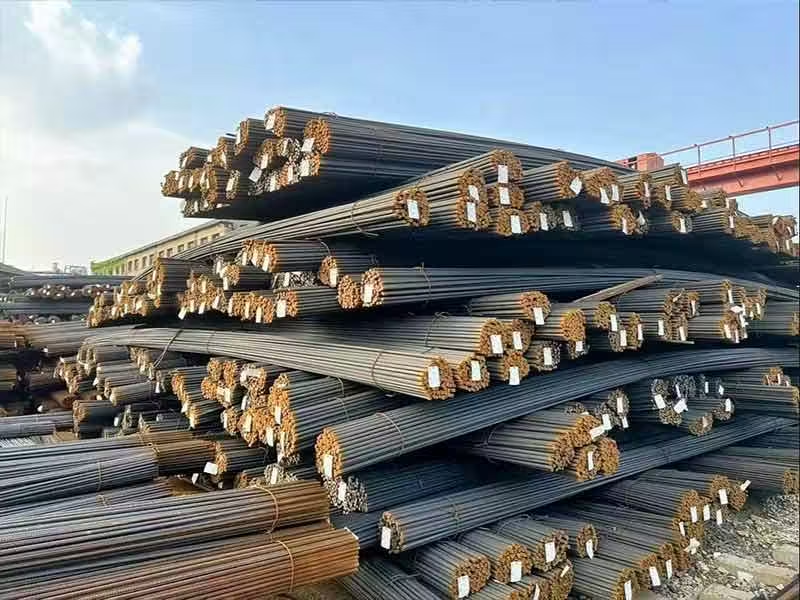
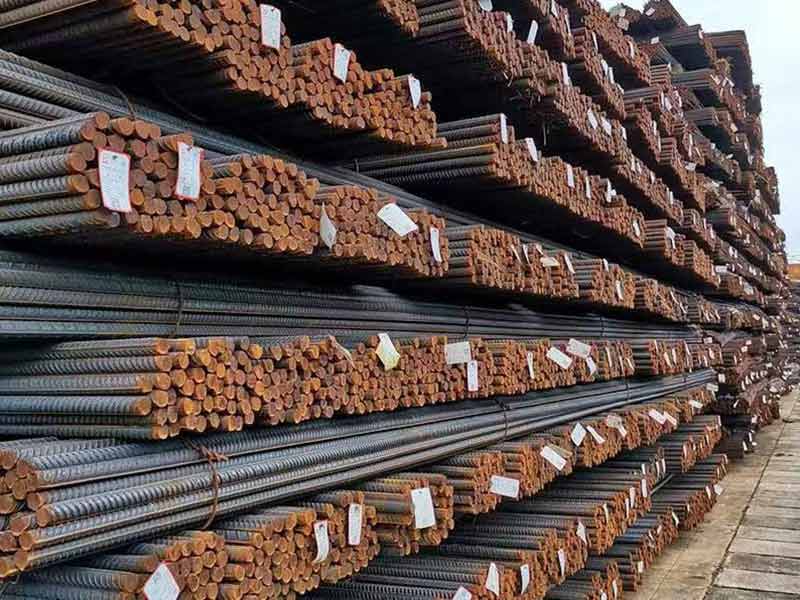
Packaging and labeling directly affect receiving speed. Bundles should be strong enough for transport and handling, and labels should remain readable after unloading. A useful label normally includes size, grade, heat or batch number, bundle weight, and quantity. For coiled rebar, coil ID, OD, weight, and handling orientation may also be required.
Steel rebar bundles should be arranged so the site team can separate diameters without opening every bundle. For mixed-size shipments, color marks, durable tags, or clearly separated loading plans can prevent confusion. A small labeling error can delay a pour if the wrong steel rebar is moved to the work area or if inspectors cannot match the bundle to the certificate.
Traceability matters when projects are inspected or audited. The mill certificate should match the bundle labels and the purchase order. If material is transferred from a warehouse to multiple jobs, receiving records should preserve the link between certificate, heat number, and delivery lot. Without that discipline, proving compliance later becomes harder than it needs to be.
Receiving teams should compare steel rebar markings, tags, and documents before the material is released to production or installation. If labels are damaged during transit, photos taken during unloading can help preserve traceability. For large projects, a simple receiving log that records heat number, bundle count, size, and location can prevent later disputes.
Rebar Ordering Checklist
A complete steel rebar inquiry should include the project standard, grade, diameter, length or coil format, total quantity, bundle or coil weight range, packaging method, destination, required certificates, and any cutting or bending requirements. If steel rebar delivery will go directly to a site with limited unloading equipment, state the maximum acceptable bundle weight.
A steel rebar order should also define whether partial shipments are acceptable. Some projects need all material for one drawing area delivered together, while others can accept staged deliveries by diameter or phase. The buyer should make that preference clear because it affects packing, labeling, production planning, and document control.
- Confirm the controlling standard and grade from the project documents.
- State diameter, length, quantity, and whether straight or coiled supply is required.
- Define bundle weight, coil dimensions, labels, and packaging.
- Request mill certificates and make sure heat numbers match bundle labels.
- Separate base rebar supply from cut-and-bend schedules when needed.
Good rebar purchasing is built on clarity. When the buyer defines grade, size, supply form, packaging, and traceability before production, the material is easier to inspect and easier to move into site work without avoidable delays.
For construction buyers, steel rebar is not just a line item on a material list. It is a controlled structural product that must match the drawing, the code, the fabrication process, and the jobsite plan. A disciplined steel rebar specification helps protect schedule, inspection readiness, and installation quality.