

Steel angle is a fundamental structural material used across construction, manufacturing, and infrastructure projects. Thanks to its L-shaped cross-section, steel angle provides reliable strength, flexibility in design, and cost-effective structural support.
In practical engineering, steel angle applications are valued not only for mechanical performance, but also for ease of fabrication, installation efficiency, and wide availability. For projects that require fast execution, in-stock steel angle products help reduce procurement delays and keep schedules on track.
목차
What Is Steel Angle
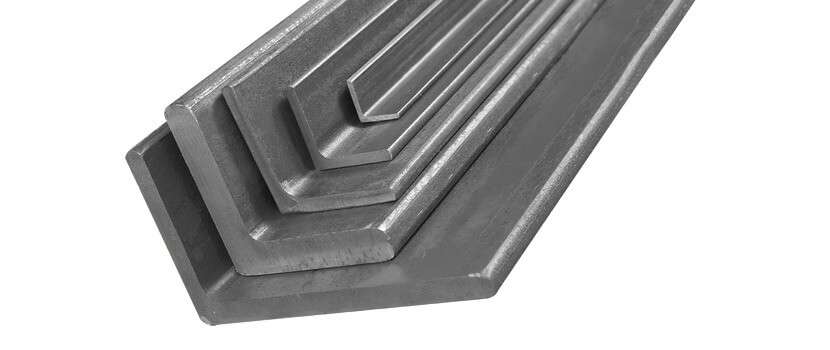
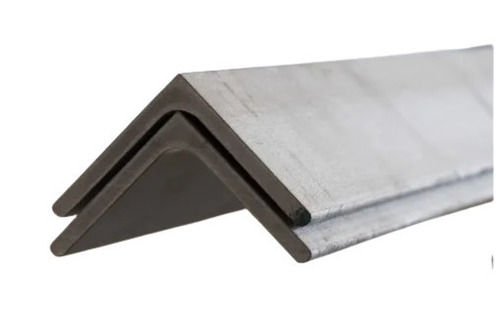
Steel angle, also known as angle steel, is a long steel product with two legs forming a 90-degree angle. It can be produced as equal angle steel or unequal angle steel, depending on whether the two legs are the same length.
Steel angle applications range from light-duty framing to heavy structural reinforcement, making it one of the most versatile steel products on the market.
Key Benefits of Steel Angle Applications
Strong Structural Support
The right-angle design allows steel angle to resist bending and torsion effectively, providing dependable support in both vertical and horizontal structures.
High Flexibility in Design
Steel angle can be easily cut, welded, drilled, and bolted, which makes it suitable for customized structural solutions across different industries.
Cost-Effective Material Choice
Compared with complex structural sections, steel angle delivers solid performance at a lower cost, making it a practical option for budget-conscious projects.
In-Stock Availability and Fast Delivery
Standard sizes and grades are commonly available in stock, allowing fast shipment and reliable supply for urgent projects.
Steel Angle Applications in Construction
Building Frames and Structural Supports
Steel angle is widely used in building frames, bracing systems, and secondary structural components. It helps reinforce walls, columns, and floors while maintaining overall structural stability.
Stairs, Railings, and Architectural Elements
In commercial and residential construction, steel angle applications include stair frames, handrails, and decorative structural elements that require both strength and clean lines.
Roofing and Wall Support Systems
Steel angle provides stable support for roofing systems, wall cladding, and façade frameworks, especially in industrial and warehouse buildings.
Steel Angle Applications in Manufacturing
Machinery Frames and Equipment Supports
Manufacturing facilities rely on steel angle to build machinery bases, equipment frames, and support platforms. Its rigidity ensures stable operation and long-term durability.
Storage Racks and Shelving Systems
Steel angle applications are common in warehouse racks, shelves, and material storage systems due to easy assembly and strong load-bearing capacity.
Fabricated Metal Products
Steel angle serves as a core material in fabricated components such as brackets, frames, and structural connectors.
Infrastructure and Engineering Applications
Power and Energy Projects
Steel angle is used in transmission towers, power station frameworks, and equipment supports, where reliability and strength are critical.
Transportation and Public Facilities
Railway stations, parking structures, and public facilities use steel angle for structural reinforcement and auxiliary frameworks.
Agricultural and Utility Structures
Steel angle applications extend to greenhouses, fencing systems, and utility supports, offering durability in outdoor environments.
Common Specifications of Steel Angle
| 유형 | Leg Size Range | 두께 | 일반적인 응용 프로그램 |
|---|---|---|---|
| Equal Angle | 20×20 mm – 200×200 mm | 3–20 mm | Building frames, racks |
| Unequal Angle | 30×20 mm – 200×125 mm | 3–18 mm | Machinery, reinforcement |
| 길이 | 6 m – 12 m | — | Construction & industry |
| 등급 | Q235, Q345, 미국재료시험협회(ASTM) A36 | — | Structural use |
These specifications allow steel angle applications to meet diverse project requirements.
Surface Treatments and Corrosion Protection
Steel angle can be supplied with different surface finishes to suit environmental conditions.
Hot-dip galvanized steel angle offers excellent corrosion resistance for outdoor and humid environments. Painted or coated steel angle is suitable for indoor and decorative applications.
Quality Standards and Testing
Steel angle products are manufactured in accordance with ASTM, EN, and GB standards. Mechanical testing, dimensional inspection, and chemical analysis ensure consistent quality and dependable performance.
Supply Stability and Logistics Support
With regular production and stocked inventory, steel angle can be delivered quickly to support tight construction and manufacturing schedules. Stable supply reduces downtime and improves project efficiency.
Sustainability and Long-Term Performance
Steel angle is fully recyclable and supports sustainable construction practices. Its durability reduces replacement frequency and long-term maintenance costs, making it a responsible material choice.
How to Choose the Right Steel Angle
Selecting suitable steel angle depends on load requirements, application environment, fabrication needs, and applicable standards. Working with an experienced supplier ensures proper material selection and smooth delivery.
결론
Steel angle applications play a vital role in construction, manufacturing, and infrastructure projects. With strong structural performance, flexible fabrication, and fast in-stock supply, steel angle remains a reliable solution for a wide range of engineering needs.
자주 묻는 질문
What are steel angle applications commonly used for?
Steel angle is used in building frames, machinery supports, racks, and infrastructure projects.
What is the difference between equal and unequal steel angle?
Equal angle has legs of the same length, while unequal angle has legs of different sizes.
Is steel angle suitable for outdoor use?
Yes, especially when supplied with galvanized or corrosion-resistant coatings.
Can steel angle be delivered quickly?
Yes, standard sizes and grades are usually available in stock for fast delivery.
Is steel angle easy to fabricate?
Yes, steel angle is easy to cut, weld, and drill for customized applications.
 Korean
  English
  Arabic
  Vietnamese