
Choosing between 304 and 316 stainless steel is a common decision for industrial buyers, manufacturers, contractors, and engineering teams. Both grades are widely used in stainless steel sheets, plates, pipes, tubes, coils, bars, tanks, structural components, and custom metal fabrication. They offer good strength, clean surface performance, and reliable corrosion resistance in many working environments.
However, 304 and 316 stainless steel are not interchangeable in every project. The right choice depends on corrosion conditions, mechanical requirements, processing methods, budget, service life, and the final application. For buyers sourcing 스테인리스 물자 in bulk, understanding the difference between these two grades can help reduce material waste, avoid performance issues, and control procurement costs.
목차
What Is 304 Stainless Steel?
304 stainless steel is one of the most widely used austenitic stainless steel grades. It contains chromium and nickel, which give the material good corrosion resistance, oxidation resistance, weldability, and formability.
Because of its balanced performance and relatively competitive cost, 304 stainless steel is often selected for general industrial, architectural, food processing, machinery, and equipment manufacturing applications.
Common Features of 304 Stainless Steel
304 stainless steel is popular because it performs well in many normal environments. It is easy to process and can be supplied in different forms, including sheet, plate, coil, pipe, tube, and bar.
주요 기능은 다음과 같습니다:
Good corrosion resistance in general environments
Good forming and welding performance
Clean and attractive surface finish
Suitable for polishing, cutting, bending, and fabrication
Cost-effective compared with 316 stainless steel
Available in many sizes and thicknesses
Common Applications of 304 Stainless Steel
304 stainless steel is commonly used in:
Food processing equipment
Kitchen equipment
Stainless steel tanks
Indoor structural parts
Decorative panels
Machinery components
Industrial pipes and tubes
General fabrication projects
Storage containers
Architectural metalwork
For projects that do not involve strong chemicals, saltwater, or long-term chloride exposure, 304 stainless steel is often a practical and economical choice.

What Is 316 Stainless Steel?
316 stainless steel is also an austenitic stainless steel grade, but it contains molybdenum. This element improves the material’s resistance to pitting corrosion and crevice corrosion, especially in chloride-rich environments.
This makes 316 stainless steel a better option for marine, coastal, chemical, pharmaceutical, and high-humidity applications. Although it usually costs more than 304, it can provide better long-term durability in harsh conditions.
Common Features of 316 Stainless Steel
316 stainless steel is selected when corrosion resistance is a key requirement. It maintains good strength and workability while offering stronger protection in aggressive environments.
주요 기능은 다음과 같습니다:
Better resistance to chlorides and saltwater
Improved corrosion resistance in chemical environments
Good welding and forming performance
Suitable for outdoor and marine applications
Longer service life in harsh working conditions
Available in sheet, plate, pipe, tube, coil, and bar forms
Common Applications of 316 Stainless Steel
316 stainless steel is commonly used in:
Marine equipment
Shipbuilding components
Coastal construction projects
Chemical processing equipment
Pharmaceutical machinery
열교환기
Industrial tanks
Food-grade processing systems
Valves and fittings
Outdoor structures exposed to moisture
For projects where rust, pitting, or chemical corrosion may affect performance, 316 stainless steel is usually the safer material choice.
304 vs 316 Stainless Steel: Main Differences
The biggest difference between 304 and 316 stainless steel is corrosion resistance. 316 stainless steel contains molybdenum, which improves its performance in saltwater, chloride, and chemical environments. 304 stainless steel is more commonly used for general applications because it is cost-effective and widely available.
304 vs 316 Stainless Steel Comparison Table
| 목 | 304 스테인리스 스틸 | 316 스테인리스강 |
|---|---|---|
| Stainless steel type | Austenitic stainless steel | Austenitic stainless steel |
| Key elements | Chromium and nickel | Chromium, nickel, and molybdenum |
| 내식성 | Good for general environments | Better for chloride and chemical environments |
| 힘 | 좋은 | 좋은 |
| 경도 | Similar to 316 in many conditions | Similar to 304 in many conditions |
| 용접성 | 좋은 | 좋은 |
| 성형성 | 좋은 | 좋은 |
| 비용 | 낮추다 | 더 높은 |
| Best for | General industrial and indoor use | Marine, chemical, and coastal use |
| Common products | Sheets, plates, pipes, coils, bars | Sheets, plates, pipes, coils, tanks, fittings |
Is 316 Stainless Steel Stronger Than 304?
In many industrial applications, the strength difference between 304 and 316 stainless steel is not the main deciding factor. Both grades provide good mechanical strength and are suitable for many fabrication and structural uses.
The more important difference is environmental resistance. 316 stainless steel is not always chosen because it is much stronger. It is usually chosen because it performs better in corrosive environments.
When Strength Is the Main Concern
If your project mainly focuses on load-bearing capacity, impact resistance, or wear resistance, the stainless steel grade alone is not enough. Buyers should also confirm:
물자 기준
두께
Hardness requirement
장력 강도
항복 강도
표면 상태
Processing method
Final application environment
For some high-strength or wear-resistant applications, carbon steel, alloy steel, or special steel grades may be more suitable than standard 304 or 316 stainless steel.
Which Is Harder, 304 or 316 Stainless Steel?
The hardness of 304 and 316 stainless steel is usually close when both materials are in similar conditions. Processing methods such as cold rolling, drawing, bending, and forming can influence the final hardness.
For most buyers, the question should not only be “which is harder?” A better question is whether the selected material can meet the required performance in the actual working environment.
Factors That Affect Stainless Steel Hardness
The hardness of stainless steel can be affected by:
강철 급료
Cold working process
Heat treatment condition
Product form
두께
표면 마감
Manufacturing standard
Testing method
If hardness is important for your project, it is recommended to confirm the required test standard and mechanical properties before ordering.
Corrosion Resistance: Why 316 Stainless Steel Performs Better
Corrosion resistance is the main reason many buyers choose 316 stainless steel instead of 304. The molybdenum content in 316 helps protect the material against chloride-related corrosion.
This is especially important for projects exposed to saltwater, chemicals, high humidity, or outdoor environments.
When 304 Stainless Steel Is Usually Enough
304 stainless steel is suitable for many normal environments, such as:
Indoor equipment
General machinery
Dry or mildly humid areas
Food processing equipment
Decorative metal parts
Storage tanks for non-aggressive materials
General construction components
In these applications, 304 stainless steel can offer reliable performance at a lower cost.
When 316 Stainless Steel Is a Better Choice
316 stainless steel is usually recommended for:
해안 건물
Marine equipment
Shipbuilding parts
Chemical processing equipment
Pharmaceutical equipment
Outdoor industrial structures
열교환기
Components exposed to chlorides
High-humidity production environments
In these cases, 316 stainless steel may reduce long-term maintenance and replacement costs.
Cost Difference Between 304 and 316 Stainless Steel
316 stainless steel is generally more expensive than 304 stainless steel because it contains molybdenum and offers better corrosion resistance. For large-volume procurement, this price difference can affect the total project budget.
However, the lowest material price is not always the best choice. If 304 stainless steel is used in a harsh environment where corrosion occurs quickly, the project may face higher maintenance costs, shorter service life, or replacement risks.
How Buyers Should Evaluate Cost
When comparing 304 and 316 stainless steel, buyers should consider:
Initial material price
예상 서비스 수명
Corrosion risk
Maintenance cost
Replacement cost
Processing cost
주문 수량
Shipping and packing requirements
Project safety requirements
For general applications, 304 stainless steel is often more economical. For demanding environments, 316 stainless steel may provide better value over the full service life.
How to Choose Between 304 and 316 Stainless Steel
The best way to choose between 304 and 316 stainless steel is to start with the project environment and performance requirements.
Choose 304 Stainless Steel If:
The material will be used indoors
The environment is not highly corrosive
Budget control is important
The project requires good forming and welding
The application is general machinery or decoration
There is no long-term exposure to saltwater or chemicals
Choose 316 Stainless Steel If:
The material will be used near the sea
The environment contains chlorides
The application involves chemicals or high humidity
The project requires stronger corrosion resistance
Long service life is more important than initial cost
The product will be exposed to outdoor conditions for a long time

Product Forms Available for Stainless Steel Projects
For industrial sourcing, stainless steel grade selection is only one part of the buying process. Buyers also need to confirm the product form and specifications.
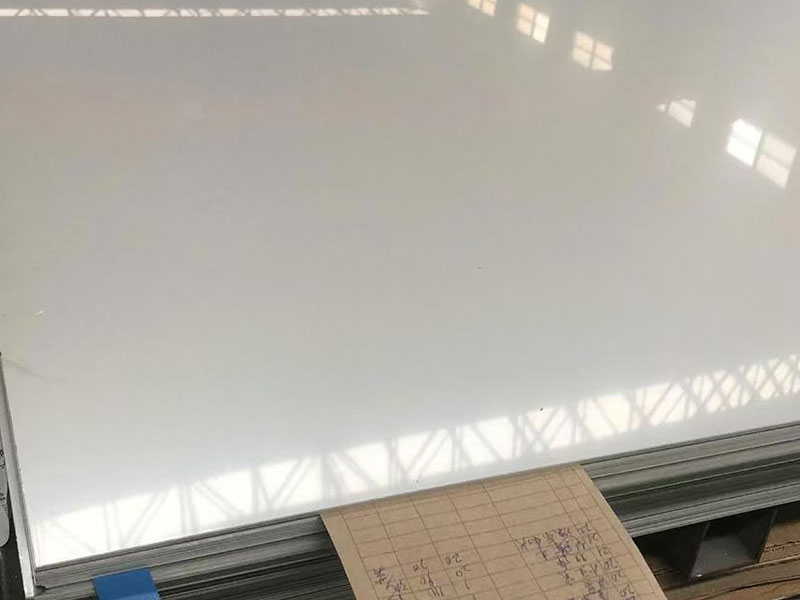
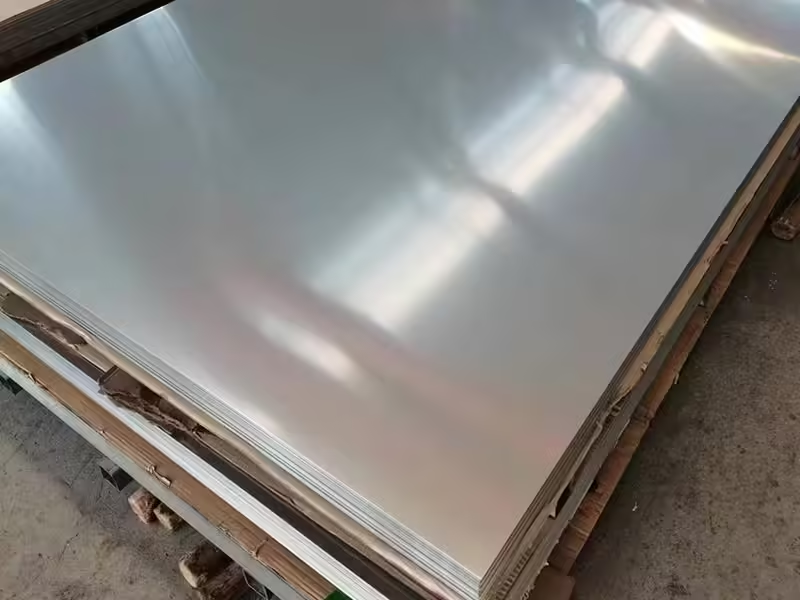
Stainless Steel Sheet and Plate
Stainless steel sheets and plates are widely used in equipment manufacturing, construction, tanks, panels, machinery, and fabrication projects. Buyers usually need to confirm thickness, width, length, surface finish, and tolerance.
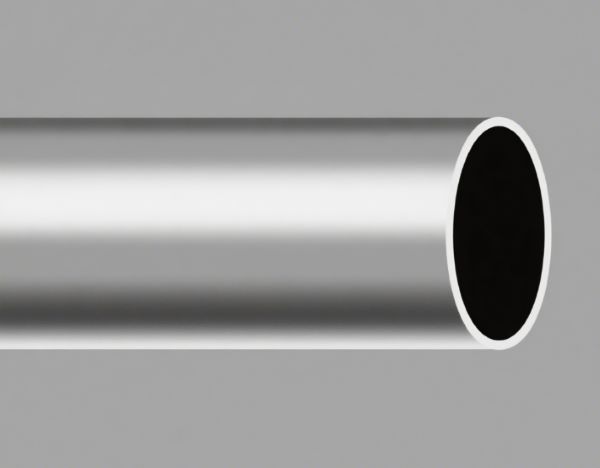
Stainless Steel Pipe and Tube
Stainless steel pipes and tubes are used for fluid transport, structural support, chemical systems, food processing lines, and mechanical components. Important specifications include outer diameter, wall thickness, length, standard, and end finish.
스테인리스 스틸 코일
Stainless steel coils are suitable for further processing, stamping, bending, cutting, roofing, appliance manufacturing, and industrial production. Buyers should confirm coil width, thickness, weight, surface finish, and packaging method.
Stainless Steel Bar
Stainless steel bars are used in machining, fasteners, shafts, structural parts, and custom components. Round bar, flat bar, square bar, and hex bar can be selected according to processing requirements.
Buying Checklist for 304 and 316 Stainless Steel
Before placing an order, buyers should prepare clear specifications to help the supplier quote accurately and avoid misunderstanding.
Key Information to Confirm
Stainless steel grade: 304, 304L, 316, 316L, or other grade
Product form: sheet, plate, pipe, tube, coil, or bar
Size and thickness
표면 마감
물자 기준
Tolerance requirement
Processing service
주문 수량
패킹 방법
Shipping destination
Application environment
Required documents or test reports
A clear specification can improve communication efficiency and help ensure the material matches the project requirement.
Why Supplier Selection Matters
For stainless steel procurement, the supplier’s capability is just as important as the material grade. A reliable stainless steel supplier should be able to provide stable material quality, accurate specifications, suitable packaging, and timely delivery.
What to Look for in a Stainless Steel Supplier
When choosing a supplier, buyers should check:
Available stainless steel grades
제품 범위
Customization capability
Quality control process
Export packing experience
Delivery capacity
기술 커뮤니케이션
Quotation clarity
After-sales support
For international buyers, export experience is especially important because packing, loading, documentation, and communication can directly affect the delivery result.

Final Recommendation
304 and 316 stainless steel are both widely used industrial materials, but they are suitable for different environments. 304 stainless steel is a cost-effective choice for general industrial, indoor, decorative, and equipment manufacturing applications. 316 stainless steel is a better choice for marine, coastal, chemical, and high-corrosion environments.
If your project needs reliable performance at a controlled cost, 304 stainless steel may be suitable. If the material must resist saltwater, chlorides, chemicals, or long-term outdoor exposure, 316 stainless steel is usually the better option.
Huanhai Zhongke supplies stainless steel materials and other metal products for industrial buyers, construction projects, manufacturing plants, and global distributors. We can support different grades, sizes, thicknesses, surface finishes, and customized specifications according to project requirements.
Contact Huanhai Zhongke to discuss your stainless steel material needs and get a suitable solution for your project.