

화학 저장 탱크용 스테인리스 스틸 코일은 산,알칼리, 용제,산업용 화학 물질을 저장하도록 설계된 부식 방지 탱크 제조에 널리 사용됩니다. 화학 환경은 매우 공격적이어서 구조적 무결성을 유지하고 부식에 저항하며 장기적인 작동 안전을 보장하는 재료가 필요합니다.
코팅 된 탄소강과 비교하여 스테인레스 스틸 코일은 표면 코팅에 의존하지 않고 고유 한 내식성을 제공하므로 산업 및 환경 응용 분야에서 화학 탱크 제작에 선호되는 재료입니다.
목차
화학 저장 탱크가 필요한 이유 스테인리스 스틸
화학 저장 탱크는 다음에 노출됩니다:
- 강산과 알칼리
- 염화물 함유 용액
- 높은 온도
- 지속적인 수분 노출
- 내부 압력 및 외부 스트레스
이러한 조건에서 전통적인 강철 재료는 빠르게 부식되어 누출 위험과 비용이 많이 드는 유지 보수를 초래합니다. 스테인레스 스틸 코일은 크롬이 풍부한 수동 필름을 형성하여 화학적 공격으로부터 표면을 보호하여 수명을 크게 연장합니다.
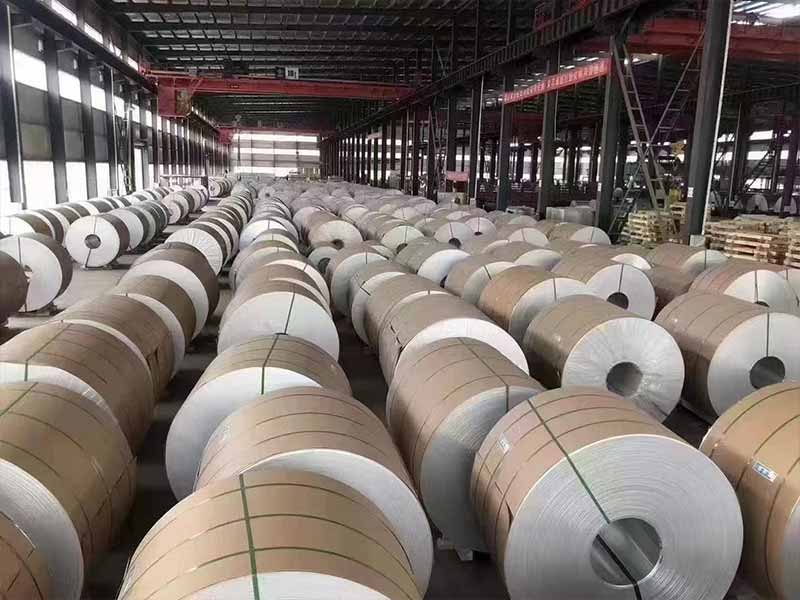
화학 탱크를 위한 일반적인 스테인리스 급료
304 스테인레스 스틸 코일
304 스테인리스 코일은 온화한 화학 저장 및 일반적인 산업 액체를 위해 적당합니다. 그것은 좋은 내식성 및 강한 제작 성과를 제안합니다.
응용 프로그램은 다음과 같습니다:
- 중립 화학 저장
- 수성 솔루션
- 경공업용 유체
316 스테인레스 스틸 코일
316 스테인리스 코일은 염화물과 산성 환경에 저항을 강화하는 몸리브덴을 포함합니다. 그것은을 위해 추천됩니다:
- 산성 저장 탱크
- 소금 솔루션
- 해양 화학 시스템
- 공격적인 산업용 화학물질
부식성이 높은 매체의 경우 316 은 상당히 향상된 피팅 저항과 내구성을 제공합니다.
기술 사양 개요
| 매개변수 | 일반적인 범위 | 설명 |
|---|---|---|
| 등급 | 304 / 316 | 내화학성 스테인리스 |
| 두께 | 1.0~8.0mm | 탱크 벽 제작에 적합합니다 |
| 너비 | 1000~2000mm | 대형 탱크 성형용 와이드 코일 |
| 표면 마감 | 2B / No.1 | 산업 표면 |
| 항복 강도 | ≥205MPa | 구조적 신뢰성 |
| 기준 | ASTM A240 / EN 10088 | 국제 규정 준수 |
탱크 벽 두께는 탱크 직경, 저장된 화학 유형 및 압력 요구 사항에 따라 선택됩니다.
화학 탱크를 위한 스테인리스 코일의 주요 이점
1. 우수한 내화학성
스테인리스 스틸 코일은 산화,산 공격,염화물 부식에 저항합니다. 이를 통해 누설 위험을 줄이고 환경 안전성을 향상시킵니다.
2. 큰 탱크를 위한 구조상 힘
산업 화학 탱크는 큰 직경 및 고도를 도달할지도 모릅니다. 스테인리스는 높은 장력 강도 및 개악 저항을 제공합니다.
3. 온도 저항
많은 화학 물질이 높은 온도에 저장됩니다. 스테인레스 스틸은 열 응력 하에서 기계적 안정성을 유지합니다.
4. 용접성 및 제작 유연성
코일 형식은 다음과 같은 효율적인 제조 공정을 가능하게 합니다:
- 원통형 껍질로 굴러갑니다
- 자동 솔기 용접
- CNC 절단
- 구조 보강 형성
이는 탱크 생산업체의 제조 효율성을 향상시킵니다.
5. 감소된 정비 및 수명주기 비용
코팅된 재료와 달리 스테인리스강은 주기적으로 다시 칠할 필요가 없습니다. 유지 관리가 적으면 총 소유 비용이 줄어듭니다.
화학 산업의 응용 분야
화학 저장 탱크를 위한 스테인리스 코일은에서 사용됩니다:
석유화학 플랜트
산성 저장 시설
약제 원료 탱크
산업용 용제 저장
물 처리 화학 탱크
농업 화학 저장
정유소 처리 장치
그것의 다예 다제는 실내기도 하고 옥외 탱크 체계를 지원합니다.
표면 마감 고려 사항
No.1 마감은 일반적으로 대형 탱크용 두꺼운 산업용 플레이트 스타일 코일에 사용됩니다.
2B 마감은 더 가벼운 화학 용도에 적합한 더 부드러운 표면 특성을 제공합니다.
표면 준비는 내식성과 세척 효율성에 영향을 미칩니다.
비교: 스테인레스 스틸 대 탄소강 탱크
탄소 강철 탱크는 에폭시 또는 고무 안대기를 요구합니다.
코팅 실패는 급속한 부식으로 이끌어 냅니다.
스테인리스 탱크는 고유의 부식 방지 기능을 제공합니다.
유지보수 빈도가 크게 감소합니다.
장기 신뢰성은 스테인리스로 더 높습니다.
위험한 화학물질의 경우, 스테인리스 스틸은 우수한 환경 안전 및 규정 준수를 제공합니다.
품질 관리 및 인증
전문 스테인레스 스틸 코일 공급 업체는 제공:
- 화학 성분 시험
- 기계적 강도 검증
- 간격 포용력 검사
- 초음파 검사 (필요한 경우)
- 밀 테스트 인증서(MTC)
ASTM 및 EN 표준 준수는 글로벌 화학 산업 프로젝트에 대한 적합성을 보장합니다.
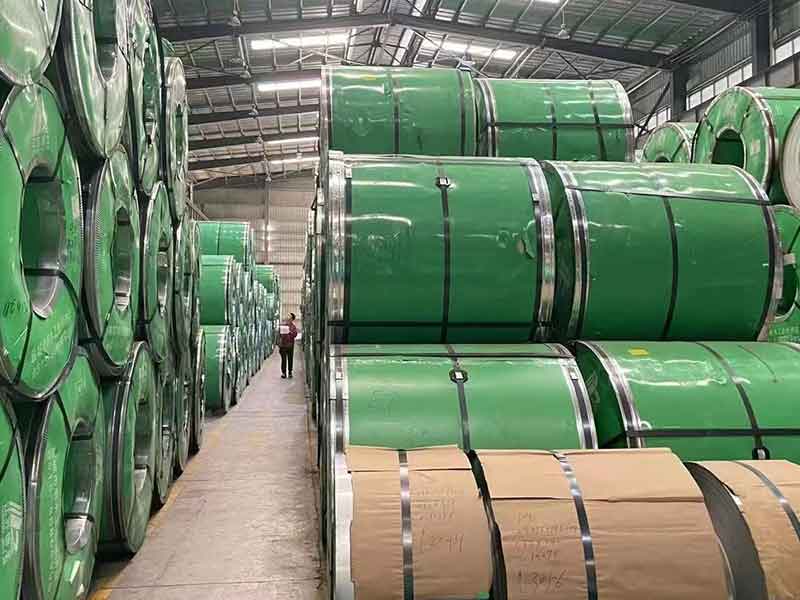
탱크 제조업체 및 EPC 프로젝트를 위한 대량 공급
대규모 화학 물질 저장 프로젝트에는 안정적인 재료 공급이 필요합니다. 공급업체 지원:
큰 코일 재고
주문 폭 생산
헤비 게이지 옵션
수출 등급 포장
유연한 배송 일정
프로젝트 기반 조달 지원
안정적인 공급은 탱크 제조업체 및 엔지니어링 계약업체의 원활한 생산을 보장합니다.
시장 전망
글로벌 화학 생산은 다음으로 인해 계속 증가하고 있습니다:
산업 확장
에너지 부문 개발
인프라 투자
환경 보호 프로젝트
안전 규정이 엄격해짐에 따라 화학 저장 탱크용 내식성 스테인리스 스틸 코일에 대한 수요가 계속 증가하고 있습니다.
결론
화학 저장 탱크용 스테인리스 스틸 코일은 뛰어난 내화학성,구조적 강도,온도 안정성,장기적인 내구성을 제공합니다. 산업용 탱크 제작 및 유해 화학 물질 저장 시스템을 위한 신뢰할 수 있는 소재 선택입니다.
탱크 제조업체 및 EPC 계약업체의 경우 인증된 스테인리스 스틸 코일을 소싱하면 안전,규정 준수 및 장기적인 운영 효율성이 보장됩니다.
자주 묻는 질문
Q1: 304 스테인리스는 산 저장을 위해 적당합니까?
304 는 약한 산에 적합하지만 316 은 더 강한 산성 환경에 권장됩니다.
Q2: 왜 화학 저장에서 316 가 선호됩니까?
316 은 몰리브덴을 함유하고있어 염화물 부식 및 피팅에 대한 저항력을 향상시킵니다.
Q3: 저장 탱크를 위해 추천되는 무슨 간격?
두께는 탱크 크기와 저장된 화학적 특성에 따라 다르며 일반적으로 1.0~8.0mm입니다.
Q4: 코일 폭은 큰 탱크를 위해 주문을 받아서 만들어질 수 있습니까?
예, 공급 업체는 대구경 탱크 제작을위한 넓은 코일 옵션을 제공합니다.
Q5: 엔지니어링 프로젝트에 대량 공급이 가능합니까?
예, 공급 업체는 대규모 산업 및 EPC 화학 프로젝트를 지원합니다.
 Korean
  English
  Arabic
  Vietnamese