
Trong bối cảnh công nghiệp hiện nay, các nhà sản xuất đòi hỏi nhiều hơn các sản phẩm thép tiêu chuẩn—họ cần sự linh hoạt, độ chính xác và các giải pháp phù hợp. Cuộn thép tùy chỉnh cung cấp chính xác những điều đó. Từ việc lựa chọn hợp kim phù hợp đến việc xác định độ dày, chiều rộng và độ hoàn thiện bề mặt, cuộn thép có thể được tùy chỉnh để đáp ứng các yêu cầu cụ thể của ngành công nghiệp.
Bài viết này xem xét những lợi ích của cuộn thép tùy chỉnh, các lựa chọn vật liệu, kỹ thuật sản xuất và ứng dụng của chúng trong nhiều ngành công nghiệp khác nhau, cũng như những cân nhắc thực tế khi mua và sử dụng chúng một cách hiệu quả.
Mục lục
Ưu điểm của Cuộn thép tùy chỉnh
Các cuộn thép tùy chỉnh mang lại nhiều lợi ích hơn so với các sản phẩm tiêu chuẩn:
- Thông số kỹ thuật tùy chỉnh: Độ dày, chiều rộng và trọng lượng cuộn dây có thể được điều chỉnh để phù hợp với các yêu cầu cụ thể.
- Đa dạng vật liệu: Bạn có thể lựa chọn thép carbon, thép không gỉ, nhôm hoặc các hợp kim khác.
- Các tùy chọn hoàn thiện bề mặt: Được đánh bóng, phủ lớp bảo vệ hoặc mạ kẽm để phù hợp với nhu cầu công nghiệp hoặc thẩm mỹ.
- Hiệu quả sản xuất: Giảm thiểu lãng phí vật liệu bằng cách đảm bảo thông số kỹ thuật hoàn toàn phù hợp với quy trình sản xuất.
- Hiệu năng được nâng cao: Được tối ưu hóa về khả năng chống ăn mòn, độ bền hoặc khả năng tạo hình tùy thuộc vào ứng dụng.
So sánh giữa cuộn thép tiêu chuẩn và cuộn thép đặt làm theo yêu cầu
| Tính năng | Cuộn thép tiêu chuẩn | Cuộn thép tùy chỉnh |
|---|---|---|
| Độ dày | Phạm vi cố định | Có thể điều chỉnh theo nhu cầu của khách hàng. |
| Vật liệu | Các lựa chọn hạn chế | Nhiều loại hợp kim khác nhau |
| Hoàn thiện bề mặt | Nền tảng | Đánh bóng, phủ lớp, mạ kẽm |
| Chất thải sản xuất | Cao hơn | Giảm thiểu |
| Tính linh hoạt của ứng dụng | Vừa phải | Cao cấp, được tùy chỉnh cho quy trình |
Các lựa chọn vật liệu cho cuộn dây tùy chỉnh
Các nhà sản xuất có thể lựa chọn từ nhiều loại hợp kim khác nhau tùy thuộc vào yêu cầu về hiệu năng:
- Thép cacbon: Được sử dụng rộng rãi, bền chắc, tiết kiệm chi phí.
- Thép không gỉ: Chống ăn mòn, thích hợp cho môi trường khắc nghiệt.
- Nhôm: Nhẹ, chống ăn mòn, dễ gia công
- Hợp kim đặc biệt: Niken, đồng hoặc các kim loại khác cho các ứng dụng chuyên biệt.
Việc lựa chọn vật liệu nào cũng ảnh hưởng đến độ bền, độ dẻo, khả năng chống ăn mòn và chi phí, vì vậy việc lựa chọn cẩn thận là vô cùng quan trọng.
Cuộn thép cacbon
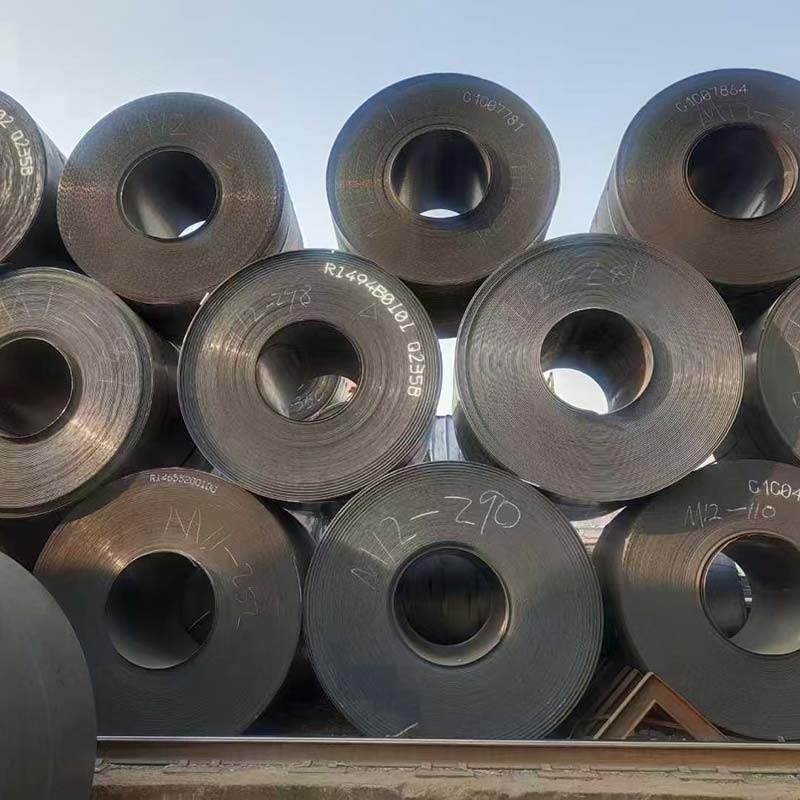
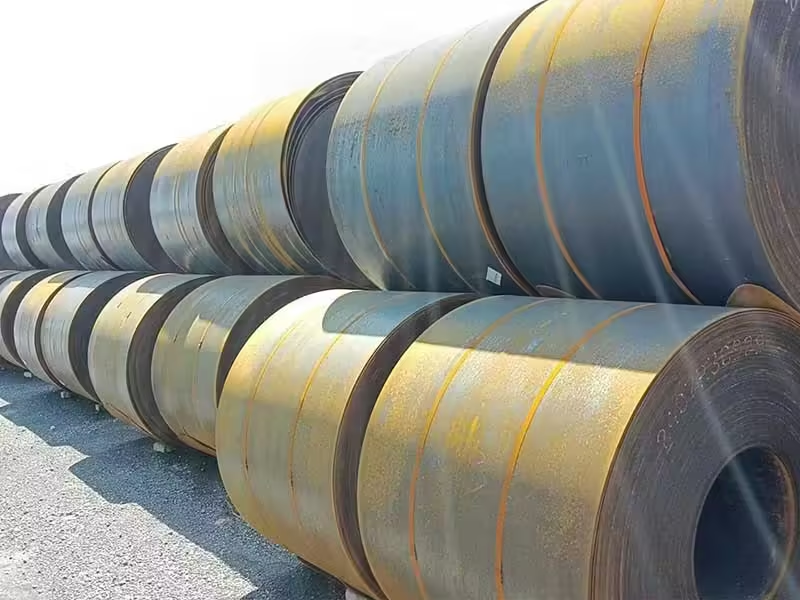
Thép cuộn cacbon rất phổ biến trong sản xuất nói chung. Chúng có độ bền tuyệt vời, dễ gia công và tiết kiệm chi phí. Bằng cách điều chỉnh hàm lượng cacbon và độ dày, các nhà sản xuất có thể tối ưu hóa độ cứng và độ bền kéo cho các ứng dụng cụ thể.
Cuộn thép không gỉ
Ống thép không gỉ lý tưởng cho các ứng dụng đòi hỏi khả năng chống ăn mòn và độ bền cao. Chúng được sử dụng rộng rãi trong chế biến thực phẩm, thiết bị hóa chất và môi trường hàng hải. Xử lý bề mặt và phủ lớp bảo vệ có thể nâng cao hơn nữa hiệu suất của chúng.
Cuộn nhôm
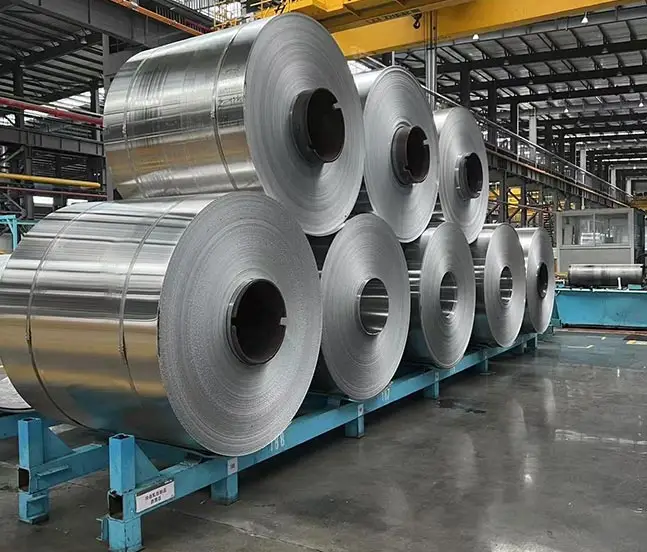
Cuộn nhôm cung cấp các giải pháp vật liệu nhẹ cho ngành công nghiệp ô tô, hàng không vũ trụ và xây dựng. Khả năng chống ăn mòn và tính dễ tạo hình của chúng làm cho chúng phù hợp với các yêu cầu tạo hình phức tạp và hiệu suất cao.
Cuộn hợp kim đặc biệt
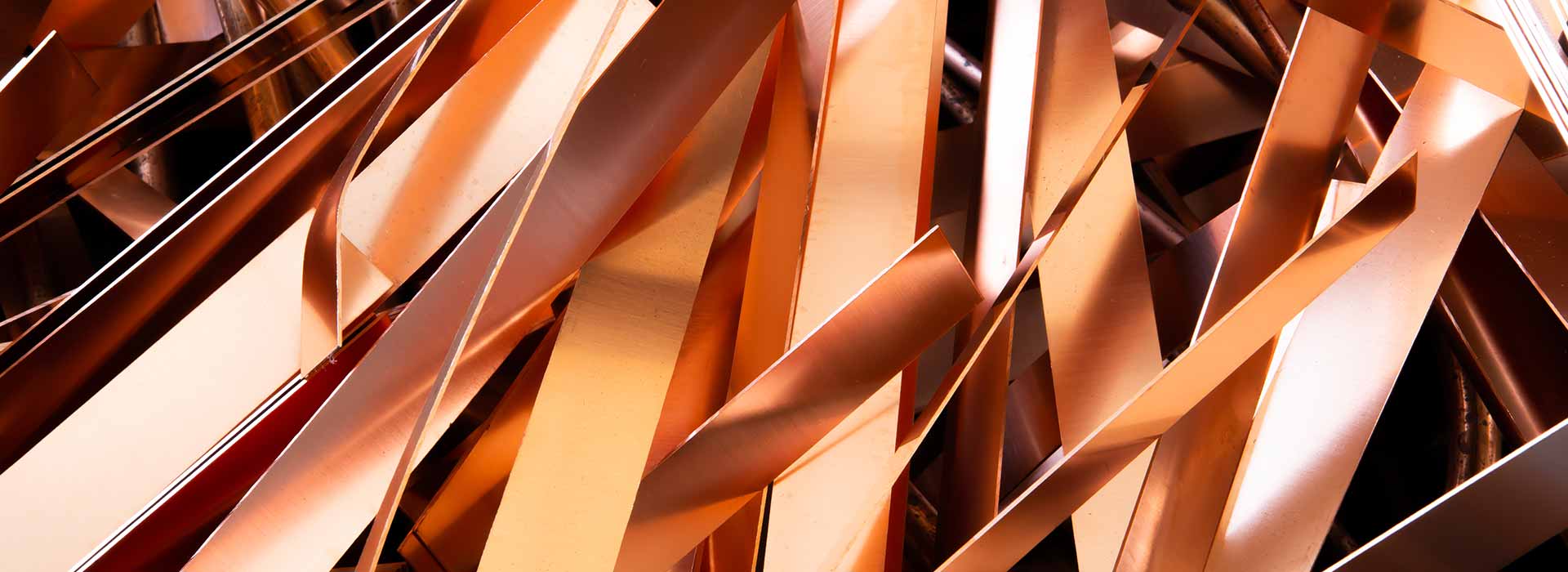
Các loại cuộn dây chuyên dụng, chẳng hạn như hợp kim niken hoặc đồng, phục vụ cho các ngành công nghiệp đặc thù như điện tử, chế biến hóa chất hoặc môi trường nhiệt độ cao. Những vật liệu này kết hợp độ bền, khả năng chống ăn mòn và các đặc tính nhiệt hoặc điện cụ thể.
Quy trình sản xuất và tùy chỉnh
Các cuộn thép đặt làm theo yêu cầu trải qua một quy trình sản xuất chi tiết để đảm bảo đáp ứng các thông số kỹ thuật:
- Lựa chọn nguyên liệu thô: Lựa chọn hợp kim phù hợp về độ bền, khả năng chống ăn mòn và hiệu năng.
- Lăn nóng hay lăn lạnh: Đạt được độ dày, chiều rộng và kết cấu bề mặt mong muốn.
- Xử lý nhiệt: Tăng cường độ dẻo, độ bền và khả năng giảm ứng suất.
- Hoàn thiện bề mặt: Đánh bóng, mạ kẽm, phủ lớp hoặc anot hóa để cải thiện khả năng chống ăn mòn hoặc tính thẩm mỹ.
- Kiểm soát chất lượng: Kiểm tra độ dày, chiều rộng, độ bền kéo và bề mặt để đảm bảo đáp ứng các yêu cầu của khách hàng.
| Giai đoạn quy trình | Mục đích | Phương pháp điển hình |
|---|---|---|
| Lăn | Đạt được độ dày và chiều rộng | Nhà máy cán nóng/lạnh |
| Xử lý nhiệt | Tăng cường các đặc tính cơ học | Ủ nhiệt, tôi luyện |
| Hoàn thiện bề mặt | Cải thiện khả năng chống ăn mòn và vẻ ngoài. | Đánh bóng, phủ lớp, mạ kẽm |
| Điều tra | Đảm bảo tuân thủ các thông số kỹ thuật. | Kiểm tra kích thước và độ bền kéo |
Ứng dụng trong nhiều ngành công nghiệp
Thép cuộn sản xuất theo yêu cầu là vật liệu thiết yếu trong nhiều lĩnh vực:
- Ô tô: Các tấm thân xe, các bộ phận khung gầm và các yếu tố cấu trúc.
- Sự thi công: Mái nhà, vách ngoài, dầm chữ H và cốt thép
- Thiết bị gia dụng: Thép không gỉ dùng cho thiết bị gia dụng và thương mại
- Năng lượng: Các công trình khai thác dầu khí và năng lượng tái tạo đòi hỏi hợp kim hiệu suất cao.
- Máy móc: Thiết bị và dụng cụ công nghiệp yêu cầu các loại vật liệu có chất lượng đặc biệt.
Nghiên cứu điển hình: Sản xuất ô tô
Một nhà sản xuất ô tô hàng đầu cần cuộn nhôm để làm các tấm thân xe nhẹ. Nhà cung cấp đã cung cấp các cuộn nhôm có độ dày và độ hoàn thiện bề mặt chính xác, đảm bảo tương thích với các quy trình dập và hàn. Các thông số kỹ thuật tùy chỉnh đã giảm thiểu lãng phí và cải thiện hiệu quả dây chuyền lắp ráp.
Nghiên cứu điển hình: Cung cấp thép xây dựng
Dự án cầu này cần dầm chữ H và thép tấm từ cuộn thép cacbon với chiều rộng và độ dày chính xác. Các cuộn thép được sản xuất theo yêu cầu cho phép đội thi công tối ưu hóa thiết kế kết cấu và giảm thiểu lãng phí vật liệu trong khi vẫn đảm bảo khả năng chịu tải cao.
Những điều cần cân nhắc Lựa chọn cuộn thép theo yêu cầu
- Xác định các yêu cầu: Xác định độ dày, chiều rộng, loại vật liệu và độ hoàn thiện bề mặt.
- Hiểu rõ nhu cầu về hiệu suất: Cần xem xét độ bền kéo, khả năng chống ăn mòn và khả năng tạo hình.
- Khả năng của nhà cung cấp: Đảm bảo nhà sản xuất có thể sản xuất ra các sản phẩm có thông số kỹ thuật chính xác một cách nhất quán.
- Tiêu chuẩn chất lượng: Kiểm tra sự tuân thủ các tiêu chuẩn ISO, ASTM hoặc tiêu chuẩn địa phương.
- Giao hàng & Tính linh hoạt: Cần xem xét thời gian sản xuất, giới hạn trọng lượng cuộn dây và các yếu tố hậu cần.
Câu hỏi thường gặp
Những ưu điểm chính của cuộn thép tùy chỉnh là gì?
Chúng cho phép kiểm soát chính xác độ dày, chiều rộng, vật liệu và độ hoàn thiện bề mặt, giúp cải thiện hiệu suất và giảm thiểu lãng phí.
Những loại vật liệu nào có sẵn để chế tạo cuộn dây theo yêu cầu?
Thép cacbon, thép không gỉ, nhôm và các hợp kim đặc biệt thường được sử dụng.
Liệu các cuộn dây tùy chỉnh có thể cải thiện hiệu quả sản xuất?
Đúng vậy, việc lựa chọn cuộn dây phù hợp với nhu cầu sản xuất giúp giảm thiểu thao tác, lãng phí và thời gian xử lý.
Làm thế nào để đảm bảo chất lượng trong các cuộn dây đặt làm riêng?
Thông qua quá trình kiểm tra nghiêm ngặt về kích thước, độ bền kéo và độ hoàn thiện bề mặt, thường tuân theo các tiêu chuẩn ISO hoặc ASTM.
Ngành công nghiệp nào được hưởng lợi nhiều nhất từ cuộn thép tùy chỉnh?
Các ngành công nghiệp ô tô, xây dựng, thiết bị gia dụng, năng lượng và máy móc công nghiệp sẽ thu được những lợi thế đáng kể.
 Vietnamese
  English
  Korean
  Arabic