

Mục lục
Người mua công nghiệp thường coi ống đồng như một vật liệu quen thuộc, nhưng các chi tiết đằng sau một đơn đặt hàng quyết định liệu nó sẽ uốn cong sạch sẽ, hàn đồng đáng tin cậy, giữ áp lực, và đến mà không bị ô nhiễm. một đặc điểm kỹ thuật ống đồng rõ ràng là đặc biệt quan trọng đối với dòng HVAC, mạch làm lạnh, bộ trao đổi nhiệt, lắp ráp hệ thống ống nước, và công việc chế tạo chung nơi kiểm soát kích thước và độ sạch bề mặt ảnh hưởng đến hệ thống hoàn thiện.
Hướng dẫn này tập trung vào các quyết định mua hàng thực tế cho ống đồng chứ không phải là lý thuyết vật liệu rộng.Nó giải thích các điều khoản mà người mua nên xác định trước khi yêu cầu báo giá, sự cân bằng giữa chiều dài thẳng và cung cấp cuộn dây và các tài liệu chất lượng giúp các nhóm tiếp nhận kiểm tra từng lô hàng.Nó được viết cho các nhóm mua sắm, kỹ sư và nhà chế tạo cần chi tiết hữu ích mà không cần biến yêu cầu mua hàng thành một dự án nghiên cứu.
Tại sao đặc điểm kỹ thuật ống đồng quan trọng
Ng đồng được chọn vì nó kết hợp tính dẫn nhiệt, chống ăn mòn trong nhiều môi trường dịch vụ, khả năng làm việc và tuổi thọ dài khi được lắp đặt chính xác. những điểm mạnh đó không loại bỏ sự cần thiết của một đặc điểm kỹ thuật kỷ luật. một ống đồng phù hợp với cuộn dây làm lạnh có thể không phải là lựa chọn phù hợp cho một đường ống nước cứng nhắc chạy hoặc một bộ trao đổi nhiệt lắp ráp với yêu cầu nghiêm ngặt về độ sạch.
Bước đầu tiên là mô tả ứng dụng thực tế.Nêu rõ ống đồng sẽ mang nước, chất làm lạnh, dầu, khí đốt, hoặc một phương tiện khác.Giải thích liệu nó sẽ được uốn cong, mở rộng, bùng lên, hàn đồng, hàn, rút ra thông qua một công cụ hình thành, hoặc cắt thành các phần ngắn.Người mua so sánh các ứng dụng cuộn ống đồng cũng nên nêu bán kính uốn dự kiến và giới hạn đóng gói, vì việc xử lý cuộn dây có thể ảnh hưởng đến hiệu quả sản xuất.
Đối với một tài liệu tham khảo kỹ thuật bên ngoài, đồng được ghi chép rộng rãi như một kim loại kỹ thuật có độ dẫn điện cao. các Hiệp hội phát triển đồng cung cấp thông tin ngành về vật liệu và ứng dụng đồng. người mua vẫn nên dựa vào tiêu chuẩn dự án, bản vẽ và chứng chỉ nhà cung cấp để chấp nhận cuối cùng thay vì giả định rằng tất cả các ống đồng có thể hoán đổi cho nhau.
Chọn đúng Mẫu ống đồng
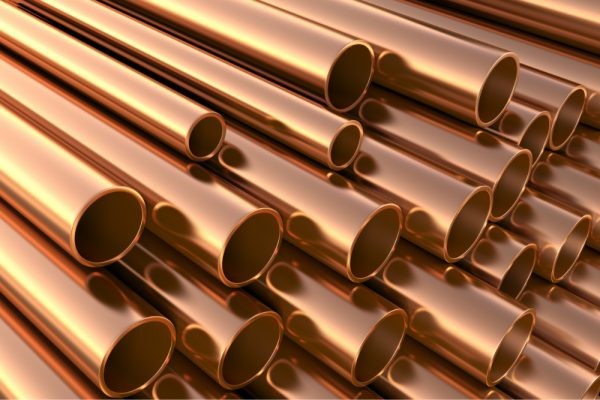
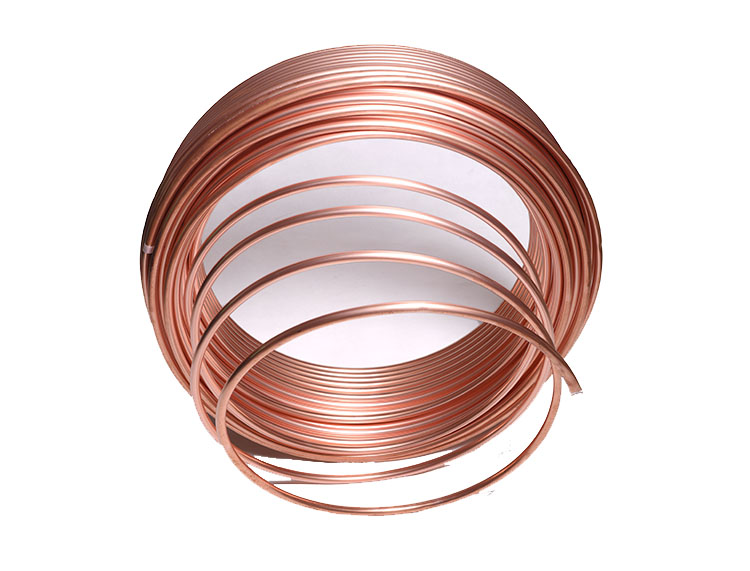
Vật liệu thường được cung cấp dưới dạng chiều dài thẳng, cuộn dây quấn ngang, cuộn dây bánh kếp hoặc cuộn dây dịch vụ nhỏ hơn. độ dài thẳng dễ kiểm tra trực quan hơn, dễ cắt chính xác hơn và thường được ưu tiên cho các cụm cứng. cuộn dây làm giảm khớp và có thể cải thiện tốc độ lắp đặt, nhưng chúng đòi hỏi sự chú ý đến kích thước cuộn dây, tính khí, phương pháp xử lý và bảo vệ trong quá trình vận chuyển.
Một người mua không nên chọn định dạng cuộn dây chỉ để giảm không gian lưu trữ.Nếu dây chuyền sản xuất cần thẳng, cắt theo chiều dài các bộ phận, cuộn dây thẳng thiết bị và cuối biến dạng kiểm soát trở nên quan trọng.Nếu người lắp đặt cần chạy liên tục dài, ống đồng ở dạng cuộn dây có thể làm giảm các điểm kết nối và lao động lĩnh vực.Hình thức chính xác phụ thuộc vào cách vật liệu di chuyển qua người mua?? quá trình.
| Hình thức cung cấp | Phù hợp nhất cho | Điểm đặc điểm kỹ thuật |
|---|---|---|
| Chiều dài thẳng | Lắp ráp cứng nhắc, đường ống nước chạy, cắt các bộ phận | Dung sai chiều dài, điều kiện kết thúc, bảo vệ bó |
| Cuộn dây quấn ngang | Xử lý khối lượng lớn và cho ăn tự động | ID cuộn dây, OD, chất lượng đi qua, phạm vi trọng lượng |
| Cuộn bánh kếp | Lắp đặt hiện trường và lưu trữ nhỏ gọn | Đường kính cuộn dây, nhiệt độ, bảo vệ bề mặt |
Xác nhận Độ dày của tường và Temper
Độ dày của tường nên được gắn với áp lực dịch vụ, yêu cầu hình thành, phương pháp nối, và tiêu chuẩn có liên quan. quá mỏng một bức tường có thể tạo ra biến dạng trong quá trình uốn hoặc mở rộng. quá nặng một bức tường có thể thêm trọng lượng không cần thiết và làm cho hình thành khó khăn hơn. trong nhiều dự án, đường kính bên ngoài và độ dày của tường đều được kiểm soát, vì vậy một yêu cầu mơ hồ cho ??ống đồng tiêu chuẩn??có thể dẫn đến kỳ vọng không phù hợp.
Temper cũng quan trọng không kém. vật liệu mềm dễ uốn cong và lắp đặt trong cuộn dây. ống rút cứng giữ hình dạng của nó tốt hơn trong chiều dài thẳng và có thể được ưa thích cho các hội đồng cứng nhắc. nếu ống sẽ được mở rộng thành vây, loe, hoặc uốn cong nhiều lần, người mua nên làm cho phương pháp hình thành rõ ràng trước khi đặt hàng. nhà cung cấp sau đó có thể đề nghị một tính khí phù hợp với công việc hơn là đoán từ kích thước một mình.
Phù hợp với độ sạch với ứng dụng
Sạch sẽ dễ dàng bỏ qua cho đến khi nó gây ra một thất bại. vật liệu được sử dụng trong điện lạnh, điều hòa không khí, khí y tế, hoặc thiết bị làm sạch cao có thể cần kiểm soát chặt chẽ dư lượng bên trong, độ ẩm, dầu, và ô nhiễm hạt.Đối với chế tạo thông thường, cùng một mức độ làm sạch nội bộ có thể không cần thiết, nhưng người mua vẫn cần một điều kiện bề mặt hỗ trợ hàn, hàn, sơn, hoặc lắp ráp.
Nếu ống đồng sẽ được sử dụng trong HVAC hoặc hệ thống làm lạnh, hãy hỏi làm thế nào các đầu được niêm phong và làm thế nào sạch bên trong được bảo vệ trong quá trình đóng gói.Đối với hệ thống chất lỏng, xác nhận xem ống phải được đậy nắp, thanh lọc nitơ, tẩy dầu mỡ, hoặc cung cấp với một giấy chứng nhận cụ thể. yêu cầu nên được viết vào cuộc điều tra; nó không nên được để lại như một giả định sau khi sản xuất đã bắt đầu.
Người mua so sánh kích thước phổ biến có thể sử dụng hướng dẫn liên quan này trên Lựa chọn ống 15mm và 22mm đối với bối cảnh ứng dụng, sau đó biến bản vẽ cuối cùng thành một đặc điểm kỹ thuật được kiểm soát với các yêu cầu về kích thước, độ dày thành, tính khí và làm sạch.
Kiểm tra và Kiểm tra Đóng gói
Kiểm tra đến nên bao gồm đường kính ngoài, độ dày tường, chiều dài hoặc trọng lượng cuộn dây, tình trạng bề mặt, tình trạng kết thúc, đánh dấu, và tính nhất quán của tài liệu.Đối với các hội đồng liên quan đến áp lực hoặc quan trọng, người mua cũng có thể yêu cầu dữ liệu tài sản cơ khí, thành phần hóa học, thử nghiệm dòng xoáy nếu có thể, hoặc kết quả kiểm tra khác theo yêu cầu của tiêu chuẩn dự án.
Bao bì đáng được chú ý vì bề mặt đồng có thể bị trầy xước, móp méo hoặc bị ô nhiễm trong quá trình vận chuyển. chiều dài thẳng nên được bó lại để ngăn ngừa mài mòn và hư hỏng cuối. cuộn dây nên được bọc, buộc và hỗ trợ để chúng không bị sụp đổ hoặc chà xát trong quá trình vận chuyển container. nếu người mua có decoiler hẹp hoặc khả năng nâng hạn chế, trọng lượng và kích thước cuộn dây nên được nêu trước khi sản xuất.
Danh sách kiểm tra yêu cầu ống đồng
Một cuộc điều tra hoàn chỉnh nên bao gồm ứng dụng, tiêu chuẩn, cấp, đường kính ngoài, độ dày tường, tính khí, hình thức cung cấp, chiều dài hoặc kích thước cuộn dây, số lượng, điều kiện kết thúc, yêu cầu sạch sẽ, phương pháp đóng gói, đích đến, và giấy chứng nhận yêu cầu. cho đơn đặt hàng lặp lại, giữ đặc điểm kỹ thuật đã được phê duyệt và định dạng chứng chỉ trong hồ sơ để các lô hàng trong tương lai có thể được so sánh với một đường cơ sở đã biết.
- Xác định môi trường do ống mang theo và môi trường vận hành.
- Nêu rõ ống đồng sẽ bị uốn cong, loe ra, hàn đồng, giãn nở hay cắt.
- Xác nhận OD, độ dày tường, dung sai, tính khí, và hình thức cung cấp.
- Chỉ định các yêu cầu về độ sạch bên trong, niêm phong cuối và đóng gói.
- Yêu cầu giấy chứng nhận và hồ sơ kiểm tra trước khi giao hàng, không phải sau khi đến.
Các đơn đặt hàng ống đồng tốt nhất là rõ ràng, ứng dụng dẫn đầu, và dễ dàng để xác minh. cách tiếp cận đó bảo vệ người mua từ báo giá mơ hồ và giúp nhà cung cấp cung cấp vật liệu thực hiện chính xác trong lắp ráp thực t.
 Vietnamese
  English
  Korean
  Arabic