

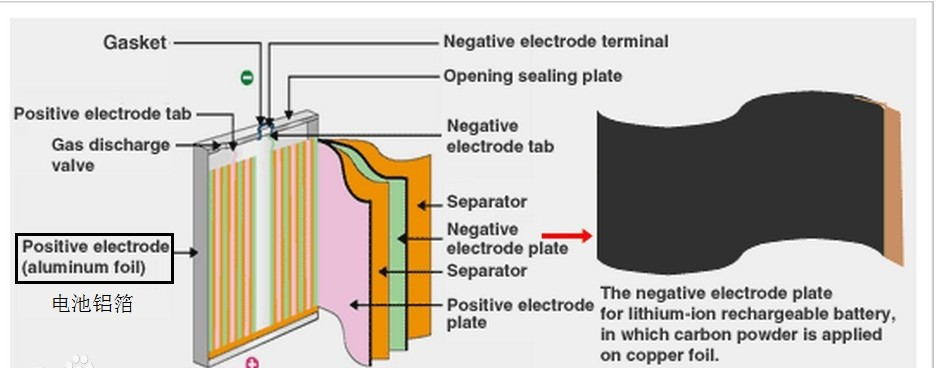
With the rapid expansion of electric vehicles, energy storage systems, and portable electronics, lithium ion batteries have become the backbone of modern energy solutions. One of the most critical components inside a lithium battery is the cathode current collector, which is typically made from battery grade aluminum foil for lithium ion batteries.
Unlike ordinary aluminum foil, battery-grade foil requires extremely tight thickness tolerances, excellent surface cleanliness, high conductivity, and strong adhesion performance. Even minor inconsistencies can impact battery efficiency, safety, and lifespan. For battery manufacturers, selecting a stable and technically capable supplier is essential for maintaining cell performance and production stability.
Mục lục
What Is Battery Grade Giấy bạc nhôm for Lithium Ion Batteries
Battery grade aluminum foil is a specialized aluminum foil used as the cathode current collector in lithium ion batteries. It serves as a conductive substrate that supports active materials such as lithium cobalt oxide (LCO), lithium iron phosphate (LFP), or nickel-manganese-cobalt (NMC).
Battery grade aluminum foil for lithium ion batteries must meet strict requirements including:
- High electrical conductivity
- Uniform thickness distribution
- Low surface roughness
- Excellent tensile strength
- Strong coating adhesion
- Minimal pinholes and defects
Typically, alloys such as 1060, 1235, or 1100 are used due to their high aluminum purity and conductivity.
Technical Specifications Overview
| Tham số | Phạm vi điển hình |
|---|---|
| Hợp kim | 1060 / 1235 / 1100 |
| Độ dày | 10–20 microns |
| Độ bền kéo | Customized based on temper |
| Surface Roughness | Controlled for coating adhesion |
| Chiều rộng | 300–1500 mm |
| Độ dẫn điện | High purity aluminum |
| Ứng dụng | Cathode current collector |
Thickness uniformity is particularly critical in battery grade aluminum foil for lithium ion batteries because it directly affects coating weight consistency and internal resistance.
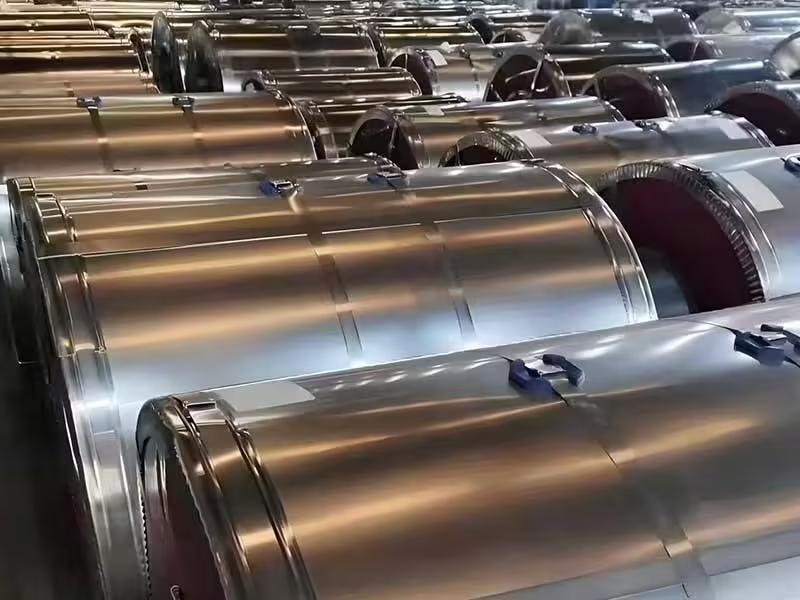
Role of Aluminum Foil in Lithium Ion Batteries
Inside a lithium battery cell:
- The cathode active material is coated onto aluminum foil.
- The foil acts as a current collector.
- It ensures efficient electron flow during charging and discharging.
If the aluminum foil surface is uneven or contaminated, coating adhesion may weaken, leading to delamination or capacity degradation.
High-quality battery grade aluminum foil ensures:
- Stable coating thickness
- Strong bonding with active material
- Low internal resistance
- Improved cycle life
- Enhanced battery safety
Key Performance Requirements
1. Thickness Precision
Even slight variation in foil thickness can lead to inconsistent coating distribution. Precision rolling technology ensures tight tolerance control across the entire width.
2. Surface Cleanliness
Surface oil residue must be minimized to enhance slurry adhesion. Cleanroom-level production environments are often used in battery foil manufacturing.
3. Mechanical Strength
Battery production lines operate at high speeds. Aluminum foil must maintain sufficient tensile strength to avoid breakage during coating and winding.
4. Excellent Elongation
Proper elongation properties ensure flexibility during cell assembly, preventing cracks or structural stress.
5. Conductivity Stability
High-purity aluminum ensures low electrical resistance, improving energy efficiency and discharge performance.
Comparison with Copper Foil (Anode Collector)
| Tính năng | Giấy bạc nhôm | Copper Foil |
|---|---|---|
| Used For | Cathode | Anode |
| Cân nặng | Nhẹ | Heavier |
| Trị giá | Thấp hơn | Cao hơn |
| Độ dẫn điện | Cao | Rất cao |
| Chống ăn mòn | Xuất sắc | Vừa phải |
Aluminum foil is selected for cathode applications because it is lighter, more cost-effective, and highly compatible with cathode materials.
Application Segments
Battery grade aluminum foil for lithium ion batteries is widely used in:
- Electric vehicles (EV)
- Energy storage systems (ESS)
- Power tools
- Consumer electronics
- Solar energy storage units
- E-bikes and mobility devices
The rapid expansion of EV manufacturing is significantly increasing global demand for high-performance aluminum battery foil.
Production Process and Quality Control
Manufacturing battery grade aluminum foil involves:
- High-purity aluminum casting
- Multi-stage rolling to ultra-thin thickness
- Annealing for controlled temper
- Surface treatment and cleaning
- Precision slitting
- Quality inspection and packaging
Quality control includes:
- Thickness uniformity testing
- Surface roughness measurement
- Conductivity testing
- Mechanical strength testing
- Surface contamination analysis
Strict inspection standards ensure consistent performance in lithium battery production.
Supply Stability and Industry Demand
With the rapid growth of the global EV industry, demand for battery grade aluminum foil for lithium ion batteries continues to increase sharply. Manufacturers require:
- Long-term supply contracts
- Stable pricing structures
- Consistent batch quality
- Fast delivery schedules
- Large-scale production capacity
Reliable suppliers play a crucial role in ensuring uninterrupted battery manufacturing.

Sustainability and Future Outlook
Aluminum is fully recyclable, making it an environmentally responsible material choice. As sustainability regulations tighten worldwide, recyclable battery materials will gain further importance.
The continued growth of renewable energy systems and electric mobility ensures that battery grade aluminum foil will remain a strategic material in global energy transformation.
Phần kết luận
Battery grade aluminum foil is a key material in lithium ion battery production. Its conductivity, surface stability, thickness precision, and mechanical reliability directly affect battery efficiency and safety.
By choosing high-quality battery grade aluminum foil for lithium ion batteries, manufacturers ensure stable coating performance, improved energy density, and long-term battery durability.
With ready stock availability and scalable production capacity, reliable suppliers help battery manufacturers meet growing market demand efficiently.
Call to Action
Looking for a Trusted Supplier of Battery Grade Aluminum Foil for Lithium Ion Batteries? We provide precision-rolled, high-conductivity aluminum foil with stable quality and fast delivery. Contact us today to receive technical specifications and a competitive quotation.
Câu hỏi thường gặp
What thickness is commonly used for battery grade aluminum foil?
Typically 10–20 microns depending on battery design.
Why is aluminum foil used in lithium batteries?
It acts as the cathode current collector and ensures efficient electron flow.
How is surface cleanliness controlled?
Through precision rolling, cleaning processes, and strict inspection standards.
Can battery grade aluminum foil be customized?
Yes, thickness, width, and temper can be adjusted based on application needs.
Is battery grade aluminum foil recyclable?
Yes, aluminum is fully recyclable and supports sustainable battery production.
 Vietnamese
  English
  Korean
  Arabic