

Nếu bạn đang tìm nguồn cung ứng vật liệu nhôm để sản xuất hoặc xây dựng, bạn có thể đã gặp phải các điều khoản tấm nhôm Và tấm nhôm. trong khi họ có thể xuất hiện tương tự, các sản phẩm này được thiết kế cho các mục đích khác nhau. lựa chọn hình thức sai có thể ảnh hưởng đến hiệu quả sản xuất, chi phí vật liệu, và hiệu suất sản phẩm.
Hiểu được sự khác biệt giữa tấm nhôm và tấm nhôm giúp các kỹ sư, nhà chế tạo và chuyên gia mua sắm lựa chọn vật liệu đáp ứng cả yêu cầu kỹ thuật và thương mại.Hướng dẫn này giải thích cách hai sản phẩm khác nhau về độ dày, sản xuất, phương pháp xử lý, ứng dụng và cân nhắc mua hàng.
Mục lục
Tấm nhôm vs tấm nhôm: Sự khác biệt là gì?
Tấm Nhôm Là Gì?
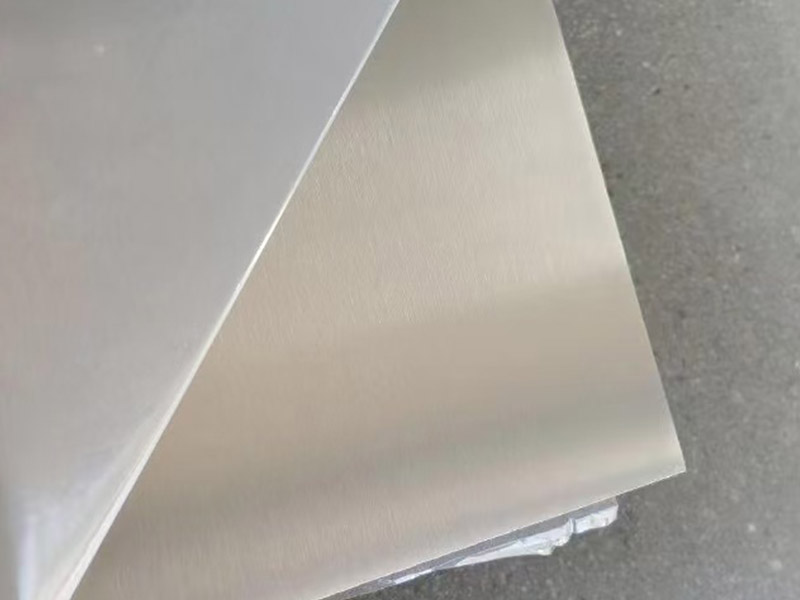
Nhôm tấm là một sản phẩm nhôm cán phẳng với một mặt cắt ngang tương đối mỏng. nó thường được cung cấp trong cuộn dây hoặc cắt-to-kích thước tấm và được sử dụng rộng rãi nơi vật liệu nhẹ và formability tốt là cần thiết.
Bởi vì tấm nhôm có thể được uốn cong, đóng dấu, cuộn, và sâu vẽ, nó thường được lựa chọn cho các ứng dụng đòi hỏi hình dạng phức tạp hoặc khối lượng sản xuất lớn.
Ứng dụng phổ biến
- Tấm ốp tòa nhà
- Ô tô tấm cơ th
- Thiết bị nhà bếp
- Hệ thống HVAC
- Tủ điện
- Thiết bị chế biến thực phẩm
- Biển hiệu
- Tấm trang trí
Tấm Nhôm Là Gì?
Tấm nhôm dày hơn tấm nhôm và chủ yếu được sử dụng khi cần độ bền kết cấu, độ cứng hoặc phụ cấp gia công cao hơn.
Thay vì được tạo thành các hình dạng phức tạp, tấm nhôm thường được gia công thành các bộ phận hoàn thiện thông qua quá trình phay, khoan, cắt và gia công CNC.
Ứng dụng phổ biến
- các bộ phận gia công CNC
- Đế máy
- Đồ đạc công nghiệp
- Chế tạo khuôn
- Thiết bị nặng
- Kết cấu giao thông
- Linh kiện biển
- Dụng cụ hàng không vũ trụ
Tấm nhôm vs Tấm nhôm: Độ dày khác biệt
Mặc dù các tiêu chuẩn khác nhau tùy theo quốc gia, sự khác biệt phổ biến nhất là độ dày.
| Vật liệu | Độ dày điển hình |
|---|---|
| Nhôm Tấm | Lên đến 6 mm |
| Tấm nhôm | Trên 6 mm |
Vật liệu dày hơn thường mang lại độ cứng và khả năng gia công cao hơn, trong khi vật liệu mỏng hơn dễ uốn cong và tạo hình hơn.
Đối với các dự án liên quan đến gia công chính xác hoặc hỗ trợ kết cấu, tấm nhôm thường được ưa thích.Đối với vỏ bọc chế tạo hoặc tấm trang trí, tấm nhôm thường là lựa chọn tốt hơn.
Quy trình sản xuất
Cả hai sản phẩm đều bắt đầu dưới dạng tấm nhôm được cán nóng trước khi chế biến tiếp.
Sản xuất Tấm Nhôm
Nhôm tấm thường trải qua cán nguội bổ sung để đạt được đồng hồ đo mỏng hơn và dung sai độ dày chặt chẽ hơn. kết thúc bề mặt thường quan trọng hơn vì tấm thường xuyên được sử dụng trong các ứng dụng có thể nhìn thấy.
Sản xuất tấm nhôm
Tấm nhôm được cuộn đến kích thước dày hơn và có thể được xử lý giảm căng thẳng, san lấp mặt bằng hoặc xử lý nhiệt bổ sung tùy thuộc vào hợp kim và ứng dụng dự định.
Để gia công chính xác, độ phẳng của tấm và kiểm soát ứng suất bên trong trở thành yếu tố chất lượng quan trọng.
So sánh hiệu suất cơ học
Mặc dù lựa chọn hợp kim có ảnh hưởng lớn nhất đến hiệu suất, độ dày của sản phẩm cũng ảnh hưởng đến hành vi cơ học.
| Tính năng | Nhôm Tấm | Tấm nhôm |
|---|---|---|
| Độ cứng | Thấp hơn | Cao hơn |
| Khả năng định hình | Xuất sắc | Vừa phải |
| Trợ cấp gia công | Giới hạn | Xuất sắc |
| Sức mạnh kết cấu | Vừa phải | Cao |
| Cân nặng | Thấp hơn | Cao hơn |
Một dày hơn tấm nhôm có thể chống biến dạng tốt hơn dưới tải nặng, trong khi tấm nhôm hoạt động tốt khi tính linh hoạt và xây dựng nhẹ là ưu tiên.
Gia công và chế tạo
Sự lựa chọn giữa tấm nhôm và tấm nhôm thường phụ thuộc vào quá trình sản xuất.
Gia công CNC
Tấm nhôm cung cấp đủ độ dày cho phay, khoan, khai thác, và gia công chính xác. nó được sử dụng rộng rãi cho các thành phần máy và dụng cụ vì vật liệu dư thừa có thể được loại bỏ trong khi duy trì độ chính xác kích thước.
Chế tạo kim loại tấm
Nhôm tấm là thích hợp hơn cho uốn, đấm, dập, và cắt laser. tính linh hoạt của nó làm cho nó lý tưởng cho sản xuất tủ, bao vây, bìa, và bảng kiến trúc.
Các dự án liên quan đến việc tạo hình rộng rãi thường được hưởng lợi từ tấm, trong khi các bộ phận được gia công chính xác thường yêu cầu tấm.
Các tùy chọn hoàn thiện bề mặt
Cả tấm nhôm và tấm nhôm đều có thể được cung cấp với các bề mặt hoàn thiện khác nhau tùy thuộc vào ứng dụng.
Các lớp hoàn thiện thông dụng bao gồm:
- Hoàn thiện nhà máy
- Kết thúc chải
- Đánh bóng kết thúc
- Kết thúc anodized
- Kết thúc sơn tĩnh điện
- Phim bảo v
Đối với các ứng dụng trang trí, các sản phẩm tấm thường nhận được các phương pháp xử lý bề mặt bổ sung. tấm nhôm công nghiệp thường được cung cấp với một kết thúc nhà máy trước khi gia công.
Lựa chọn chất liệu phù hợp cho các ngành công nghiệp khác
Các ngành công nghiệp khác nhau có những ưu tiên vật chất khác nhau.
Sự thi công
Tấm ốp kiến trúc, mái lợp, trần nhà và mặt tiền trang trí thường sử dụng tấm nhôm vì nó nhẹ và dễ chế tạo.
Sản xuất máy móc
Đế máy, tấm đỡ, đồ đạc và thiết bị chính xác thường yêu cầu tấm nhôm do độ cứng và phụ cấp gia công của nó.
Vận tải
Các tấm thân xe thường sử dụng tấm nhôm, trong khi các giá đỡ kết cấu và các bộ phận lắp đặt hạng nặng thường được sản xuất từ tấm nhôm.
Ngành công nghiệp hàng hải
Các tấm thân thuyền có thể sử dụng tấm nhôm chống ăn mòn, trong khi các giá đỡ động cơ và cụm kết cấu thường yêu cầu tấm nhôm dày hơn.
Cân nhắc mua hàng
Trước khi đặt hàng vật liệu nhôm, người mua nên xác nhận:
- Loại hợp kim
- Nhiệt độ
- Độ dày
- Chiều rộng và chiều dài
- Yêu cầu về độ phẳng
- Hoàn thiện bề mặt
- Phương pháp xử lý
- Số lượng
- Yêu cầu đóng gói
Việc cung cấp thông tin dự án hoàn chỉnh cho phép các nhà cung cấp giới thiệu sản phẩm phù hợp nhất và giúp tránh các chi phí sản xuất không cần thiết.
Tại sao Nguồn Vật liệu nhôm từ Huanhai Zhongke?
Huanhai Zhongke cung cấp tấm nhôm, tấm nhôm, cuộn nhôm, thanh nhôm, và các sản phẩm nhôm khác cho khách hàng công nghiệp trên toàn thế giới.
Công ty cung cấp nhiều loại hợp kim, kích thước tùy chỉnh, kiểm tra chất lượng nghiêm ngặt và đóng gói tiêu chuẩn xuất khẩu để hỗ trợ các nhà sản xuất trong các ngành xây dựng, vận tải, máy móc và kỹ thuật.
Cho dù dự án của bạn yêu cầu tấm nhôm gia công chính xác hay tấm nhôm nhẹ để chế tạo, Huanhai Zhongke có thể đề xuất các vật liệu phù hợp với yêu cầu kỹ thuật của bạn.
Phần kết luận
Mặc dù tấm nhôm và tấm nhôm được sản xuất từ các nguyên liệu thô tương tự, chúng phục vụ các mục đích sản xuất khác nhau.
Tấm nhôm là sự lựa chọn ưu tiên cho các ứng dụng chế tạo, tạo hình và kiến trúc nhẹ, trong khi tấm nhôm cung cấp độ bền, độ cứng và phụ cấp gia công cần thiết cho các bộ phận kết cấu và sản xuất chính xác.
Hiểu được những khác biệt này giúp người mua giảm chi phí sản xuất, nâng cao hiệu quả sản xuất và lựa chọn vật liệu đáp ứng yêu cầu hiệu suất lâu dài.
Câu hỏi thường gặp
Sự khác biệt giữa tấm nhôm và tấm nhôm là gì?
Sự khác biệt chính là độ dày. tấm nhôm mỏng hơn và dễ dàng hơn để hình thành, trong khi tấm nhôm dày hơn và phù hợp hơn cho các ứng dụng gia công và kết cấu.
Cái nào tốt hơn cho gia công CNC?
Tấm nhôm thường được ưa chuộng hơn vì nó cung cấp đủ phụ cấp gia công và độ ổn định kích thước lớn hơn.
Tấm nhôm có thể được sử dụng cho các ứng dụng kết cấu?
Có, nhưng chỉ cho các ứng dụng cấu trúc nhẹ. thành phần nặng thường yêu cầu tấm nhôm.
Sản phẩm nào dễ uốn cong hơn?
Tấm nhôm dễ uốn cong và hình thành hơn nhiều so với tấm nhôm.
Tấm nhôm có đắt hơn không?
Nói chung là có. độ dày lớn hơn có nghĩa là nhiều vật liệu hơn và chi phí sản xuất cao.
Những ngành công nghiệp nào thường sử dụng tấm nhôm?
Sản xuất máy móc, hàng không vũ trụ, vận tải, kỹ thuật hàng hải, dụng cụ và sản xuất thiết bị nặng đều sử dụng rộng rãi tấm nhôm.
 Vietnamese
  English
  Korean
  Arabic