

Mục lục
Tấm nhôm được sử dụng rộng rãi trong nhiều ngành công nghiệp nhờ tỷ lệ độ bền trên trọng lượng tuyệt vời, khả năng chống ăn mòn và khả năng gia công dễ dàng. Việc lựa chọn kích thước và độ dày tấm phù hợp là rất quan trọng để đảm bảo hiệu suất kết cấu, hiệu quả chi phí và quá trình gia công tiếp theo diễn ra suôn sẻ.
Hướng dẫn này giải thích kích thước tiêu chuẩn của tấm nhôm, phạm vi độ dày, kiểm soát dung sai và các khả năng tùy chỉnh để giúp các kỹ sư và người mua đưa ra quyết định sáng suốt. Là nhà sản xuất tấm nhôm trực tiếp, chúng tôi cũng nêu rõ cách thức cung cấp tấm nhôm tiêu chuẩn và tấm nhôm cắt theo yêu cầu một cách hiệu quả cho các ứng dụng khác nhau.
Những gì là Tấm nhôm?
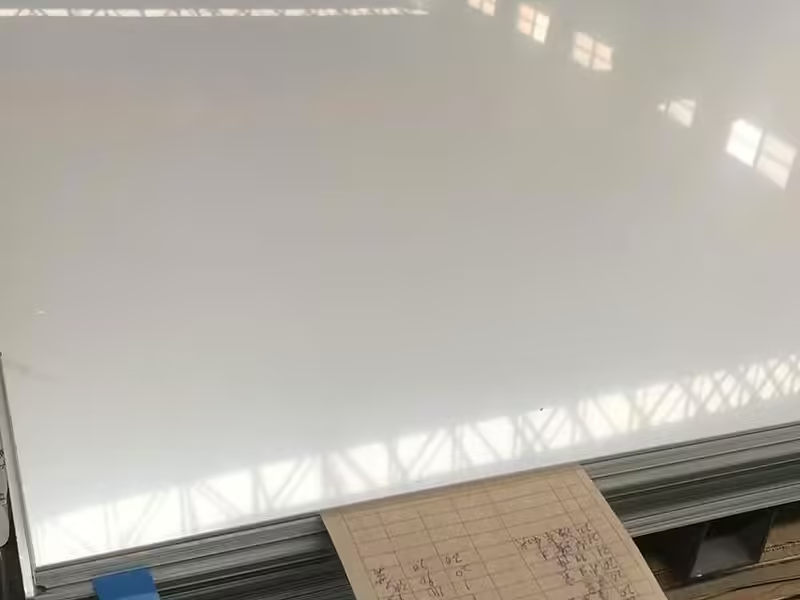
Tấm nhôm là sản phẩm nhôm cán phẳng được thiết kế cho các ứng dụng đòi hỏi độ bền và độ cứng cao hơn so với tấm mỏng. Chúng thường được sử dụng trong gia công cơ khí, chế tạo và các dự án kết cấu, nơi độ ổn định kích thước là rất quan trọng.
Sự khác biệt giữa tấm nhôm và lá nhôm
Sự khác biệt chính nằm ở độ dày. Tấm dày hơn và chắc chắn hơn, trong khi lá mỏng hơn và thường được sử dụng cho mục đích nhẹ hoặc trang trí.
Các ứng dụng phổ biến của tấm nhôm trong công nghiệp
Tấm nhôm được ứng dụng rộng rãi trong:
- Gia công CNC và các linh kiện chính xác
- Xây dựng và khung kết cấu
- Thiết bị ô tô và vận tải
- Các dự án hàng hải và ngoài khơi
- Chế tạo dụng cụ công nghiệp và gia công cơ khí quy mô lớn.
Tiêu chuẩn Kích thước tấm nhôm
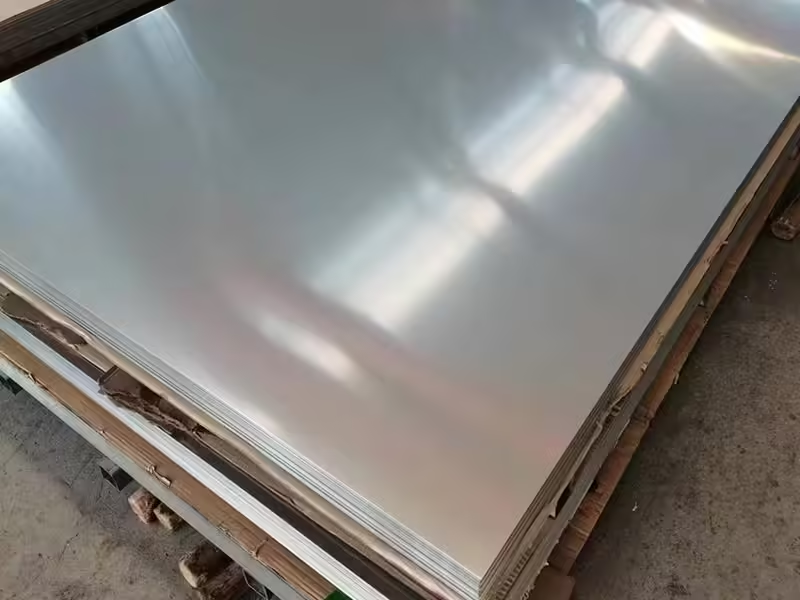
Kích thước tấm tiêu chuẩn thay đổi tùy theo khu vực, ngành công nghiệp và khả năng sản xuất. Hầu hết các tấm được cung cấp ở dạng hình chữ nhật với chiều rộng và chiều dài cố định, trong khi độ dày có thể được lựa chọn dựa trên nhu cầu ứng dụng.
Các tùy chọn chiều rộng và chiều dài phổ biến
Các phạm vi sản xuất điển hình bao gồm:
- Chiều rộng: 1000 mm, 1250 mm, 1500 mm, 2000 mm
- Chiều dài: 2000 mm, 2500 mm, 3000 mm, 6000 mm
Nhiều dự án công nghiệp cũng yêu cầu chiều dài không tiêu chuẩn để giảm thiểu lãng phí khi cắt.
Phạm vi độ dày tấm nhôm tiêu chuẩn
Các tấm thường được sản xuất từ... Từ 6 mm đến 200 mm, Tùy thuộc vào loại hợp kim và yêu cầu cơ học.
Kích thước tấm nhôm theo hệ mét so với hệ inch
Hệ đo lường mét được sử dụng rộng rãi trong sản xuất toàn cầu, trong khi hệ đo lường Anh vẫn phổ biến ở một số thị trường nhất định. Nhà sản xuất chuyên nghiệp có thể cung cấp cả hai hệ đo lường hoặc chuyển đổi kích thước một cách chính xác.
Hướng dẫn về độ dày tấm nhôm
Việc lựa chọn độ dày ảnh hưởng trực tiếp đến độ bền cơ học, trọng lượng và tổng chi phí dự án.
Ảnh hưởng của độ dày đến độ bền và hiệu suất
Các tấm thép dày hơn có khả năng chịu tải và độ cứng cao hơn, thích hợp cho các ứng dụng kết cấu và chịu tải nặng. Tuy nhiên, độ dày quá mức có thể làm tăng chi phí vật liệu và vận chuyển.
Độ dày thông thường cho ứng dụng công nghiệp
- 6–12 mm: Gia công và chế tạo nhẹ
- 15–30 mm: Dụng cụ và linh kiện công nghiệp
- 40 mm trở lên: Dùng cho kết cấu và chịu tải
Lựa chọn độ dày phù hợp cho dự án của bạn
Các yếu tố cần xem xét chính bao gồm điều kiện tải trọng, yêu cầu gia công, giới hạn trọng lượng và hạn chế về ngân sách.
Bảng kích thước tấm nhôm (Kích thước, Độ dày & Trọng lượng)
Hiểu rõ cách kích thước và độ dày ảnh hưởng đến trọng lượng giúp tối ưu hóa công tác hậu cần và lập kế hoạch chi phí.
| Chiều rộng (mm) | Chiều dài (mm) | Độ dày (mm) | Trọng lượng xấp xỉ (kg) | Ứng dụng điển hình |
|---|---|---|---|---|
| 1000 | 2000 | 10 | ~54 | các bộ phận gia công CNC |
| 1250 | 2500 | 15 | ~127 | Sản xuất công nghiệp |
| 1500 | 3000 | 20 | ~243 | Các thành phần cấu trúc |
| 2000 | 6000 | 25 | ~810 | Sử dụng trong công nghiệp nặng |
Trọng lượng thực tế có thể thay đổi tùy thuộc vào hợp kim và dung sai.
Tính toán kích thước và trọng lượng tấm nhôm
Trọng lượng được xác định bởi mật độ, độ dày, chiều rộng và chiều dài. Lựa chọn kích thước phù hợp giúp giảm thiểu việc sử dụng vật liệu không cần thiết.
Vì sao trọng lượng lại quan trọng đối với vận chuyển và chi phí?
Tấm kim loại nặng hơn làm tăng chi phí xử lý và vận chuyển. Việc tối ưu hóa kích thước giúp cải thiện hiệu quả trên toàn chuỗi cung ứng.
Kích thước tấm nhôm tiêu chuẩn so với kích thước tấm nhôm đặt làm riêng
Mặc dù kích thước tiêu chuẩn phù hợp với nhiều ứng dụng, việc gia công tấm theo kích thước tùy chỉnh thường giúp cải thiện hiệu quả sử dụng vật liệu và năng suất gia công.
Khi kích thước tiêu chuẩn là đủ
Các tấm thép tiêu chuẩn phù hợp cho các dự án gia công nói chung và các dự án dựa trên kho hàng.
Ưu điểm của việc sử dụng tấm nhôm kích thước tùy chỉnh
Hỗ trợ kích thước tùy chỉnh:
- Giảm thời gian gia công
- Giảm thiểu vật liệu phế thải
- Cải thiện độ vừa vặn và độ chính xác
- Tổng chi phí sản xuất thấp hơn
Dung sai và độ chính xác cắt tùy chỉnh
Các nhà sản xuất có thể cung cấp dịch vụ cắt chính xác với dung sai được kiểm soát để đáp ứng các yêu cầu khắt khe của ngành công nghiệp.
Dung sai kích thước và tiêu chuẩn chất lượng của tấm nhôm
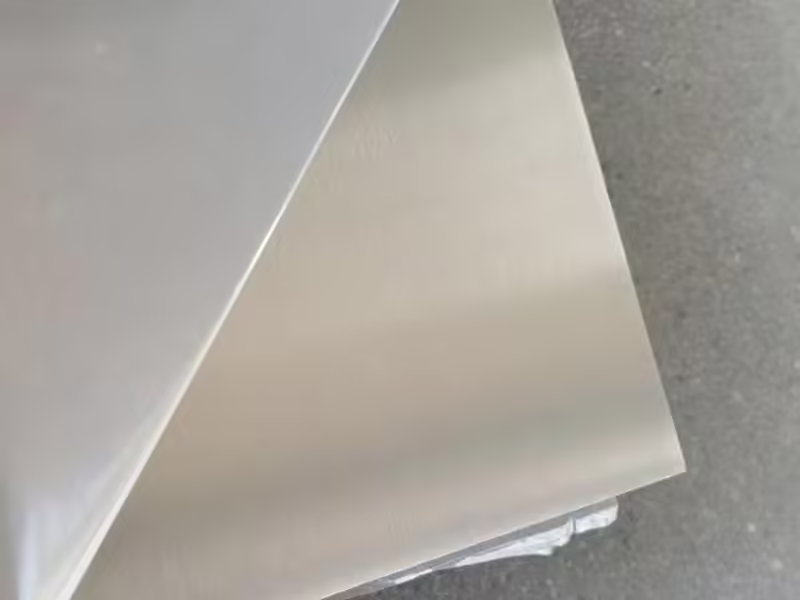
Độ chính xác về kích thước là yếu tố then chốt đối với các ứng dụng hiệu năng cao.
Giải thích về dung sai kích thước
Dung sai xác định các sai lệch cho phép về độ dày, chiều rộng và chiều dài. Kiểm soát chặt chẽ đảm bảo tính nhất quán và độ tin cậy.
Kiểm soát độ phẳng và độ dày
Tấm thép chất lượng cao có độ dày đồng đều và độ phẳng tuyệt vời, điều này rất cần thiết cho quá trình gia công và lắp ráp.
Tiêu chuẩn ASTM và tiêu chuẩn ngành cho tấm nhôm
Các tấm kim loại thường được sản xuất tuân thủ theo tiêu chuẩn ASTM và các tiêu chuẩn quốc tế khác để đảm bảo tính nhất quán về hiệu suất.
Cách chọn kích thước tấm nhôm phù hợp
Việc lựa chọn kích thước tấm phù hợp đòi hỏi phải cân bằng giữa hiệu suất, khả năng sản xuất và chi phí.
Lựa chọn kích thước cho gia công CNC
Các ứng dụng gia công cơ khí thường yêu cầu:
- Kích thước lớn hơn một chút để hoàn thiện.
- Vật liệu giảm ứng suất
- Độ dày đồng nhất
Lựa chọn kích thước cho mục đích chế tạo và sử dụng kết cấu.
Việc sử dụng kết cấu ưu tiên khả năng chịu tải, độ cứng và khả năng hàn.
Cân nhắc về chi phí dựa trên kích thước tấm
Tấm kim loại lớn hơn và dày hơn sẽ làm tăng chi phí nguyên vật liệu. Kích thước tùy chỉnh giúp kiểm soát tổng chi phí dự án.
Kích thước tấm nhôm cho các ứng dụng khác nhau
Kích thước tấm nhôm dùng cho gia công CNC
Gia công chính xác được hưởng lợi từ các tấm được cắt theo yêu cầu với dung sai chặt chẽ.
Kích thước tấm nhôm dùng trong xây dựng và kết cấu
Các dự án kết cấu đòi hỏi các tấm thép dày hơn với kích thước ổn định.
Kích thước tấm nhôm cho thiết bị ô tô và công nghiệp
Việc tối ưu hóa kích thước giúp giảm trọng lượng và nâng cao hiệu suất.
Các kích thước tấm nhôm chúng tôi cung cấp: Nhà sản xuất
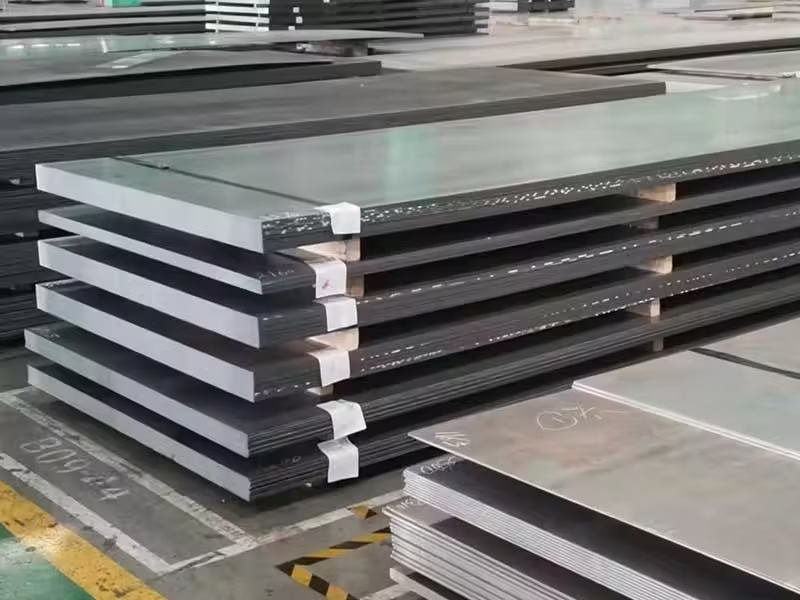
Là một nhà sản xuất tấm nhôm chuyên nghiệp, chúng tôi cung cấp nhiều loại kích thước tiêu chuẩn và giải pháp cắt theo yêu cầu.
Kích thước tấm nhôm tiêu chuẩn hiện có
Kho hàng đầy đủ đảm bảo nguồn cung ổn định và giao hàng nhanh chóng.
Dịch vụ cắt và gia công tấm nhôm theo kích thước yêu cầu
Chúng tôi cung cấp các tùy chọn chiều rộng, chiều dài và độ dày theo yêu cầu với khả năng cắt chính xác.
Số lượng đặt hàng tối thiểu, thời gian giao hàng và khả năng cung ứng
Sản xuất trực tiếp từ nhà máy cho phép số lượng đặt hàng linh hoạt và thời gian giao hàng đáng tin cậy.
Tại sao nên mua tấm nhôm trực tiếp từ nhà sản xuất?
Lợi thế về chi phí khi mua hàng trực tiếp từ nhà máy.
Mua hàng trực tiếp giúp giảm chi phí và loại bỏ các khâu trung gian không cần thiết.
Kiểm soát chất lượng và tính nhất quán tốt hơn
Sản xuất nội bộ đảm bảo chất lượng ổn định và độ chính xác về kích thước.
Tùy chỉnh linh hoạt và hỗ trợ kỹ thuật
Các nhà sản xuất cung cấp hướng dẫn kỹ thuật và các giải pháp về kích thước phù hợp.
Câu hỏi thường gặp về kích thước tấm nhôm
Loại phổ biến nhất là gì? đĩa kích thước?
Các khổ giấy tiêu chuẩn như 1000 × 2000 mm và 1250 × 2500 mm được sử dụng rộng rãi.
Độ dày nào được khuyến nghị cho việc gia công?
Độ dày phụ thuộc vào thiết kế chi tiết và phương pháp gia công. Nên chọn kích thước lớn hơn một chút so với tiêu chuẩn.
Có thể cung cấp các tấm kim loại với kích thước tùy chỉnh không?
Có. Có thể đặt hàng theo kích thước tùy chỉnh với dung sai được kiểm soát.
Các nhà sản xuất có thể đạt được mức dung sai nào?
Sai số cho phép phụ thuộc vào độ dày và phương pháp cắt nhưng được các nhà cung cấp giàu kinh nghiệm kiểm soát chặt chẽ.
Phần kết luận
Việc lựa chọn kích thước tấm nhôm phù hợp là rất quan trọng để đạt được hiệu suất tối ưu, tiết kiệm chi phí và độ tin cậy trong sản xuất. Hiểu rõ các định dạng tiêu chuẩn, phạm vi độ dày, kiểm soát dung sai và các tùy chọn tùy chỉnh cho phép người mua đưa ra quyết định mua hàng tự tin.
Là nhà sản xuất tấm nhôm đáng tin cậy, chúng tôi cung cấp tấm tiêu chuẩn và tấm cắt theo yêu cầu, Quy trình gia công chính xác và nguồn cung ứng trực tiếp từ nhà máy đáng tin cậy. Cho dù dự án của bạn liên quan đến gia công cơ khí, chế tạo hay sử dụng trong kết cấu, đội ngũ của chúng tôi luôn sẵn sàng hỗ trợ các yêu cầu của bạn bằng các giải pháp chuyên nghiệp.
Hãy liên hệ với chúng tôi ngay hôm nay để thảo luận về nhu cầu kích thước tấm của bạn và nhận báo giá tùy chỉnh trực tiếp từ nhà sản xuất.
Bạn cần trợ giúp chọn kích thước tấm nhôm phù hợp?
Nếu bạn không chắc chắn kích thước, độ dày hoặc thông số kỹ thuật tấm nhôm nào phù hợp nhất với ứng dụng của mình, các chuyên gia sản xuất của chúng tôi luôn sẵn sàng hỗ trợ. Hãy liên hệ với chúng tôi ngay hôm nay để được tư vấn cá nhân hóa và nhận được những lời khuyên chuyên nghiệp dựa trên yêu cầu dự án của bạn. Đừng mạo hiểm với những sai lầm tốn kém hoặc lãng phí vật liệu—hãy liên hệ ngay và mua tấm nhôm chất lượng cao trực tiếp từ nhà sản xuất.
 Vietnamese
  English
  Korean
  Arabic