

Cuộn dây nhôm cho máng xối phải cung cấp nhiều hơn một bề mặt hấp dẫn.Nó cần đủ khả năng định dạng để tạo hình cuộn, sức mạnh phù hợp sau khi định hình, hiệu suất lớp phủ ổn định và khả năng chống ăn mòn đáng tin cậy trong quá trình phục vụ ngoài trời.
Chọn một hợp kim nhôm không phù hợp, tính khí hoặc độ dày có thể gây ra nứt, nhăn, hồ sơ không nhất quán và chất thải sản xuất quá mức. độ bám dính lớp phủ kém hoặc đóng gói không đầy đủ cũng có thể ảnh hưởng đến sự xuất hiện của hệ thống máng xối hoàn thành.
Đối với các nhà sản xuất máng xối và nhà phân phối vật liệu xây dựng, cuộn nhôm tốt nhất do đó không chỉ đơn giản là vật liệu có sẵn rẻ nhất. nó là cuộn dây phù hợp với thiết bị tạo hình, hồ sơ máng xối, khí hậu, hệ thống lớp phủ và điều kiện dịch vụ dự kiến.
Hướng dẫn này giải thích cách chọn cuộn nhôm để sản xuất máng xối và ống xả, bao gồm các yêu cầu về hợp kim, nhiệt độ, độ dày, chiều rộng, lớp phủ bề mặt và kiểm tra chất lượng.
Mục lục
Nhôm Gutter Coil Là Gì?
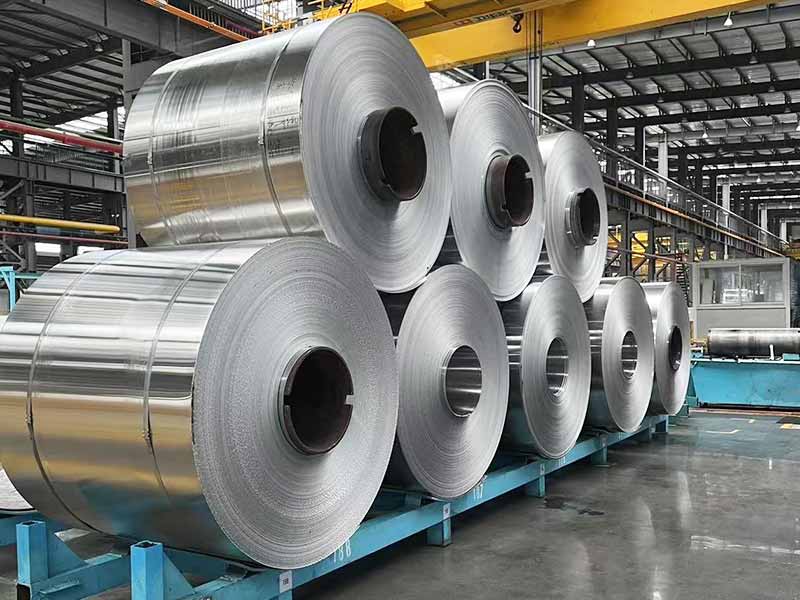
Nhôm máng xối cuộn là một cuộn liên tục của tấm nhôm phẳng được sử dụng để sản xuất máng xối mưa, ống thoát nước và các thành phần thoát nước liên quan.
Thay vì mua các phần máng xối đã hoàn thành trong chiều dài cố định, các nhà sản xuất và lắp đặt cho cuộn dây vào thiết bị tạo hình cuộn. máy dần dần uốn cong vật liệu phẳng vào hồ sơ máng xối cần thiết.
Các sản phẩm hoàn thiện thông dụng bao gồm:
- Máng xối kiểu K
- Máng xối nửa vòng
- Máng xối hộp
- Máng xối Fascia
- Vòi phun xuống
- Khuỷu tay
- Nắp máng xối
- Mũ kết thúc
- Các thành phần nhấp nháy
- Phụ kiện thoát nước
Cuộn dây liên tục cho phép các nhà sản xuất sản xuất các phần máng xối dài với ít khớp hơn. điều này có thể cải thiện hiệu quả lắp đặt và giảm số lượng các điểm rò rỉ có th.
Người mua công nghiệp có thể xem xét công ty có sẵn Cuộn nhôm các tùy chọn trước khi xác nhận đặc tả dự án.

Tại sao nhôm được sử dụng để sản xuất máng xối
Nhôm là một trong những vật liệu được lựa chọn phổ biến nhất cho hệ thống máng xối vì nó kết hợp trọng lượng thấp, khả năng định hình và khả năng chống ăn mòn ngoài trời.
Trọng lượng vật liệu thấp
Nhôm nhẹ hơn đáng kể so với thép. điều này làm cho các phần máng xối dễ vận chuyển, nâng và lắp đặt hơn.
Trọng lượng thấp hơn đặc biệt hữu ích khi các phần liền mạch dài được hình thành tại công trường hoặc được xử lý bởi một nhóm lắp đặt nh.
Chống ăn mòn tự nhiên
Nhôm tự nhiên tạo thành một lớp oxit mỏng khi tiếp xúc với không khí. lớp này giúp bảo vệ kim loại bên dưới chống lại sự ăn mòn khí quyển nói chung.
Nhôm không phát triển rỉ sét đỏ theo cách tương tự như thép carbon không được bảo vệ.Tuy nhiên, điều này không có nghĩa là nó miễn dịch với tất cả sự ăn mòn. muối ven biển, ô nhiễm công nghiệp, kim loại không tương thích và độ ẩm bị mắc kẹt vẫn có thể ảnh hưởng đến hiệu suất lâu dài.
Khả năng Roll-Forming tốt
Hợp kim nhôm và nhiệt độ thích hợp có thể được tạo thành các cấu hình máng xối mà không bị tách ra hoặc bị đàn hồi quá mức.
Tính chất cơ học nhất quán rất quan trọng vì máy máng xối sử dụng nhiều trạm tạo hình. sự thay đổi về độ cứng hoặc độ dày có thể ảnh hưởng đến hình dạng cuối cùng.
Tùy chọn lớp phủ rộng
Nhôm máng xối cuộn có thể được sơn hoặc tráng trong một loạt các màu sắc.Điều này cho phép hệ thống máng xối phù hợp với lợp, siding, fascia và các yếu tố kiến trúc khác.
Khả năng tái chế
Nhôm có thể được tái chế nhiều lần. phế liệu sản xuất được tạo ra trong quá trình cắt tỉa, cắt và tạo hình thường có thể được thu thập và trả lại cho hệ thống tái chế kim loại.
Hợp kim nhôm nào là tốt nhất cho máng xối?
Hợp kim phù hợp nhất phụ thuộc vào quá trình hình thành, sức mạnh cần thiết, hệ thống lớp phủ và thị trường mua.
Các tùy chọn phổ biến bao gồm hợp kim nhôm 3003, 3005, 3105 và 5052.
Cuộn dây nhôm 3003
3003 là hợp kim nhôm-mangan được biết đến với khả năng định dạng tốt và khả năng chống ăn mòn nói chung.
Nó có thể được xem xét cho:
- Linh kiện máng xối
- Nhấp nháy
- Phụ kiện lợp
- Sản phẩm xây dựng tổng hợp
- Các bộ phận thoát nước được hình thành nhẹ
Độ dẻo tương đối tốt của nó hỗ trợ tạo hình cuộn và uốn cong. tuy nhiên, người mua nên xác nhận xem sức mạnh cuối cùng và hiệu suất lớp phủ của nó có đáp ứng các yêu cầu của hệ thống máng xối dự định hay không.
Cuộn dây nhôm 3005
3005 chứa mangan và magie và thường có độ bền cao hơn 3003 trong khi vẫn giữ được khả năng định dạng thực tế.
Nó được sử dụng trong các ứng dụng xây dựng và tấm tráng khác nhau, bao gồm:
- Linh kiện lợp
- Tấm ngoài
- Sản phẩm máng xối
- Tấm kiến trúc tráng
- Chế tạo xây dựng tổng hợp
3005 có thể được chọn khi nhà sản xuất cần độ bền cao hơn một chút mà không cần chuyển sang hợp kim cứng hơn nhiều.
Cuộn dây nhôm 3105
3105 cuộn nhôm được liên kết rộng rãi với các sản phẩm xây dựng sơn.Nó cung cấp một sự kết hợp hữu ích của formability, sức mạnh và khả năng tương thích lớp phủ.
Ng dụng điển hình bao gồm:
- Máng xối dân cư
- Vòi phun xuống
- Vách ngăn
- Phụ kiện lợp
- Nhấp nháy
- Trang trí tòa nhà
Đối với nhiều nhà sản xuất máng xối, 3105 là điểm khởi đầu thực tế vì nó có thể được tạo hình cuộn và cung cấp với lớp phủ được áp dụng tại nhà máy.
Cuộn dây nhôm 5052
5052 là hợp kim nhôm-magiê có độ bền cao hơn và khả năng chống ăn mòn tốt.
Nó có thể được xem xét cho:
- Hệ thống máng xối hạng nặng
- Môi trường ven biển
- Thành phần thoát nước công nghiệp
- Các thành phần đòi hỏi độ bền cơ học lớn hơn
- Các bộ phận hình thành đòi hỏi khắt khe hơn
Tuy nhiên, sức mạnh cao hơn có thể làm cho việc hình thành khó khăn hơn so với các hợp kim 3000-series mềm hơn. dụng cụ, tính khí và bán kính uốn cong phải được đánh giá trước khi thay thế một hợp kim hiện có với 5052.
So sánh hợp kim nhôm cho các ứng dụng máng xối
| Hợp kim | Sức mạnh tương đối | Khả năng định hình | Chống ăn mòn | Sử dụng máng xối điển hình |
|---|---|---|---|---|
| 3003 | Vừa phải | Rất tốt | Tốt | Các bộ phận máng xối được hình thành chung |
| 3005 | Trung bình đến tốt | Tốt | Tốt | Sản phẩm xây dựng và tráng phủ |
| 3105 | Vừa phải | Tốt | Tốt | Máng xối sơn và cuộn dây downspout |
| 5052 | Cao hơn | Trung bình đến tốt | Rất tốt | Môi trường nặng nề hoặc đòi hỏi khắt khe |
Hợp kim không nên được lựa chọn chỉ từ một bảng so sánh chung. máy máng xối, độ dày cuộn dây, tính khí và lớp phủ đều có thể thay đổi hiệu suất sản xuất thực t.
Để so sánh hợp kim bổ sung, người mua có thể tham khảo Hướng dẫn lựa chọn hợp kim nhôm cho người mua công nghiệp.
Temper nào được sử dụng cho cuộn dây máng xối nhôm?
Temper mô tả tình trạng cơ học được tạo ra bằng cách làm cứng biến dạng, ủ hoặc xử lý nhiệt.
Đối với hợp kim máng xối không xử lý nhiệt, nhiệt độ thông thường có thể bao gồm H14, H16, H24 và các điều kiện ứng dụng cụ thể khác.
Nhiệt độ H14
H14 đại diện cho một tình trạng cứng do biến dạng thường được mô tả là cứng một nửa.
Nó có thể cung cấp một sự cân bằng thực tế giữa:
- Khả năng định hình
- Giữ hình dạng
- Sức mạnh xử lý
- Tính nhất quán của cuộn
Một điều kiện mềm hơn có thể hình thành dễ dàng hơn nhưng có thể làm móp hoặc biến dạng trong quá trình xử lý.Một điều kiện khó khăn hơn có thể giữ hình dạng của nó tốt hơn nhưng tạo ra căng thẳng hình thành nhiều hơn.
Nhiệt độ H16
H16 nói chung là khó hơn H14. nó có thể cung cấp độ cứng và sức mạnh lớn hơn nhưng có thể yêu cầu hình thành được kiểm soát cẩn thận hơn.
Máy máng xối phải được thử nghiệm với sự kết hợp hợp kim-nhiệt độ đã chọn trước khi đặt hàng khối lượng lớn.
Nhiệt độ H24
H24 mô tả vật liệu đã được làm cứng biến dạng và ủ một phần để đạt đến điều kiện cường độ xác định.
Hành vi hình thành của nó có thể khác với H14 ngay cả khi các tính chất cơ học danh nghĩa xuất hiện tương tự. các nhà sản xuất không nên cho rằng hai tempers có thể được thay thế mà không cần thử nghiệm sản xuất.
Tại sao Temper Consistency Matters
Một máy tạo máng xối được điều chỉnh cho một phản ứng vật liệu cụ thể.Nếu độ cứng thay đổi đáng kể giữa các cuộn dây, các nhà sản xuất có thể gặp phải:
- Kích thước hồ sơ không đồng đều
- Cạnh gợn sóng
- Springback quá mức
- Dấu bề mặt
- Cracking tại uốn cong chặt ch
- Không phù hợp giữa các phụ kiện máng xối
- Điều chỉnh máy thường xuyên
Đơn đặt hàng nên nêu rõ hợp kim hoàn chỉnh và tính khí thay vì chỉ yêu cầu “cuộn máng xối nhôm sơn.”
Chọn độ dày cuộn dây máng xối nhôm phù hợp
Độ dày ảnh hưởng đến sức mạnh, trọng lượng, áp lực hình thành, chi phí và khả năng chống va đập.
Không có độ dày duy nhất phù hợp cho mọi hệ thống máng xối. đặc điểm kỹ thuật chính xác phụ thuộc vào:
- Hồ sơ máng xối
- Chiều rộng máng xối
- Khoảng cách giữa các hỗ tr
- Lượng mưa cục bộ
- Tiếp xúc với tuyết và băng
- Điều kiện gió
- Hợp kim cuộn và nhiệt độ
- Phương pháp cài đặt
- Sử dụng thương mại hoặc dân cư
- Yêu cầu xây dựng áp dụng
Cuộn dây nhôm Thin-Gauge
Vật liệu mỏng hơn làm giảm trọng lượng cuộn dây và chi phí vật liệu. nó có thể phù hợp với hệ thống dân cư nhẹ và hồ sơ tiêu chuẩn.
Tuy nhiên, vật liệu quá mỏng có thể dễ bị tổn thương hơn:
- Làm răng
- oằn
- Đóng hộp dầu
- Hư hỏng trong quá trình vận chuyển
- Biến dạng xung quanh ốc vít
- Biến dạng dưới tải tuyết hoặc băng
Cuộn dây nhôm nặng
Nhôm dày hơn cung cấp độ cứng và khả năng chống va đập cao hơn. nó có thể thích hợp hơn cho máng xối lớn hơn, các tòa nhà thương mại hoặc khí hậu đòi hỏi.
Những nhược điểm có thể bao gồm:
- Chi phí vật liệu cao hơn
- Trọng lượng cuộn dây lớn hơn
- Tăng tải hình thành
- Xử lý trường khó khăn hơn
- Cần điều chỉnh máy
Độ dày đã chọn phải nằm trong phạm vi hoạt động của thiết bị tạo máng xối.
Độ dày danh nghĩa so với độ dày thực tế
Độ dày thể hiện trong một báo giá có thể là danh nghĩa. người mua cũng nên xác nhận dung sai cho phép.
Sự khác biệt nhỏ có thể trở nên quan trọng khi hàng ngàn mét cuộn dây được xử lý. độ dày không ổn định có thể ảnh hưởng đến:
- Kích thước máng xối đã hoàn thành
- Áp lực tạo hình cuộn
- Tính toán trọng lượng cuộn dây
- Tiêu thụ vật chất
- Tính nhất quán của sức mạnh
- So sánh báo giá
Thông số kỹ thuật mua hàng phải nêu rõ độ dày danh nghĩa cần thiết và tiêu chuẩn dung sai áp dụng.
ASTM B209/B209M thường được tham chiếu cho nhôm và nhôm-hợp kim tấm phẳng, cuộn tấm và tấm. người mua nên xác nhận phiên bản tiêu chuẩn hiện tại và cho dù nó bao gồm hợp kim được lựa chọn, tính khí và hình thức sản phẩm.
Lựa chọn Chiều rộng cuộn dây
Chiều rộng yêu cầu được xác định chủ yếu bởi mặt cắt máng xối và thiết kế máy tạo hình.
Một cuộn dây quá hẹp không thể tạo ra hồ sơ hoàn chỉnh.Một cuộn dây quá rộng tạo ra chất thải cắt tỉa không cần thiết hoặc có thể không chạy chính xác qua máy.
Trước khi đặt hàng, xác nhận:
- Hồ sơ máng xối đã hoàn thành
- Chiều rộng thức ăn cần thiết
- Dung sai chiều rộng
- Phụ cấp rạch
- Tình trạng cạnh
- Yêu cầu căn chỉnh cuộn dây
Chiều rộng khe tùy chỉnh thường được ưa chuộng hơn cho sản xuất liên tục vì chúng làm giảm việc cắt tỉa và lãng phí tại chỗ.
Tại sao chất lượng rạch lại quan trọng
Nhôm máng xối cuộn dây là thường xuyên khe từ một cuộn dây chủ lớn hơn. chất lượng của cạnh khe ảnh hưởng đến máy cho ăn và xuất hiện hoàn thành.
Khe hở kém có thể tạo ra:
- Burr quá mức
- Cạnh sắc nét
- Sóng rìa
- Biến đổi chiều rộng
- Camber
- Hạt kim loại
- Cuộn dây không đều
Các cạnh sắc nét hoặc bị hư hỏng cũng có thể làm trầy xước lớp phủ khi các lớp di chuyển vào nhau trong quá trình xử lý.
Người mua nên xác định dung sai gờ và chiều rộng chấp nhận được, đặc biệt đối với các đường tạo hình cuộn tốc độ cao.
Các Hướng dẫn chế biến cuộn dây nhôm cho người mua công nghiệp cung cấp thêm thông tin về rạch, khoan dung, kiểm soát bề mặt và bao bì xuất khẩu.
Sơn nhôm cuộn cho máng xối
Hầu hết các hệ thống máng xối có thể nhìn thấy đều sử dụng cuộn nhôm sơn sẵn thay vì vật liệu hoàn thiện máy nghiền không tráng phủ.
Một cuộn dây tráng điển hình có thể bao gồm:
- Chất nền nhôm
- Tiền xử lý bề mặt
- Sơn lót
- Áo khoác màu
- Lớp phủ bảo vệ mặt sau
- Bộ phim bảo vệ có thể tháo rời tùy chọn
Hệ thống lớp phủ phải duy trì đủ linh hoạt để chịu được hình thành cuộn mà không bị nứt, bong tróc hoặc mất độ bám dính.
Lớp phủ PE
Lớp phủ polyester thường được sử dụng cho các sản phẩm kiến trúc và xây dựng nói chung.
Ưu điểm có thể bao gồm:
- Màu rộng sẵn có
- Khả năng hình thành thực tế
- Chi phí cạnh tranh
- Ngoại hình phù hợp cho các ứng dụng tiêu chuẩn
Hiệu suất thay đổi tùy theo chất lượng nhựa, tiền xử lý, độ dày lớp phủ và điều kiện bảo dưỡng.
Lớp phủ PVDF
Lớp phủ PVDF thường được xem xét cho các dự án đòi hỏi khả năng chống tia cực tím mạnh hơn, thay đổi màu sắc và môi trường bên ngoài đòi hỏi khắt khe.
Chúng có thể được chỉ định cho:
- Các dự án kiến trúc cao cấp
- Vùng UV cao
- Các ứng dụng bên ngoài dịch vụ lâu dài
- Môi trường ven biển hoặc công nghiệp
- Các dự án yêu cầu giữ màu chặt chẽ hơn
Lớp phủ PVDF thường có giá cao hơn hệ thống polyester tiêu chuẩn. chi phí cao hơn nên được biện minh bởi môi trường dự án và hiệu suất dịch vụ cần thiết.
So sánh lựa chọn lớp phủ
| Nhân tố | Lớp phủ Polyester | Lớp phủ PVDF |
|---|---|---|
| Chi phí ban đầu | Thấp hơn | Cao hơn |
| Sử dụng ngoài trời thông thường | Thích hợp | Thích hợp |
| Kháng UV | Trung bình đến tốt | Rất tốt |
| Giữ màu lâu dài | Tốt cho các dự án tiêu chuẩn | Thường tốt hơn |
| Màu sắc sẵn có | Rộng | Rộng |
| Ứng dụng chung | Xây dựng khu dân cư và chung | Các dự án ngoại thất cao cấp và đòi hỏi khắt khe |
Tên lớp phủ một mình không đảm bảo chất lượng. người mua cũng nên xác định độ dày lớp phủ, độ bóng, dung sai màu, độ bám dính và yêu cầu kiểm tra.
Thông số kỹ thuật lớp phủ quan trọng
Khi đặt hàng cuộn máng nhôm sơn, xác nhận:
- Tham chiếu màu hoặc mẫu
- Loại nhựa Coating
- Độ dày lớp phủ trên cùng
- Đặc điểm kỹ thuật áo khoác sau
- Mức độ bóng
- Dung sai màu
- Kết cấu bề mặt
- Yêu cầu về độ bám dính
- Độ cứng của bút chì
- Chống va đập
- Hiệu suất uốn cong
- Yêu cầu về màng bảo vệ
Màu sắc nên được phê duyệt bằng cách sử dụng mã được công nhận hoặc mẫu vật lý. mô tả như “xám đậm” hoặc “trắng tiêu chuẩn”không đủ chính xác để sản xuất.
Yêu cầu về bề mặt hoàn thiện và bề ngoài
Máng xối có thể nhìn thấy cao sau khi cài đặt. chất lượng bề mặt do đó quan trọng như hiệu suất chiều.
Các mối quan tâm bề mặt phổ biến bao gồm:
- Vết xước
- Dây chuyền phủ
- Biến đổi màu sắc
- Biến thể bóng
- Dấu lăn
- Bụi bẩn
- Vết dầu
- Lột
- Mụn nước
- Tổn thương cạnh
- Dấu áp lực
Người mua nên chỉ định bề mặt nhìn thấy được ở phía nào và liệu các dấu nhỏ ở phía ngược lại có được chấp nhận hay không.
Một mẫu bề mặt có chữ ký có thể giúp giảm bớt sự bất đồng về tiêu chuẩn ngoại hình.
Ngăn ngừa vết nứt lớp phủ trong quá trình tạo hình cuộn
Các vết nứt lớp phủ có thể xảy ra khi hệ thống sơn không thể điều chỉnh biến dạng trong quá trình tạo hình.
Nguyên nhân có thể bao gồm:
- Lớp phủ quá giòn
- Tính khí cơ chất quá cứng
- Bán kính uốn cong quá chặt
- Lớp phủ không được xử lý chính xác
- Tiền xử lý là không đủ
- Nhiệt độ vật liệu quá thấp
- Áp lực dụng cụ là quá mức
- Con lăn bị hư hỏng hoặc lệch
Một thử nghiệm sản xuất mẫu nên được tiến hành trước khi đặt hàng lớn cho một lớp phủ mới hoặc kết hợp vật liệu.
Cuộn dây nhôm cho hệ thống máng xối ven biển
Môi trường ven biển giới thiệu muối, độ ẩm và các chất gây ô nhiễm do gió có thể đẩy nhanh quá trình ăn mòn.
Đối với các dự án ven biển, người mua có thể cần đánh giá:
- Hợp kim chống ăn mòn
- Hệ thống lớp phủ
- Chất lượng tiền xử lý
- Bảo vệ cạnh cắt
- Vật liệu Fastener
- Tiếp xúc với các kim loại khác
- Vệ sinh và bảo trì
- Phân loại phơi nhiễm cục bộ
Sử dụng nhôm với các thành phần đồng hoặc thép không tương thích có thể tạo ra rủi ro ăn mòn điện khi có độ ẩm.
Chốt, giá đỡ và phụ kiện nên được chọn như một phần của hệ thống máng xối hoàn chỉnh thay vì độc lập.
Nhôm vs thép Gutter Coil
Cả nhôm và thép tráng đều có thể được sử dụng để sản xuất máng xối.
| Nhân tố | Nhôm Gutter Coil | Thép Gutter Coil |
|---|---|---|
| Cân nặng | Thấp hơn | Cao hơn |
| Rủi ro gỉ đỏ | Không tạo thành gỉ đỏ | Yêu cầu lớp phủ bảo v |
| Khả năng định hình | Tốt với hợp kim đúng | Phụ thuộc vào lớp và lớp phủ |
| Sức mạnh | Vừa phải | Nói chung là cao hơn |
| Xử lý hiện trường | Dễ dàng hơn | Nặng hơn |
| Tùy chọn lớp phủ | Rộng rãi | Rộng rãi |
| Sự phù hợp của bờ biển | Tốt với hệ thống đúng | Yêu cầu bảo vệ cẩn thận |
| Kháng DENT | Thấp hơn trong đồng hồ đo mỏng | Thường cao hơn |
Nhôm thường được ưa thích cho các hệ thống thoát nước dân dụng và thương mại nhẹ. thép có thể được chọn khi độ cứng lớn hơn hoặc khả năng chống va đập là cần thiết.
Vật liệu tốt nhất phụ thuộc vào khí hậu, thiết kế, lắp đặt và yêu cầu bảo trì.
Các vấn đề sản xuất phổ biến
Cuộn dây sẽ không ăn thẳng
Nguyên nhân có thể bao gồm:
- Cuộn camber
- Cuộn dây không đều
- Xả không đúng
- Hướng dẫn máy không thẳng hàng
- Biến đổi chiều rộng
Hồ sơ máng xối không nhất quán
Nguyên nhân có thể bao gồm:
- Độ dày vật liệu thay đổi
- Thay đổi tính khí
- Vấn đề liên kết cuộn
- Cài đặt máy không chính xác
- Căng thẳng thức ăn không ổn định
Sơn vết nứt ở khúc cua
Nguyên nhân có thể bao gồm:
- Bán kính hình thành chặt ch
- Chất nền cứng
- Lớp phủ giòn
- Chữa không đúng
- Nhiệt độ hình thành thấp
Bề mặt bị trầy xước
Nguyên nhân có thể bao gồm:
- Con lăn bẩn
- Hướng dẫn sắc nét
- Hạt kim loại
- Bao bì bị hư hỏng
- Các lớp cọ xát trong quá trình tháo cuộn
Coil Collapses hoặc Telescopes
Nguyên nhân có thể bao gồm:
- Cuộn dây lỏng lẻo
- Độ căng cuộn dây không chính xác
- Hỗ trợ nội bộ không đầy đủ
- Xử lý vận chuyển kém
- Thiết kế pallet không phù hợp
Kiểm tra chất lượng trước khi giao hàng
Người mua nên đồng ý về kế hoạch kiểm tra trước khi sản xuất.
Xác minh vật liệu
Xác nhận:
- Hợp kim
- Nhiệt độ
- Thành phần hóa học
- Tính chất cơ học
- Tiêu chuẩn áp dụng
- Giấy chứng nhận kiểm tra Mill
Kiểm tra kích thước
Kiểm tra:
- Độ dày
- Chiều rộng
- Đường kính trong cuộn dây
- Đường kính ngoài cuộn dây
- Trọng lượng cuộn dây
- Dung sai chiều rộng
- Camber
- Chất lượng cạnh
Kiểm tra lớp phủ
Kiểm tra:
- Màu sắc
- Độ bóng
- Độ dày lớp phủ
- Độ bám dính
- Hiệu suất uốn cong
- Các khuyết tật bề mặt
- Ứng dụng phim
Kiểm tra Bao bì
Xác minh:
- Hướng cuộn dây
- Bảo vệ chống thấm nước
- Bảo vệ cạnh
- Hỗ trợ inner-core
- Dây đai
- Sức mạnh pallet
- Dấu hiệu vận chuyển
Báo cáo kiểm tra và mẫu sản xuất có thể được thỏa thuận khi đơn đặt hàng có yêu cầu nghiêm ngặt về ngoại hình hoặc hiệu suất.
Xuất khẩu Bao bì cho Gutter Coil
Cuộn dây máng xối nhôm có thể bị hư hỏng do độ ẩm, va đập và chuyển động trong quá trình vận chuyển quốc t.
Bao bì xuất khẩu có thể bao gồm:
- Gói chống ẩm
- Màng nhựa bảo v
- Bảo vệ cạnh
- Lõi bên trong mạnh mẽ
- Dây đai bằng thép hoặc nhựa
- Pallet gỗ
- Các trường hợp tăng cường
- Chất hút ẩm khi thích hợp
- Xóa dấu xử lý
Bề mặt sơn yêu cầu bảo vệ bổ sung chống cọ xát và dấu áp lực.
Hướng mắt cuộn dây nên được thỏa thuận theo thiết bị dỡ hàng và phương pháp xử lý kho.
Những gì cần bao gồm trong một cuộc điều tra mua hàng
Một báo giá chính xác nên bao gồm các thông tin sau:
- Hợp kim nhôm
- Nhiệt độ
- Độ dày danh nghĩa
- Dung sai độ dày
- Chiều rộng cuộn dây
- Dung sai chiều rộng
- Đường kính trong cuộn dây
- Trọng lượng cuộn dây tối đa
- Loại Coating
- Tham chiếu màu
- Yêu cầu về lớp phủ ngoài và lớp phủ sau
- Mức độ bóng
- Tiêu chuẩn chấp nhận bề mặt
- Số lượng yêu cầu
- Tài liệu kiểm tra
- Phương pháp đóng gói
- Cảng đích
- Điều khoản thương mại
- Ngày giao hàng dự kiến
Bản vẽ hồ sơ máng xối hoặc đặc điểm kỹ thuật của máy tạo hình có thể giúp nhà cung cấp đề xuất vật liệu phù hợp hơn.
Những sai lầm mua hàng phổ biến
Chỉ sắp xếp theo màu sắc và độ dày
Màu sắc và độ dày không xác định hợp kim, tính khí, hiệu suất lớp phủ hoặc chất lượng cạnh.Hai cuộn dây tương tự trực quan có thể cư xử rất khác nhau trong quá trình tạo hình cuộn.
Chọn Temper Khó Nhất
Độ cứng cao hơn không phải lúc nào cũng có nghĩa là hiệu suất tốt hơn. vật liệu quá cứng có thể bị nứt hoặc tạo ra sự hồi phục quá mức.
Bỏ qua đường kính bên trong cuộn dây
Đường kính bên trong cuộn dây phải phù hợp với máy decoiler hoặc máng xối. một kích thước lõi không chính xác có thể ngăn chặn vật liệu được nạp.
So sánh các hệ thống phủ khác nhau
Một cuộn dây polyester-tráng và một cuộn dây PVDF-tráng không nên được so sánh chỉ bằng giá cả. hiệu suất bên ngoài dự kiến của họ và chi phí sản xuất là khác nhau.
Không thử nghiệm vật liệu mới
Trước khi thay đổi nhà cung cấp hợp kim, nhiệt độ, độ dày hoặc lớp phủ, các nhà sản xuất nên chạy một cuộn dây thử nghiệm thông qua dây chuyền sản xuất thực t.
Nhìn ra bao bì
Ngay cả vật liệu đủ điều kiện cũng có thể đến nơi với hư hỏng cạnh, vết nước hoặc dấu áp lực nếu bao bì không phù hợp cho vận chuyển đường biển.
Những câu hỏi thường gặp
Hợp kim nhôm nào được sử dụng cho máng xối?
3003, 3005 và 3105 thường được xem xét cho các ứng dụng máng xối và sản phẩm xây dựng. sự lựa chọn cuối cùng phụ thuộc vào tính khí, lớp phủ, sức mạnh và hình thành các yêu cầu.
Cuộn nhôm có độ dày nào là tốt nhất cho máng xối?
Độ dày chính xác phụ thuộc vào hồ sơ máng xối, khoảng cách hỗ trợ, khí hậu, hợp kim, nhiệt độ và công suất máy. các nhà sản xuất nên tuân theo các yêu cầu kỹ thuật và xây dựng địa phương thay vì dựa vào một độ dày phổ quát.
Nhôm 3105 có phù hợp với máng xối không?
Có. 3105 thường được liên kết với các sản phẩm xây dựng được sơn vì nó mang lại sự cân bằng thực tế về khả năng định hình, độ bền và khả năng tương thích của lớp phủ.
Nhôm 5052 có dùng được cho máng xối không?
5052 có thể được sử dụng khi cần có độ bền cao hơn hoặc khả năng chống ăn mòn mạnh hơn. hành vi hình thành của nó phải được kiểm tra vì nó có thể đòi hỏi nhiều lực hơn hợp kim máng xối 3000-series thông thường.
Cuộn nhôm sơn có tốt hơn hoàn thiện nhà máy không?
Cuộn dây sơn cung cấp màu sắc và bảo vệ bề mặt bổ sung. hoàn thiện Mill có thể phù hợp cho các thành phần ẩn hoặc công nghiệp, nhưng hầu hết các máng xối kiến trúc có thể nhìn thấy sử dụng vật liệu tráng.
Sự khác biệt giữa cuộn máng PE và PVDF là gì?
Lớp phủ polyester thường được lựa chọn cho các dự án tiêu chuẩn và chi phí cạnh tranh.PVDF thường được xem xét nơi cần có khả năng chống tia cực tím mạnh hơn và giữ màu bên ngoài lâu dài.
Tại sao cuộn dây máng xối nhôm bị nứt trong quá trình hình thành?
Các nguyên nhân có thể bao gồm nhiệt độ cứng, bán kính hẹp, lớp phủ giòn, hợp kim không phù hợp, dụng cụ hoặc vật liệu được xử lý ở nhiệt độ không phù hợp không chính xác.
Tại sao màu máng xối khác nhau giữa các cuộn dây?
Sự thay đổi màu sắc có thể là kết quả của các lô sơn khác nhau, độ dày lớp phủ, điều kiện bảo dưỡng, bề ngoài chất nền hoặc độ bóng thay đổi. tất cả các cuộn dây cho một dự án nên sử dụng các yêu cầu kiểm soát màu sắc đã thỏa thuận.
Có thể cung cấp cuộn dây máng xối nhôm theo chiều rộng tùy chỉnh không?
Có. cuộn dây chủ thường có thể được rạch thành chiều rộng hẹp hơn, tùy thuộc vào khả năng của nhà cung cấp, dung sai chiều rộng, số lượng đặt hàng tối thiểu và yêu cầu về trọng lượng cuộn dây.
Những tài liệu nào nên được yêu cầu?
Người mua công nghiệp có thể yêu cầu giấy chứng nhận thử nghiệm nhà máy, báo cáo lớp phủ, báo cáo kiểm tra kích thước, danh sách đóng gói và các tài liệu kiểm tra của bên thứ ba đã được thỏa thuận.
Phần kết luận
Lựa chọn cuộn nhôm cho máng xối đòi hỏi các quyết định phối hợp về hợp kim, nhiệt độ, độ dày, chiều rộng, lớp phủ và thiết bị sản xuất.
3000-series hợp kim như 3003, 3005 và 3105 cung cấp formability hữu ích cho nhiều ứng dụng máng xối. hợp kim cường độ cao hơn như 5052 có thể phù hợp với các dự án đòi hỏi khắt khe hơn nhưng đòi hỏi phải cẩn thận hình thành đánh giá.
Độ dày nên được lựa chọn theo hồ sơ hoàn thành, khí hậu, yêu cầu cấu trúc và khả năng máng xối-máy. cuộn dây sơn cũng yêu cầu thông số kỹ thuật rõ ràng cho loại lớp phủ, màu sắc, độ bóng, độ bám dính và chấp nhận bề mặt.
Trước khi đặt hàng khối lượng lớn, các nhà sản xuất nên kiểm tra vật liệu được đề xuất trên dây chuyền tạo hình cuộn thực tế. một đặc điểm kỹ thuật được xác định rõ ràng làm giảm điều chỉnh máy, khuyết tật lớp phủ, biến đổi kích thước và chất thải sản xuất.
Huanhai Zhongke cung cấp sản phẩm nhôm đối với xây dựng, cuộn hình thành và chế tạo công nghiệp. người mua có thể gửi thông tin hợp kim, nhiệt độ, kích thước, lớp phủ và bao bì yêu cầu của họ thông qua các trang liên h để yêu cầu báo giá cụ thể cho dự án.
 Vietnamese
  English
  Korean
  Arabic