

Mục lục
Độ dày cuộn dây thép không gỉ ảnh hưởng nhiều hơn mục hàng trên đơn đặt hàng.Nó ảnh hưởng đến việc liệu vật liệu phù hợp với bản vẽ, chạy qua quá trình dự định, vượt qua kiểm tra nhận và thực hiện trong dịch vụ.Độ dày ảnh hưởng đến tải hình thành, độ cứng của bộ phận, hành vi hàn, năng suất dải, giải phóng mặt bằng công cụ và trọng lượng trên một đơn vị chiều dài.
Hướng dẫn độ dày cuộn dây thép không gỉ này được viết cho người mua công nghiệp, kỹ sư, đội ngũ chất lượng và nhà chế tạo.Nó tập trung vào các yêu cầu có thể đo lường và quyết định mua hàng thực tế, mà không giả định rằng một lớp, dung sai, kết thúc, hoặc kế hoạch kiểm tra là chính xác cho mọi dự án.
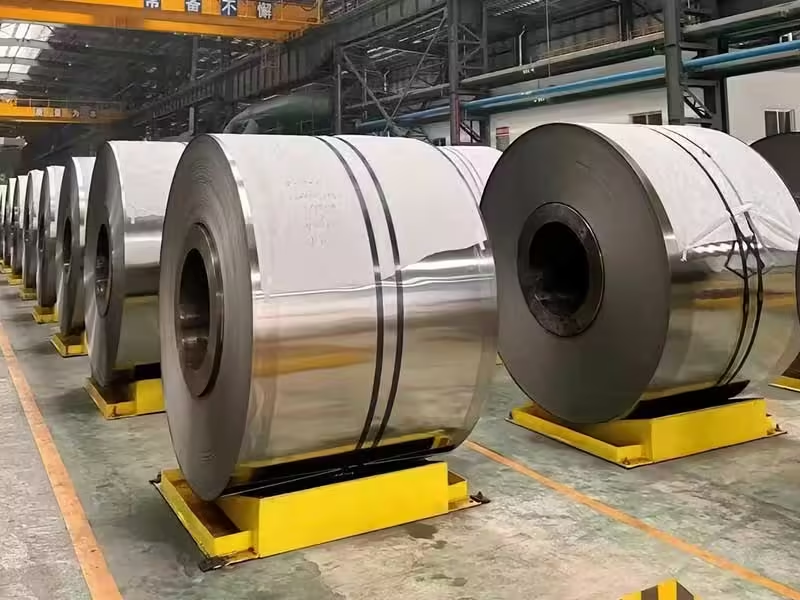
Xác định Yêu cầu chức năng
Một yêu cầu độ dày cuộn dây thép không gỉ nên bắt đầu với thành phần hoàn thành và điều kiện hoạt động của nó. sử dụng điển hình cho cuộn dây thép không gỉ bao gồm các thiết bị, thành phần hình thành, ống, thiết bị xử lý, bảng, lò xo, clip, và các sản phẩm dải chính xác. người mua nên xác định tải, môi trường, cuộc sống dự kiến, phương pháp nối, yêu cầu xuất hiện, và bất kỳ đặc điểm kỹ thuật quy định hoặc dự án kiểm soát công việc.
Độ dày cuộn dây thép không gỉ trở nên dễ dàng hơn để xác định khi mua sắm nhận được đầu vào từ thiết kế, sản xuất và chất lượng trước khi báo giá được yêu cầu. dập và các ứng dụng dải chính xác có thể cần kiểm soát chặt chẽ hơn so với tấm ốp rộng hoặc các bộ phận được cắt tỉa sau khi hình thành. xem xét này ngăn chặn một vật liệu hợp lệ về mặt kỹ thuật đến dưới dạng tạo ra công việc cắt, tạo hình, hàn, lắp đặt hoặc kiểm tra có thể tránh được.
Cấp và Tiêu chuẩn
Đường cơ sở vật chất cho độ dày cuộn dây thép không gỉ nên nêu rõ cấp, độ dày, chiều rộng, tính khí hoặc yêu cầu cơ học, kết thúc, kích thước cuộn dây, điều kiện cạnh, và giới hạn dòng hạ lưu. một tên thương mại quen thuộc không phải là một đặc điểm kỹ thuật hoàn chỉnh. đơn đặt hàng mua nên xác định tiêu chuẩn quản lý và phiên bản theo yêu cầu của dự án, bởi vì các yêu cầu có thể khác nhau theo hình thức sản phẩm, độ dày, cấp, tính khí, và điều kiện giao hàng.
Đối với độ dày cuộn dây thép không gỉ, người mua nên so sánh từ ngữ chứng chỉ với bản vẽ và yêu cầu thay vì dựa vào hình thức trực quan. một tài liệu tham khảo ngành công nghiệp độc lập hữu ích là các worldstainless. nghiệm thu dự án vẫn phải tuân theo các văn bản hợp đồng đã nêu.
Kích thước và Dung sai
Kích thước cho độ dày cuộn dây thép không gỉ cần giá trị danh nghĩa và biến thể được chấp nhận.Tùy thuộc vào sản phẩm, điều này có thể bao gồm độ dày hoặc tường, chiều rộng, chiều dài, đường kính, độ thẳng, độ phẳng, hình bầu dục, độ khum, điều kiện cạnh, kích thước cuộn dây hoặc hình học hồ sơ.Chỉ định độ dày danh nghĩa, điều chỉnh dung sai, đo trên chiều rộng và dọc theo chiều dài, và xử lý lớp phủ hoặc màng.
Không yêu cầu một độ dày cuộn dây thép không gỉ chặt chẽ hơn khoan dung chỉ đơn giản vì một số nhỏ hơn xuất hiện chính xác hơn. khoan dung nên bảo vệ phù hợp, hình thành, niêm phong, phụ cấp gia công, ổn định dòng, và hiệu suất cuối cùng. hạn chế không cần thiết có thể làm giảm linh hoạt tìm nguồn cung ứng mà không cải thiện phần.
Phương pháp đo lường
Kế hoạch sản xuất cho độ dày cuộn dây thép không gỉ nên đặt tên cho mọi hoạt động hạ lưu quan trọng: rạch, san lấp mặt bằng, dập, tạo hình cuộn, sản xuất ống, hàn, đánh bóng và chuyển đổi cắt theo chiều dài. tình trạng vật liệu, định hướng, ứng suất dư, chất lượng cạnh, độ sạch bề mặt và biến đổi kích thước có thể ảnh hưởng đến các quá trình này theo những cách khác nhau.
Độ dày cuộn dây thép không gỉ nên được đánh giá với các giới hạn thiết bị và dụng cụ thực tế trong tâm trí. cán nguội, ủ, da đi qua, rạch, và san lấp mặt bằng ảnh hưởng đến hồ sơ độ dày cuối cùng và hành vi cơ học.Khi hình học hoặc chấp nhận là đòi hỏi, một mẫu đại diện hoặc chạy bài viết đầu tiên là hữu ích hơn một lời hứa không được hỗ trợ rằng vật liệu nói chung là phù hợp.

Xử lý hạ nguồn
Yêu cầu bề mặt cho độ dày cuộn dây thép không gỉ nên được gắn với chức năng. điều kiện liên quan có thể bao gồm kết thúc nhất quán, trầy xước, vết lõm, dầu, màng bảo vệ, thiệt hại cạnh, cuộn dây thiết lập, và ô nhiễm từ thiết bị xử lý. một lưu ý rộng như bề mặt sạch sẽ hoặc kết thúc tốt là khó khăn để kiểm tra một cách nhất quán; vùng nhìn thấy và khu vực tiếp xúc chức năng nên có ngôn ngữ chấp nhận khách quan.
Xử lý và lưu trữ có thể thay đổi độ dày cuộn dây thép không gỉ sau khi sản xuất. định hướng mắt an toàn, bảo vệ cạnh, bảo vệ độ ẩm, pallet ổn định, bảo vệ bề mặt và nhãn khe rộng rõ ràng. đội tiếp nhận nên chụp ảnh bao bì ướt, rách, nghiền nát hoặc dịch chuyển trước khi vật liệu được di chuyển, vì xử lý sau này có thể che khuất tình trạng ban đầu.
Kiểm tra và Tài liệu
Một kế hoạch kiểm tra độ dày cuộn dây thép không gỉ tương ứng thường xem xét nhận dạng chứng chỉ, độ dày, chiều rộng, độ khum, gờ cạnh, bề mặt, điều kiện cuộn dây, khối lượng cuộn dây, đường kính bên trong và nhãn. tần số lấy mẫu, dụng cụ, vị trí đo và giới hạn chấp nhận phải được thỏa thuận trước khi giao hàng khi đơn hàng quan trọng.
Tài liệu cho độ dày cuộn dây thép không gỉ có thể bao gồm giấy chứng nhận vật liệu, danh sách khe-cuộn dây, kiểm tra kích thước, hồ sơ xử lý và thông tin truy xuất nguồn gốc. nhận được các phép đo nên lấy mẫu nhiều hơn một bọc bên ngoài thuận tiện khi ứng dụng phụ thuộc vào độ dài cuộn dây nhất quán. hồ sơ nên kết nối vật liệu được kiểm tra với nhãn của nó hoặc tài liệu tham khảo truy xuất nguồn gốc để một phát hiện có thể được cô lập mà không đặt vật liệu không liên quan vào giữ lại.
Bảng So sánh Người mua
Yêu cầu độ dày cuộn dây thép không gỉ chính xác phụ thuộc vào những gì người mua đang cố gắng bảo vệ. so sánh dưới đây biến các ưu tiên mua hàng phổ biến thành các hành động đặc điểm kỹ thuật thực t.
| Ưu tiên người mua | Rủi ro nếu không xác định | Hành động đặt hàng hữu ích |
|---|---|---|
| Kích thước phù hợp | Làm lại, lắp ráp kém hoặc xử lý không ổn định | Kích thước danh nghĩa trạng thái, dung sai và phương pháp đo |
| Chế tạo | Cracking, biến dạng, các vấn đề về dụng cụ hoặc nối kém | Đặt tên cho quá trình, điều kiện vật liệu và hình học quan trọng |
| Hiệu suất bề mặt | Các vấn đề về lớp phủ, liên kết, ăn mòn hoặc bề ngoài | Xác định các vùng hoàn thiện, bảo vệ và chấp nhận có thể nhìn thấy |
| Khả năng truy xuất nguồn gốc | Tuyên bố chậm và danh tính vật chất không chắc chắn | Yêu cầu giấy chứng nhận, nhãn mác, hồ sơ kiểm tra liên kết lô hàng |
Đối với độ dày cuộn dây thép không gỉ, đặc điểm kỹ thuật mạnh nhất không phải là dài nhất.Đó là đặc điểm kỹ thuật liên kết từng yêu cầu với một tính năng vẽ, giới hạn quy trình, điều kiện dịch vụ hoặc kiểm tra nhận. yêu cầu không thể đo lường hoặc kết nối để sử dụng nên được làm rõ trước khi đặt hàng.
Danh sách kiểm tra RFQ
Một yêu cầu độ dày cuộn dây thép không gỉ hoàn chỉnh nên cung cấp cho các nhà cung cấp cơ sở kỹ thuật tương tự. người mua có thể xem xét phạm vi sản phẩm thép không gỉ cuộn và những liên quan thép không gỉ cuộn dây mua sắm hướng dẫn trước khi hoàn tất cuộc điều tra.
- Xác định ứng dụng và tiêu chuẩn quản lý cho độ dày cuộn dây thép không g.
- Cấp tiểu bang, tình trạng hoặc tính khí và tất cả các kích thước danh nghĩa.
- Xác định dung sai, điều kiện cạnh hoặc cuối và các vùng bề mặt quan trọng.
- Mô tả cắt, tạo hình, gia công, hàn, phủ, hoặc nối.
- Danh sách các yêu cầu kiểm tra, chứng nhận, truy xuất nguồn gốc, ghi nhãn và đóng gói.
Trước khi phê duyệt độ dày cuộn dây thép không gỉ, mua sắm nên xác nhận rằng báo giá không có sự thay thế im lặng hoặc các cụm từ mơ hồ như chất lượng tiêu chuẩn nơi dự án cần một điều kiện được đặt tên. ngoại lệ kỹ thuật nên được viết và giải quyết trước khi sản xuất.
Câu hỏi thường gặp
Đặc điểm kỹ thuật độ dày cuộn dây thép không gỉ nên bao gồm những gì
Nó phải xác định tiêu chuẩn, cấp độ hoặc điều kiện quản lý, kích thước, dung sai, bề mặt, lộ trình xử lý, tài liệu kiểm tra, truy xuất nguồn gốc và bao bì cần thiết cho ứng dụng.
Khi nào thì sự khoan dung chặt chẽ hơn là hợp lý
Dung sai chặt chẽ hơn là hợp lý khi sự thay đổi tiêu chuẩn có thể ảnh hưởng đến độ vừa vặn, độ kín, phụ cấp gia công, hình dạng, độ ổn định của đường, hình thức bên ngoài hoặc yêu cầu có thể đo lường khác của bộ phận hoàn thiện.
Người mua có nên yêu cầu một mẫu trước khi đặt hàng số lượng lớn?
Một thử nghiệm mẫu hoặc bài viết đầu tiên là hợp lý khi vật liệu sẽ phải đối mặt với các yêu cầu khắt khe về tạo hình, thẩm mỹ, nối, phủ hoặc xử lý chính xác mà không thể xác nhận chỉ từ tài liệu.
Những tài liệu nào là quan trọng nhất?
Các tài liệu cần thiết tùy thuộc vào dự án, nhưng độ dày cuộn thép không gỉ thường cần có chứng chỉ vật liệu, truy xuất nguồn gốc, hồ sơ kích thước hoặc thử nghiệm nếu được chỉ định và danh sách đóng gói liên quan đến lô hàng.
Yêu cầu đánh giá thông số kỹ thuật
Gửi Huanhai Zhongke bản vẽ, tiêu chuẩn, cấp, kích thước, lộ trình xử lý, môi trường dịch vụ và nhu cầu kiểm tra để xem xét đặc điểm kỹ thuật độ dày cuộn dây thép không gỉ trước khi yêu cầu báo giá.
 Vietnamese
  English
  Korean
  Arabic