

Mục lục
Mua cuộn dây thép mạ kẽm hiếm khi là một vấn đề đơn giản yêu cầu một cuộn dây và chờ báo giá.Đối với mái, ống dẫn, tấm thiết bị, khung ánh sáng, thiết bị nông nghiệp, và chế tạo chung, trọng lượng lớp phủ sai hoặc tình trạng bề mặt có thể tạo ra các tuyên bố ăn mòn, hình thành các vấn đề, thất bại bám dính sơn, hoặc chất thải có thể tránh được trên dây chuyền sản xuất. một yêu cầu tốt nên cho nhà cung cấp biết chính xác cuộn dây sẽ được xử lý như thế nào và phần hoàn thành sẽ được sử dụng ở đâu.
Hướng dẫn này giải thích cách người mua công nghiệp có thể chỉ định cuộn thép mạ kẽm với đủ chi tiết để xem xét kỹ thuật có ý nghĩa.Nó tập trung vào tấm thép mạ kẽm nhúng nóng ở dạng cuộn, định dạng mà hầu hết người mua có nghĩa là khi họ yêu cầu cuộn thép mạ kẽm cho các dự án xây dựng và sản xuất.Nó không bao gồm giá cả, bởi vì chi phí cuộn dây thay đổi với chất nền, lớp phủ, chiều rộng, độ dày, kết thúc, khối lượng đặt hàng và điều kiện thị trường.
Bắt đầu với việc sử dụng cuối cùng
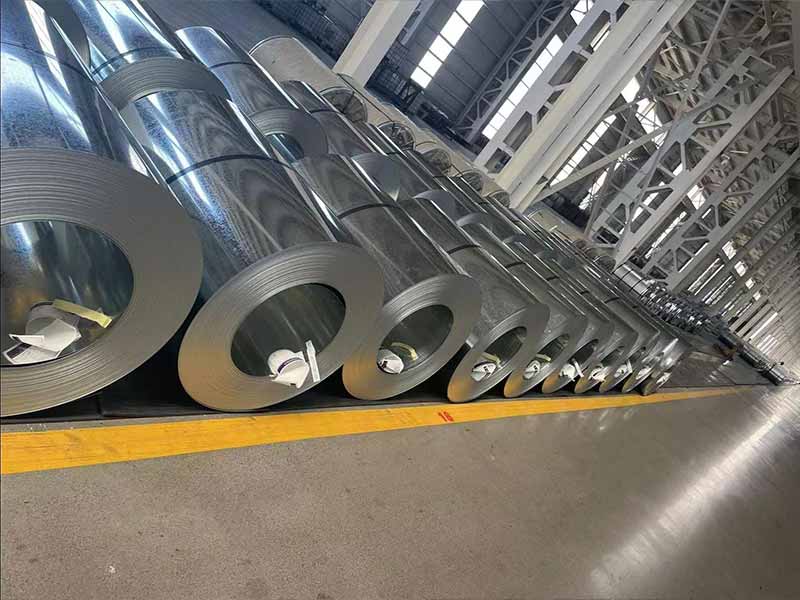
Việc sử dụng cuối cùng nên dẫn đầu đặc điểm kỹ thuật. cuộn thép mạ kẽm cho tấm mái cuộn hình thành có ưu tiên khác nhau từ cuộn thép mạ kẽm dành cho dập, thân tủ, ống dẫn, hoặc các sản phẩm sơn sẵn. người mua so sánh vật liệu cho thép cuộn mạ kẽm cho tấm lợp thường cần chiều rộng phù hợp, độ phẳng tốt, sự xuất hiện spangle phù hợp, và khối lượng lớp phủ phù hợp với tiếp xúc ngoài trời. một phần đóng dấu có thể cần formability tốt hơn, tính chất cơ học chặt chẽ hơn, và một bề mặt chấp nhận oiling, thụ động, hoặc sơn mà không có khuyết tật.
Trước khi thảo luận về độ dày hoặc chiều rộng, xác định xem cuộn thép mạ kẽm sẽ được rạch, san lấp mặt bằng, cuộn hình thành, vẽ, đục lỗ, hàn, sơn, hoặc lắp ráp trực tiếp. tuyến đường chế biến đó ảnh hưởng đến lớp, bề mặt hoàn thiện, trọng lượng cuộn dây, đường kính bên trong, điều kiện cạnh, và đóng gói.Khi một người mua chia sẻ những chi tiết sớm, một nhà cung cấp có thể đề nghị một đặc điểm kỹ thuật cuộn thép mạ kẽm dễ dàng hơn để sản xuất một cách nhất quán và dễ dàng hơn để kiểm tra khi đến.
Các mục đặc tả chính cần xác nhận
Một yêu cầu hoàn chỉnh cho cuộn thép mạ kẽm nên bao gồm chất nền thép, lớp phủ kẽm, dung sai kích thước, xử lý bề mặt và định dạng lô hàng. người mua cần một cái nhìn tổng quan về vật liệu rộng hơn cũng có thể xem xét các cơ bản về thép tấm và cuộn dây trước khi hoàn tất yêu cầu. nếu bất kỳ điểm nào trong số này bị thiếu, hai nhà cung cấp có thể báo giá các sản phẩm trông giống nhau trên giấy nhưng hoạt động khác nhau trong dịch v.
| Mục đặc điểm kỹ thuật | Những gì cần định nghĩa | Tại sao nó quan trọng |
|---|---|---|
| Lớp thép cơ bản | Chất lượng thương mại, chất lượng bản vẽ, cấp kết cấu, hoặc sức mạnh năng suất yêu cầu | Kiểm soát hành vi hình thành và hiệu suất chịu tải |
| Độ dày và chiều rộng | Kích thước danh nghĩa cộng với yêu cầu dung sai | Giảm các vấn đề về lắp đặt, phế liệu và biến thể tạo hình cuộn |
| Lớp phủ kẽm | Chỉ định lớp phủ hoặc khối lượng lớp phủ mục tiêu | Xác định khả năng chống ăn mòn và sự phù hợp của dịch vụ dự kiến |
| Hoàn thiện bề mặt | Spangle, da vượt qua, bôi dầu, thụ động, hoặc bề mặt sẵn sàng sơn | Nh hưởng đến sự xuất hiện, ổn định lưu trữ và độ bám dính của lớp phủ |
| Dạng cuộn | ID cuộn dây, giới hạn OD, phạm vi trọng lượng, tình trạng cạnh và bao bì | Đảm bảo khả năng tương thích với thiết bị xử lý và xử lý |
Hiểu Yêu Cầu Sơn Kẽm
Lớp phủ kẽm là lý do chính để chọn thép cuộn mạ kẽm thay vì thép cán nguội hoặc cán nóng trần.Kẽm hoạt động như một lớp rào cản và cũng cung cấp bảo vệ hy sinh khi vết xước nhỏ để lộ thép bên dưới.Đối với dịch vụ ngoài trời hoặc ẩm ướt, cuộn thép mạ kẽm nên được chỉ định bằng yêu cầu lớp phủ, không phải bằng sự xuất hiện một mình. nguyên tắc chung của mạ kẽm được ghi chép rộng rãi, bao gồm cơ chế chống ăn mòn cơ bản được mô tả trong tổng quan về mạ điện này.
Trong thực tế mua, người mua không nên chỉ đơn giản là yêu cầu cho ??hick kẽm.??Khối lượng lớp phủ nên phù hợp với môi trường tiếp xúc và phương pháp chế tạo. ống dẫn trong nhà, các thành phần kho khô, và bao vây tạm thời có thể không cần lớp phủ giống như các tòa nhà nông nghiệp, ốp ngoài trời, hoặc các bộ phận tiếp xúc với ngưng tụ. lớp phủ nặng hơn có thể cải thiện khả năng chống ăn mòn, nhưng nó cũng có thể ảnh hưởng đến hành vi uốn, khả năng hàn, bề mặt xuất hiện, và lựa chọn lớp phủ hạ lưu.
Đối với người mua làm việc với các thông số kỹ thuật của Bắc Mỹ, ASTM A653/A653M thường được tham chiếu cho tấm thép, mạ kẽm hoặc mạ hợp kim kẽm-sắt, bằng quy trình nhúng nóng. trang ASTM chính thức cho ASTM A653/A653M là một điểm khởi đầu hữu ích khi xác nhận thuật ngữ với các nhóm kỹ thuật hoặc chất lượng. người mua sử dụng EN, JIS, hoặc các tiêu chuẩn dự án khác nên nêu rõ tiêu chuẩn và cấp độ chính xác cần thiết hơn là dựa vào tên thương mại không chính thức.
Bề mặt hoàn thiện không chỉ có tính thẩm mỹ
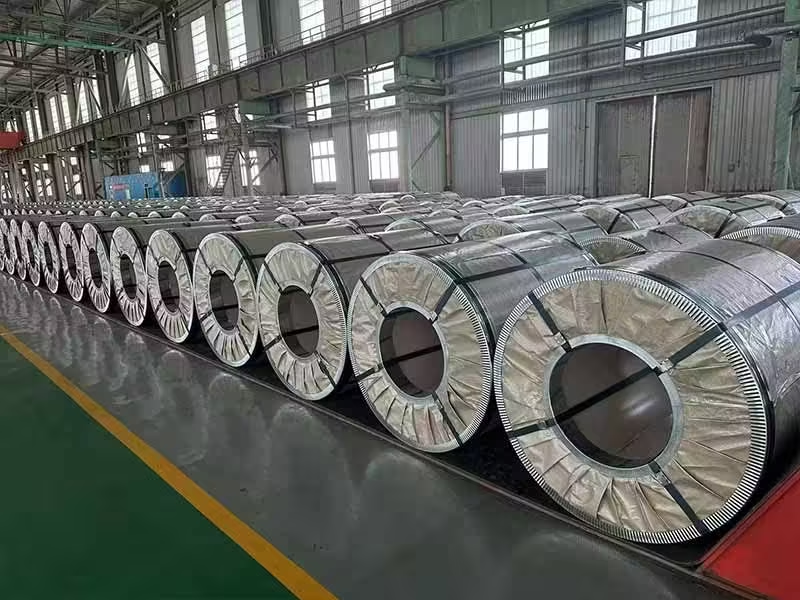
Bề mặt hoàn thiện có thể quyết định xem cuộn thép mạ kẽm có phù hợp với các tấm nhìn thấy được, các bộ phận sơn hoặc các thành phần cấu trúc ẩn hay không. sự xuất hiện của Spangle có thể quan trọng đối với các tấm tiếp xúc, nhưng độ bám dính của sơn, cặn dầu, thụ động và khuyết tật bề mặt thường quan trọng hơn đối với người mua công nghiệp. nếu cuộn thép mạ kẽm sẽ được sơn, ép, sơn tĩnh điện hoặc liên kết, xác nhận xem việc xử lý bề mặt có tương thích với quy trình đó hay không trước khi đặt hàng.
Các thuật ngữ liên quan đến bề mặt phổ biến bao gồm spangle thông thường, spangle giảm thiểu, spangle không, bề mặt da thông qua, thụ động không cromat, bôi dầu và bề mặt khô. sự lựa chọn đúng phụ thuộc vào thời gian lưu trữ, điều kiện quá cảnh, yêu cầu về dòng sơn và thành phẩm. ví dụ, một bề mặt khô và không được xử lý có thể không lý tưởng cho vận chuyển đường biển dài, trong khi bôi dầu nặng có thể tạo ra công việc làm sạch trước khi sơn. người mua nên hỏi làm thế nào cuộn thép mạ kẽm sẽ được bảo vệ trong quá trình vận chuyển và liệu điều trị được lựa chọn có ảnh hưởng đến bước sản xuất tiếp theo hay không.
Phù hợp với tính chất cơ học để chế tạo
Tính chất cơ học xứng đáng được chú ý hơn nhiều đơn đặt hàng cung cấp cho họ. cuộn thép mạ kẽm đáp ứng độ dày chính xác và yêu cầu lớp phủ vẫn có thể thất bại nếu sức mạnh năng suất, độ giãn dài hoặc độ cứng của nó không phù hợp với hoạt động tạo hình. tạo hình cuộn thường cần độ bền và ổn định hình dạng nhất quán. vẽ sâu đòi hỏi độ dẻo cao hơn. cấu hình kết cấu yêu cầu sức mạnh đáp ứng tải trọng thiết kế. khi cuộn thép mạ kẽm sẽ được uốn cong chặt chẽ, đục lỗ nhiều lần hoặc vẽ thành hình, lớp nên được xem xét với quá trình dụng cụ và hình thành trong tâm trí.
Nếu người mua có bản vẽ, mẫu hoặc chứng chỉ nhà máy trước đó từ một đơn đặt hàng thành công, thông tin đó giúp thu hẹp đặc điểm kỹ thuật. cũng hữu ích khi nêu rõ liệu cuộn dây có bị rạch thành dải hẹp hay không, vì chất lượng cạnh khe có thể ảnh hưởng đến nứt hạ lưu, kiểm soát burr và an toàn cho người vận hành. Để sản xuất lặp lại, hãy giữ dung sai và phạm vi cơ học đã được phê duyệt trong tài liệu mua hàng được kiểm soát thay vì dựa vào các luồng email cũ.
Kiểm tra chi tiết đóng gói, xử lý và lưu trữ
Cuộn dây thép mạ kẽm có thể bị hư hỏng sau khi sản xuất nếu bao bì và xử lý được coi là chi tiết nhỏ. định hướng mắt cuộn dây, đường kính trong, giới hạn đường kính ngoài, phạm vi trọng lượng, bảo vệ cạnh, gói chống thấm, đóng đai, thiết kế pallet, và phương pháp tải container tất cả ảnh hưởng đến cách an toàn vật liệu đến và làm thế nào dễ dàng nó có thể được di chuyển vào sản xuất.Một cuộn dây là đúng về mặt kỹ thuật nhưng quá nặng cho khách hàng?? decoiler tạo ra một vấn đề nhận có thể tránh được.
Điều kiện lưu trữ cũng quan trọng. ngưng tụ có thể dẫn đến rỉ sét trắng, đặc biệt là khi cuộn dây tiếp xúc với độ ẩm và thông gió kém. người mua nên lên kế hoạch lưu trữ trong nhà, tránh thay đổi nhiệt độ đột ngột khi có thể, và kiểm tra bao bì cuộn dây thép mạ kẽm ngay sau khi dỡ hàng. nếu cuộn dây sẽ vẫn còn trong kho trong một thời gian dài, thảo luận về thụ động và bôi dầu với nhà cung cấp trước khi giao hàng.
Tài liệu kiểm tra Người mua nên yêu cầu
Tài liệu cung cấp cho đội nhận một cách để xác minh rằng cuộn thép mạ kẽm phù hợp với đơn đặt hàng. ở mức tối thiểu, người mua nên yêu cầu giấy chứng nhận kiểm tra nhà máy hoặc giấy chứng nhận chất lượng xác định cấp, nhiệt hoặc số cuộn dây, thành phần hóa học nếu có, tính chất cơ học, độ dày, chiều rộng, chỉ định lớp phủ, trọng lượng cuộn dây và tiêu chuẩn sản xuất. đối với các ứng dụng quan trọng, kiểm tra bổ sung có thể bao gồm xác minh khối lượng lớp phủ, kiểm tra bề mặt, kiểm tra kích thước và ảnh đóng gói trước khi giao hàng.
Gói tài liệu nên được thỏa thuận trước khi sản xuất, không phải sau khi cuộn dây đã được tải.Nếu các bộ phận hoàn thiện được cung cấp vào các ngành công nghiệp được quy định hoặc kiểm toán, người mua có thể cần truy xuất nguồn gốc từ cuộn dây đến lô sản phẩm hoàn chỉnh.Trong trường hợp đó, nhãn cuộn, chứng chỉ và hồ sơ nhận nội bộ nên sử dụng số nhận dạng nhất quán.
Những sai lầm về đặt hàng phổ biến
- Yêu cầu cuộn thép mạ kẽm mà không nêu tên tiêu chuẩn hoặc cấp sản xuất.
- Chỉ định độ dày nhưng quên dung sai chiều rộng, ID cuộn dây hoặc trọng lượng cuộn dây tối đa.
- Chỉ chọn lớp phủ bằng hình thức bên ngoài thay vì môi trường tiếp xúc.
- Bỏ qua việc xử lý bề mặt mặc dù cuộn dây sẽ được sơn hoặc lưu trữ trong nhiều tháng.
- Giả sử một nhà cung cấp?? tên thương mại tương đương với nhà cung cấp khác?? đặc điểm kỹ thuật.
- Chỉ xem xét chứng chỉ sau khi xuất hiện vấn đề về chất lượng.
Một mẫu điều tra thực tế
Một cuộc điều tra rõ ràng cho cuộn thép mạ kẽm có thể ngắn, nhưng nó phải được hoàn thành. bao gồm các ứng dụng dự định, tiêu chuẩn và cấp, độ dày và chiều rộng, chỉ định lớp phủ, bề mặt hoàn thiện, ID cuộn dây, phạm vi trọng lượng cuộn, điều kiện cạnh, số lượng, yêu cầu đóng gói, đích đến, và các tài liệu cần thiết. nếu cuộn thép mạ kẽm sẽ được cuộn hình thành, đóng dấu, hàn, sơn, hoặc sử dụng ngoài trời, nhà nước mà trực tiếp. cuộc điều tra càng mô tả chính xác công việc thực tế, nhà cung cấp càng dễ dàng đề xuất một cuộn dây phù hợp với cả điều kiện sản xuất và dịch v.
Đối với người mua công nghiệp, cuộn thép mạ kẽm nên được đánh giá như một vật liệu làm việc, không phải là một mặt hàng chung. đơn đặt hàng mạnh nhất cho cuộn thép mạ kẽm được xây dựng xung quanh ứng dụng, thông số kỹ thuật có thể đo lường, yêu cầu kiểm tra và giới hạn xử lý thực tế. cách tiếp cận đó làm giảm sự nhầm lẫn, hỗ trợ kiểm soát chất lượng và giúp mỗi lô hàng chuyển từ nhận sang sản xuất với ít bất ngờ hơn.
 Vietnamese
  English
  Korean
  Arabic