

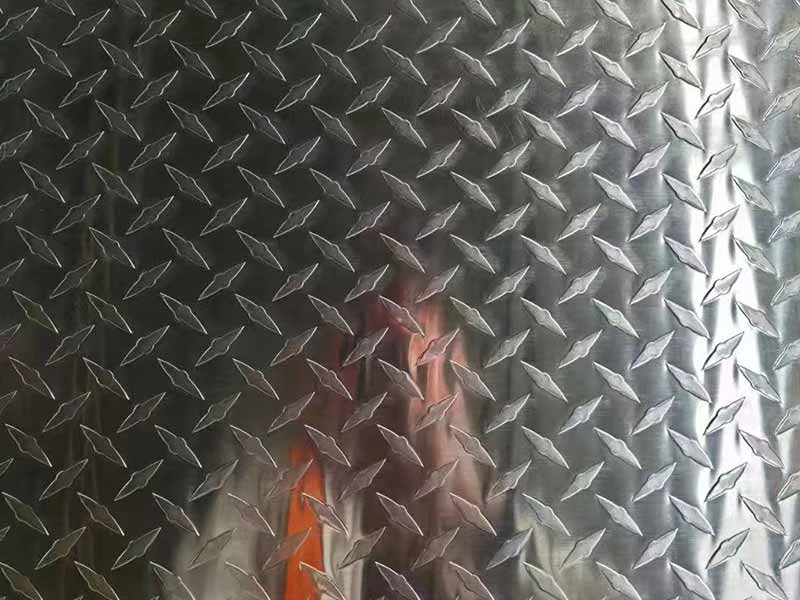
Tấm nhôm đục lỗ cho tấm thông gió kiến trúc được sử dụng rộng rãi trong các tòa nhà thương mại, cơ sở công nghiệp, trung tâm giao thông, và các dự án cơ sở hạ tầng công cộng. kiến trúc hiện đại ngày càng đòi hỏi vật liệu cung cấp thông gió, cấu trúc nhẹ, chống ăn mòn, và hấp dẫn thị giác.
Tấm nhôm đục lỗ cung cấp luồng không khí được kiểm soát, hiệu suất che nắng, lợi ích âm thanh và tính linh hoạt trang trí. so với tấm đục lỗ bằng thép, nhôm cung cấp khả năng chống ăn mòn vượt trội và giảm tải trọng kết cấu.
Đối với kiến trúc sư, kỹ sư mặt tiền và nhà thầu, tấm nhôm đục lỗ cho các tấm thông gió kiến trúc mang lại cả hiệu suất chức năng và thẩm mỹ thiết kế hiện đại.
Mục lục
Những gì được đục lỗ Nhôm Tấm
Tấm nhôm đục lỗ là một tấm nhôm phẳng được đục lỗ cơ học hoặc xử lý CNC với các mẫu lỗ đồng nhất.
Nó kết hợp:
Sức mạnh kết cấu
Khả năng thông gió
Hiệu suất nhẹ
Linh hoạt trang trí
Các mẫu lỗ có thể là hình tròn, hình vuông, có rãnh, hình lục giác hoặc được thiết kế tùy chỉnh để đáp ứng các yêu cầu về luồng không khí và hình ảnh.
Quy trình sản xuất
Tấm nhôm đục lỗ cho tấm thông gió kiến trúc được sản xuất thông qua:
Đấm CNC tốc độ cao
Đục lỗ laser cho thiết kế chính xác
San lấp mặt bằng tấm để kiểm soát độ phẳng
Xử lý hoàn thiện bề mặt
Thủng chính xác đảm bảo tỷ lệ diện tích mở đồng đều và hiệu suất luồng không khí nhất quán.
Tổng quan về thông số kỹ thuật
| Tham số | Phạm vi điển hình | Sự miêu tả |
|---|---|---|
| Hợp kim | 3003 / 5005 / 5052 | Các lớp kiến trúc |
| Độ dày | 0,8 -6,0 mm | Tấm thông gió |
| Đường kính lỗ | 1 -20 mm | Tùy chỉnh |
| Khu vực mở | 10% -60% | Kiểm soát luồng không khí |
| Chiều rộng bảng điều khiển | Lên đến 2000 mm | Dựa trên dự án |
| Hoàn thiện bề mặt | PVDF /Tráng bột /Anodized | Thời tiết kháng |
Thông số kỹ thuật được điều chỉnh dựa trên tải trọng gió, yêu cầu thông gió và tính toán kết cấu.
Ưu điểm cho thông gió kiến trúc
Tấm nhôm đục lỗ cho tấm thông gió kiến trúc cung cấp:
Khả năng chống ăn mòn cao
Cấu trúc nhẹ
Độ phẳng tuyệt vời
Tỷ lệ minh bạch tùy chỉnh
Độ bền thời tiết mạnh
Chi phí bảo trì thấp
Những đặc tính này làm cho nó phù hợp với mặt tiền bên ngoài và hệ thống ốp thông gió.
Hiệu suất luồng không khí và bóng râm
Tỷ lệ phần trăm diện tích mở quyết định hiệu quả thông gió.
Khu vực mở cao hơn cải thiện luồng không khí và làm mát tự nhiên.
Khu vực mở thấp hơn tăng cường che nắng và sự riêng tư.
Các kiến trúc sư thường chỉ định tấm nhôm đục lỗ để cân bằng thông gió tự nhiên với hiệu quả năng lượng.
An toàn cháy nổ và hiệu suất môi trường
Nhôm không cháy, làm cho tấm nhôm đục lỗ phù hợp cho các dự án yêu cầu vật liệu chống cháy.
Nó cũng góp phần vào các tiêu chuẩn công trình xanh bằng cách:
Cải thiện thông gió thụ động
Giảm tiêu thụ năng lượng HVAC
Cho phép thâm nhập ánh sáng ban ngày tự nhiên
Tùy chọn hoàn thiện bề mặt
Tấm nhôm đục lỗ cho tấm thông gió kiến trúc hỗ trợ nhiều lớp hoàn thiện:
Lớp phủ PVDF để bảo vệ tia cực tím lâu dài
Sơn tĩnh điện cho tùy chỉnh màu sắc
Anodizing cho kết thúc kim loại
Hạt gỗ hoặc lớp phủ kết cấu tùy chỉnh
Các tùy chọn này cho phép tích hợp với các khái niệm thiết kế mặt tiền hiện đại.
Ứng dụng sàng lọc công nghiệp
Ngoài kiến trúc, tấm nhôm đục lỗ được sử dụng trong:
Vỏ thông gió thiết bị
Bảo vệ máy
Tấm âm thanh
Hệ thống lọc bụi
Màn hình hạt nông nghiệp
Đặc tính nhẹ và chống ăn mòn của nó làm cho nó lý tưởng cho môi trường công nghiệp.
Lợi ích lắp đặt và chế tạo
Tấm nhôm đục lỗ có thể là:
Cắt theo kích thước tùy chỉnh
Cong và gấp lại
Hàn hoặc tán đinh
Gắn trên hệ khung
Bản chất nhẹ của nó làm giảm lao động lắp đặt và tải trọng kết cấu.
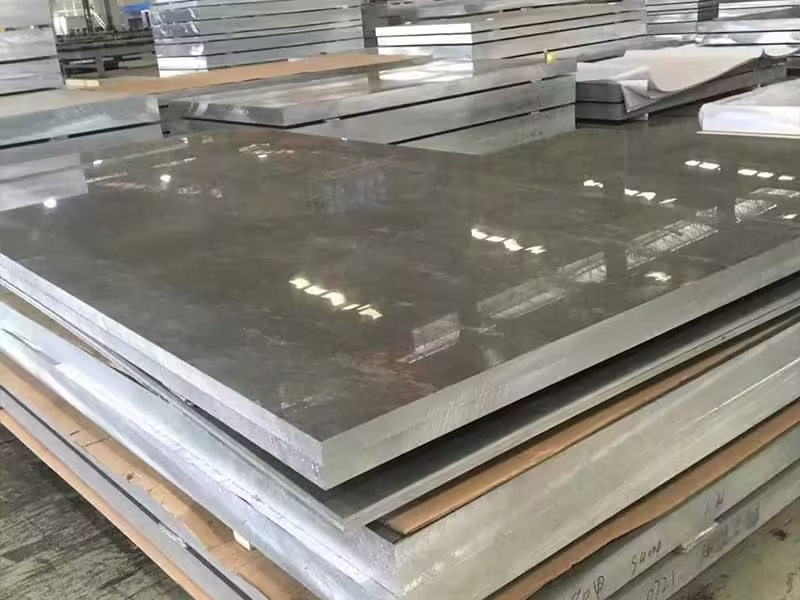
Kiểm soát chất lượng và năng lực cung cấp
Các nhà cung cấp chuyên nghiệp cung cấp:
Chứng nhận thành phần hợp kim
Kiểm tra dung sai độ dày
Xác minh độ chính xác của lỗ
Kiểm tra độ dày lớp phủ
Bao bì xuất khẩu số lượng lớn
Nguồn cung ổn định đảm bảo các nhà thầu có thể đáp ứng các mốc thời gian chặt chẽ của dự án.
Triển vọng nhu cầu thị trường
Với sự tăng trưởng toàn cầu về kiến trúc bền vững và hiện đại hóa công nghiệp, tấm nhôm đục lỗ cho các tấm thông gió kiến trúc tiếp tục thấy nhu cầu ngày càng tăng.
Các tòa nhà tiết kiệm năng lượng và các giải pháp mặt tiền thẩm mỹ đang thúc đẩy mở rộng thị trường trong dài hạn.
Phần kết luận
Tấm nhôm đục lỗ cho tấm thông gió kiến trúc mang lại khả năng kiểm soát luồng không khí, độ bền nhẹ, chống ăn mòn và tính linh hoạt trong thiết kế.
Đó là một giải pháp lý tưởng cho các hệ thống mặt tiền hiện đại, tấm ốp thông gió, và các ứng dụng sàng lọc công nghiệp.
Câu hỏi thường gặp
Những hợp kim nào thường được sử dụng?
3003, 5005 và 5052 là các loại nhôm kiến trúc phổ biến.
Có thể tùy chỉnh các mẫu lỗ không?
Có, kích thước, khoảng cách và tỷ lệ diện tích mở có thể được tùy chỉnh.
Nhôm đục lỗ có phù hợp để sử dụng ngoài trời không?
Có, với PVDF hoặc sơn tĩnh điện để chống chịu thời tiết.
Độ dày nào là điển hình cho tấm mặt tiền?
Thường từ 1,5 mm đến 4 mm tùy thuộc vào tải trọng gió.
Nguồn cung số lượng lớn có sẵn cho các dự án
Có, các nhà sản xuất hỗ trợ các dự án kiến trúc quy
 Vietnamese
  English
  Korean
  Arabic