
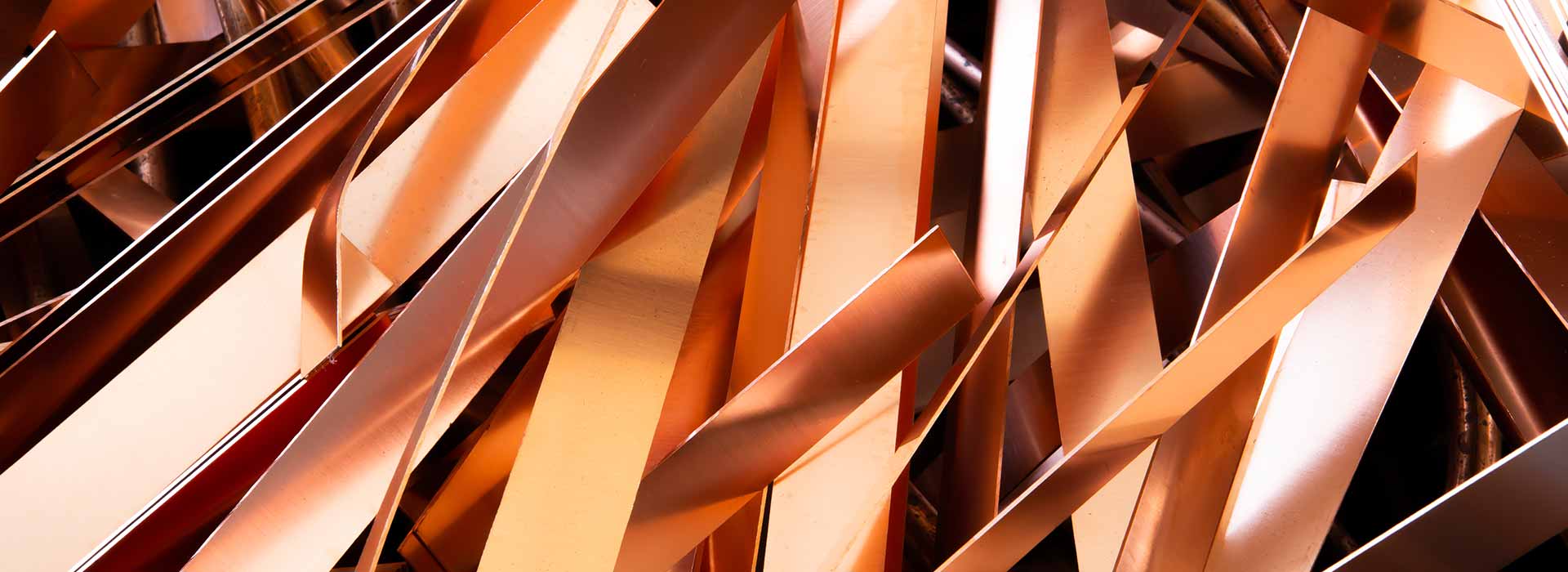
Cuộn dây nhôm để sản xuất điều hòa không khí là một vật liệu quan trọng được sử dụng trong vây ngưng tụ và thiết bị bay hơi, bộ trao đổi nhiệt và các thành phần xử lý không khí. nhẹ của nó, dẫn nhiệt tuyệt vời, và chống ăn mòn làm cho nó lý tưởng cho các hệ thống HVAC hiệu quả cao.
Khi tiêu chuẩn hiệu quả năng lượng tăng lên trên toàn cầu, các nhà sản xuất máy điều hòa không khí ngày càng dựa vào cuộn nhôm chất lượng cao để sản xuất máy điều hòa không khí để đảm bảo truyền nhiệt tối ưu, ổn định cấu trúc và hiệu suất lâu dài.
Đối với các nhà máy OEM, nhà cung cấp và người quản lý mua sắm, việc hiểu các thông số kỹ thuật, loại hợp kim và các tùy chọn lớp phủ là điều cần thiết để có chất lượng sản xuất nhất quán.
Mục lục
Là gì Cuộn nhôm
Nhôm cuộn là một sản phẩm nhôm cuộn có sẵn trong các hợp kim khác nhau và các lớp nhiệt độ. trong sản xuất điều hòa không khí, cuộn nhôm để sản xuất điều hòa không khí chủ yếu được sử dụng để sản xuất vây và ống do tính dẫn nhiệt cao và tính chất nh.
Cuộn dây thường được sản xuất từ:
- 1100 series (chống ăn mòn tuyệt vời)
- 3003 series (sức mạnh tốt và khả năng làm việc)
- Dòng 5005 (tăng cường khả năng chống ăn mòn và khả năng anodizing)
Các hợp kim này có thể được anod hóa hoặc phủ để cải thiện độ bền trong môi trường HVAC.
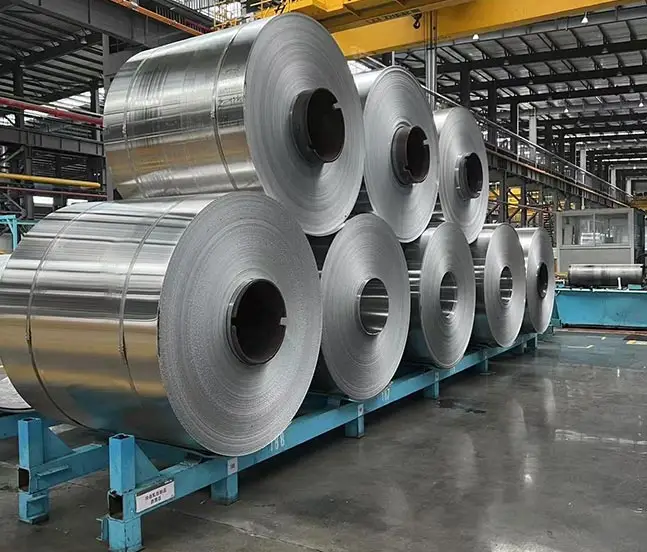
Tổng quan về thông số kỹ thuật
| Tham số | Phạm vi điển hình |
|---|---|
| Loại hợp kim | 1100, 3003, 5005 |
| Độ dày | 0,1–1,2 mm |
| Chiều rộng | 100 -1500 mm |
| Nhiệt độ | H14/H18/H24 |
| Hoàn thiện bề mặt | Hoàn thiện máy nghiền /Anodized / Tráng |
| Trọng lượng cuộn dây | 3 -10 MT |
Lựa chọn hợp kim phù hợp, tính khí, và độ dày đảm bảo hiệu suất nhiệt tối đa và chống ăn mòn trong các ứng dụng điều hòa không khí.
Tại sao nhôm cuộn là lý tưởng cho sản xuất AC
1. độ dẫn nhiệt Superior
Cuộn dây nhôm để sản xuất điều hòa không khí cho phép truyền nhiệt hiệu quả trong bình ngưng và thiết bị bay hơi, cải thiện hiệu quả làm mát và giảm tiêu thụ năng lượng.
2. nhẹ và mạnh
So với các lựa chọn thay thế bằng đồng hoặc thép, cuộn nhôm nhẹ nhưng vẫn cung cấp đủ độ bền cho các ứng dụng vây và ống, giảm trọng lượng tổng thể của thiết bị và dễ dàng lắp đặt.
3. chống ăn mòn
Nhôm tự nhiên tạo thành một lớp oxit bảo vệ, và anodizing hoặc lớp phủ bổ sung tăng cường hơn nữa khả năng chống ăn mòn từ độ ẩm, ngưng tụ và chất làm lạnh.
4. tuyệt vời Formability
Cuộn nhôm có thể dễ dàng cuộn hình thành, đóng dấu, hoặc vây mà không bị nứt, duy trì tính toàn vẹn bề mặt và độ bám dính lớp phủ.
Các ứng dụng trong Sản xuất Điều hòa
Vây ngưng tụ và thiết bị bay hơi
Cuộn dây nhôm để sản xuất điều hòa không khí được sử dụng rộng rãi cho vây trao đổi nhiệt, tối đa hóa luồng không khí và tản nhiệt.
Ống và đường ống
Ng nhôm nhẹ đảm bảo dòng chất làm mát hiệu quả và giảm trọng lượng hệ thống mà không ảnh hưởng đến hiệu suất.
Vỏ quạt và các thành phần ống dẫn
Cuộn dây nhôm chống ăn mòn được sử dụng trong vỏ và ống dẫn bên trong để kéo dài tuổi thọ và duy trì hiệu quả luồng không khí.
Tấm trao đổi nhiệt
Cuộn dây nhôm có thể được tạo thành các tấm hoặc lá cho các thiết kế trao đổi nhiệt nhỏ gọn trong các đơn vị dân cư và thương mại.
Cung cấp và đảm bảo chất lượng
Các nhà cung cấp đáng tin cậy của cuộn dây nhôm để sản xuất điều hòa không khí duy trì:
- Hợp kim ổn định và cổ phiếu ôn hòa
- Độ dày và chiều rộng phù hợp khoan dung
- Kiểm soát hoàn thiện bề mặt
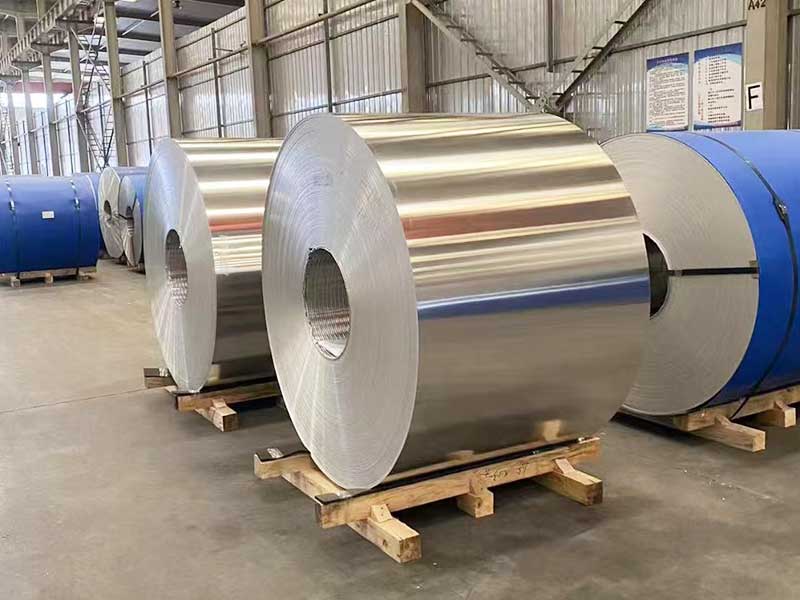
- Đóng gói cuộn dây để ngăn ngừa thiệt hại trong quá trình vận chuyển
Đảm bảo chất lượng bao gồm kiểm tra tính chất cơ học, xác minh thành phần hóa học và kiểm tra khuyết tật bề mặt để đảm bảo hiệu suất trong hệ thống HVAC.
Xu hướng thị trường
Nhu cầu về cuộn nhôm trong sản xuất AC đang tăng lên do:
- Tăng trưởng của máy điều hòa không khí tiết kiệm năng lượng
- Tăng cường lắp đặt HVAC trong các tòa nhà dân cư và thương mại
- Yêu cầu vật liệu nhẹ cho các thiết bị AC loại biến tần
- Mở rộng toàn cầu của sản xuất OEM
Sự kết hợp của hiệu suất nhiệt, trọng lượng nhẹ và khả năng chống ăn mòn của cuộn dây nhôm giúp nó có nhu cầu cao trên các nhà sản xuất HVAC.
Phần kết luận
Cuộn dây nhôm để sản xuất điều hòa không khí cung cấp hiệu suất nhiệt vượt trội, chống ăn mòn, tính chất nhẹ và khả năng định dạng tuyệt vời. nó là điều cần thiết để sản xuất vây ngưng tụ, thiết bị bay hơi, ống, và các thành phần AC quan trọng khác. cung cấp đáng tin cậy và chất lượng phù hợp là chìa khóa cho các OEM để duy trì hiệu quả sản xuất và độ tin cậy của sản phẩm.
Câu hỏi thường gặp
Q1: Hợp kim nhôm nào tốt nhất cho vây AC?
A1: 3003 và 5005 series được sử dụng rộng rãi do sức mạnh và chống ăn mòn.
Q2: Cuộn dây nhôm có thể được anodized cho các ứng dụng HVAC?
A2: Có, anodizing cải thiện khả năng chống ăn mòn và độ bền bề mặt.
Q3: Độ dày nào thường được sử dụng trong sản xuất điều hòa không khí?
A3: 0,1–0,6 mm là điển hình cho vây ngưng tụ và thiết bị bay hơi.
Q4: Là cung cấp số lượng lớn có sẵn cho sản xuất OEM lớn?
A4: Có, các nhà cung cấp duy trì ổn định cuộn dây cổ phiếu và bao bì tùy chỉnh.
Q5: Cuộn dây nhôm có cải thiện hiệu quả năng lượng AC không?
A5: Có, độ dẫn nhiệt cao của nó giúp tăng cường hiệu suất truyền nhiệt và làm mát.
 Vietnamese
  English
  Korean
  Arabic