
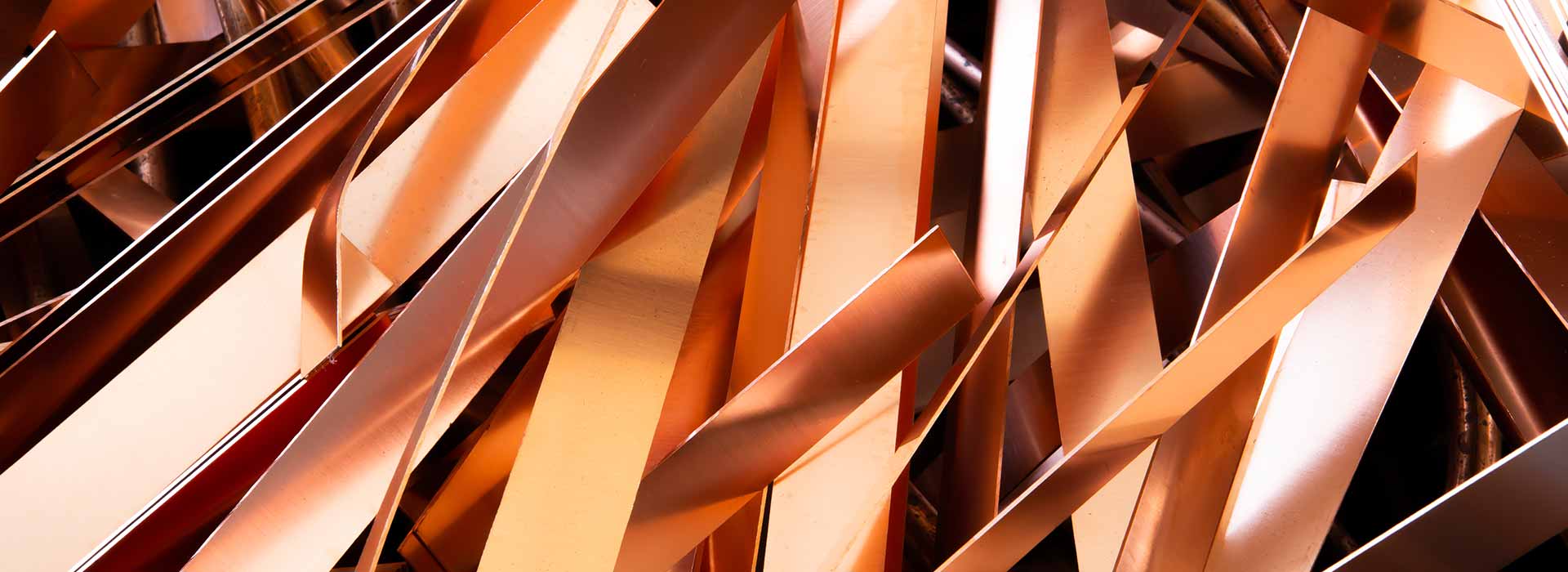
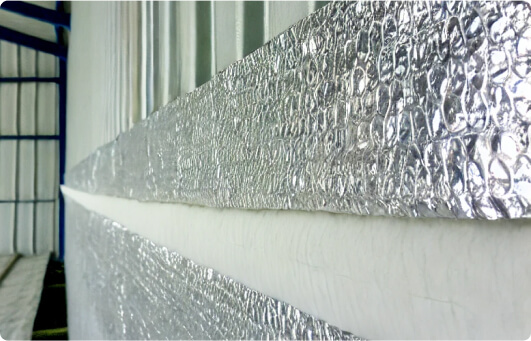
Trong xây dựng hiện đại, hiệu quả năng lượng và hiệu suất nhiệt là rất cần thiết. Nhôm lá mỏng cho cách nhiệt xây dựng được sử dụng rộng rãi để cải thiện khả năng giữ nhiệt, giảm chi phí năng lượng và tăng cường độ bền của tòa nhà. đặc tính phản chiếu của nó làm cho nó trở thành một thành phần quan trọng trong các bức tường, mái nhà và hệ thống HVAC.
Đối với các nhà thầu, kiến trúc sư và nhà cung cấp vật liệu xây dựng, việc tìm nguồn cung ứng lá nhôm chất lượng cao để cách nhiệt với kho sẵn sàng đảm bảo đáp ứng các mốc thời gian của dự án và duy trì các tiêu chuẩn chất lượng.
Mục lục
Nhôm Foil là gì cho cách nhiệt xây dựng
Nhôm lá mỏng cho cách nhiệt xây dựng là một mỏng, lá phản chiếu được sử dụng kết hợp với các vật liệu cách nhiệt khác như bọt, sợi thủy tinh, hoặc bong bóng bọc. vai trò chính của nó là phản xạ nhiệt bức xạ, giảm truyền nhiệt, và cải thiện hiệu quả năng lượng tổng th.
Chất lượng cao lá nhôm cho cách nhiệt tòa nhà tính năng:
- Độ dày đồng đều
- Độ phản xạ cao
- Độ bền và khả năng chống rách
- Tùy chọn lớp phủ chống cháy
- Khả năng tương thích với vật liệu cách nhiệt thông thường
Vật liệu này rất cần thiết cho cả dự án xây dựng nhà ở và thương mại.
Tổng quan về thông số kỹ thuật
| Tham số | Phạm vi điển hình |
|---|---|
| Hợp kim | 8011 / 1235 |
| Độ dày | 10 -30 micron |
| Chiều rộng | 300–1200 mm |
| Chiều dài cuộn | 50–200 mét |
| Phản x | ≥95% |
| Đánh giá cháy | Loại B trở lên (tùy chọn) |
| Ứng dụng | Tường, mái, cách nhiệt HVAC |
Độ dày và độ phản xạ là rất quan trọng để cách nhiệt hiệu quả. lớp phủ chống cháy có thể được thêm vào để tuân thủ các quy tắc xây dựng địa phương.
Lợi ích chính của Giấy bạc nhôm trong Xây dựng
1. hiệu quả nhiệt
Nhôm lá mỏng phản xạ nhiệt bức xạ, giảm truyền nhiệt qua tường, trần nhà, mái nhà.Điều này giúp duy trì nhiệt độ bên trong và giảm chi phí năng lượng.
2. độ ẩm Barrier
Lớp lá ngăn chặn sự xâm nhập của độ ẩm vào vật liệu cách nhiệt, bảo vệ các thành phần cấu trúc khỏi nấm mốc, ăn mòn và xuống cấp.
3. nhẹ và dễ dàng để cài đặt
Cuộn lá nhôm nhẹ, linh hoạt, dễ cắt hoặc xếp lớp với các vật liệu cách nhiệt khác, giảm chi phí lao động trong quá trình lắp đặt.
4. an toàn cháy
Lá nhôm chất lượng cao có thể được phủ bằng vật liệu chống cháy, cải thiện an toàn cho tòa nhà mà không ảnh hưởng đến hiệu suất cách nhiệt.
5. độ bền
Foil chống rách và thủng trong quá trình cài đặt, đảm bảo hiệu suất lâu dài và bảo trì tối thiểu.

So sánh: Nhôm Foil vs Vật liệu cách nhiệt truyền thống
| Tính năng | Giấy bạc nhôm | Sợi thủy tinh /Bọt |
|---|---|---|
| Phản x | Cao | Thấp |
| Độ ẩm Kháng | Xuất sắc | Vừa phải |
| Cài đặt Dễ dàng | Cao | Vừa phải |
| Chống cháy | Tùy chọn | Thay đổi |
| Tuổi th | Dài | Vừa phải |
Nhôm lá mỏng thường được sử dụng như một lớp phản chiếu kết hợp với cách nhiệt truyền thống để tối đa hóa hiệu suất.
Ứng dụng trong Dự án Xây dựng
Xây Dựng Khu Dân Cư
Được sử dụng trên gác mái, tường, dưới mái nhà để giảm nhiệt tăng vào mùa hè và giảm nhiệt vào mùa đông.
Tòa nhà thương mại
Áp dụng trong hệ thống ống dẫn và mái HVAC để tăng cường hiệu suất nhiệt và hiệu quả năng lượng.
Cơ sở công nghiệp
Được sử dụng để cách nhiệt máy móc, bảo quản lạnh, bọc ống để duy trì sự ổn định nhiệt độ và tiết kiệm năng lượng.
Dự án cải tạo
Cách nhiệt lá là lý tưởng để trang bị thêm các tòa nhà cũ mà không có thay đổi cấu trúc rộng rãi.
Tiêu chuẩn kiểm soát chất lượng
Các nhà cung cấp của lá nhôm cho cách nhiệt tòa nhà thực hiện kiểm tra chất lượng nghiêm ngặt để đảm bảo:
- Độ đồng đều độ dày
- Độ phản xạ cao
- Chất lượng lớp phủ chống cháy
- Sức mạnh cơ học
- Tuân thủ các quy tắc xây dựng địa phương và Tiêu chuẩn ISO
Chất lượng nhất quán đảm bảo hiệu suất đáng tin cậy và hiệu quả sử dụng năng lượng trong suốt tuổi thọ của tòa nhà.
Chuỗi cung ứng và sẵn có số lượng lớn
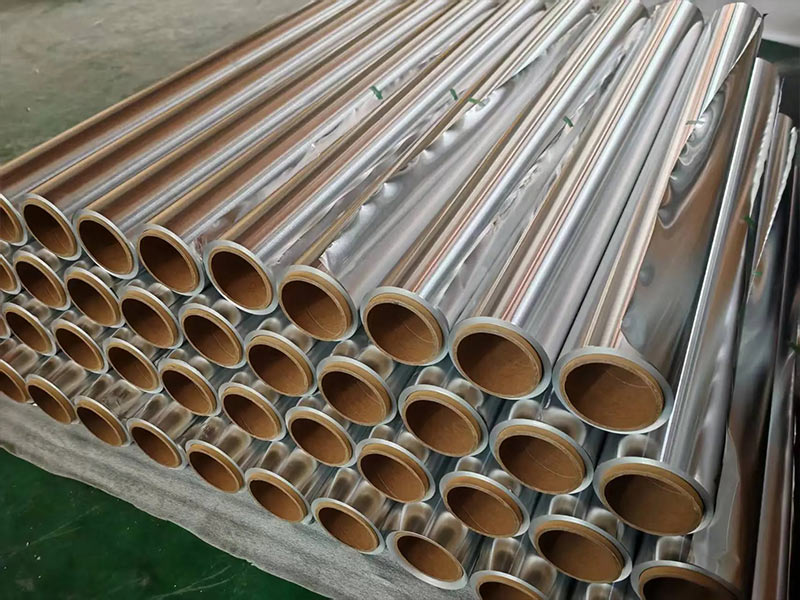
Dự án xây dựng yêu cầu giao hàng vật liệu kịp thời. nhà cung cấp duy trì sẵn sàng cổ phiếu của lá nhôm cho cách nhiệt xây dựng cung cấp:
- Cuộn khối lượng lớn cho các dự án thương mại và dân cư
- Chiều rộng và chiều dài tùy chỉnh
- Vận chuyển nhanh và chất lượng hàng loạt phù hợp
Nguồn cung đáng tin cậy đảm bảo các mốc thời gian xây dựng được đáp ứng mà không thiếu nguyên liệu.
Các yếu tố cần xem xét về tính bền vững
Nhôm có thể tái chế hoàn toàn và việc sử dụng nó trong vật liệu cách nhiệt hỗ trợ hiệu quả sử dụng năng lượng và giảm lượng khí thải carbon. Sử dụng lá nhôm phản chiếu có thể làm giảm đáng kể mức tiêu thụ năng lượng trong các tòa nhà, góp phần thực hành xây dựng bền vững.
Xu hướng thị trường
Nhu cầu về lá nhôm trong cách nhiệt tòa nhà đang tăng lên do:
- Tăng cường tập trung vào xây dựng tiết kiệm năng lượng
- Hoạt động xây dựng toàn cầu đang gia tăng
- Mở rộng các sáng kiến xây dựng bền vững
- Việc áp dụng ngày càng tăng trong hệ thống HVAC và mái nhà
Các nhà thầu và nhà phát triển đầu tư vào vật liệu cách nhiệt lá chất lượng cao đạt được lợi ích tiết kiệm năng lượng lâu dài và lợi ích hiệu suất của tòa nhà.
Phần kết luận
Nhôm lá mỏng cho cách nhiệt xây dựng cung cấp hiệu quả nhiệt đặc biệt, chống ẩm, và an toàn cháy. tính chất nhẹ, bền, và phản chiếu của nó làm cho nó một vật liệu đáng tin cậy cho các ứng dụng dân dụng, thương mại, và công nghiệp.
Lựa chọn lá nhôm chất lượng cao với cổ phiếu sẵn sàng đảm bảo hiệu suất phù hợp, lắp đặt nhanh hơn và tiết kiệm năng lượng xây dựng lâu dài.
Câu hỏi thường gặp
Độ dày tiêu chuẩn cho lá nhôm được sử dụng trong cách nhiệt là gì?
Thông thường 10–30 micron tùy thuộc vào yêu cầu ứng dụng và độ phản xạ.
Lá nhôm có an toàn cho vật liệu cách nhiệt được đánh giá chống cháy không?
Có, lớp phủ chống cháy có thể được áp dụng để đáp ứng các quy chuẩn xây dựng.
Có thể sử dụng lá nhôm trong các dự án trang bị thêm?
Có, nó nhẹ và dễ lắp đặt trên các cấu trúc hiện có.
Lá nhôm có cải thiện hiệu quả năng lượng không?
Có, bề mặt phản chiếu của nó làm giảm truyền nhiệt và giảm chi phí năng lượng.
Có cung cấp số lượng lớn cho các dự án xây dựng?
Có, các nhà cung cấp duy trì hàng tồn kho sẵn sàng để giao hàng nhanh chóng cho các dự án quy mô lớn.
 Vietnamese
  English
  Korean
  Arabic