

Mục lục
Thép tấm để hàn đóng một vai trò quan trọng trong chế tạo, xây dựng, sản xuất máy móc, và nhiều lĩnh vực công nghiệp khác.Chọn tấm thép phù hợp ảnh hưởng trực tiếp đến chất lượng mối hàn, độ bền kết cấu, và hiệu suất lâu dài.
Là một tấm thép chuyên nghiệp cho nhà sản xuất hàn, chúng tôi hiểu những gì các kỹ sư và người mua tìm kiếm khả năng hàn đáng tin cậy, chất lượng phù hợp và vật liệu đáp ứng các tiêu chuẩn quốc tế. hướng dẫn này giải thích cách chọn tấm thép phù hợp để hàn dựa trên loại vật liệu, độ dày, ứng dụng và yêu cầu hiệu suất.
Là gì Thép tấm để hàn?
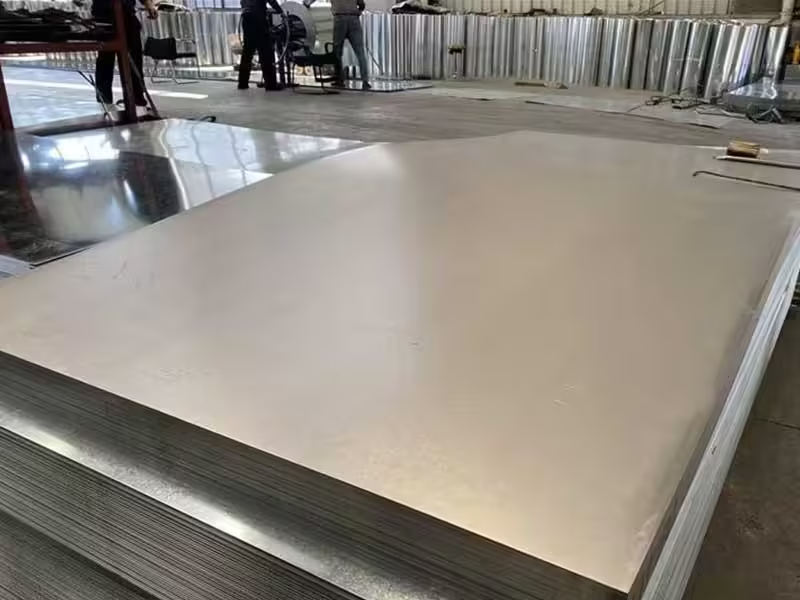
Thép tấm để hàn đề cập đến các tấm thép được thiết kế hoặc lựa chọn đặc biệt cho khả năng hàn tốt và hiệu suất cơ học ổn định sau khi hàn.Những tấm này thường có thành phần hóa học được kiểm soát, hàm lượng carbon thích hợp, và sức mạnh cân bằng và độ dẻo.
Thép tấm hàn được sử dụng rộng rãi trong:
- Chế tạo kết cấu
- Sản xuất máy móc hạng nặng
- Thiết bị công nghiệp
- Bình chịu áp suất
- Đóng tàu và vận tải
Yêu cầu chính là tấm thép có thể tạo thành các mối hàn chắc chắn, không có khuyết tật theo các quy trình hàn thông thường.
Vật liệu chính Các loại thép tấm để hàn
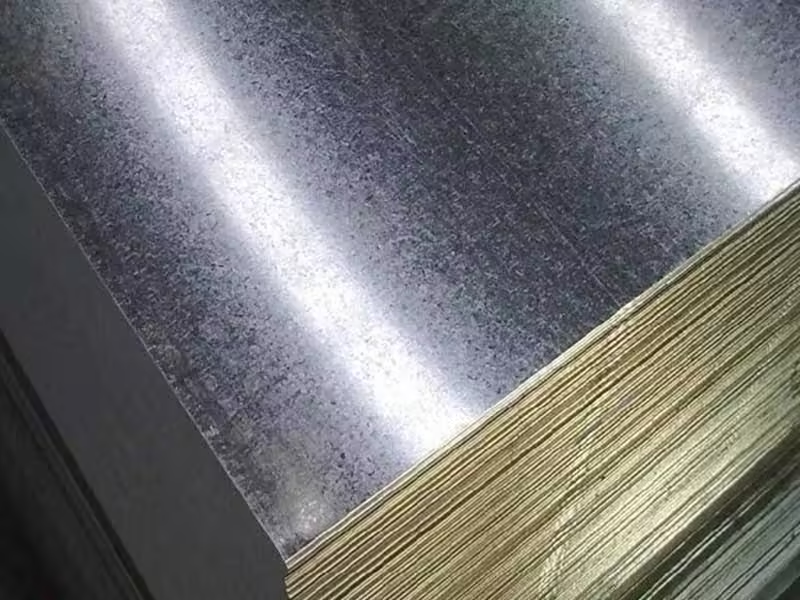
Tấm thép nhẹ để hàn
Tấm thép nhẹ là một trong những vật liệu được sử dụng phổ biến nhất do hàm lượng carbon thấp và khả năng hàn tuyệt vời.Chúng dễ chế tạo và phù hợp với hầu hết các ứng dụng hàn có mục đích chung.
Các ứng dụng điển hình bao gồm khung kết cấu, xưởng chế tạo và các bộ phận máy móc.
Tấm thép carbon để hàn
Thép tấm carbon cung cấp độ bền cao hơn so với thép nhẹ. các lớp carbon trung bình thường được sử dụng khi cần độ bền và độ bền, trong khi vẫn duy trì khả năng hàn chấp nhận được.
Những tấm này thường được sử dụng trong các thiết bị nặng, kết cấu công nghiệp và các ứng dụng chịu lực.
Tấm thép không gỉ để hàn
Tấm thép không gỉ được lựa chọn cho khả năng chống ăn mòn và độ bền trong môi trường khắc nghiệt. hàn thép không gỉ đòi hỏi nhiều thủ tục kiểm soát, nhưng kết quả là tuổi thọ dài và hiệu suất bề mặt tuyệt vời.
Thép tấm Grades và tiêu chuẩn cho hàn
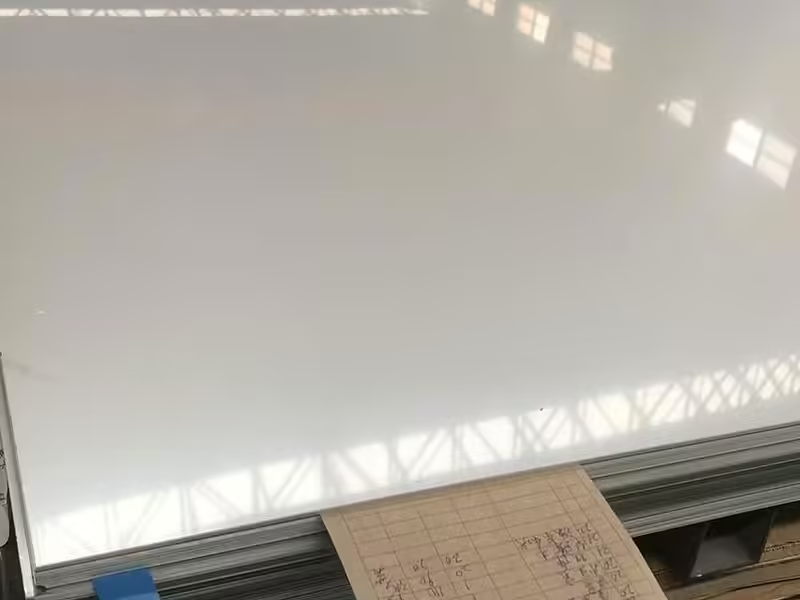
Thép tấm để hàn được sản xuất theo tiêu chuẩn quốc tế để đảm bảo chất lượng và khả năng tương thích giữa các dự án. tiêu chuẩn chung bao gồm:
- Tiêu chuẩn ASTM cho sử dụng công nghiệp toàn cầu
- Tiêu chuẩn EN cho các dự án châu Âu
- Lớp tùy chỉnh cho các ứng dụng cụ th
Chọn lớp chính xác đảm bảo hành vi hàn có thể dự đoán được, độ bền cơ học và tuân thủ các yêu cầu kỹ thuật.
Cân nhắc về độ dày và kích thước của tấm thép
Độ dày ảnh hưởng đến hiệu suất hàn như thế nào
Độ dày ảnh hưởng trực tiếp đến đầu vào nhiệt hàn, thâm nhập và sức mạnh khớp. tấm thép dày hơn thường yêu cầu đầu vào nhiệt cao hơn hoặc làm nóng trước để tránh nứt và biến dạng.
Độ dày phổ biến và kích thước tùy chỉnh
Là nhà sản xuất, chúng tôi cung cấp cả kích thước tấm tiêu chuẩn và tấm thép tùy chỉnh cho các giải pháp hàn để đáp ứng nhu cầu cụ thể của dự án.
| Thép tấm Độ dày | Ng dụng Hàn điển hình | Ghi chú |
|---|---|---|
| 3 -6 mm | Chế tạo ánh sáng | Dễ hàn, đầu vào nhiệt thấp |
| 8 -12 mm | Hàn kết cấu | Cân bằng sức mạnh và khả năng hàn |
| 16 -25 mm | Máy móc hạng nặng | Có thể yêu cầu làm nóng trước |
| 30 mm trở lên | Thiết bị công nghiệp | Cần kiểm soát hàn nghiêm ngặt |
Cán nóng vs cán nguội thép tấm cho hàn
Thép tấm cán nóng được sử dụng rộng rãi để hàn do tính chất cơ học ổn định và hiệu quả chi phí.Chúng phù hợp cho hầu hết các ứng dụng kết cấu và công nghiệp.
Thép tấm cán nguội cung cấp bề mặt hoàn thiện tốt hơn và dung sai độ dày chặt hơn nhưng thường mỏng hơn và phù hợp hơn cho chế tạo chính xác hơn là hàn nặng.
Việc chọn đúng loại phụ thuộc vào ứng dụng, yêu cầu về sức mạnh và ngân sách.
Tính chất cơ học và hóa học ảnh hưởng đến khả năng hàn
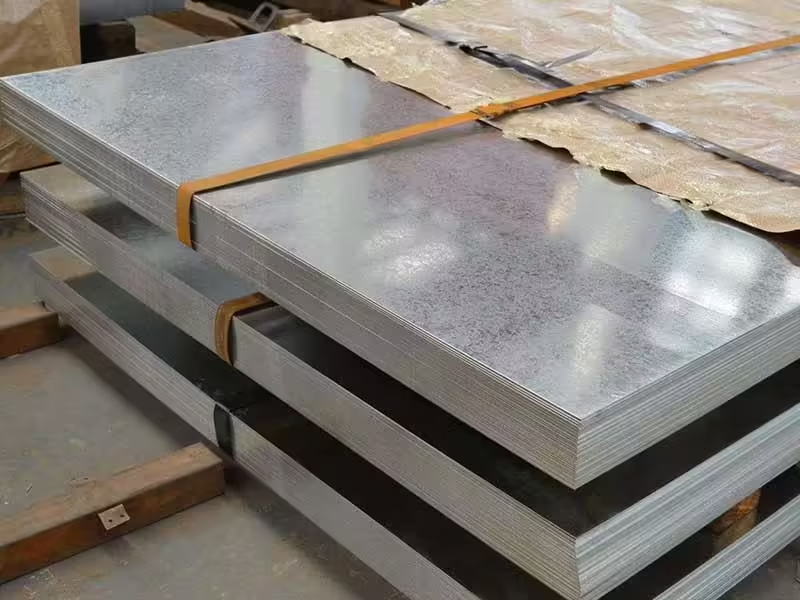
Một số yếu tố ảnh hưởng đến hiệu suất của tấm thép trong quá trình hàn:
- Hàm lượng cacbon và lượng cacbon tương đương (CE)
- Độ bền kéo và sức mạnh năng suất
- Độ dẻo và độ giãn dài
- Độ ổn định thành phần hóa học
Là nhà sản xuất, chúng tôi kiểm soát chặt chẽ các đặc tính này để đảm bảo hiệu suất hàn nhất quán và giảm nguy cơ khuyết tật.
Thép tấm để hàn trong các ứng dụng khác nhau
Xây dựng và Chế tạo kết cấu
Thép tấm để hàn được sử dụng rộng rãi trong dầm, cột, và khung kết cấu nơi sức mạnh và độ tin cậy là rất cần thiết.
Sản xuất máy móc và thiết bị nặng
Tấm thép hàn cung cấp độ bền và khả năng chống mỏi cho khung máy móc và các thành phần.
Bình chịu áp lực và thiết bị công nghiệp
Các lớp đặc biệt và độ dày được kiểm soát đảm bảo an toàn và tuân thủ các tiêu chuẩn công nghiệp.
Đóng tàu và Vận tải
Thép tấm phải đáp ứng các yêu cầu nghiêm ngặt về hàn và độ dẻo dai để thực hiện dưới tải trọng động và môi trường khắc nghiệt.
Phương pháp hàn thông thường được sử dụng với tấm thép
Thép tấm để hàn tương thích với nhiều kỹ thuật hàn:
- Hàn MIG cho hiệu quả và năng suất
- hàn TIG cho mối hàn chính xác và sạch s
- Hàn que cho các ứng dụng ngoài trời hoặc nặng
Lựa chọn phương pháp hàn phù hợp giúp tối ưu hóa chất lượng mối nối và hiệu quả sản xuất.
Các vấn đề thường gặp khi hàn tấm thép và cách tránh chúng
Các vấn đề hàn điển hình bao gồm nứt, biến dạng và thâm nhập không đầy đủ.Những vấn đề này có thể được giảm thiểu bằng cách:
- Lựa chọn các loại thép tấm thích hợp
- Chuẩn bị bề mặt thích hợp
- Kiểm soát nhiệt đầu vào và tốc độ làm mát
- Sử dụng gia nhiệt trước khi cần thiết
Tấm thép của chúng tôi được thiết kế để giảm rủi ro hàn và cải thiện kết quả chế tạo tổng th.
Tại sao chọn chúng tôi làm tấm thép của bạn cho nhà sản xuất hàn
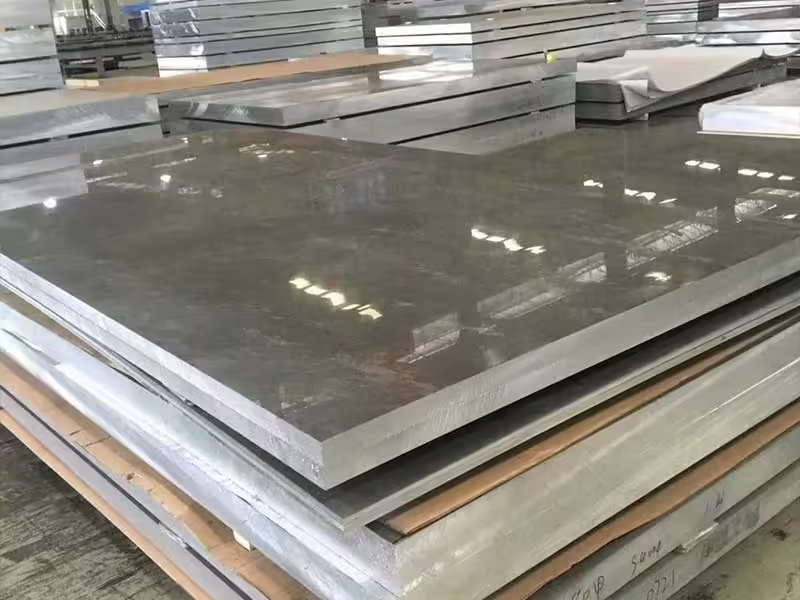
Là một tấm thép chuyên nghiệp cho nhà sản xuất hàn, chúng tôi cung cấp:
- Kiểm soát chất lượng nghiêm ngặt từ nguyên liệu thô đến tấm hoàn thiện
- Tuân thủ các tiêu chuẩn quốc tế
- Kích thước, độ dày và cấp độ tùy chỉnh
- Cung cấp ổn định cho các đơn đặt hàng số lượng lớn và dài hạn
- Hỗ trợ kỹ thuật cho hàn và lựa chọn vật liệu
Mục tiêu của chúng tôi là cung cấp các vật liệu đáng tin cậy giúp khách hàng đạt được kết quả hàn mạnh mẽ, hiệu quả và tiết kiệm chi phí.
Cách Chọn Nhà Cung Cấp Đáng Tin Cậy
Khi đánh giá nhà cung cấp, người mua nên xem xét khả năng sản xuất, hệ thống kiểm soát chất lượng, chứng nhận và kinh nghiệm xuất khẩu.Một nhà sản xuất có chuyên môn kỹ thuật và sản xuất nội bộ có thể cung cấp sự đảm bảo lớn hơn cho các dự án đòi hỏi.Làm việc trực tiếp với nhà sản xuất đảm bảo kiểm soát chất lượng, giá cả và hợp tác lâu dài tốt hơn.
Phần kết luận
Lựa chọn tấm thép phù hợp để hàn là điều cần thiết để đạt được các mối nối mạnh mẽ, hiệu suất đáng tin cậy và tuổi thọ dài trong các ứng dụng công nghiệp.Bằng cách hiểu các tùy chọn vật liệu, yêu cầu độ dày và nhu cầu ứng dụng, người mua có thể cải thiện đáng kể hiệu quả chế tạo và giảm rủi ro hoạt động.
Là một nhà sản xuất chuyên nghiệp cung cấp tấm thép hàn cấp, chúng tôi cung cấp chất lượng ổn định, tùy chỉnh linh hoạt, và giao hàng toàn cầu đáng tin cậy. cho dù dự án của bạn yêu cầu vật liệu tiêu chuẩn hoặc giải pháp phù hợp, đội ngũ của chúng tôi sẵn sàng hỗ trợ nhu cầu sản xuất của bạn.
Liên hệ với chúng tôi ngay hôm nay để thảo luận về yêu cầu vật liệu của bạn và nhận được báo giá chuyên nghiệp.
Câu hỏi thường gặp
Loại thép tấm nào dễ hàn nhất?
Các tấm thép nhẹ nói chung là dễ hàn nhất do hàm lượng carbon thấp và tính chất cơ học ổn định, làm cho chúng phù hợp với hầu hết các ứng dụng chế tạo và kết cấu.
Độ dày tấm thép ảnh hưởng đến chất lượng hàn như thế nào?
Các tấm dày hơn đòi hỏi đầu vào nhiệt cao hơn và các thông số hàn được kiểm soát.Trong một số trường hợp, nên làm nóng trước để giảm nguy cơ nứt và biến dạng.
Thép tấm cán nóng có phù hợp cho các ứng dụng hàn không?
Có, tấm cán nóng được sử dụng rộng rãi trong hàn vì hiệu suất cơ học nhất quán và hiệu quả chi phí, đặc biệt là trong các dự án kết cấu và công nghiệp.
Thép tấm có thể được tùy chỉnh cho các dự án hàn cụ thể?
Có, các nhà sản xuất có thể cung cấp kích thước, độ dày và cấp độ tùy chỉnh để đáp ứng các yêu cầu hàn và chế tạo cụ thể của dự án.
Tại sao tốt hơn là mua tấm thép trực tiếp từ nhà sản xuất?
Mua trực tiếp từ nhà sản xuất đảm bảo kiểm soát chất lượng tốt hơn, đặc tính vật liệu nhất quán, tùy chọn tùy chỉnh linh hoạt và nguồn cung dài hạn đáng tin cậy hơn.
Cần trợ giúp Chọn tấm thép phù hợp cho dự án hàn của bạn?
Nếu bạn không chắc chắn vật liệu, lớp hoặc độ dày nào phù hợp nhất với ứng dụng hàn của bạn, các chuyên gia của chúng tôi luôn sẵn sàng trợ giúp. liên hệ với chúng tôi ngay hôm nay để được tư vấn cá nhân và nhận được các tấm thép hàn cấp độ đáng tin cậy được sản xuất để đáp ứng các tiêu chuẩn quốc tế. Don't thỏa hiệp về chất lượng, hãy liên hệ ngay và đảm bảo giải pháp đáng tin cậy cho dự án của bạn.
 Vietnamese
  English
  Korean
  Arabic