

Mục lục
Vật liệu dẫn điện dựa trên đồng được sử dụng rộng rãi trong các hệ thống điện, nối đất và công nghiệp do hiệu suất tuyệt vời và tuổi thọ dài.Là nhà sản xuất chuyên nghiệp cung cấp cho thị trường quốc tế, chúng tôi cung cấp các giải pháp kỹ thuật được thiết kế để đáp ứng các yêu cầu kỹ thuật và an toàn nghiêm ngặt.
Hướng dẫn này giải thích cách sử dụng các sản phẩm đồng này, các loại chính có sẵn, cách chúng được sản xuất và cách chọn tùy chọn phù hợp nhất cho dự án của bạn. cho dù bạn đang tìm nguồn cung ứng vật liệu cho cơ sở hạ tầng điện, hệ thống nối đất hoặc lắp đặt công nghiệp, bài viết này nhằm hỗ trợ các quyết định mua hàng sáng suốt.
Cái gì là Thanh đồng?
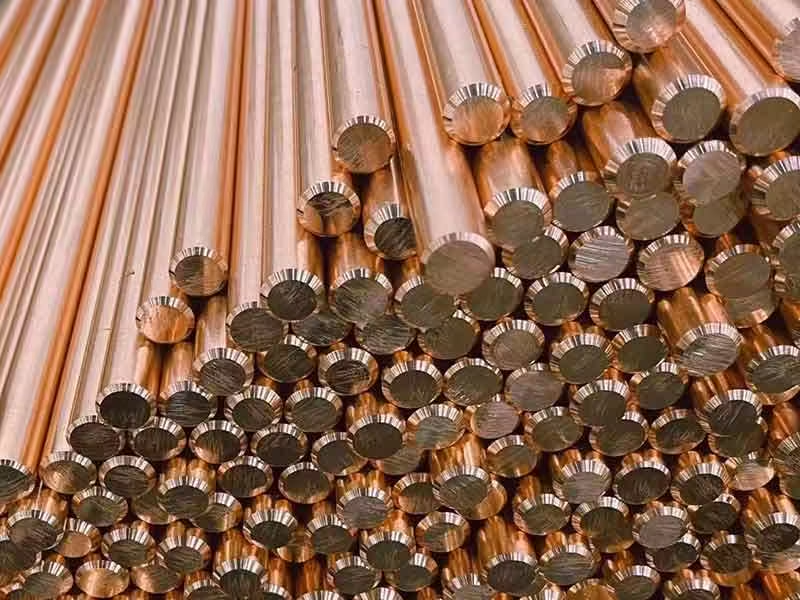
Loại sản phẩm này là một dây dẫn hình trụ rắn được sản xuất từ đồng có độ tinh khiết cao. nó thường được áp dụng ở nơi cần truyền tải dòng điện ổn định, độ bền cơ học và khả năng chống ăn mòn.
Do đặc tính điện tự nhiên của đồng, các dây dẫn này hoạt động đáng tin cậy trong cả môi trường trong nhà và ngoài trời. chúng thường được chỉ định để lắp đặt nối đất, thiết bị điện và hệ thống điện công nghiệp nơi an toàn và nhất quán là rất quan trọng.
Ưu điểm chính bao gồm độ dẫn tuyệt vời, ổn định cấu trúc và hiệu suất lâu dài trong các điều kiện đòi hỏi khắt khe.
Các ứng dụng phổ biến của dây dẫn làm bằng đồng
Dây dẫn đồng được sử dụng rộng rãi trong nhiều ngành công nghiệp do tính linh hoạt và độ tin cậy của chúng.
Trong hệ thống truyền tải điện và điện, chúng hỗ trợ dòng chảy hiệu quả và vận hành hệ thống ổn định. trong việc lắp đặt nối đất và nối đất, chúng giúp phân tán năng lượng điện vào mặt đất một cách an toàn, giảm rủi ro cho thiết bị và nhân s.
Chúng cũng được sử dụng rộng rãi trong các cơ sở công nghiệp, trạm biến áp, dự án năng lượng tái tạo và trung tâm dữ liệu, nơi việc tuân thủ các tiêu chuẩn an toàn và tuổi thọ dài là điều cần thiết.
Các Loại Sản Phẩm Dẫn Điện Đồng
Các dự án khác nhau đòi hỏi cấu trúc vật liệu và mức hiệu suất khác nhau.
Dây dẫn đồng rắn được sản xuất hoàn toàn từ đồng tinh chế và cung cấp hiệu suất điện tuyệt vời và chống ăn mòn.Chúng thường được lựa chọn cho các ứng dụng điện và nối đất dài hạn.
Các phiên bản liên kết đồng kết hợp lõi thép với lớp đồng bên ngoài, cung cấp độ bền cơ học nâng cao trong khi vẫn duy trì độ dẫn điện chấp nhận được.Những thường được sử dụng nơi độ bền và hiệu quả chi phí đều quan trọng.
Các tùy chọn không có oxy được sản xuất với hàm lượng oxy cực thấp, dẫn đến độ dẫn điện và độ ổn định được cải thiện.Chúng thường được sử dụng trong môi trường điện và công nghiệp có độ chính xác cao.
Kích thước, Thông số kỹ thuật và Tiêu chuẩn áp dụng
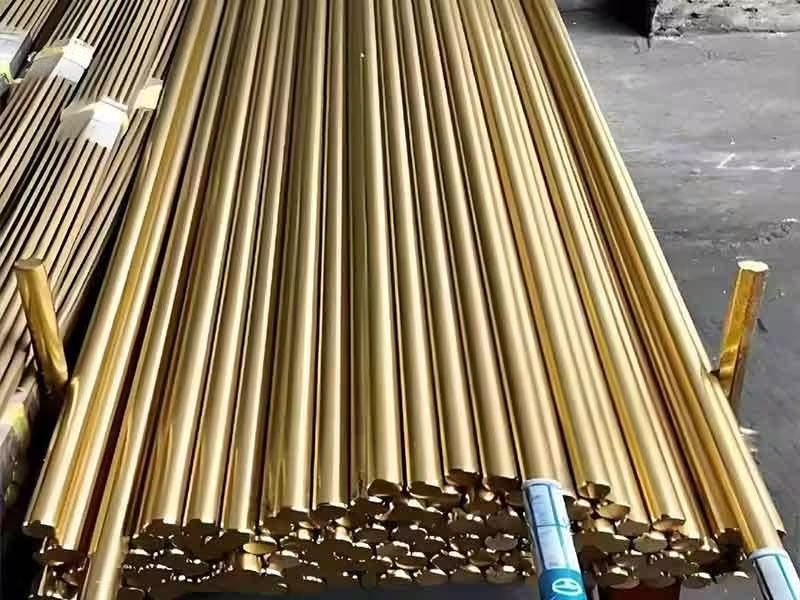
Dây dẫn đồng có sẵn trong một loạt các đường kính và chiều dài để phù hợp với các yêu cầu kỹ thuật khác nhau. lựa chọn các đặc điểm kỹ thuật chính xác đảm bảo hiệu suất hệ thống thích hợp và tuân thủ quy định.
Bảng dưới đây thể hiện các thông số kỹ thuật tham khảo điển hình:
| Mục | Phạm vi phổ biến |
|---|---|
| Đường kính | 6 mm – 25 mm |
| Chiều dài | 2 m, 3 m, hoặc tùy chỉnh |
| Độ tinh khiết vật liệu | ≥99,9% |
| Sự tuân thủ | ASTM, IEC, EN |
| Sử dụng điển hình | Hệ thống điện và nối đất |
Các tiêu chuẩn quốc tế xác định các tiêu chuẩn hiệu suất như độ dẫn điện, độ bền cơ học và dung sai kích thước.Làm việc với nhà sản xuất tuân theo các tiêu chuẩn này giúp giảm rủi ro dự án.
Quy trình sản xuất và kiểm soát chất lượng
Hiệu suất sản phẩm được liên kết chặt chẽ với cách sản xuất.Là nhà sản xuất trực tiếp, chúng tôi quản lý từng giai đoạn để đảm bảo tính nhất quán và độ tin cậy.
Sản xuất bắt đầu với việc lựa chọn nguyên liệu thô nghiêm ngặt để đảm bảo độ tinh khiết và độ dẫn điện. quá trình đúc và cán liên tục sau đó được sử dụng để tạo thành dây dẫn hình trụ đồng nhất với kích thước được kiểm soát.
Trong suốt quá trình sản xuất, kiểm tra và thử nghiệm được thực hiện để xác minh chất lượng bề mặt, hiệu suất điện và độ chính xác kích thước. cách tiếp cận này đảm bảo rằng mọi lô hàng đều đáp ứng mong đợi quốc t.
Cách chọn vật liệu dẫn điện chất lượng cao
Khi lựa chọn vật liệu dẫn điện để sử dụng điện hoặc nối đất, độ dẫn điện và độ tinh khiết nên được đánh giá trước tiên.Những yếu tố này ảnh hưởng trực tiếp đến hiệu quả và an toàn của hệ thống.
Sức mạnh cơ học và khả năng chống tiếp xúc với môi trường cũng rất quan trọng, đặc biệt là đối với các công trình lắp đặt ngoài trời hoặc công nghiệp. việc tuân thủ các tiêu chuẩn được công nhận cung cấp sự đảm bảo bổ sung về độ tin cậy lâu dài.
Một nhà sản xuất có kinh nghiệm có thể giúp đánh giá các yếu tố này và đề xuất các thông số kỹ thuật phù hợp cho các ứng dụng khác nhau.
So sánh với các vật liệu dẫn điện khác
Dây dẫn dựa trên đồng thường được đánh giá dựa trên các vật liệu thay thế trong quá trình lựa chọn.
So với các sản phẩm đồng phẳng, dây dẫn hình trụ phù hợp hơn cho các ứng dụng nối đất và kết cấu. khi so sánh với các lựa chọn thay thế dựa trên nhôm, đồng cung cấp độ dẫn điện và chống ăn mòn tốt hơn đáng kể, làm cho nó trở thành một lựa chọn ưa thích cho các hệ thống điện quan trọng.
Ưu điểm của việc làm việc trực tiếp với a Nhà sản xuất
Tìm nguồn cung ứng trực tiếp từ một cơ sở sản xuất cung cấp lợi thế rõ ràng. chúng bao gồm chất lượng sản phẩm phù hợp, khả năng cung cấp ổn định và khả năng tùy chỉnh thông số kỹ thuật theo yêu cầu của dự án.
Hợp tác trực tiếp cũng cải thiện giao tiếp, hỗ trợ kỹ thuật và lập kế hoạch giao hàng.Đối với người mua ở nước ngoài, các nhà sản xuất có kinh nghiệm có thể cung cấp bao bì sẵn sàng xuất khẩu và phối hợp hậu cần.
Các yếu tố giá cả và cân nhắc cung cấp số lượng lớn
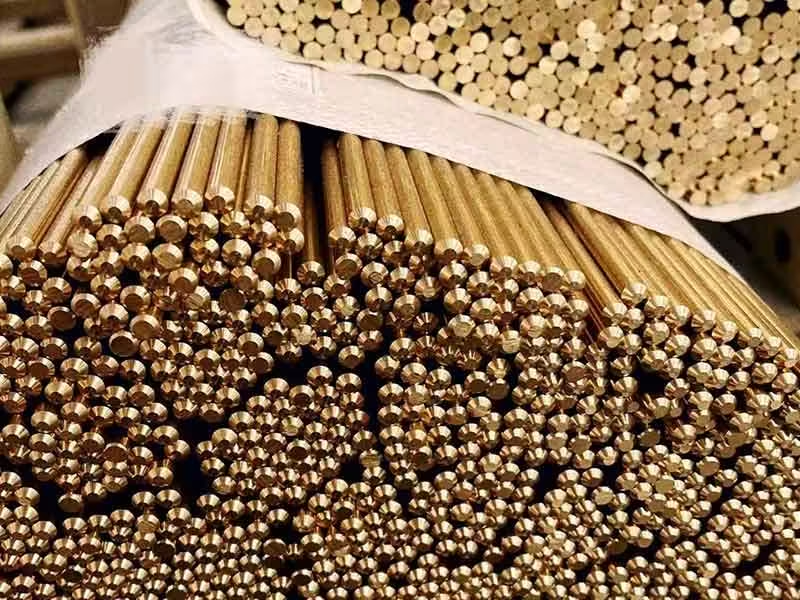
Thanh đồng được sử dụng rộng rãi trong các hệ thống nối đất và nối đất do tính dẫn điện tuyệt vời và khả năng chống ăn mòn.Chúng giúp phân tán dòng điện sự cố một cách an toàn và bảo vệ hệ thống điện khỏi bị hư hại.
Trong các trạm biến áp và nhà máy điện, thanh đồng cung cấp hiệu suất nối đất lâu dài và đáp ứng các yêu cầu an toàn nghiêm ngặt. lựa chọn và lắp đặt phù hợp đảm bảo hoạt động ổn định trong nhiều năm.
Vai trò trong hệ thống nối đất và nối đất
Những dây dẫn đồng này được sử dụng rộng rãi trong các hệ thống nối đất vì hiệu suất điện ổn định và khả năng chống ăn mòn.Chúng giúp tiêu tán dòng điện sự cố một cách an toàn và bảo vệ lắp đặt điện.
Trong các trạm biến áp, nhà máy điện và cơ sở hạ tầng quy mô lớn, việc lựa chọn vật liệu phù hợp góp phần đảm bảo an toàn hệ thống và độ tin cậy vận hành lâu dài.
Cách chọn nhà cung cấp thanh đồng phù hợp cho dự án của bạn
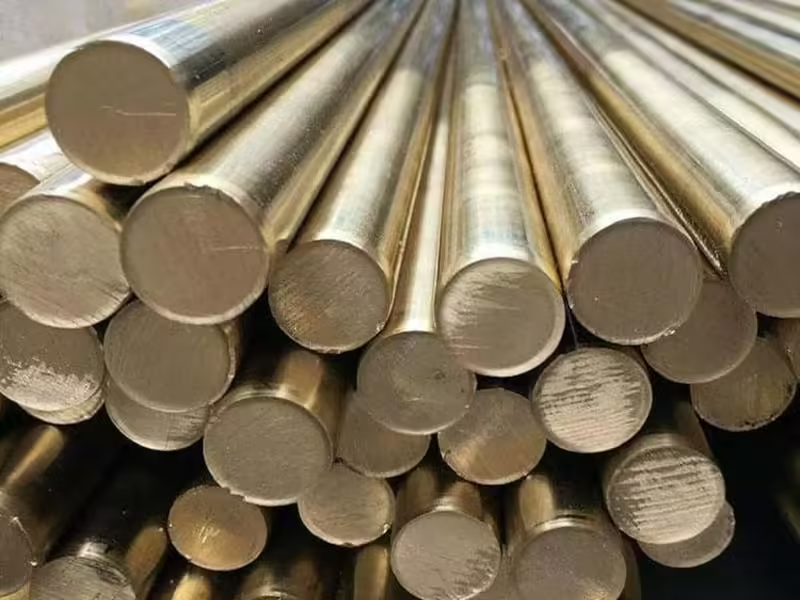
Chọn đúng nhà cung cấp cũng quan trọng như chọn đúng sản phẩm. một nhà cung cấp đáng tin cậy nên có khả năng sản xuất mạnh mẽ, các chứng chỉ liên quan và kinh nghiệm trong các dự án quốc t.
Hỗ trợ kỹ thuật, tùy chọn tùy chỉnh và dịch vụ sau bán hàng cũng là những yếu tố quan trọng. một nhà sản xuất thanh đồng có kinh nghiệm có thể hỗ trợ dự án của bạn từ lựa chọn đặc điểm kỹ thuật đến giao hàng cuối cùng.
Những câu hỏi thường gặp
Cái gì là một thanh đồng thường dùng cho?
Nó chủ yếu được sử dụng trong các hệ thống điện, lắp đặt nối đất và các ứng dụng công nghiệp đòi hỏi độ dẫn điện ổn định và độ bền lâu dài.
Có sự khác biệt giữa “đồng que” và “đồng que”?
Cả hai thuật ngữ đều đề cập đến cùng một sản phẩm. “Copper rod” là thuật ngữ kỹ thuật tiêu chuẩn, trong khi “rod copper” đôi khi được sử dụng trong các truy vấn tìm kiếm.
Làm cách nào để chọn kích thước phù hợp cho ứng dụng của tôi?
Lựa chọn phụ thuộc vào yêu cầu hiện tại, môi trường lắp đặt, và các tiêu chuẩn áp dụng. tư vấn với nhà sản xuất giúp đảm bảo kích thước phù hợp.
Sản phẩm này tồn tại bao lâu trong hệ thống nối đất?
Với chất lượng vật liệu và lắp đặt phù hợp, tuổi thọ có thể kéo dài trong nhiều thập kỷ, ngay cả trong môi trường ngoài trời.
Thông số kỹ thuật có thể được tùy chỉnh cho đơn đặt hàng số lượng lớn
Có. các nhà sản xuất có thể cung cấp tùy chỉnh đường kính, chiều dài, và thông số kỹ thuật để phù hợp với yêu cầu cụ thể của.
Phần kết luận
Thanh đồng đóng một vai trò quan trọng trong các ứng dụng điện, nối đất và công nghiệp.Hiểu loại, thông số kỹ thuật, quy trình sản xuất và tiêu chí lựa chọn của chúng giúp đảm bảo hiệu suất hệ thống an toàn và đáng tin cậy.
Là nhà sản xuất thanh đồng chuyên nghiệp, chúng tôi cam kết cung cấp các sản phẩm chất lượng cao đáp ứng các tiêu chuẩn quốc tế và hỗ trợ thành công của dự án lâu dài.Nếu bạn đang tìm kiếm một nhà cung cấp đáng tin cậy cho các đơn đặt hàng số lượng lớn, thông số kỹ thuật tùy chỉnh, hoặc tư vấn kỹ thuật, hãy liên hệ với chúng tôi. đội ngũ của chúng tôi sẵn sàng hỗ trợ dự án của bạn với nguồn cung ổn định, giá cả cạnh tranh, và kinh nghiệm sản xuất chuyên gia.
Cần giúp đỡ Chọn thanh đồng phù hợp?
Nếu bạn không chắc chắn đặc điểm kỹ thuật hoặc loại nào là tốt nhất cho ứng dụng điện hoặc nối đất của bạn, các chuyên gia của chúng tôi luôn sẵn sàng trợ giúp. liên hệ với chúng tôi ngay hôm nay để được tư vấn cá nhân và hỗ trợ sản xuất đáng tin cậy. từ cung cấp số lượng lớn đến các giải pháp tùy chỉnh, chúng tôi đảm bảo chất lượng phù hợp và tuân thủ các tiêu chuẩn quốc tế. Don't trì hoãn hãy liên hệ ngay bây giờ và đảm bảo giải pháp đáng tin cậy cho dự án của bạn.
 Vietnamese
  English
  Korean
  Arabic