
جدول المحتويات
تُعدّ ألواح الطرق الفولاذية حلولاً أساسية للوصول المؤقت، وتوزيع الأحمال، وحماية الأسطح في مشاريع البناء والبنية التحتية. بصفتي متخصصًا مصنع ألواح الطرق الفولاذية, نحن نوفر ألواحًا شديدة التحمل مصممة لدعم المركبات والمعدات وحركة المشاة بأمان وكفاءة.
يشرح هذا الدليل كل ما تحتاج لمعرفته حول ألواح الطرق الفولاذية - من التطبيقات والمواصفات إلى عوامل التسعير وكيفية اختيار المورد المناسب لمشروعك.
ما هي ألواح الطرق الفولاذية?
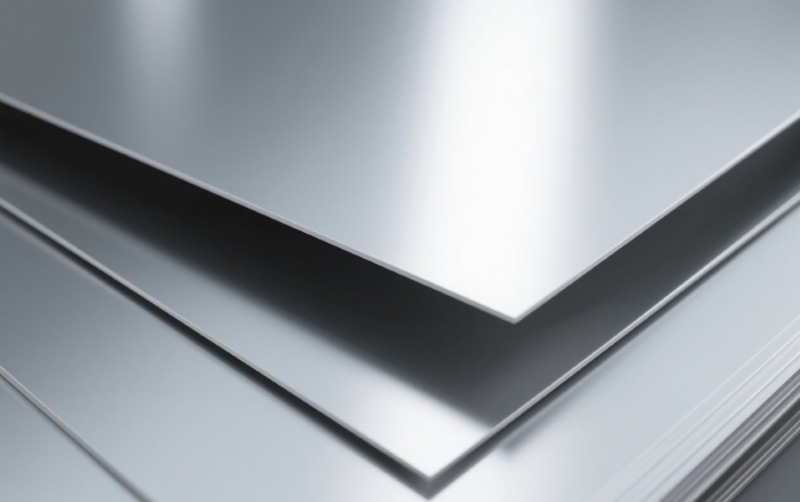
ألواح الطرق الفولاذية عبارة عن ألواح فولاذية مسطحة تُستخدم لإنشاء طرق مؤقتة أو ممرات وصول آمنة فوق الأراضي الرخوة أو الحفريات أو الأسطح غير المستوية. وهي شائعة الاستخدام في مواقع البناء للسماح بمرور المركبات والمعدات الثقيلة دون إلحاق الضرر بالأرض أو المرافق تحت الأرض.
بخلاف ألواح الخنادق، المصممة أساسًا لتغطية الحفريات الضيقة، فإن ألواح الطرق مصممة لـ توزيع أوسع للأحمال, مما يجعلها مثالية للطرق المؤقتة، وطرق الوصول إلى المواقع، والمناطق ذات الحركة المرورية الكثيفة.
الاستخدامات الشائعة لألواح الطرق الفولاذية
تُستخدم ألواح الطرق الفولاذية على نطاق واسع في العديد من الصناعات نظرًا لقوتها وتعدد استخداماتها.
مشاريع البناء والبنية التحتية
فهي توفر وصولاً مستقراً لمركبات البناء، وتحمي أسطح الطرق الحالية، وتدعم تدفق حركة المرور المؤقتة أثناء إصلاح الطرق أو بناء الجسور.
إنشاء المرافق وخطوط الأنابيب
تسمح ألواح الطرق الفولاذية للمركبات بعبور الخنادق بأمان مع حماية خطوط الأنابيب والكابلات وأنظمة الصرف الصحي تحت الأرض.
إمكانية وصول المعدات الثقيلة والمركبات
صُممت ألواح الطرق الفولاذية لتحمل الأحمال العالية، فهي تدعم الشاحنات والرافعات والرافعات الشوكية وغيرها من الآلات الثقيلة، حتى على الأراضي الرخوة أو غير المستوية.
الفوائد الرئيسية لاستخدام الألواح الفولاذية لتسهيل الوصول إلى الموقع
يفضل المقاولون استخدام ألواح الوصول الفولاذية لعدة أسباب:
- أداء ممتاز في تحمل الأحمال
- عمر خدمة طويل في ظل الاستخدام المتكرر
- إمكانية إعادة الاستخدام في مشاريع متعددة
- دعم مستقر لحركة مرور المركبات المتكررة
- أداء موثوق به في البيئات القاسية
هذه المزايا تجعل الحلول القائمة على الفولاذ خيارًا عمليًا للتطبيقات طويلة الأمد والشديدة التحمل.
مقارنة الألواح الفولاذية بحلول الوصول الأخرى
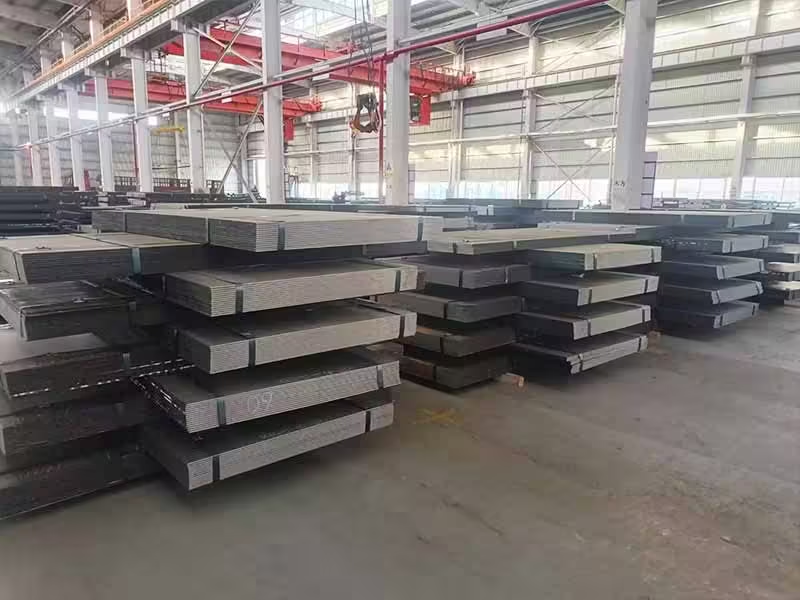
ألواح فولاذية مقابل ألواح ألومنيوم
تتميز ألواح الألمنيوم بخفة وزنها وسهولة التعامل معها، لكنها عموماً أنسب للاستخدامات الخفيفة. أما ألواح الصلب فتتميز بقوة أكبر، وهي الخيار المفضل للآلات الثقيلة والمناطق ذات الحركة المرورية الكثيفة.
الصفائح الفولاذية مقابل الصفائح المركبة
تتميز المواد المركبة بمقاومتها للتآكل وخفة وزنها، إلا أنها قد تفتقر إلى الصلابة اللازمة لمشاريع البناء الصعبة. أما الفولاذ فيوفر موثوقية هيكلية فائقة على المدى الطويل.
خيارات الحجم والسماكة
تتوفر ألواح الوصول بأبعاد وسماكات متنوعة لتناسب ظروف المواقع المختلفة. تُستخدم الأحجام القياسية بشكل شائع، بينما يتطلب الأمر في كثير من الأحيان تصنيعًا حسب الطلب لتلبية متطلبات الأحمال أو الامتدادات الفريدة.
مرجع الحجم النموذجي
| أبعاد اللوحة | نطاق السُمك | حالات الاستخدام الشائعة |
|---|---|---|
| 2000 × 1000 مم | 12-20 ملم | إمكانية دخول المركبات الخفيفة |
| 3000 × 1500 مم | 16-25 ملم | البناء العام |
| 4000 × 2000 مم | 20-30 ملم | المعدات الثقيلة |
| خيارات مخصصة | 12-40 ملم | مشاريع متخصصة |
بصفتنا موردًا للمصنع، فإننا نقدم حلولًا قياسية ومخصصة بناءً على احتياجات المشروع.
قدرة التحميل وعوامل الأمان
يعتمد أداء التحميل على عدة متغيرات، بما في ذلك نوع المادة، وسماكة الصفيحة، ومسافة الامتداد، وظروف الأرض. ويُعد التقييم السليم ضروريًا لضمان التشغيل الآمن.
غالباً ما يُنصح باستخدام معالجات الأسطح المضادة للانزلاق، خاصة في البيئات الرطبة أو الموحلة، لتحسين السلامة في الموقع.
كيفية اختيار الألواح المناسبة لمشروعك
عند اختيار لوحات الوصول، ينبغي على مديري المشاريع مراعاة ما يلي:
- الوزن المتوقع للمركبة والمعدات
- وتيرة حركة المرور ومدة الاستخدام
- استقرار الأرض وظروف الموقع
- سواء كانت الأبعاد المطلوبة قياسية أو مخصصة
يتيح العمل مباشرة مع الشركة المصنعة الحصول على إرشادات فنية واختيار المنتجات بشكل أكثر دقة.
جودة التصنيع وعملية الإنتاج
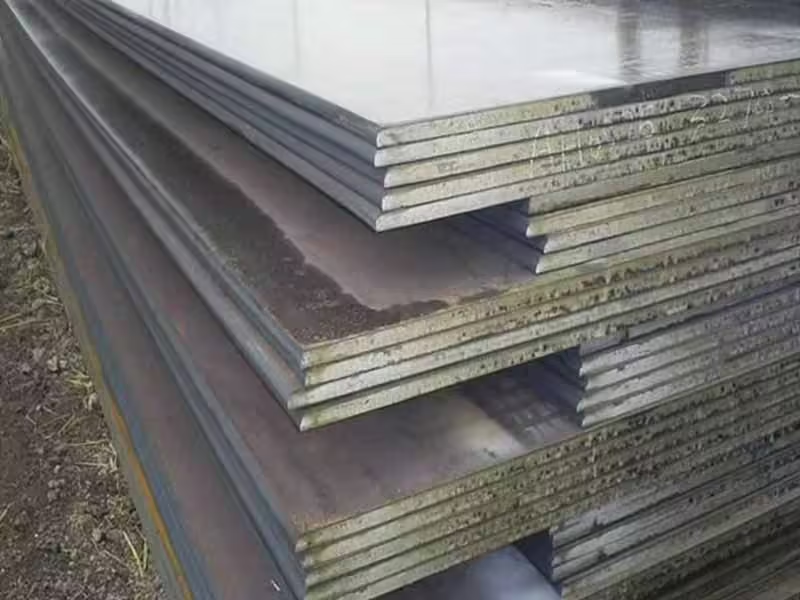
تبدأ الجودة باستخدام مواد خام معتمدة وتصنيع دقيق. تشمل عملية الإنتاج لدينا القطع واللحام والتشطيب السطحي وعمليات فحص صارمة لضمان دقة الأبعاد وسلامة الهيكل.
تساهم معايير التصنيع المتسقة في ضمان الأداء الموثوق به وعمر خدمة أطول في التطبيقات العملية.
عوامل التكلفة واعتبارات التسعير
تختلف الأسعار بناءً على الحجم والسماكة ونوع المادة وحجم الطلب. كما أن المواصفات المخصصة ومعالجات الأسطح قد تؤثر على التكلفة.
بالنسبة للمقاولين ذوي الاحتياجات المتكررة، غالباً ما يوفر الشراء مباشرة من المصنع قيمة أفضل على المدى الطويل مقارنة بخيارات التأجير قصيرة الأجل.
مزايا الشراء مباشرة من الشركة المصنعة
يوفر الشراء مباشرة من المنتج فوائد واضحة:
- أسعار أكثر تنافسية
- إمكانية التصنيع حسب الطلب
- مراقبة جودة مستقرة
- جداول زمنية أسرع للإنتاج
- دعم فني احترافي
وتُعد هذه المزايا ذات أهمية خاصة للمشاريع واسعة النطاق أو طويلة الأجل.
التركيب والتعامل والصيانة
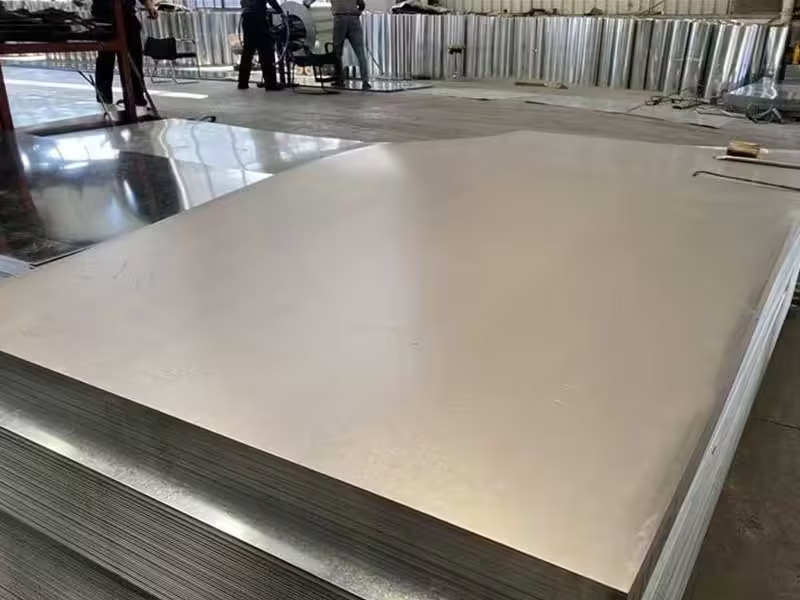
يساعد الوضع الصحيح على ضمان توزيع متساوٍ للحمل ويقلل من الحركة أثناء الاستخدام. ونظرًا لوزن الصفائح الفولاذية، يجب دائمًا استخدام معدات الرفع المناسبة.
يمكن للفحص الروتيني والصيانة الأساسية أن يطيلا بشكل كبير من عمر الخدمة ويحافظا على الأداء عبر مشاريع متعددة.
الخلاصة: حل موثوق لتلبية احتياجات الوصول المؤقت
لا تزال ألواح الوصول المصنوعة من الفولاذ حلاً موثوقاً به لمشاريع البناء والبنية التحتية والمرافق التي تتطلب أسطحاً مؤقتة آمنة ومتينة. ومن خلال فهم متطلبات التطبيق، واعتبارات الأحمال، وجودة التصنيع، يستطيع المشترون اتخاذ قرارات مدروسة.
يضمن التعاون مع شركة تصنيع ذات خبرة إمدادًا موثوقًا به، وحلولًا مصممة خصيصًا، وأداءً ثابتًا للمنتج. إذا كنت تخطط لمشروع وتحتاج إلى حل موثوق به لألواح الوصول،, تواصل معنا لمناقشة المواصفات والأسعار والخيارات المخصصة.
الأسئلة الشائعة
ماذا؟ لوحة طريق فولاذية ما الغرض من استخدامه؟
تُستخدم هذه الطرق بشكل شائع لإنشاء طرق وصول مؤقتة في مواقع البناء، مما يسمح للمركبات والمعدات بعبور الأرض غير المستوية أو التربة الرخوة أو الحفريات بأمان.
ما هو سمك ألواح الطرق المناسب للمعدات الثقيلة؟
يعتمد سمك الألواح على وزن المركبة، ومسافة الامتداد، وظروف الأرض. تتطلب الآلات الثقيلة عادةً ألواحًا أكثر سمكًا لضمان توزيع الأحمال بشكل صحيح والسلامة.
هل يمكن إعادة استخدام ألواح الوصول الفولاذية في مشاريع متعددة؟
نعم. تم تصميم ألواح الصلب عالية الجودة للاستخدام المتكرر ويمكن إعادة استخدامها في مشاريع بناء أو بنية تحتية متعددة مع التعامل والصيانة المناسبين.
هل من الأفضل شراء لوحات الطرق مباشرة من الشركة المصنعة؟
غالباً ما يوفر الشراء مباشرة من الشركة المصنعة أسعاراً أفضل وجودة ثابتة وإمكانية تخصيص الحجم والمواصفات بناءً على احتياجات المشروع.
هل يمكن تخصيص ألواح الطرق لتلبية متطلبات موقع محدد؟
نعم. يمكن للمصنعين إنتاج أبعاد وسماكات ومعالجات سطحية مخصصة لتلبية متطلبات محددة تتعلق بالحمل والسلامة والبيئة.
هل تحتاج إلى مساعدة في اختيار ألواح الطرق الفولاذية المناسبة؟
إذا كنتَ غير متأكد من ألواح الطرق الفولاذية الأنسب لمشروعك الإنشائي، فإن خبراءنا على أتم الاستعداد لمساعدتك. بصفتنا شركة مصنعة مباشرة، نقدم لك إرشادات احترافية، وحلولاً مصممة خصيصاً لتلبية احتياجاتك، وأسعاراً تنافسية مباشرة من المصنع. تواصل معنا اليوم للحصول على استشارة شخصية، واحصل على حلول وصول موثوقة وعالية التحمل يمكنك الاعتماد عليها. لا تؤجل مشروعك، تواصل معنا الآن واحصل على ألواح الطرق المناسبة لموقعك!
 Arabic
  English
  Korean
  Vietnamese