

جدول المحتويات
Steel base plates play a critical role in modern construction and industrial projects. They are essential components used to transfer loads, secure structural elements, and ensure long-term stability. As a professional steel base plate manufacturer, we understand that buyers not only want reliable products but also clear guidance on design, materials, applications, and customization options.
This guide explains everything you need to know about steel base plates—from basic concepts to manufacturing and supplier selection—helping engineers, contractors, and project owners make informed decisions.
ما هو Steel Base Plate and Why It Matters
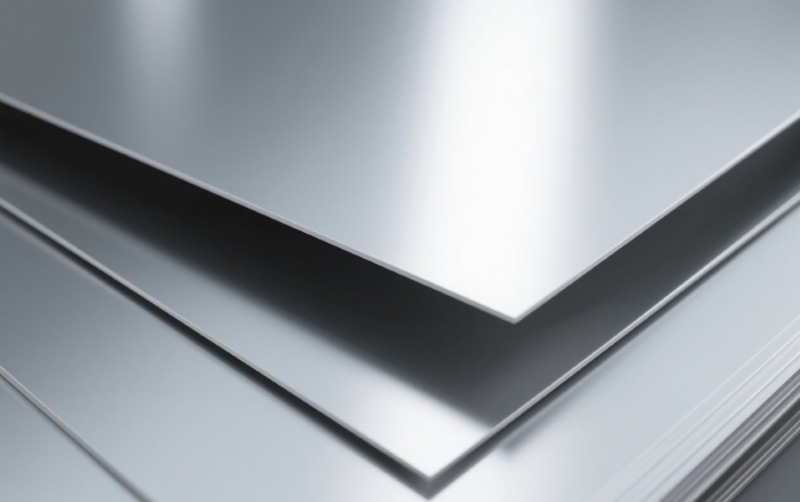
A steel base plate is a flat steel component installed between a structural element—such as a steel column or industrial machine—and its concrete foundation. Its main function is to distribute loads evenly, provide anchorage, and improve structural stability.
High-quality steel base plates are essential for:
- Load transfer from columns or equipment to foundations
- Structural alignment and leveling
- Long-term safety and durability
Poorly designed or fabricated base plates can lead to uneven stress, cracking, or premature failure, making proper selection and manufacturing extremely important.
التطبيقات الشائعة لـ Steel Base Plates
Steel base plates are widely used across multiple industries and construction scenarios.
Steel Base Plates for Structural Columns
In steel structures, base plates connect columns to concrete foundations. They help distribute compressive forces and resist lateral loads caused by wind or seismic activity.
Steel Base Plates for Industrial Equipment
Heavy machinery often requires steel base plates to ensure proper alignment, reduce vibration, and provide secure anchoring during operation.
Steel Base Plates for Infrastructure Projects
Bridges, power plants, warehouses, and large industrial buildings rely on heavy-duty steel base plates for long-term performance under demanding conditions.
Materials and Grades Used in Base Plate Manufacturing
Material selection depends on load requirements, environment, and service life expectations. Common choices include:
- Carbon steel for general structural use
- Alloy steel for higher strength demands
- Galvanized materials for corrosion resistance in outdoor or humid environments
All products are typically produced according to recognized international standards to ensure consistency and reliability.
Thickness Selection and Load Performance
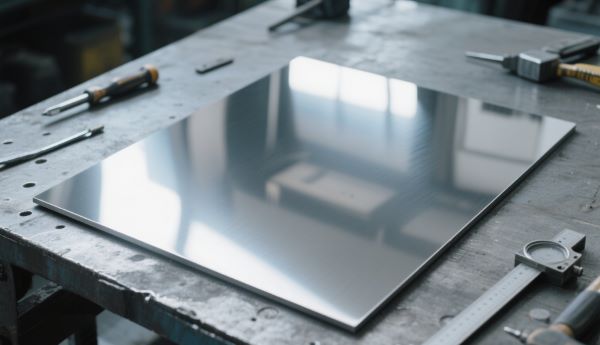
Thickness plays a major role in structural behavior. Plates that are too thin may bend under load, while excessive thickness increases cost without added benefit.
Key influencing factors include:
- Column or equipment weight
- Static and dynamic loading conditions
- Required safety margins
Typical Thickness Reference
| Application Scenario | Common Thickness Range | Load Condition |
|---|---|---|
| Light structures | 10–20 mm | Low load |
| Industrial columns | 20–40 mm | Medium to high |
| Heavy equipment & infrastructure | 40 mm and above | High / dynamic |
Final dimensions should always be verified by structural calculations.
Design Principles and Engineering Standards
Proper design ensures safe load transfer and compliance with project specifications. Important considerations include:
- Plate dimensions and flatness
- Hole placement accuracy
- Compatibility with anchor bolt systems
Designs generally follow ASTM, ISO, or other applicable structural standards, depending on the project location.
Anchor Bolts, Holes, and Installation Considerations
Anchor bolts secure the plate to the concrete foundation and are critical for structural integrity.
Bolt Layout and Hole Accuracy
Bolt spacing, diameter, and positioning must align with engineering drawings to ensure efficient installation.
On-Site Installation
Leveling, grouting, and alignment are key steps that benefit greatly from precise fabrication and consistent tolerances.
Manufacturing Process and Quality Control
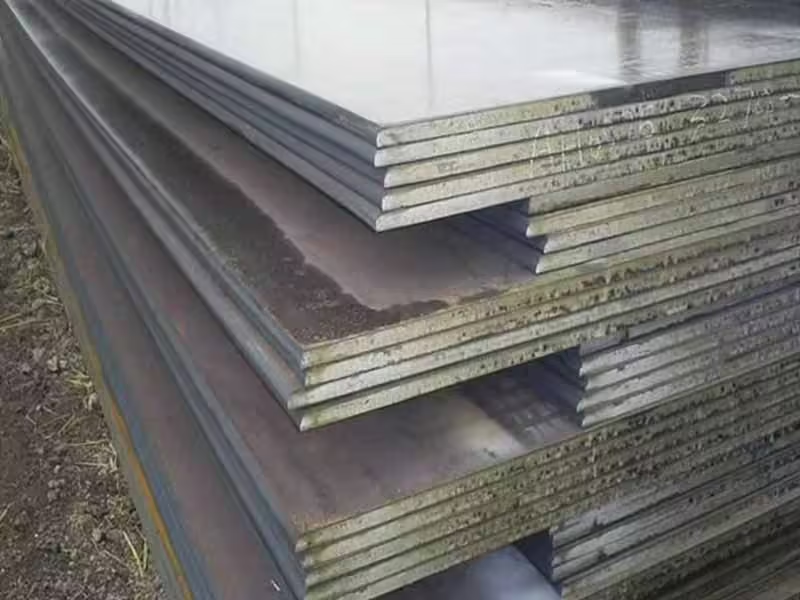
As a manufacturer, we manage the entire production process to ensure dimensional accuracy and consistent quality.
Fabrication Steps
- CNC or laser cutting
- Precision drilling
- Certified welding when required
معالجة السطح
- الجلفنة بالغمس الساخن
- Protective coatings for corrosion resistance
Each production stage is inspected to meet technical and project requirements.
Custom Fabrication Capabilities
Many projects require non-standard solutions. Custom fabrication allows:
- Flexible sizes and thicknesses
- Project-specific hole patterns
- Production based on drawings or samples
This approach ensures compatibility with unique structural or equipment requirements.
How to Select a Reliable Manufacturer
When sourcing foundation plates, buyers should consider:
- Production capacity and in-house equipment
- Quality inspection procedures
- Experience with international and large-scale projects
- Ability to support customization and stable delivery schedules
A dependable supplier reduces installation risk and long-term maintenance costs.
Why Work with Our Manufacturing Team
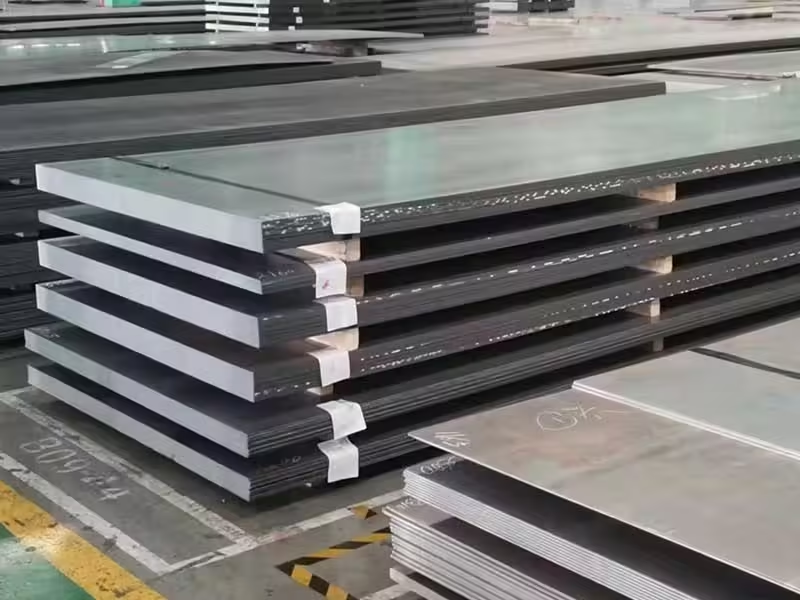
We provide:
- Integrated cutting, drilling, welding, and finishing
- Strict quality checks throughout production
- Custom solutions for construction and industrial applications
- Competitive pricing with consistent lead times
Our products are supplied worldwide and trusted in demanding environments.
خاتمة
Base plates are critical components that influence structural safety, alignment, and durability. Proper material selection, thickness design, and precise fabrication are essential for reliable performance. Choosing an experienced manufacturer ensures that every component meets engineering requirements and project expectations.
If you are looking for dependable structural plate solutions—standard or custom—our team is ready to support your project.
Contact us today to discuss your requirements and receive a professional quotation.
الأسئلة الشائعة
What is the main purpose of a صفيحة قاعدة فولاذية?
A steel base plate is used to transfer loads from structural columns or equipment to a concrete foundation, ensuring stability, proper alignment, and long-term structural performance.
How do I choose the right thickness for a base plate?
Thickness depends on load requirements, safety factors, and application conditions. Engineering calculations or structural drawings are typically used to determine the appropriate size.
What materials are commonly used for base plate fabrication?
Most plates are made from carbon steel or alloy steel. For outdoor or corrosive environments, galvanized material or protective coatings are commonly applied.
Can base plates be customized for specific projects?
Yes. Dimensions, thickness, hole patterns, and surface treatments can all be customized based on drawings or project requirements.
What should I consider when selecting a base plate manufacturer?
Key factors include fabrication capability, quality control processes, experience with similar projects, and the ability to provide consistent lead times and technical support.
Need Help Choosing the Right Steel Base Plate?
If you’re unsure which base plate is best for your structural or industrial project, our experts are here to help. As an experienced manufacturer, we provide professional guidance, custom fabrication, and reliable quality control to meet your exact requirements. Contact us today for a personalized consultation and ensure your project is supported by durable, precision-made solutions. Don’t risk delays or performance issues—get in touch now to request a quote and expert support!
 Arabic
  English
  Korean
  Vietnamese