
في البناء الحديث، يمكن أن يؤدي اختيار المواد المناسبة إلى إحداث فرق بين الهيكل الذي يستمر لعقود من الزمن والهيكل الذي يتطلب إصلاحات متكررة. تعد العوارض H وقضبان التسليح من أهم المكونات الأساسية في الهندسة الإنشائية، حيث توفر القوة والمرونة والسلامة للمباني والجسور والمرافق الصناعية. تستكشف هذه المقالة خصائصها ومبادئ التصميم والتطبيقات العملية واعتبارات الصيانة لتوجيه المهندسين والمهندسين المعماريين والمقاولين.
جدول المحتويات
فهم الحزم H
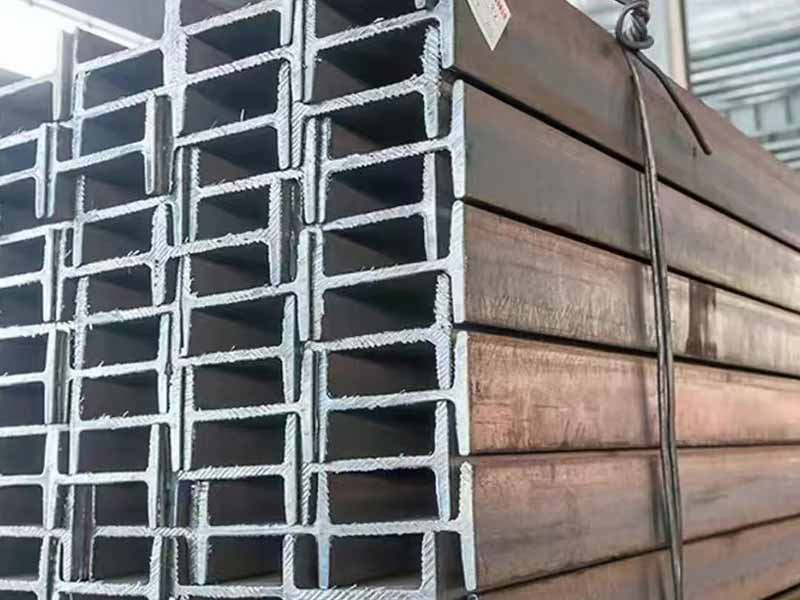
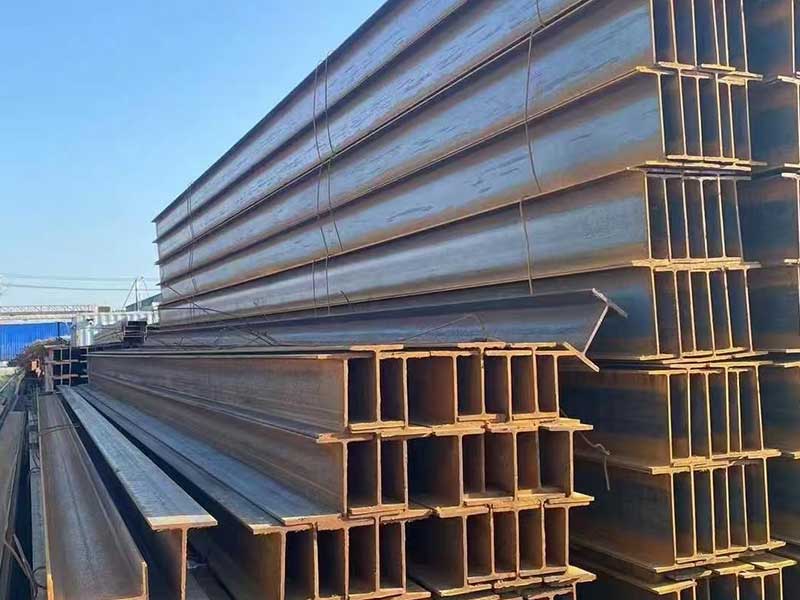
تمت تسمية الحزم H، والتي تسمى أيضًا الحزم ذات الحافة العريضة، على اسم المقطع العرضي على شكل “H”. وهي مصممة لحمل الأحمال الرأسية والأفقية بكفاءة، مما يوفر مقاومة عالية للانحناء والالتواء. بالمقارنة مع الحزم I أو القنوات C، توفر الحزم H شفة أوسع تسمح بتوزيع أفضل للحمل وتقليل الانحراف تحت الأحمال الثقيلة.
مزايا عوارض H
- كفاءة هيكلية عالية ونسبة القوة إلى الوزن
- تعدد الاستخدامات لمختلف الامتدادات وظروف التحميل
- سهولة الاتصال بالعناصر الهيكلية الأخرى
- القدرة على التكيف مع المباني الشاهقة والجسور والأطر الصناعية
التطبيقات الشائعة للحزم H
تُستخدم العوارض H على نطاق واسع في المباني الشاهقة للأعمدة ودعم الأرضيات، وفي الجسور كعوارض أساسية، وفي المنشآت الصناعية لدعم الرافعات والآلات، وفي المستودعات للسماح بمساحات مفتوحة كبيرة مع الحد الأدنى من الأعمدة. غالبًا ما يجمع المهندسون بين أحجام العوارض المختلفة لتحسين استخدام المواد وفعالية التكلفة.
فهم حديد التسليح
تعمل حديد التسليح، أو قضبان حديد التسليح، على تقوية الخرسانة من خلال توفير دعم الشد. الخرسانة وحدها تقاوم الضغط بشكل جيد ولكنها ضعيفة تحت التوتر؛ يعوض حديد التسليح ذلك، مما يضمن المتانة الهيكلية والتحكم في التشقق.
مزايا حديد التسليح
- يعزز العوارض والأعمدة والألواح لتحمل قوى الشد
- يتحكم في الانكماش والتشقق الناجم عن الحمل
- يحسن الليونة الشاملة للهياكل الخرسانية
أنواع حديد التسليح
| مادة | قوة الخضوع (ميجا باسكال) | طلب | الميزة الرئيسية |
|---|---|---|---|
| HRB400 | 400 | الخرسانة المسلحة القياسية | تعزيز الشد |
| HRB500 | 500 | الهياكل عالية التحميل | تحسين القوة ومقاومة التعب |
| حديد التسليح المقاوم للصدأ | 500+ | المناطق الساحلية أو المسببة للتآكل | مقاومة التآكل |
| حديد التسليح المطلي بالإيبوكسي | 400500 | الجسور والهياكل البحرية | الحماية من التآكل |
تحليل تحمل الحمل للحزم H
تعتمد سعة تحميل الحزمة H على قوة المادة، وهندسة المقطع العرضي، وطول الامتداد، ونوع الحمل المطبق. يقوم المهندسون بحساب لحظات الانحناء وقوى القص والانحرافات باستخدام الصيغ الهيكلية أو برامج المحاكاة.
العوامل الرئيسية التي تؤثر على قدرة تحمل الحمولة
- لحظة الجمود: يحدد مقاومة الانحناء
- أبعاد الحافة والويب: الشفاه الأوسع تقلل من الانحراف
- قوة إنتاج المواد: الحد الأقصى للضغط المسموح به قبل التشوه
- توزيع المدى والحمل: التأثيرات تركيز الإجهاد
- الاعتبارات الديناميكية: تؤثر الرياح والنشاط الزلزالي والأحمال الحية على الأداء في العالم الحقيقي
دراسة حالة: ناطحة سحاب مكونة من 50 طابقًا
في مبنى مكون من 50 طابقًا، تم اختيار العوارض H للأعمدة الأساسية والعوارض الأرضية. محاكاة نمذجة العناصر المحدودة للأحمال الحية والرياح والقوى الزلزالية. قدمت العوارض دعمًا كافيًا مع تحسين استخدام الفولاذ، مما يقلل من استهلاك المواد بمقدار 12% مقارنة بعوارض I التقليدية.
تحليل تحمل الحمولة لحديد التسليح
يعمل حديد التسليح على تعزيز الهياكل الخرسانية تحت التوتر، مع تأثر الأداء بالقطر والتباعد ودرجة الخرسانة. يضمن التصميم المناسب توزيعًا متساويًا للحمل والتحكم في الشقوق والمتانة على المدى الطويل.
تطبيقات حديد التسليح
- الألواح والأساسات للأحمال الثقيلة
- العوارض والأعمدة لتعزيز الشد
- الجسور والجسور للأحمال المرورية الديناميكية
- الجدران والأنفاق الاستنادية لمقاومة ضغط التربة والمياه
دراسة حالة: بلاطة جسر الطريق السريع
يتطلب جسر الطريق السريع وجود حديد التسليح في ألواح للتعامل مع حركة مرور الشاحنات الثقيلة والتمدد الحراري. تم تركيب حديد التسليح HRB500 مع تباعد وتثبيت دقيقين، مما يضمن توزيعًا متساويًا للحمل، وتقليل التشقق، وإطالة عمر الخدمة.
الاستخدام المشترك للعوارض H وحديد التسليح
غالبًا ما تعمل العوارض H وقضبان التسليح معًا: توفر العوارض H الإطار الهيكلي بينما يعزز حديد التسليح الأرضيات والجدران والألواح الخرسانية. يعمل هذا المزيج على تحسين كفاءة المواد وتقليل الوزن الإجمالي وتعزيز السلامة الهيكلية.
| مكون | وظيفة | مادة | الدور الهيكلي |
|---|---|---|---|
| شعاع H | دعم الإطار | الصلب الهيكلي | الحاملة العمودية والأفقية |
| حديد التسليح | تعزيز الخرسانة | فولاذ HRB400/500 | قوة الشد والتحكم في الشقوق |
| خرسانة | دعم الضغط | مركب أسمنتي | ينقل الأحمال إلى الكمرات والأعمدة |
الصيانة وطول العمر
الصيانة المناسبة تضمن الأداء على المدى الطويل:
- فحص الحزم H للتآكل، وخاصة في المناطق المكشوفة
- ضمان غطاء خرساني مناسب لحديد التسليح لمنع الصدأ
- استخدم الطلاءات الواقية أو حديد التسليح الإيبوكسي/المقاوم للصدأ في البيئات العدوانية
- إجراء عمليات تفتيش منتظمة للجسور والمواقع الصناعية والهياكل الساحلية
اعتبارات متقدمة
التصميم الزلزالي
يمكن دمج الحزم H مع أنظمة التثبيت لتحسين مقاومة الزلازل، مما يساعد الهياكل على تحمل القوى الديناميكية.
مقاومة الحريق
تعمل الطلاءات المقاومة للحريق أو التغليف الخرساني على تحسين أداء الفولاذ في ظل درجات الحرارة المرتفعة، وهو أمر بالغ الأهمية في المباني الشاهقة أو المنشآت الصناعية.
التكيف مع الحمل الديناميكي
يجب أن تأخذ الجسور والمباني الشاهقة في الاعتبار الاهتزازات والرياح والأحمال المرورية. يستخدم المهندسون عمليات المحاكاة للتنبؤ بالانحراف والإجهاد والتعب على مدار عمر الهيكل.
الأسئلة الشائعة
ما هو الاستخدام الأساسي للحزم H؟
أنها توفر الدعم الرأسي والأفقي في المباني والجسور والمرافق الصناعية.
لماذا يعتبر حديد التسليح ضروريا في الهياكل الخرسانية؟
الخرسانة ضعيفة تحت التوتر؛ يعززها حديد التسليح لمنع التشقق وتحسين المتانة.
هل يمكن استخدام العوارض H وحديد التسليح معًا؟
نعم. تعمل العوارض H على إنشاء الهيكل الرئيسي بينما يعمل حديد التسليح على تعزيز المكونات الخرسانية.
ما هي العوامل التي تؤثر على قدرة تحمل الشعاع H؟
قوة المادة، المقطع العرضي، عزم القصور الذاتي، طول الامتداد، وتوزيع الحمل.
كيف يمكن منع تآكل حديد التسليح؟
غطاء خرساني مناسب، وطلاءات واقية، وحديد التسليح المطلي بمادة الفولاذ المقاوم للصدأ أو الإيبوكسي، وعمليات فحص منتظمة.
 Arabic
  English
  Korean
  Vietnamese