
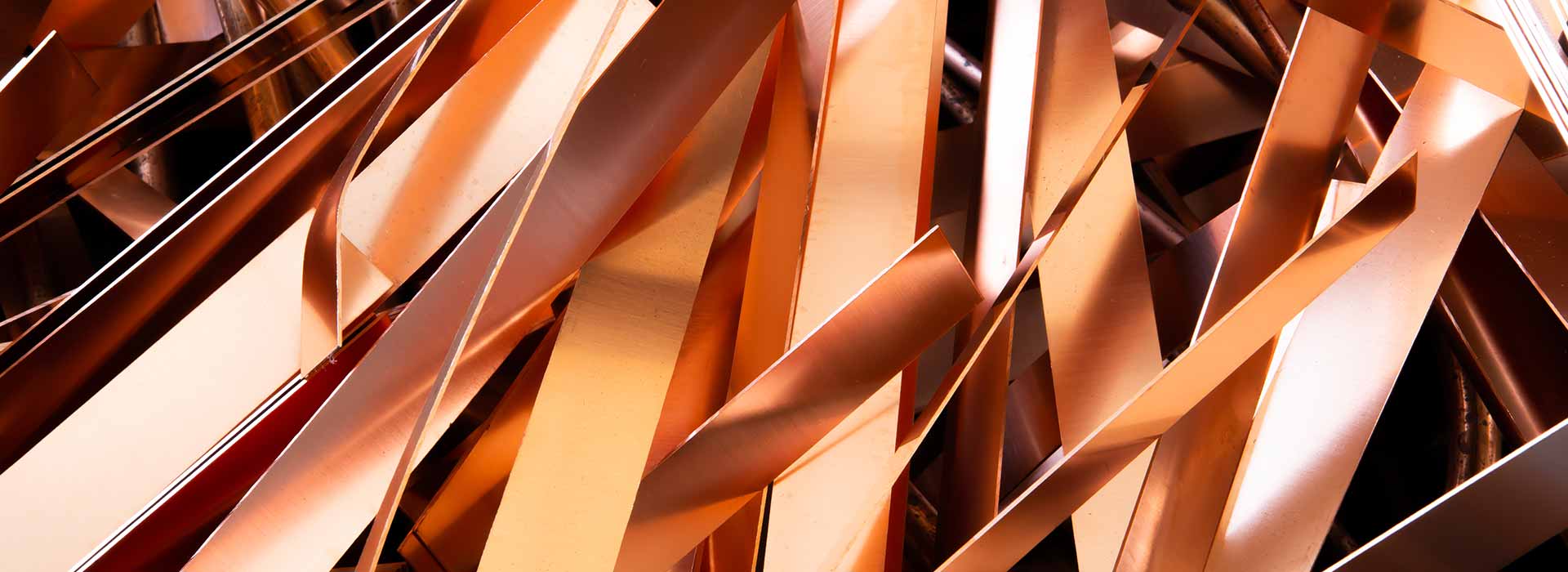

في التطبيقات الصناعية الحديثة، تتعرض المكونات الفولاذية غالبًا لظروف بيئية قاسية مثل الرطوبة والمواد الكيميائية وتقلبات درجات الحرارة والتآكل الميكانيكي. ولضمان المتانة والموثوقية على المدى الطويل، تعتمد الشركات بشكل متزايد على الفولاذ المجلفن والفولاذ المجلفن بالألومنيوم. تجمع هذه المواد بين قوة الفولاذ والحماية المتقدمة للسطح، مما يوفر أداءً هيكليًا ومقاومة محسنة للتآكل.
فهم تطبيقات الفولاذ المجلفن والفولاذ المجلفن بالألومنيوم يساعد المهندسين وفرق المشتريات والمصممين الصناعيين على اختيار المواد المثلى لمتطلباتهم التشغيلية، مع تقليل تكاليف دورة الحياة أيضًا.
جدول المحتويات
لماذا المجلفن و فولاذ مجلفن من الألومنيوم يفضل
يتميز الفولاذ المجلفن بطبقة واقية من الزنك تحمي الفولاذ من التآكل. أما الفولاذ المجلفن بالألومنيوم، فيجمع بين الزنك والألومنيوم في الطبقة الواقية، مما يعزز مقاومته للتآكل، وانعكاسه للحرارة، ومتانته في مختلف الظروف البيئية. هذه الخصائص تجعل كلا النوعين من الفولاذ مناسبين للغاية للاستخدام الصناعي طويل الأمد.
تشمل المزايا الرئيسية ما يلي:
- حماية فائقة من التآكل: تشكل طبقات الزنك والزنك والألومنيوم حاجزًا ضد الرطوبة والملح والمواد الكيميائية.
- عمر خدمة ممتد: تحافظ المكونات على سلامتها الهيكلية لعقود مع الحد الأدنى من الصيانة.
- انخفاض تكاليف الصيانة: توفر الحماية طويلة الأمد للأسطح تقليلاً من الحاجة إلى إعادة الطلاء والإصلاحات ووقت التوقف عن العمل.
- الاتساق الجمالي: توفر الطلاءات أسطحًا موحدة للطلاء اللاحق أو الطلاء بالمسحوق إذا لزم الأمر.
- التنوع: مناسب لقطاعات البناء والنقل والطاقة والزراعة والصناعات التحويلية.
تطبيقات البناء والبنية التحتية
العوارض والإطارات الهيكلية
في مجال البناء، يُستخدم كل من الفولاذ المجلفن والفولاذ المجلفن بالألومنيوم على نطاق واسع في بناء العوارض والأعمدة والهياكل الداعمة. وتُعدّ الطلاءات المُعززة بالألومنيوم ذات فائدة خاصة في البيئات الساحلية أو الرطبة، لأنها تُقاوم التآكل بشكل أفضل من طلاءات الزنك القياسية.
الألواح المعمارية والأسوار
تُستخدم ألواح الصلب المجلفن المطلية بالبودرة أو المطلية مسبقًا بشكل شائع في واجهات المباني والدرابزينات والحواجز الواقية. وهي توفر توازنًا بين المتانة والجمال ومقاومة العوامل البيئية.
الجسور والمنشآت الخارجية
تستفيد الجسور الخارجية والممرات وحواجز الحماية من العمر الطويل للفولاذ المجلفن المصنوع من الألومنيوم ومقاومته المحسنة للتآكل، مما يقلل من دورات الصيانة ومخاطر السلامة بمرور الوقت.
تطبيقات السيارات والنقل
المكونات الهيكلية للمركبة
يُستخدم الفولاذ المجلفن على نطاق واسع في هياكل السيارات ودعاماتها وألواحها. يوفر الفولاذ المجلفن بالألومنيوم حماية إضافية للمركبات التي تعمل في المناخات القاسية أو بالقرب من المناطق الساحلية، حيث يقاوم التآكل الناتج عن الملح.
معدات السكك الحديدية والنقل العام
غالباً ما تستخدم الدرابزينات والألواح الواقية والحواجز الخارجية للمحطات وأنظمة النقل الفولاذ المجلفن المصنوع من الألومنيوم نظراً لمتانته وانخفاض متطلبات الصيانة.
تطبيقات قطاع الطاقة والمرافق
علب وخزائن كهربائية
يوفر الفولاذ المجلفن والفولاذ المجلفن بالألومنيوم حماية أساسية للوحات الكهربائية وخزائن التحكم وهياكل المحولات. تضمن هذه المواد السلامة والموثوقية من خلال تقليل الأعطال الناتجة عن التآكل.
البنية التحتية للطاقة المتجددة
تستفيد إطارات الألواح الشمسية ودعامات توربينات الرياح وهياكل التثبيت من خصائص الفولاذ المجلفن العاكسة والمقاومة للتآكل. تساعد هذه الطلاءات في الحفاظ على السلامة الهيكلية والأداء في البيئات الخارجية المعرضة للشمس والرياح والأمطار.
مرافق معالجة النفط والغاز والمياه
تستخدم الأنابيب الصناعية وأقواس الدعم والأغلفة الواقية في محطات معالجة المياه ومصافي النفط ومنشآت الغاز الفولاذ المجلفن والفولاذ المجلفن بالألومنيوم لتحمل التعرض للمواد الكيميائية والرطوبة وتغيرات درجات الحرارة.
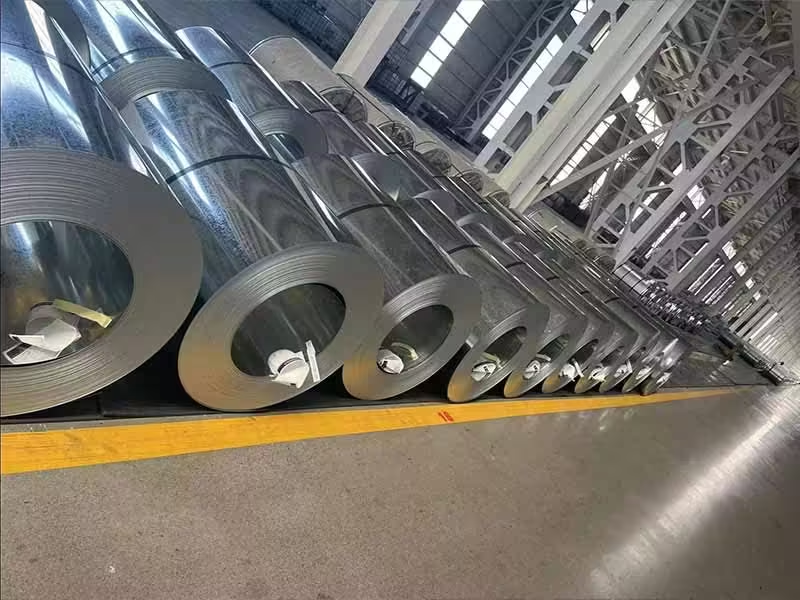
تطبيقات الآلات والمعدات الصناعية
هياكل الآلات والحواجز الواقية
تساهم الإطارات الفولاذية المطلية بالبودرة أو المجلفنة أو المصنوعة من الألومنيوم المجلفن في تعزيز متانة الآلات ومقاومتها للتآكل. وهذا يمنع الأعطال المبكرة ويضمن التشغيل الآمن في بيئات التصنيع.
أنظمة مناولة المواد
تستفيد أنظمة النقل ورفوف التخزين والخزائن من الطلاءات المقاومة للتآكل، خاصة في المستودعات الرطبة أو المصانع الصناعية التي تتعرض للتنظيف المتكرر أو المواد الكيميائية.
الآلات الزراعية
غالباً ما تستخدم المعدات الزراعية مثل الجرارات والمحاريث وصوامع التخزين الفولاذ المجلفن أو الفولاذ المجلفن بالألومنيوم لمقاومة الرطوبة والأسمدة والتآكل الميكانيكي، مما يحسن من عمرها التشغيلي.
مقارنة بين الفولاذ المجلفن والفولاذ المجلفن بالألومنيوم
| نوع المادة | طبقة الزنك | محتوى الألومنيوم | المزايا الرئيسية | التطبيقات النموذجية |
|---|---|---|---|---|
| الفولاذ المجلفن | واسطة | 0% | حماية قوية من التآكل، فعالة من حيث التكلفة | الفولاذ الإنشائي، وهياكل الآلات، والأسوار |
| فولاذ مجلفن من الألومنيوم | واسطة | 5–55% | مقاومة أعلى للتآكل، عاكسة للضوء، عمر خدمة أطول | البناء الساحلي، الألواح الخارجية، دعم الطاقة المتجددة |
توفر الطلاءات المعززة بالألومنيوم عمر خدمة أطول في البيئات القاسية وتقلل من وتيرة صيانة الأسطح، وإن كان ذلك بتكلفة أولية أعلى قليلاً.
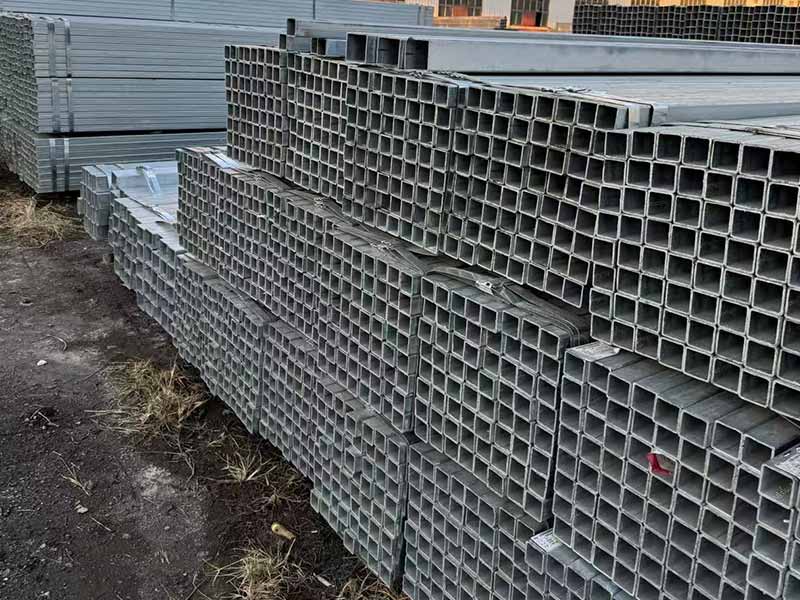
إرشادات الاختيار للتطبيقات الصناعية
عند تحديد نوع الفولاذ للاستخدام الصناعي، ضع في اعتبارك ما يلي:
- التعرض البيئي: التعرض للمواد الكيميائية: داخلي مقابل خارجي، ساحلي مقابل داخلي.
- متطلبات تحمل الأحمال: الإجهاد الهيكلي، والرياح، والاهتزاز، أو الصدمات الميكانيكية.
- سُمك وجودة الطلاء: يحدد مقاومة التآكل وطول العمر.
- جدول الصيانة: قد تبرر متطلبات الصيانة المنخفضة ارتفاع التكاليف الأولية.
- علاجات إضافية: يمكن أن تعمل طبقات الطلاء بالبودرة أو الطلاء على تحسين المظهر الجمالي وتوفير حماية إضافية.
تساعد المواصفات الواضحة الموردين على تقديم مواد تلبي توقعات الأداء والمتانة على حد سواء.
توصيات الصيانة والتفتيش
- الفحوصات البصرية الدورية: افحص بحثًا عن الخدوش أو تلف الطلاء أو علامات التآكل المبكرة.
- تنظيف الأسطح: قم بإزالة الغبار أو الحطام أو البقايا الكيميائية لمنع التآكل الموضعي.
- إعادة الطلاء عند الحاجة: في البيئات القاسية للغاية، ينبغي مراعاة إضافة طبقات حماية إضافية.
- تجنب ملامسة المعادن المختلفة: منع التآكل الجلفاني عند تلامس الفولاذ مع النحاس أو الألومنيوم أو المعادن الأخرى.
الاعتبارات الاقتصادية والاستدامة
قد تكون التكلفة الأولية للفولاذ المجلفن والفولاذ المجلفن بالألومنيوم أعلى من تكلفة الفولاذ غير المعالج، ولكن انخفاض تكاليف الصيانة، وعمر خدمة أطول، وموثوقية محسّنة اجعلها ذات جدوى اقتصادية. بالإضافة إلى ذلك:
- الفولاذ قابل لإعادة التدوير، مما يدعم الاستدامة البيئية.
- تساهم الطلاءات طويلة الأمد في تقليل النفايات الناتجة عن عمليات الاستبدال وإعادة الطلاء.
- المواد المتينة تقلل من وقت التوقف التشغيلي وتكاليف دورة الحياة.
لماذا لا يزال الفولاذ المجلفن والفولاذ المجلفن بالألومنيوم من المعايير الصناعية؟
في قطاعات البناء والطاقة والنقل والمعدات الصناعية،, تطبيقات الفولاذ المجلفن والفولاذ المجلفن بالألومنيوم تستمر في النمو لأنها توفر مزيجًا مثبتًا من القوة ومقاومة التآكل والموثوقية على المدى الطويل.
للمصنعين والمهندسين الذين يبحثون حلول متينة، سهلة الصيانة، واقتصادية, ، ولا تزال هذه الأنواع من الفولاذ هي المادة المفضلة للتطبيقات الهيكلية والوقائية الهامة.
الأسئلة الشائعة
ما هي الصناعات التي تستخدم عادةً الفولاذ المجلفن والفولاذ المجلفن بالألومنيوم؟
تُستخدم تطبيقات الفولاذ المجلفن والفولاذ المجلفن بالألومنيوم على نطاق واسع في قطاعات البناء والنقل والطاقة والتصنيع والزراعة.
ما هي المزايا الرئيسية للفولاذ المجلفن المصنوع من الألومنيوم مقارنة بالفولاذ المجلفن التقليدي؟
يوفر الفولاذ المجلفن بالألومنيوم مقاومة أعلى للتآكل، وعمر خدمة أطول، وانعكاسية أفضل، خاصة في البيئات القاسية أو الساحلية.
هل يمكن للفولاذ المجلفن والفولاذ المجلفن بالألومنيوم تحمل التعرض للعوامل الجوية؟
نعم، كلا المادتين مصممتان للاستخدام الخارجي، لحماية الهياكل الفولاذية من الرطوبة والمواد الكيميائية والتآكل البيئي.
كيف أختار بين الفولاذ المجلفن والفولاذ المجلفن بالألومنيوم للتطبيقات الصناعية؟
يعتمد الاختيار على التعرض البيئي، وعمر الخدمة المطلوب، واحتياجات تحمل الأحمال، واعتبارات الصيانة.
هل يحتاج الفولاذ المجلفن والفولاذ المجلفن بالألومنيوم إلى طبقات طلاء إضافية؟
يمكن استخدامها كما هي للحماية، ولكن غالبًا ما يتم تطبيق الطلاء المسحوق أو الطلاء لأغراض جمالية أو لمقاومة إضافية للتآكل.
 Arabic
  English
  Korean
  Vietnamese