
في المشهد الصناعي الحالي، يتطلع المصنّعون إلى ما هو أكثر من مجرد منتجات الصلب القياسية، فهم يحتاجون إلى المرونة والدقة والحلول المصممة خصيصًا. توفر لفائف الصلب المُخصصة هذه المتطلبات بدقة. بدءًا من اختيار السبيكة المناسبة وصولًا إلى تحديد السماكة والعرض والتشطيب السطحي، يمكن تصميم لفائف الصلب لتلبية متطلبات صناعية محددة.
تتناول هذه المقالة فوائد لفائف الصلب المصممة حسب الطلب، وخيارات المواد المتاحة لها، وتقنيات الإنتاج، وتطبيقاتها في مختلف الصناعات، بالإضافة إلى الاعتبارات العملية لشرائها واستخدامها بفعالية.
جدول المحتويات
مزايا لفائف فولاذية مصممة حسب الطلب
توفر لفائف الصلب المصممة حسب الطلب العديد من المزايا مقارنة بالمنتجات القياسية:
- مواصفات مصممة خصيصاً: يمكن تعديل السماكة والعرض ووزن اللفة لتلبية المتطلبات الدقيقة
- تنوع المواد: اختر من بين الفولاذ الكربوني، أو الفولاذ المقاوم للصدأ، أو الألومنيوم، أو سبائك أخرى
- خيارات تشطيب السطح: مصقولة أو مطلية أو مجلفنة لتناسب الاحتياجات الصناعية أو الجمالية
- كفاءة الإنتاج: يقلل من هدر المواد من خلال مطابقة المواصفات بدقة مع عمليات الإنتاج
- أداء مُحسّن: مُحسَّن لمقاومة التآكل، أو القوة، أو قابلية التشكيل حسب التطبيق
مقارنة بين لفائف الصلب القياسية والمخصصة
| ميزة | لفائف فولاذية قياسية | لفائف فولاذية مصممة حسب الطلب |
|---|---|---|
| سماكة | نطاقات ثابتة | قابل للتعديل حسب احتياجات العميل |
| مادة | خيارات محدودة | مجموعة واسعة من السبائك |
| تشطيب السطح | أساسي | مصقول، مطلي، مجلفن |
| نفايات الإنتاج | أعلى | مُصغّر |
| مرونة التطبيق | معتدل | عالية، مصممة خصيصًا للعملية |
خيارات المواد للملفات المخصصة
يمكن للمصنعين الاختيار من بين سبائك متعددة حسب متطلبات الأداء:
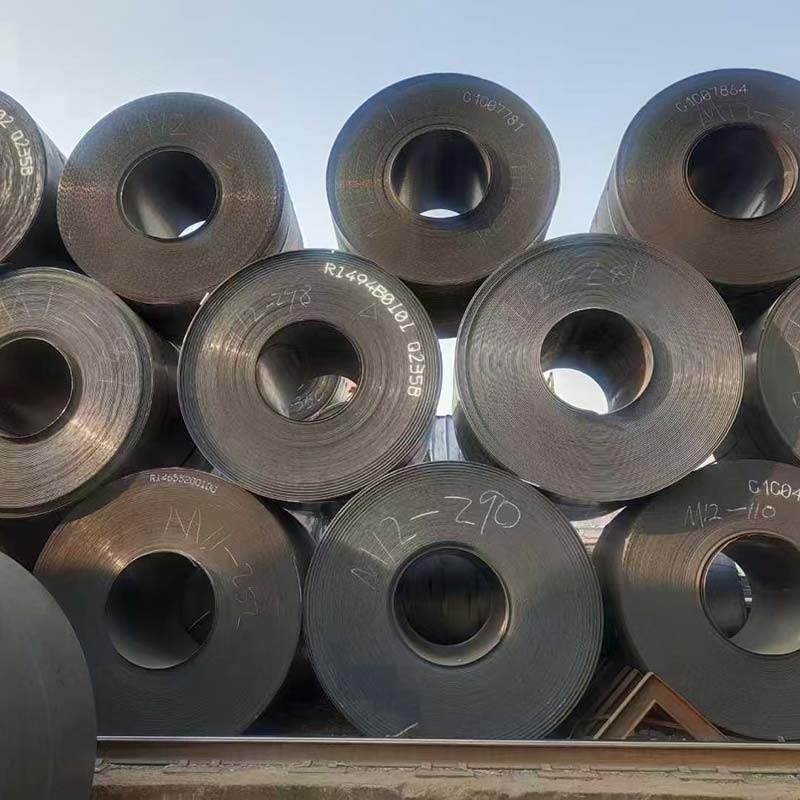
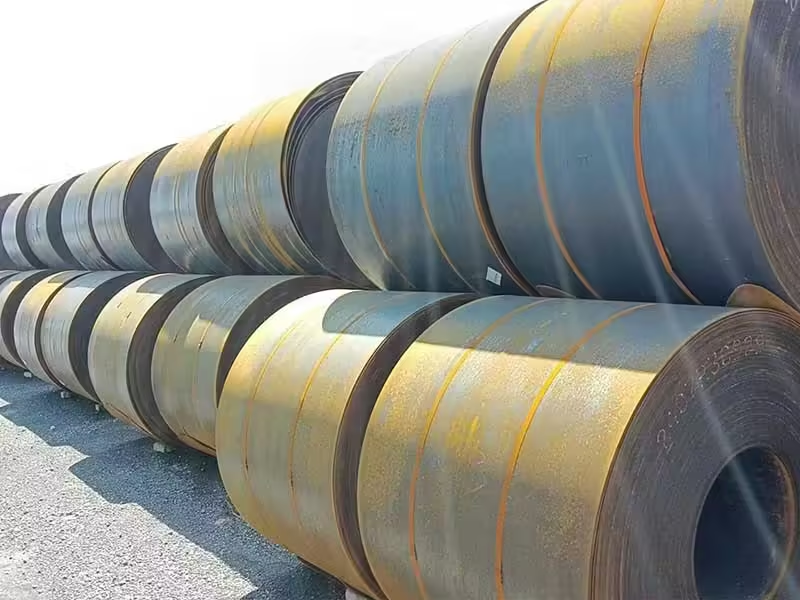
- الفولاذ الكربوني: واسع الاستخدام، قوي، فعال من حيث التكلفة
- الفولاذ المقاوم للصدأ: مقاوم للتآكل، مناسب للبيئات القاسية
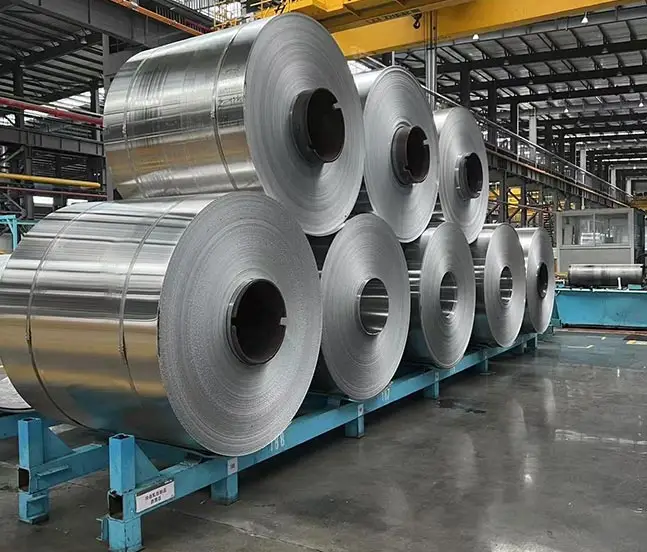
- الألومنيوم: خفيف الوزن، مقاوم للتآكل، سهل المعالجة
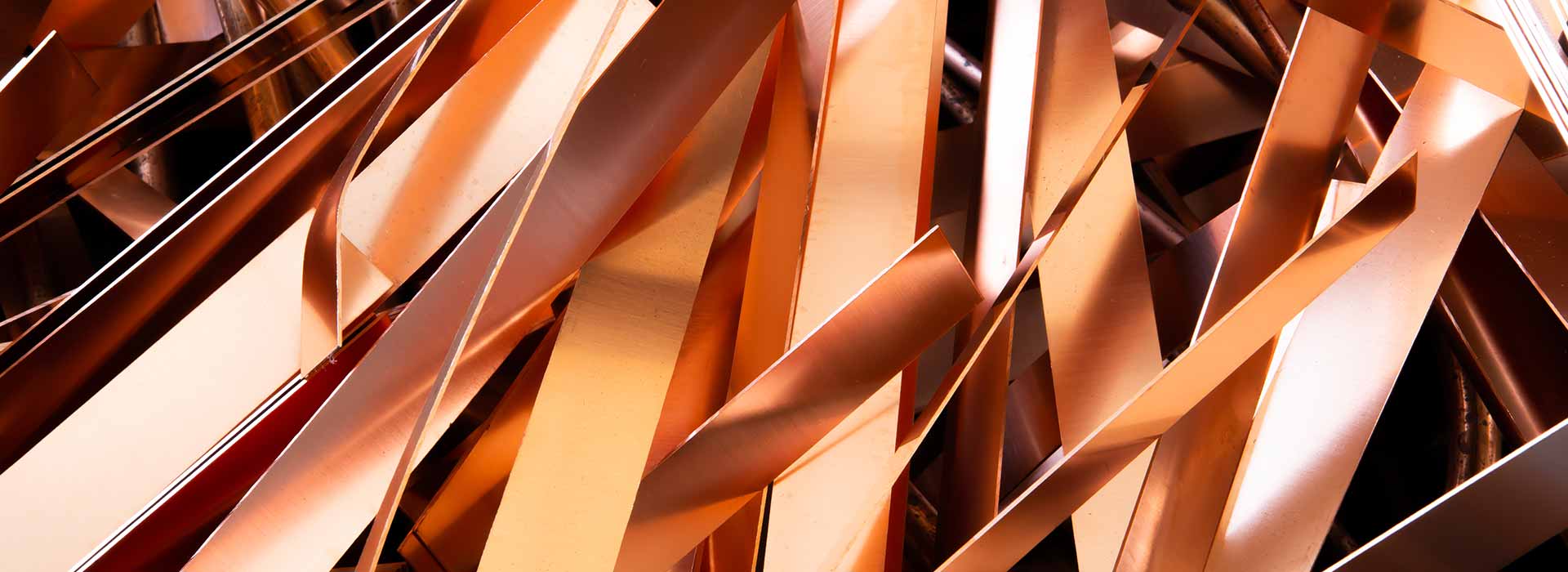
- سبائك خاصة: النيكل أو النحاس أو معادن أخرى لتطبيقات متخصصة
يؤثر كل اختيار للمواد على القوة والمرونة ومقاومة التآكل والتكلفة، لذا فإن الاختيار الدقيق أمر بالغ الأهمية.
لفائف الصلب الكربوني
تُعدّ لفائف الصلب الكربوني شائعة الاستخدام في الصناعات التحويلية العامة، لما تتميز به من قوة فائقة، وسهولة في التشكيل، وفعالية من حيث التكلفة. ومن خلال ضبط نسبة الكربون وسماكة اللفائف، يستطيع المصنّعون تحسين الصلابة وقوة الشد بما يتناسب مع التطبيقات المختلفة.
لفائف من الفولاذ المقاوم للصدأ
تُعدّ لفائف الفولاذ المقاوم للصدأ مثالية للتطبيقات التي تتطلب مقاومة للتآكل ومتانة عالية. وهي تُستخدم على نطاق واسع في صناعة الأغذية، والمعدات الكيميائية، والبيئات البحرية. ويمكن للمعالجات السطحية والطلاءات أن تُحسّن الأداء بشكل أكبر.
لفائف الألمنيوم
توفر لفائف الألومنيوم حلولاً خفيفة الوزن لقطاعات السيارات والطيران والبناء. كما أن مقاومتها للتآكل وقابليتها للتشكيل تجعلها مناسبة للتشكيل المعقد ومتطلبات الأداء العالي.
لفائف من سبائك خاصة
تُستخدم الملفات المتخصصة، مثل سبائك النيكل أو النحاس، في صناعات متخصصة كالإلكترونيات والمعالجة الكيميائية والبيئات ذات درجات الحرارة العالية. وتجمع هذه المواد بين المتانة ومقاومة التآكل وخصائص حرارية أو كهربائية محددة.
عملية الإنتاج والتخصيص
تخضع لفائف الصلب المصممة حسب الطلب لعملية إنتاج مفصلة لضمان مطابقتها للمواصفات:
- اختيار المواد الخام: اختيار السبيكة المناسبة من حيث القوة ومقاومة التآكل والأداء
- الدرفلة الساخنة أو الباردة: يحقق السماكة والعرض والملمس السطحي المطلوبين
- المعالجة الحرارية: يعزز الليونة والمتانة وتخفيف الإجهاد
- تشطيب الأسطح: التلميع، أو الجلفنة، أو الطلاء، أو الأنودة لتحسين مقاومة التآكل أو المظهر الجمالي
- ضبط الجودة: يتم فحص السماكة والعرض وقوة الشد والسطح لضمان الامتثال لمتطلبات العميل.
| مرحلة المعالجة | غاية | الطريقة النموذجية |
|---|---|---|
| التدحرج | تحقيق السماكة والعرض | مصانع الدرفلة على الساخن/البارد |
| المعالجة الحرارية | تحسين الخواص الميكانيكية | التلدين، التطبيع |
| تشطيب السطح | تحسين مقاومة التآكل والمظهر | التلميع، والطلاء، والجلفنة |
| تقتيش | ضمان الامتثال للمواصفات | الاختبارات البُعدية واختبارات الشد |
التطبيقات عبر الصناعات
تعتبر لفائف الصلب المصممة حسب الطلب ضرورية في قطاعات متعددة:
- السيارات: ألواح الهيكل، ومكونات الشاسيه، والعناصر الهيكلية
- بناء: أعمال التسقيف، وتكسية الجدران، وعوارض H، وقضبان التسليح
- الأجهزة المنزلية: الفولاذ المقاوم للصدأ للمعدات المنزلية والتجارية
- طاقة: هياكل النفط والغاز والطاقة المتجددة التي تتطلب سبائك عالية الأداء
- الآلات: المعدات والأدوات الصناعية التي تتطلب درجات محددة من المواد
دراسة حالة: صناعة السيارات
احتاجت إحدى الشركات الرائدة في صناعة السيارات إلى لفائف ألومنيوم لتصنيع ألواح هيكل خفيفة الوزن. وقد وفّر المورّد لفائف ذات سماكة دقيقة وتشطيب سطحي مثالي، مما يضمن توافقها مع عمليات التشكيل واللحام. ساهمت المواصفات المُخصصة في تقليل الهدر وتحسين كفاءة خط التجميع.
دراسة حالة: توريد الفولاذ الإنشائي
تطلّب مشروع بناء جسر استخدام عوارض فولاذية على شكل حرف H وفولاذ مسطح من لفائف الفولاذ الكربوني بأبعاد دقيقة من حيث العرض والسماكة. وقد مكّنت لفائف الفولاذ المصممة خصيصًا فريق البناء من تحسين التصميم الإنشائي وتقليل هدر المواد مع ضمان قدرة عالية على تحمل الأحمال.
اعتبارات لـ اختيار لفائف الصلب المخصصة
- تحديد المتطلبات: حدد السماكة والعرض ونوع المادة ونوع التشطيب السطحي
- فهم احتياجات الأداء: ضع في اعتبارك قوة الشد، ومقاومة التآكل، وقابلية التشكيل
- قدرات المورد: ضمان قدرة الشركة المصنعة على إنتاج مواصفات دقيقة باستمرار
- معايير الجودة: تحقق من الامتثال لمعايير ISO أو ASTM أو المعايير المحلية
- التوصيل والمرونة: ضع في اعتبارك فترات الإنتاج، وحدود وزن اللفائف، والعوامل اللوجستية.
الأسئلة الشائعة
ما هي المزايا الرئيسية لملفات الصلب المصممة حسب الطلب؟
فهي تتيح التحكم الدقيق في السماكة والعرض والمادة والتشطيب السطحي، مما يحسن الأداء ويقلل من الهدر.
ما هي المواد المتاحة لتصنيع الملفات المخصصة؟
تُستخدم عادةً الفولاذ الكربوني والفولاذ المقاوم للصدأ والألومنيوم والسبائك الخاصة.
هل يمكن للملفات المصممة حسب الطلب أن تحسن كفاءة التصنيع؟
نعم، إن مطابقة مواصفات الملفات مع احتياجات الإنتاج تقلل من عمليات المناولة والنفايات ووقت المعالجة.
كيف يتم ضمان الجودة في الملفات المصممة حسب الطلب؟
من خلال الفحص الدقيق للأبعاد وقوة الشد وتشطيب السطح، وغالبًا ما يتم ذلك باتباع معايير ISO أو ASTM.
ما هي الصناعات التي تستفيد أكثر من لفائف الصلب المصممة حسب الطلب؟
تستفيد صناعات السيارات والبناء والأجهزة المنزلية والطاقة والآلات الصناعية بشكل كبير.
 Arabic
  English
  Korean
  Vietnamese